Columbine, known for its distinctive spurred flowers, is a low-maintenance flowering plant that adds a touch of whimsy to any garden with its unique appearance.
With various colors and shapes, it attracts pollinators like hummingbirds and butterflies, making it a delightful addition to flower beds and borders.
Its long-lasting blooms and graceful foliage make it a favorite among gardeners seeking beauty and charm.
Key Takeaways:
- Columbine thrives in woodlands, rock gardens, and cottage gardens, with most species displaying drought tolerance, making them adaptable to diverse garden landscapes.
- Soil: Columbine thrives in well-drained, sandy, or loamy soil with mulch to retain moisture and keep roots cool.
- Light Needs: Partial shade is optimal for healthy growth, although it can tolerate full sun in cooler regions with the need for shade after flowering.
- Watering: Keep new plants moist to establish them, water well during dry spells, and check soil moisture regularly from late summer to early autumn.
- Fertilizer: Monthly application of water-soluble fertilizer encourages robust foliage and vibrant blooms in various hues.
- Humidity and Temperature: Prefers cooler temperatures and shade to bloom; remove wilted foliage in early fall and apply mulch for winter protection.
- Pruning: Prune after blooming to maintain healthy base leaves and encourage a second wave of blooms; shallow planting is essential for optimal blooming.
- Propagating: Divide plants carefully by digging deep around the base, retaining soil around roots, and replanting promptly; collect and sow seeds in moist soil for new growth.
- Diseases and Pests: Susceptible to leaf miners and aphids, treatable with neem oil and insecticidal soap to prevent damage without chemical pesticides.

Where to plant Columbine?
Planting locations for Columbine typically include woodlands, where many common varieties are native.
They thrive in various settings, such as rock and cottage gardens, with most species exhibiting drought tolerance, making them versatile additions to diverse garden landscapes.
More About Aquilegia Vulgaris
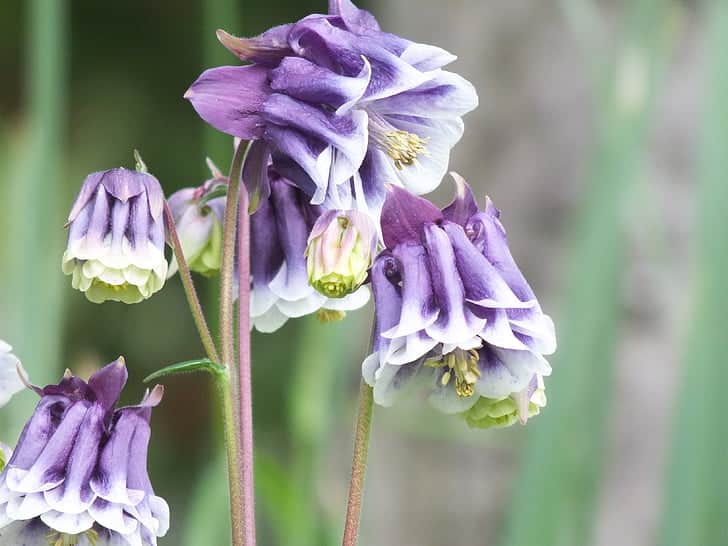
Aquilegia vulgaris common names are European Crowfoot, European Columbine, Columbine, Granny’s Bonnet or Granny’s Nightcap. The herbaceous perennial has a clump-forming habit and belongs to the buttercups and crowfoots or the Ranunculaceae family.
The clump-forming perennial grows well in the USDA hardiness zone six to eight and has narrow, long, leafy stems growing up to three feet. These flowering outdoor plants make for gorgeous cut flowers, as you can find several attractive cultivars.
Another benefit is that the basal leaves to flowering stems attract butterflies and hummingbirds to your garden.
Aquilegia Vulgaris Plant Care Guide
Soil
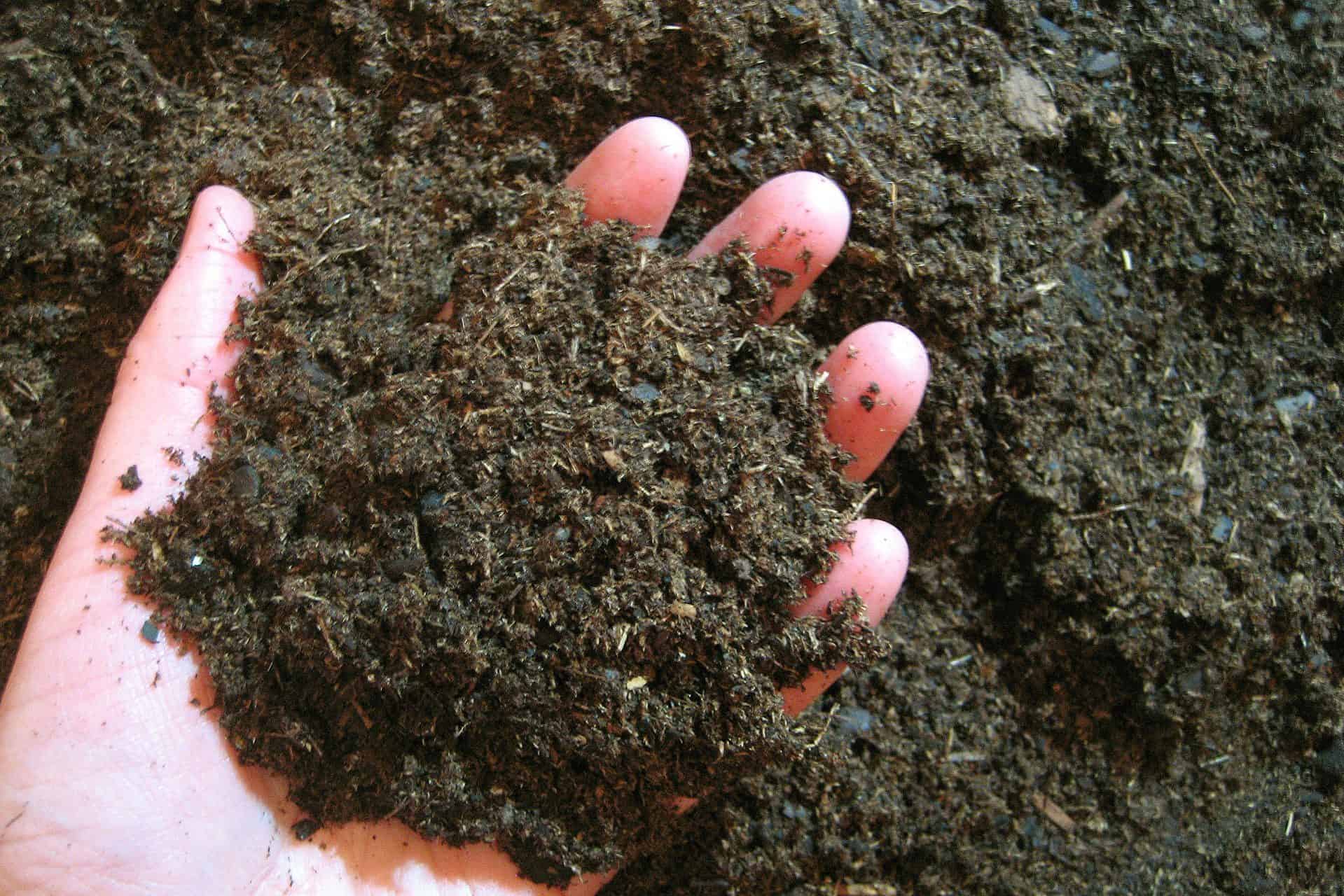
The Granny’s Bonnet grows in any soil, but sandier or loamier soil is better than heavy clay soil. The important thing is well-drained soil with some mulch to help retain moisture, and it keeps the roots cool.
Suitable Light For European Columbine
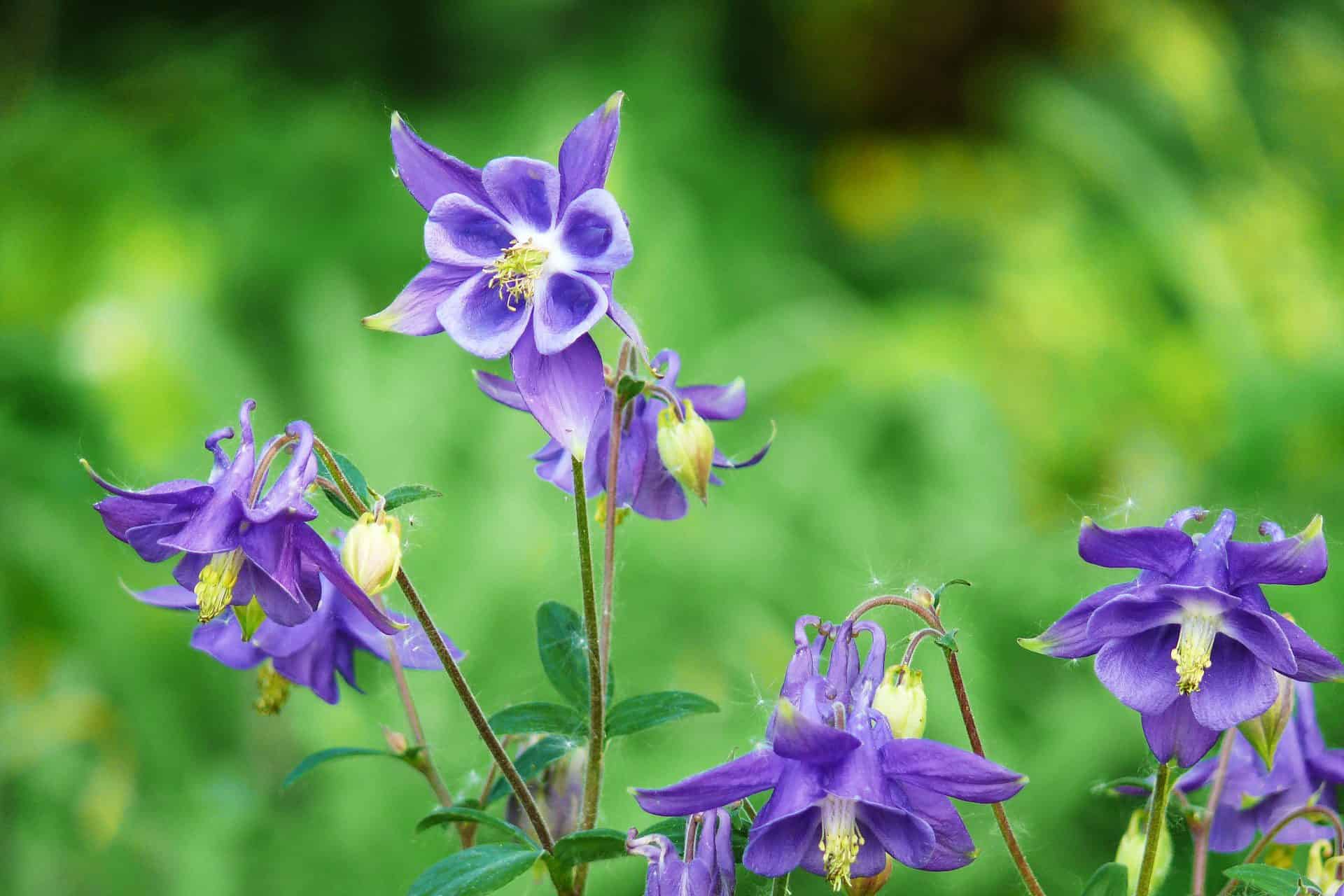
To have the healthiest flowering plants, a spot with partial shade is best for your Columbine. The plant can handle full sun if you live in cooler regions, but they still need shade to restore energy after flowering.
Watering Your Columbines
Your new plants must be kept moist to establish in the ground. You will know this once they start putting out new growth. Still, these plants need to be well-watered during a dry spell. So, check the soil from late summer to early autumn to see if they need water.
Fertilizer for Aquilegia Vulgaris
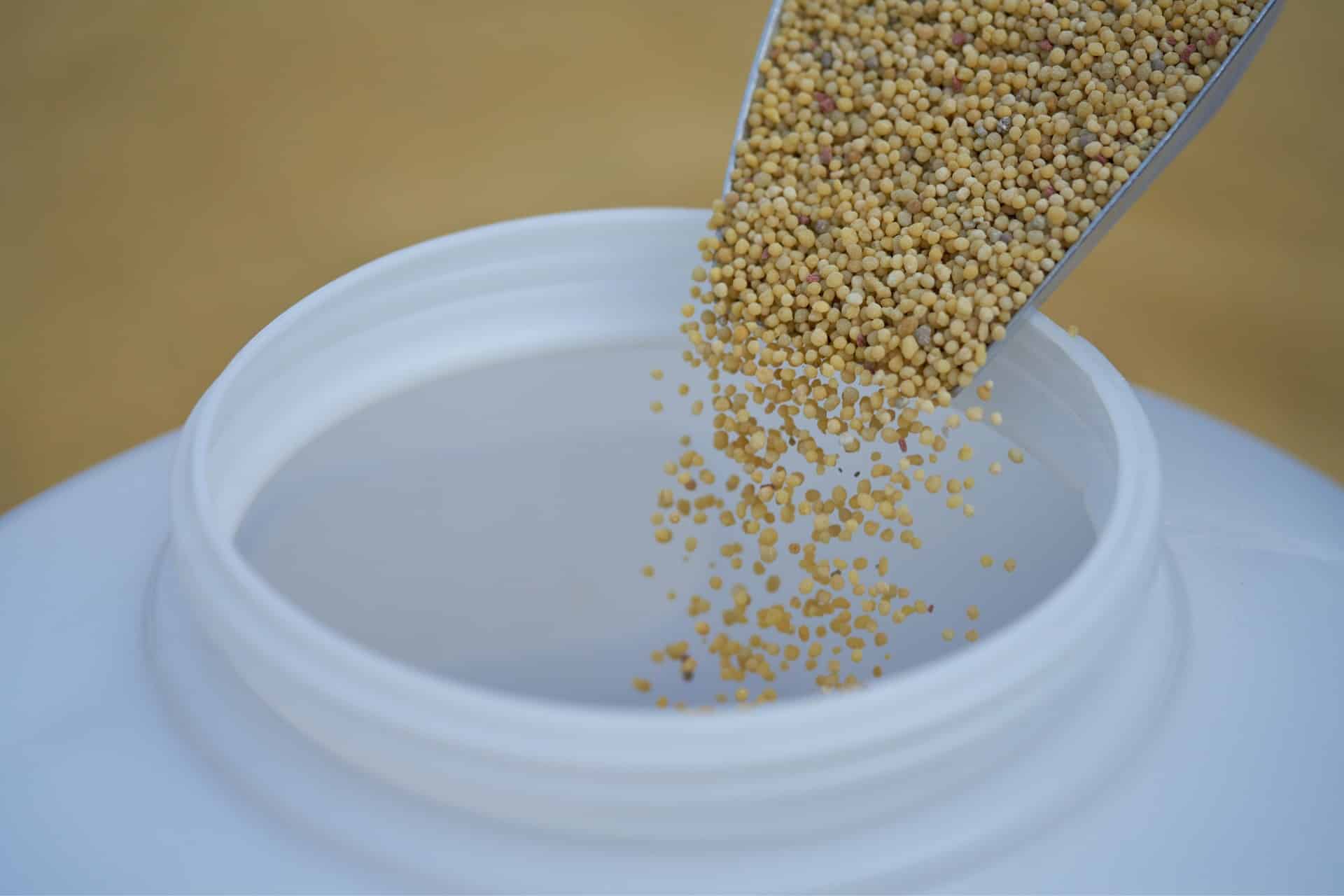
The best fertilizer is a water-soluble one given monthly to encourage thick-lobed leaflets and those gorgeous flowers with colors ranging in different hues.
Humidity and Temperature
Columbine prefers cooler temperatures for flower production and may be dormant during early summer in sweltering conditions. Providing shade can help mitigate heat stress.
Trimming wilted foliage in early fall is advisable, as well as cutting the plant back to the ground and applying a light layer of mulch for winter protection.

Pruning Your Aquilegia Vulgaris
You can prune your Columbine to keep the base leaves healthy after it blooms. Then, you find it produces a second set of stem growth in a few weeks to enjoy another wave of blooms.
Still, remember some Columbine varieties do not bloom until the second season.
Also, if your plant is too deep in the ground, it will not bloom as it needs shallow planting.
After winter, remove the mulch in early spring and test the soil to see if it is not too heavy in nitrogen, as it can hinder the blooms.


Propagating Your Plant
Propagating your Columbine is complex with a lift or decision as the roots grow deep. So, to divide your plants, you need to dig deep in a circle around the bases. Then, pull up the soil root ball without breaking it.
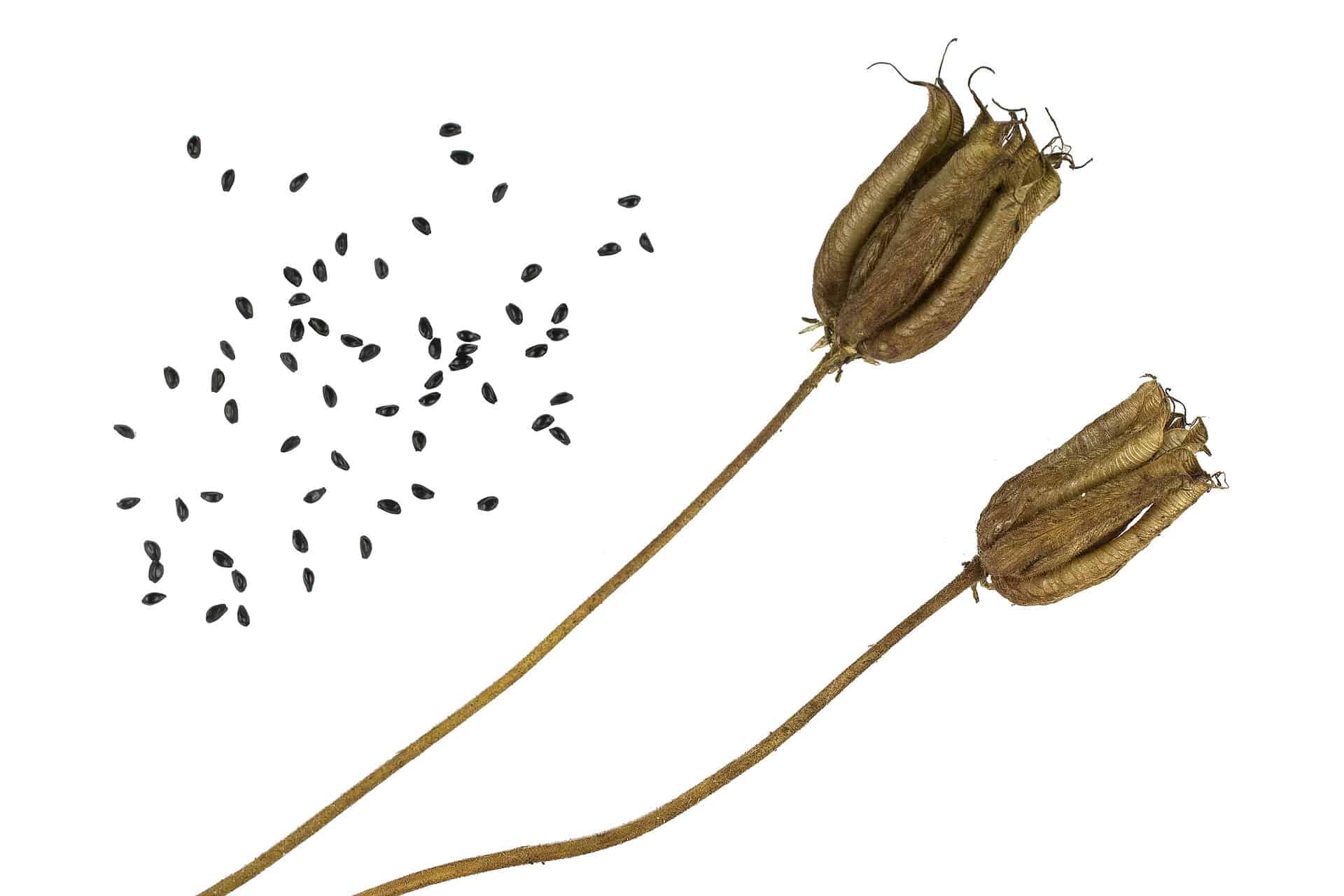
Also, quickly retain as much of the soil after dividing and replanting. The easiest is to collect the seed after the flower petals dry up to harvest the ripened seed pods.
Then, break them open to find shiny black seeds inside.
You can store them over winter in the refrigerator and sow them the following spring in the garden.
Still, if you have hybrid parent plants, the seeds produced are not always true to the parent.
Sow the seeds in moist soil in a warm, sunny location, as it can take up to 30 days to germinate.
You can grow the seeds in pots and harden them off for about two weeks before you plant them in your garden.
Aquilegia Vulgaris Varieties
For gorgeous cut flowers, nothing compares to the Columbine. Here are some of our favorites:
Aquilegia ‘Crimson Star’
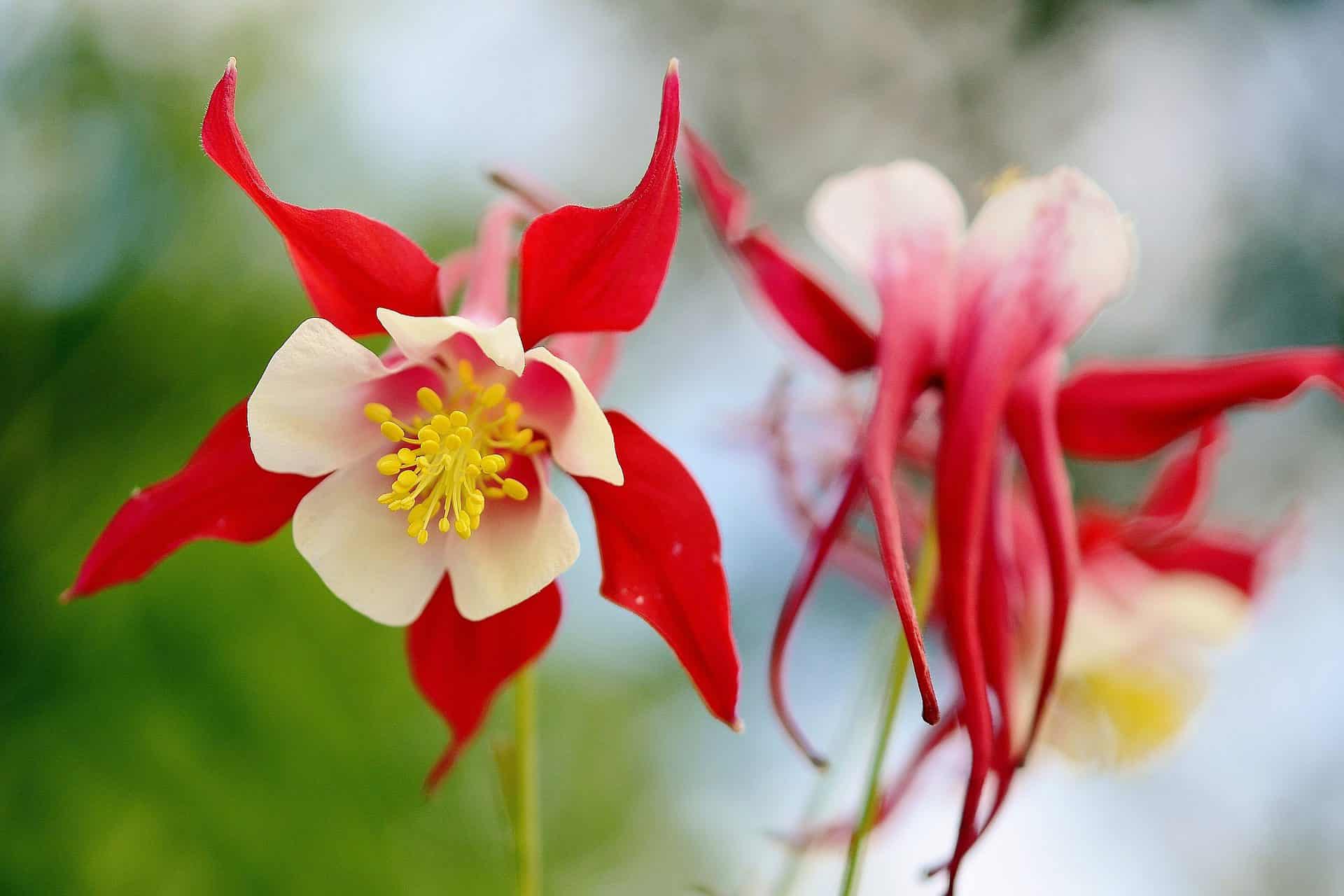
These are long-spurred plants with crimson-red blooms that bloom for up to six weeks in late spring through early summer.
Aquilegia ‘McKana Hybrid’
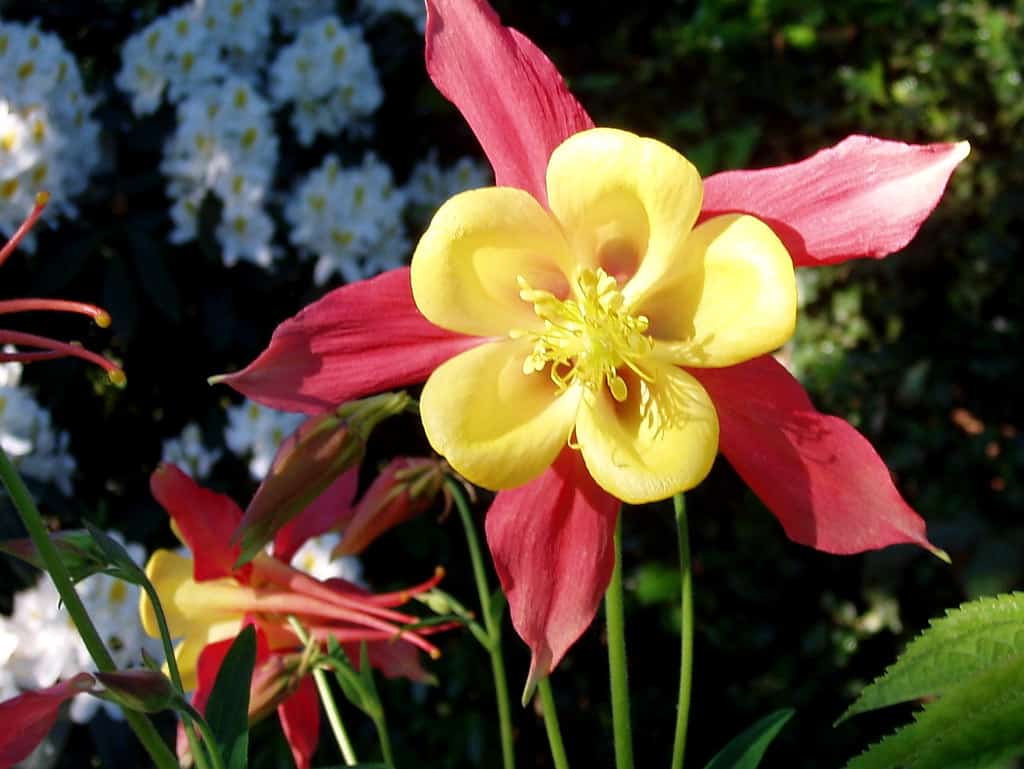
The Columbine grows long spurred flowers in bi-colors ranging from red, yellow, white, and other hues. It blooms in late spring into summer.
Aquilegia caerulea (Rocky Mountain Columbine)
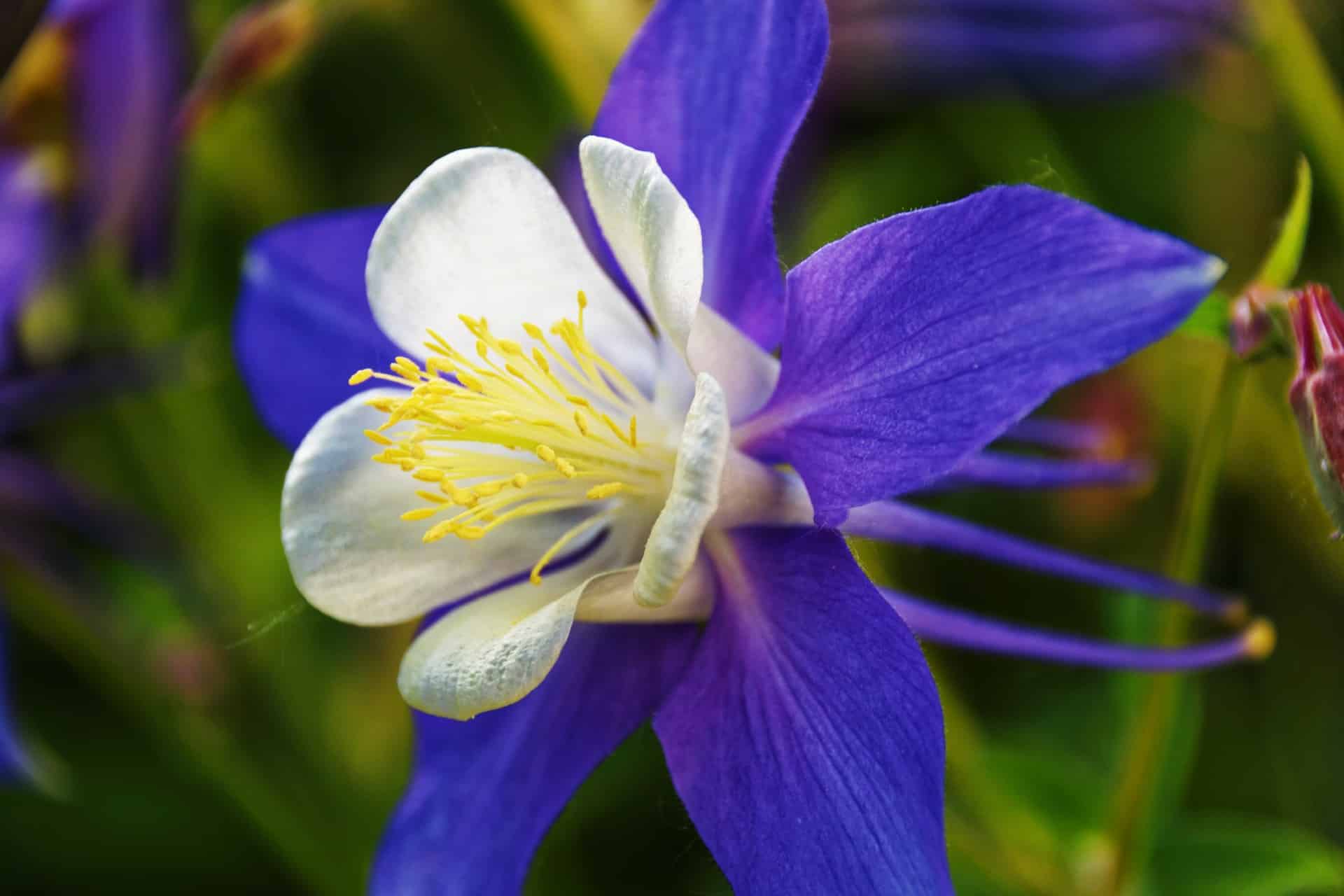
These plants have fern-like foliage in grayish-green blooming for up to six weeks. You see violet-blue sepals, yellow stamens, with white petals.
Aquilegia Vulgaris Diseases and Pests
Your Columbines are susceptible to flowering pests and leaf miners that disfigure the foliage, but it does not just kill your plants. You can use chemical pesticides to prevent them, but we do not recommend it as the insect does not cause your plant to die.
Aphids are another concern and treatable with neem oil and insecticidal soap.
Columbine Companion Pants
Toad Lily
Toad lily is an ideal companion for Columbine due to its love for similar growing conditions, thriving in partial shade and moist, well-drained soil. Its exotic-looking flowers add a unique touch to the garden, complementing the whimsical appearance of Columbine.
Foamflower
It is a great companion for Columbine as it prefers partial shade and moist, well-drained soil. Its delicate, airy flowers contrast Columbine’s blooms, creating a visually appealing combination in the garden.
Phlox
Phlox is an excellent companion plant for Columbine, thriving in partial shade and moist, well-drained soil conditions. Its vibrant blooms add a burst of color to the garden, complementing the delicate hues of Columbine flowers and enhancing the overall beauty of the planting scheme.
Whether you want to buy, sell or simply reach out to other plant enthusiasts, Plantly is the right place to be!