Would you like to grow fig fruit in your garden in the northern parts of the world? You can start with the Chicago hardy fig trees. Are you curious?
Then one thing is for sure the fig trees are not only hardy but look attractive in the landscape.
Here you will learn how to care for the Ficus carica Chicago hardy fig.
Plant Name: Ficus carica Chicago hardy fig trees or Bensonhurst purple fig
Other Name: Chicago Hardy Fig
Native Area: No native range as it is a cultivar
Plant Type: Fruit Tree
Growth: 10 to 15 feet tall and 12 feet wide
Fertilizer: Slow Release Fertilizer
Light Requirement: Full Sun
Propagation: Tip Cuttings
Soil Type: Loamy Well Draining Rich Soil
Temperature: Cold to Heat Tolerant
Toxicity: Toxic to Pets, and the Tree’s Sap cause skin irritation
USDA Hardiness Zones: 6 to 10
Watering: Moist Soil
More About Chicago Hardy Fig Trees
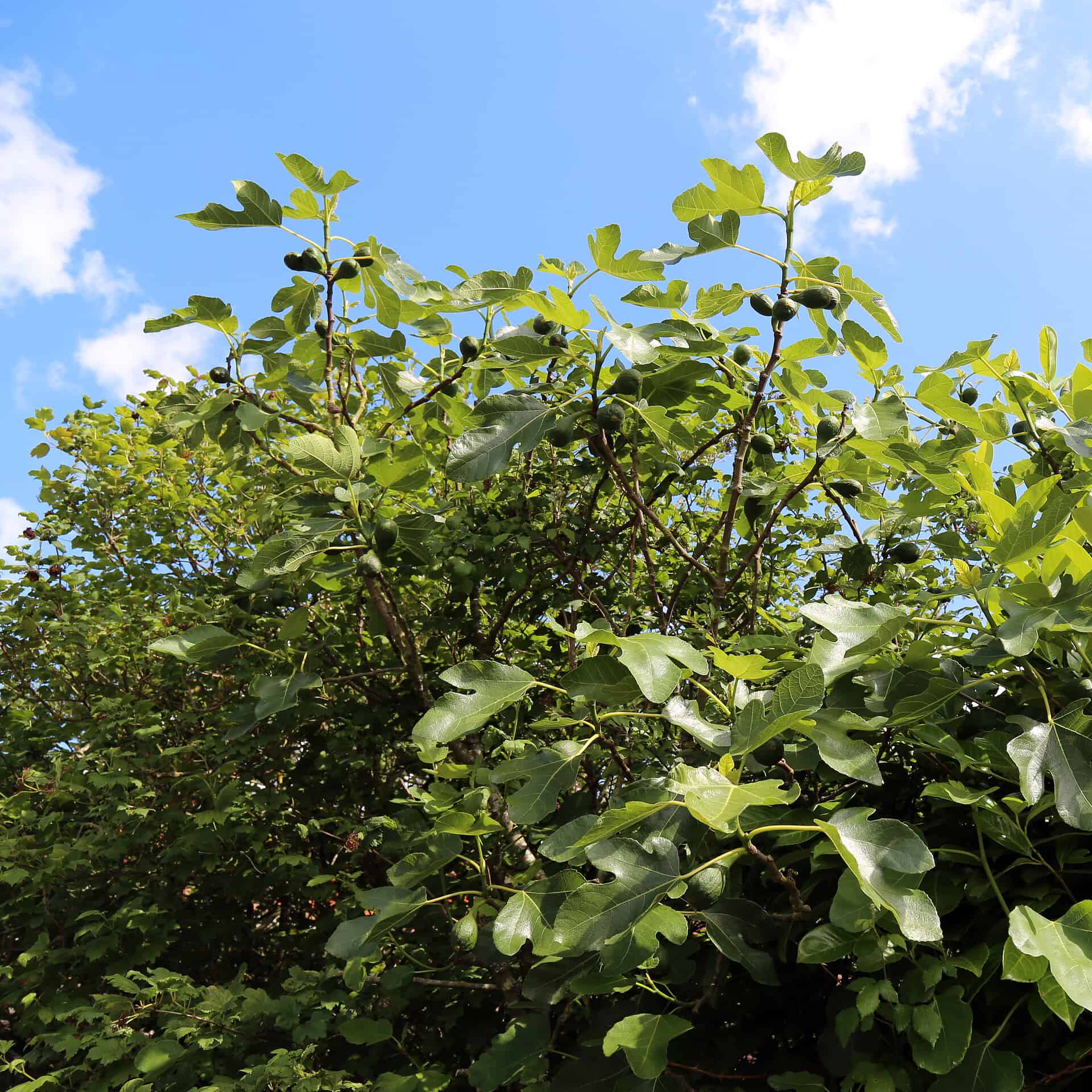
Chicago hardy figs are a common fig cultivar with broad leaves. The bark of three, when it matures, becomes silver-gray. The green flowers are not showy in spring but what follows in late summer to early fall is.
You get the sweetest fruit production with dark figs, and the best part is that the fig tree is a fast grower when planted in spring or fall. So, if you want to grow figs, the Chicago hardy fig is an excellent choice.
The tree is hardy, looks fabulous in the landscape, and fits into small spaces while ideal for container growing.
How and Where to Plant Chicago Hardy Fig Tree?
The most important thing to consider planting your hardy Chicago fig is your microclimate. The best time to plant your fig trees is early spring or late fall. You do this during the dormancy period.
If you live in colder climates, it helps to provide your tree with some shelter to protect them from winter winds and freezing temperatures. The fig tree grows a low canopy with a one-foot clearance from the ground.
Another benefit is planting them under powerlines as they grow up to ten feet tall. Unfortunately, the Chicago hardy fig tree has spreading roots that grow shallow and can cause damage to infrastructures.
Thus, it is essential to check where your utility lines are when growing your tree. If you have no option, it can be container grown. Or place your Chicago hardy fig tree in a raised bed, which can limit the growth.
Most importantly, dig a hole a bit deeper than the height of the container you received it in. Then work in some organic compost before placing the tree in the hole. Place your tree to sit slightly below the soil surface level.
Growing Your Ficus Carica Chicago Hardy Fig in a Container
While you can do container growing, your fig trees will not reach the same size as one planted in the ground. Therefore, it helps to grow Chicago hardy fig in the same type of soil as in the ground but ensures that it is well-drained soil, as you will see later in the article.
It helps to check if the two inches of soil are dry before watering. When the soil is very dry, it helps to water slowly so that the roots can absorb the moisture to prevent it from running through.
Chicago Hardy Fig Care
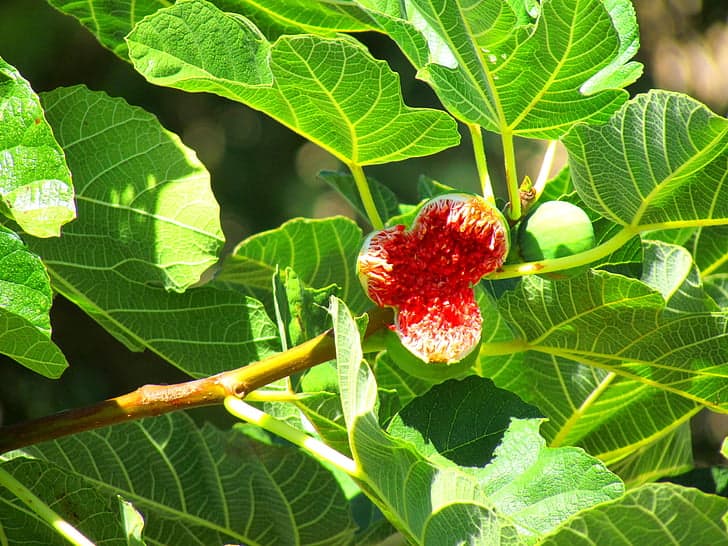
To enjoy the fresh figs of the Chicago hardy fig trees, you will find its caring needs compared to other fig varieties is fewer. In return, the cold, hardy, drought-tolerant tree will provide you with delicious deep purple figs.
Light Requirements For Hardy Chicago Fig
Your tree needs to grow multiple trunks with ample foliage to produce fruit. Hence, it needs at least six hours of full sun daily.
Even container-grown trees need direct sun to thrive. While your fig tree can grow in lower light, it will not produce fruit abundantly. The only time partial shade comes recommended is when you live in warmer climates.
But your tree still needs to get direct sunlight in the morning.
The Best Soil For Bensonhurst Purple Fig

Whether grown in a pot or the ground, your Chicago hardy fig tree needs a loamy fertile well-draining soil filled with organic matter.
It thrives in acidic to neutral soil with a pH between 6.0 and 6.5. It can tolerate some saltiness from road salt and coastal areas but not directly at the shorefront.
To help retain soil moisture, add some mulch around the tree’s base without touching the trunk.
Watering Chicago Hardy Fig Trees
When placed in the planting hole, your young trees need water regularly for the first growing season. Keep the soil moist but prevent it from getting soggy. Established trees are drought tolerant but not for too long.
When you notice the blackened fruit on the tree, which is very warm, we recommend watering often, or you might end up with fruit that does not have the sweetness you desire. The root system does not enjoy standing water when grown indoors or outside.
Too much water makes fruit bland, and you will not have those delicious figs to look forward to.
Temperature and Humidity
Your fig tree can thrive in different temperatures as it is cold hardy to heat tolerant specimen. The root system can handle degrees up to -20°F while the stems can handle down to 10°F.

Even high humidity is not a concern with this tree. The important thing is to do proper pruning to provide airflow through the canopy.
The tree is best suited in the growing zones 6 to 10. Add some thick layer of mulch to your outdoor tree to keep the roots warm while living in extremely cold regions. Or use a plant blanket or frost bag instead.
Even when not overwintered and your tree dies back to the ground, it can resume growth in spring. Thus providing winter protection helps. For your plant, it helps to move them indoors when you notice the leaves starting to fall.
Place your tree in an unheated garage, basement, or shed. But keep checking the soil regularly to see if it is moist. The roots need to be consistently moist and water to prevent the roots from drying out.
Fertilizing Your Fig Tree
You only need one annual fertilizer application when you plant your tree in fertile soil filled with organic matter.

You can use a balanced 5-5-5 slow-release feed in early spring. But if you notice the foliage turning yellow, you can apply a second application mid-summer.
This will encourage healthy growth but refrain from feeding in the fall to winter months. Another notable thing is that your tree is self-pollinating compared to other varieties.
Hence, you need no fig wasps or pollinating insects; one tree produces fruit.
Harvesting and Pruning Chicago Hardy Fig
The best time to harvest the fruit is when they are ripe, as figs do not ripen off the tree. However, fig fruit is delicate, and you must be gentle when picking them. When the fruit turns brown to deep purple and is slightly soft to the touch, you can remove it from the tree using pruners.
When it comes to pruning your tree, it depends on the climate you live. It also depends if the Chicago hardy fig grows as a tree or shrub. When overwintered indoors in colder climates, you can prune your fig tree to keep it manageable.
Still, remember, when taking on this task, always wear gloves, as the tree’s sap can irritate your skin. Also, in hot weather climates grown outdoors, it grows multiple trunks with a natural growth habit.
You can grow the fig tree with a single trunk and prune it during dormancy in fall to winter. Remove the branches blocking airflow and older wood branches that are damaged, diseased, or dead.
Also, check warmer climates for black fruit that develops on older wood from the previous year. These fruits have no delicious taste. The best is to remove them to encourage more crops and new wood to grow.
Propagating Chicago Hardy Fig
A fast method to propagate your Chicago fig to produce fruit more is using tip cuttings. Gather your pruners, a deep pot with moistened potting soil, a plastic bag, and a half-gallon clear plastic bottle with the bottom removed.
When you notice new growth in early spring, cut some healthy tips about eight inches long below a leaf node.
Take rooting hormone, dip the cut end into it, and then insert it in the prepared soil below the leaf node line.
Place the plastic bag or your plastic bottle dome over the pot to create a greenhouse.
Keep it in bright indirect light in a warm spot.
Ensure that the soil moisture is damp but not soggy.
Then wait until your seedling produces new leaves with roots before transplanting it into a larger pot or the garden.
Chicago Hardy Fig Tree Varieties
While the Chicago hardy fit is one variety, there are a few others you can also grow in your garden to enjoy fresh figs.
Celeste
 celeste fig @flickr
The fig tree grows a medium-sized brown fig or even a purple one. It produces dessert-quality fig fruit and ripens early compared to most other species.
Alma Figs
While the tree and fruit are not much to look at, the fruit has a rich flavor and ripens later in the season.
Brown Turkey
You can enjoy a tasty crop of figs over a long season, and it has few seeds.
Purple Genca
The black Genoa or black Spanish produces large purple fruit with red flesh and is very sweet.
Common Pests and Diseases
While it is a hardy fig tree, it can still become the home of critters and diseases. Some notable growing problems are yellow leaves and the results from underwatering. The same can happen when you overwater your tree, as the fruit tastes bland.
The twigs can die in colder regions, but the established gray wood can survive, while younger woods might not. The biggest concern is birds that want to enjoy the fruit before you do. Using bird netting can help, or even hanging reflective tape to old CDs helps.
Other common pests are scale, mealybugs, aphids, spider mites, and nematodes to watch out for. The Chicago hardy fig can survive most diseases but can do seasonal damage if not treated.
Keep an eye on leaf spots like Alternaria and Septoria, and Anthracnose, both a spot, and blight. Another fungal disease is rust, and copper-based fungicide helps resolve these problems.