One of our favorite herbs to grow in a garden is cilantro. But keeping them happy is tricky. First, it is an annual herb prone to bolt or seed.
So, it means the plant loses that lemony to peppery flavor that we all love.
Still, you need not worry, as the best part is when your cilantro plant ends its life cycle, you end up with coriander, another delicious herb to have. So, to grow cilantro seeds, we have compiled a plant guide to help and keep your indoor plant cilantro happy.
Plant Name: Coriandrum sativum
Other Name: Cilantro, coriander, Chinese parsley
Plant Type: Annual herb
Native Areas: Asia, Europe, Africa
Light Requirement: Full Sun to Partial Shade
Watering: Moderate
Fertilizer: Organic Fertilizer
Toxicity: Non-toxic but needs to be fed to dogs in small quantities
Temperature: 60°F-70°F
Propagation: Seeds
Growth: 1-2 feet tall and up to 1.5 feet wide
Soil Type: Loamy, well-drained soil
USDA Hardiness Zones: 2-11
More About Cilantro Plants
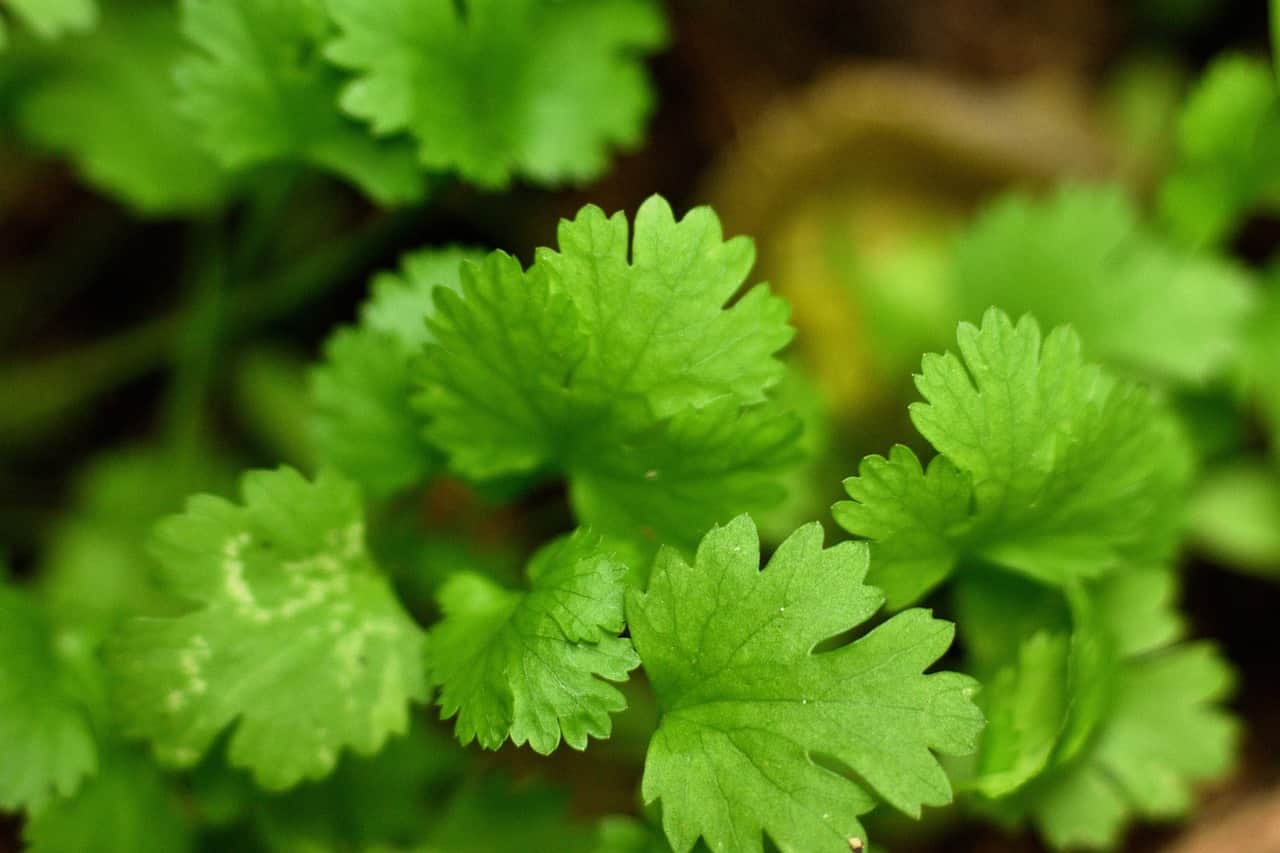
Cilantro is a short-lived herb that is easy to grow, offering two cooking uses for one price. Cilantro refers to the thin seedlings and flat lacy leaves you can enjoy eating fresh. The other name for this herb is coriander which refers to the seeds used in Indian, Asian, and Middle Eastern cuisine.
Growing cilantro From Seed
You can grow cilantro indoors or in your herb garden outside as an annual herb. The best time to plant cilantro seeds is in early spring or at the start of fall.
For planting in early spring, it helps to wait until the last frost. Growing cilantro from seed heads is fast; you can harvest fresh leaves within 30 days.
The cilantro seeds are ready to harvest within three months of planting. The best part is you can get cilantro to coriander seeds from one plant, not just fresh leaves.
Planting Cilantro Seeds
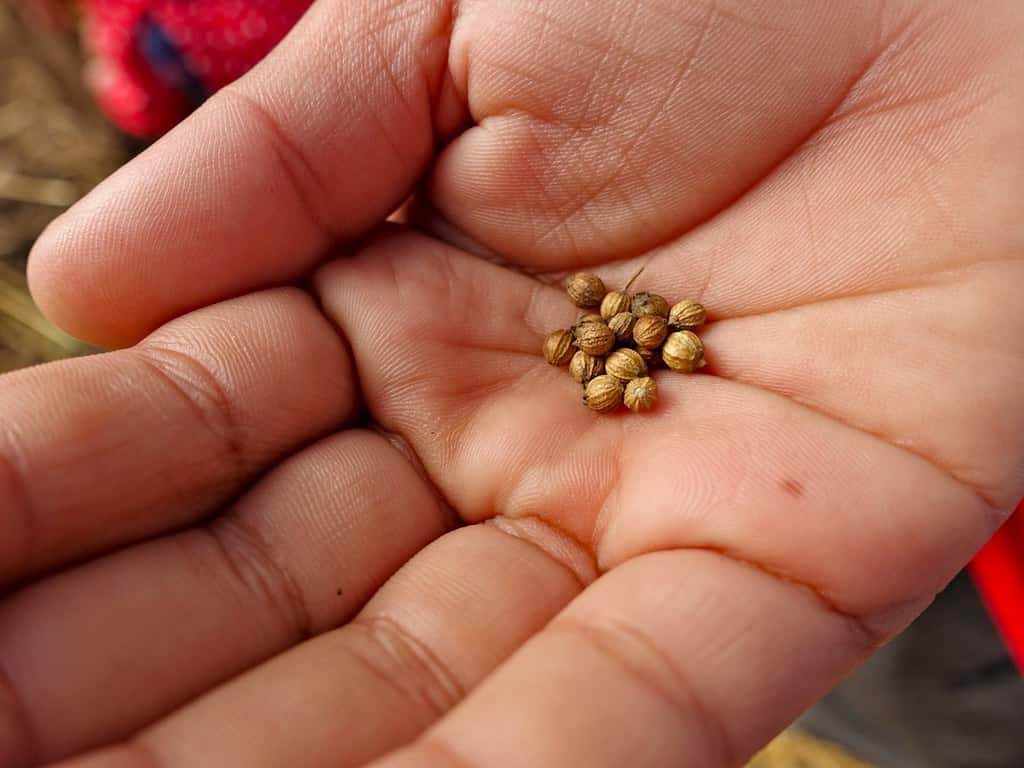 planting cilantro coriander seeds @flickr
When choosing a perfect spot in the garden to enjoy a steady supply of these culinary herbs, it must have well-drained soil.
For optimal growing conditions, provide cilantro plants with a spacing of one to two inches apart in soil with acidic pH. As the cilantro plants leaf out in late spring, prevent planting them in the shade of taller plants or grow them in containers.
You can plant up to two seeds in a planting hole at a depth of 1/2 to 1/4 inches deep. For thinning out cilantro seedlings, you can thin them out about six to eight inches apart. Also, ensure enough airflow between the rows of about one foot when you sow seeds.
A support structure is not needed.
Cilantro Growing Tips and Care
Whether you want to harvest cilantro leaves to enjoy fresh culinary herbs or harvest seeds, remember these things to care for your outdoor plant.
The Best Lighting Needs For Cilantro-Coriander

When planting cilantro seeds, they need six hours of direct sunlight daily to eventually grow a flower stalk if you want to harvest seeds. As cilantro plants thrive in cool weather, you can grow them near taller plants.
The reason is that full sun in the afternoon can burn the cilantro leaves. So, it helps to provide your plant with light shade in the afternoon. With too much sun or heat, it will go into seed early. Unless you want the coriander seeds, then it is fine.
Preferred Soil For Cilantro Plant
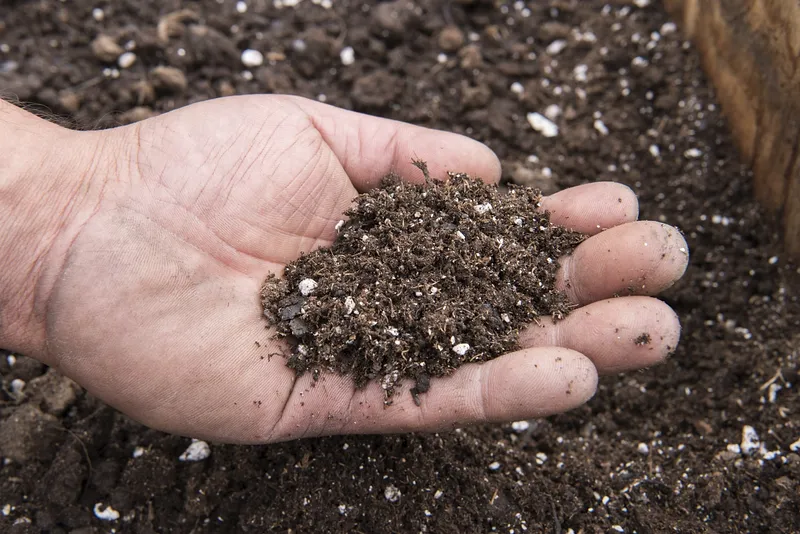
To grow, cilantro thrives in rich loamy soil that drains well. The pH level must be acidic, as too much moisture can result in the fresh cilantro bolting too early. The compost added as a thin layer to the top will provide the nutrients for the plant for you to enjoy the fresh cilantro leaves.
Watering Cilantro Plant
When you plant cilantro seeds, keep the soil moist to help the seeds germinate but not be soggy. For seedlings, an inch of water weekly is ideal. Your mature plants do not need much water, but the soil must remain moist.
Temperature and Humidity

The cilantro herb belongs to the Apiceae family, similar to celery, carrots, fennel, dill, and parsley. All these plants prefer cool weather to grow. So, if you live in cooler regions where cold winters occur, you will sow seeds in spring after the threat of frost.
If you live in a place with hot weather, you will grow cilantro in winter when the temperatures are cool. Yet, when there is too much heat in the growing season, the plant produces a thick flower stalk with tiny flowers preparing to seed.
Hence, the leaves start to change shape, and even the taste is different. As you want to enjoy harvesting cilantro leaves, you do not want them to go to seed. The ideal temperature range for growing cilantro is between 60°F and 70°F.
Another thing is even if these herbs enjoy cool weather, it is still frost sensitive, and it also struggles in high humidity.
Fertilizing Cilantro Plants
While the cilantro does not need feeding to grow, you can treat it monthly using an organic blend for herb plants. Or you can make nutritious compost or use organic matter in the soil. You can add compost when planting cilantro seeds to let them thrive.
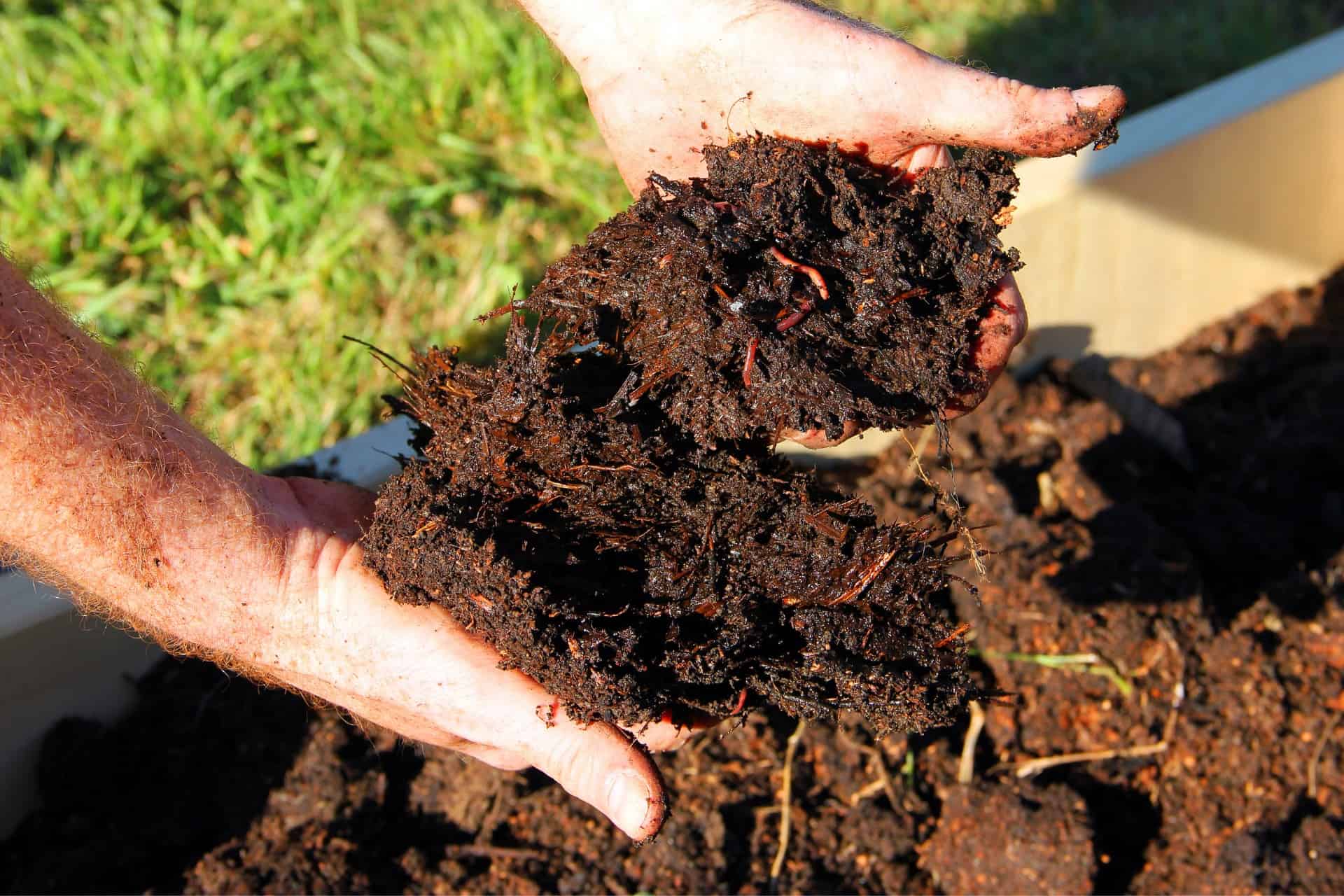
Another great option is using fish emulsion for added nutrition.
How to Harvest Cilantro Without Killing Your Plant
The best way to harvest cilantro leaves is to allow them to keep growing. It helps to use a pair of scissors to snip whole stems growing next to the base of the plant. Harvest leaves from the outside stem first, as they are the older stems.
Doing this allows the younger stems to keep growing. Another important thing is not to harvest more than a third of a single plant. We recommend waiting seven days between harvesting to help your cilantro plants replenish.
When your cilantro becomes weak and leggy, we recommend removing the top of the whole stem above a joint where the leaves meet the stem. This will allow for new fresh growth.
Propagating Cilantro
Cilantro attracts beneficial insects like bees and often self-seeds in your garden. Hence, it propagates itself. But you can harvest the cilantro seeds to store to plant later. The best time to harvest cilantro seeds is in summer when the seed heads dry:
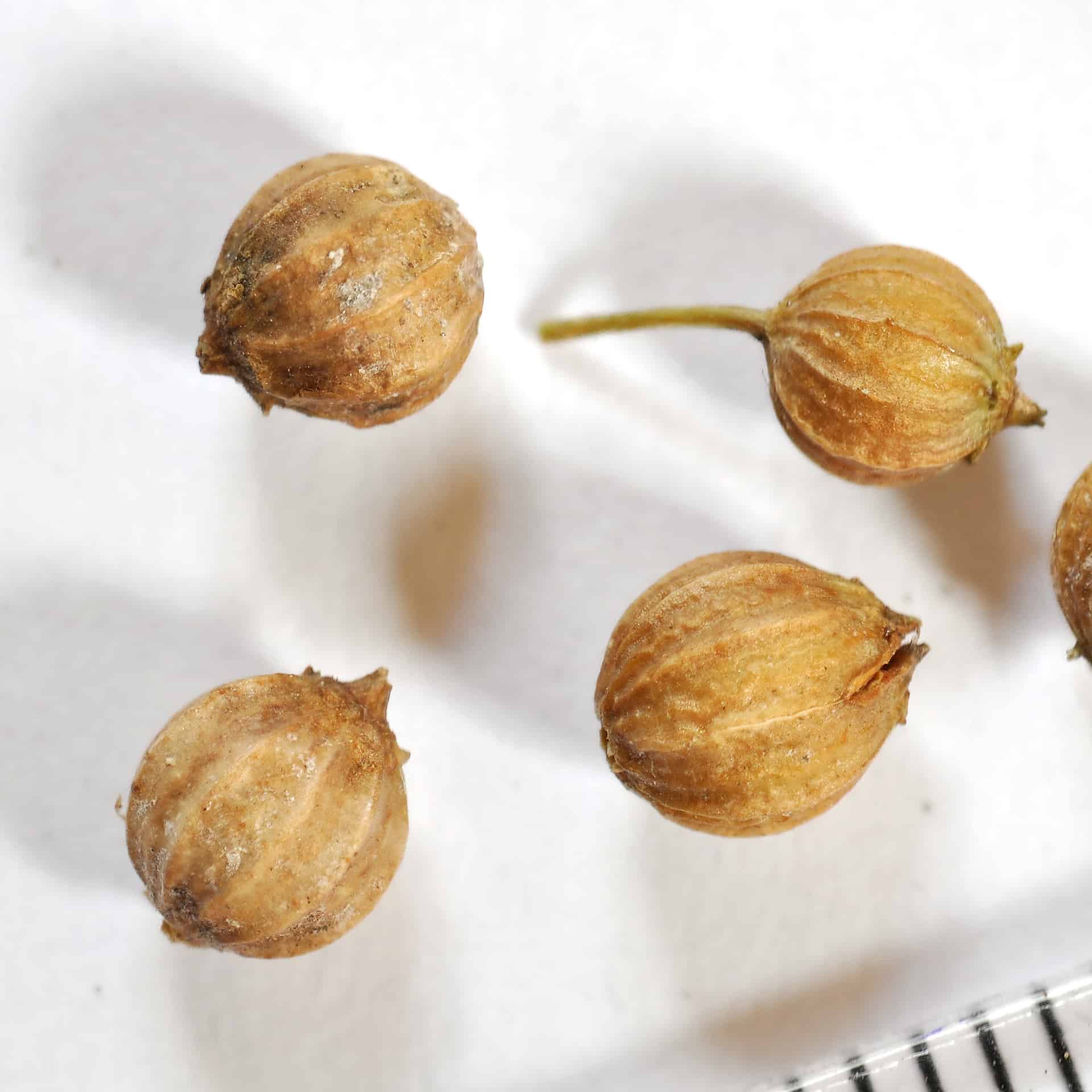
When the flowers go to seed and the heads turn brown and dry, you can trim them off the plant. Yet, we do not recommend waiting too long as the stems can flop and spill the seeds.
Place the seed heads upside down in a paper bag and leave it for a few days to split open to release the cilantro seeds.
Leave the cilantro seeds to dry in a cool spot from direct sunlight.
Place the seed in a container with a date, which can last a few years.
Growing Cilantro Microgreens
Now that you know how to harvest the cilantro seeds, you may have more coriander seeds. You can use fresh or dried for your cooking.
But you can also grow them as microgreens. It is the best microgreen you can grow inside your home.
Before planting cilantro seeds, you can crush them between your fingers to remove the husk. You can also soak the cilantro seed overnight in water to help increase seed germination.
Choose a container with enough drainage holes to grow your cilantro seeds.
Then choose the right potting mix for growing herbs and vegetables indoors. Something like a compost and vermiculite blend is ideal.
Then place two seeds or more in a planting hole, and once seeds germinate, forming seedlings, you can remove some, leaving only the stronger ones.
Water lightly, allowing the soil to settle, and cover the top using plastic wrap to keep the moisture inside. When the seedlings reach the top of the soil, remove the wrap.
Place the seedlings in a sunny spot to receive six hours of light, or use a grow light.
Add some diluted water-soluble fertilizer once a week, and in winter, create a humid environment using a pebble tray.
After 30 days, your cilantro is ready to harvest and enjoy in your food.
Cilantro Varieties
When growing cilantro, you can find several varieties to grow from seed heads.
Leisure
Cilantro is very popular for its flavor, and it is bolt-resistance taking up to 55 days to become a mature plant.
Longstanding
The longstanding cilantro variety grows tall and is slow to bolt, reaching mature plants in 60 to 90 days.
Calypso
The Calypso is another slow variety that matures up to 55 days and will not seed until 150 days.
Santo
It is sold as the standard cilantro and has excellent bolt resistance reaching maturity in 55 days.
Cruiser
The cruiser has an upright growth with strong stems and reaches maturity in 55 days.
Common Pests and Plant Diseases

While cilantro is fairly resistant to disease and pests, too much moisture in the soil results in root rot, and the strong fragrance of the flowers repels most pests. Some common pests on the plant are aphids and leaf hoppers.
To fight pest infestations, it helps to use insecticidal soap to make it safe to eat the plants.