Yes, the cold weather is here, and with the festive season comes Christmas, a time to spend with family and friends. You deck up the halls to a Christmas tree with Holly.
Now is also a great time of the year to add the Dahoon Holly tree to your yard, as it symbolizes Christmas.
Those sharp leaves symbolize the crown of thorns on Christ’s head and the berries represent His blood, while the evergreen quality is metaphoric of eternal life. Still, with their symbolic meaning, it remains a gorgeous tree to have to add color to the garden.
More About Dahoon Holly Plant
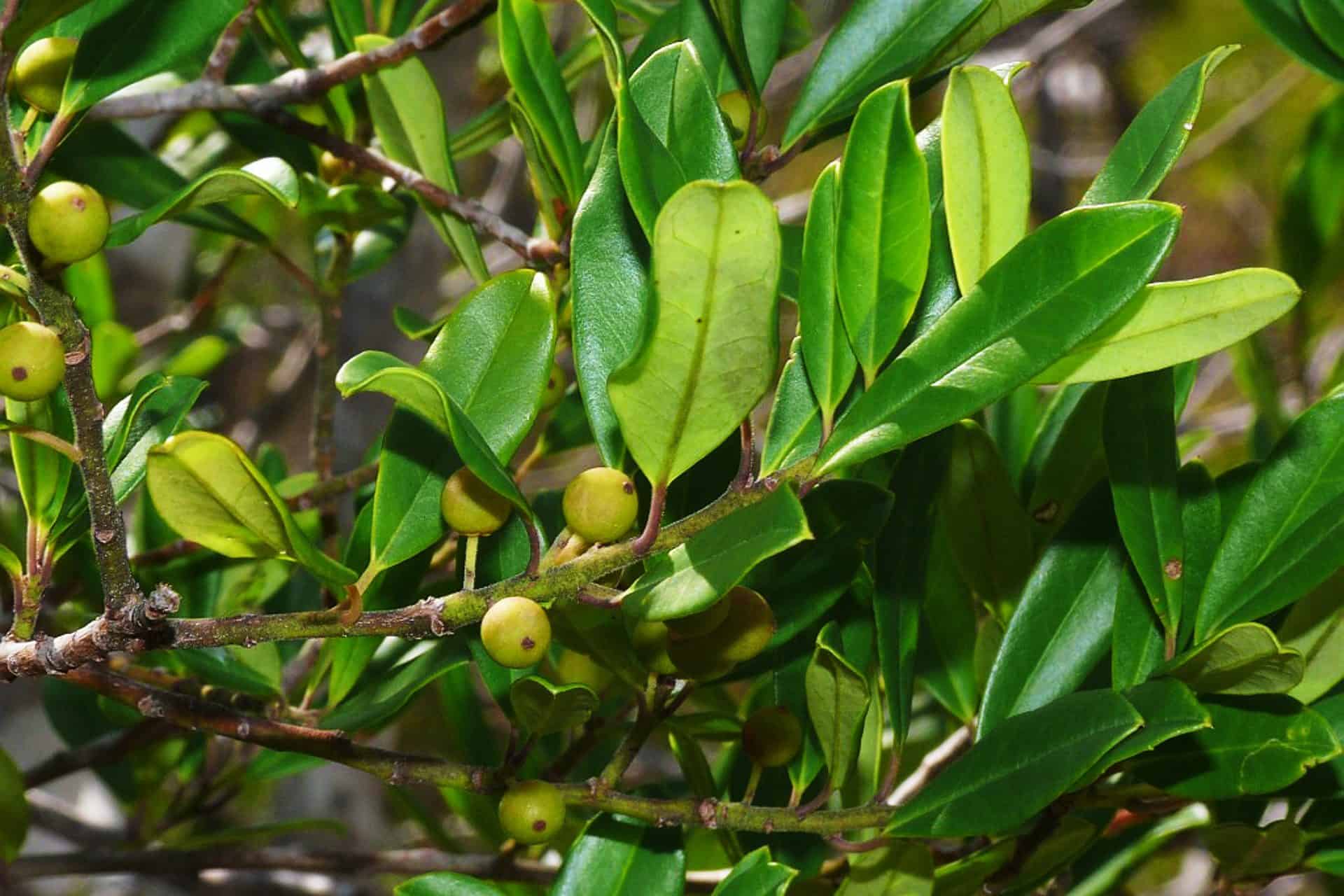
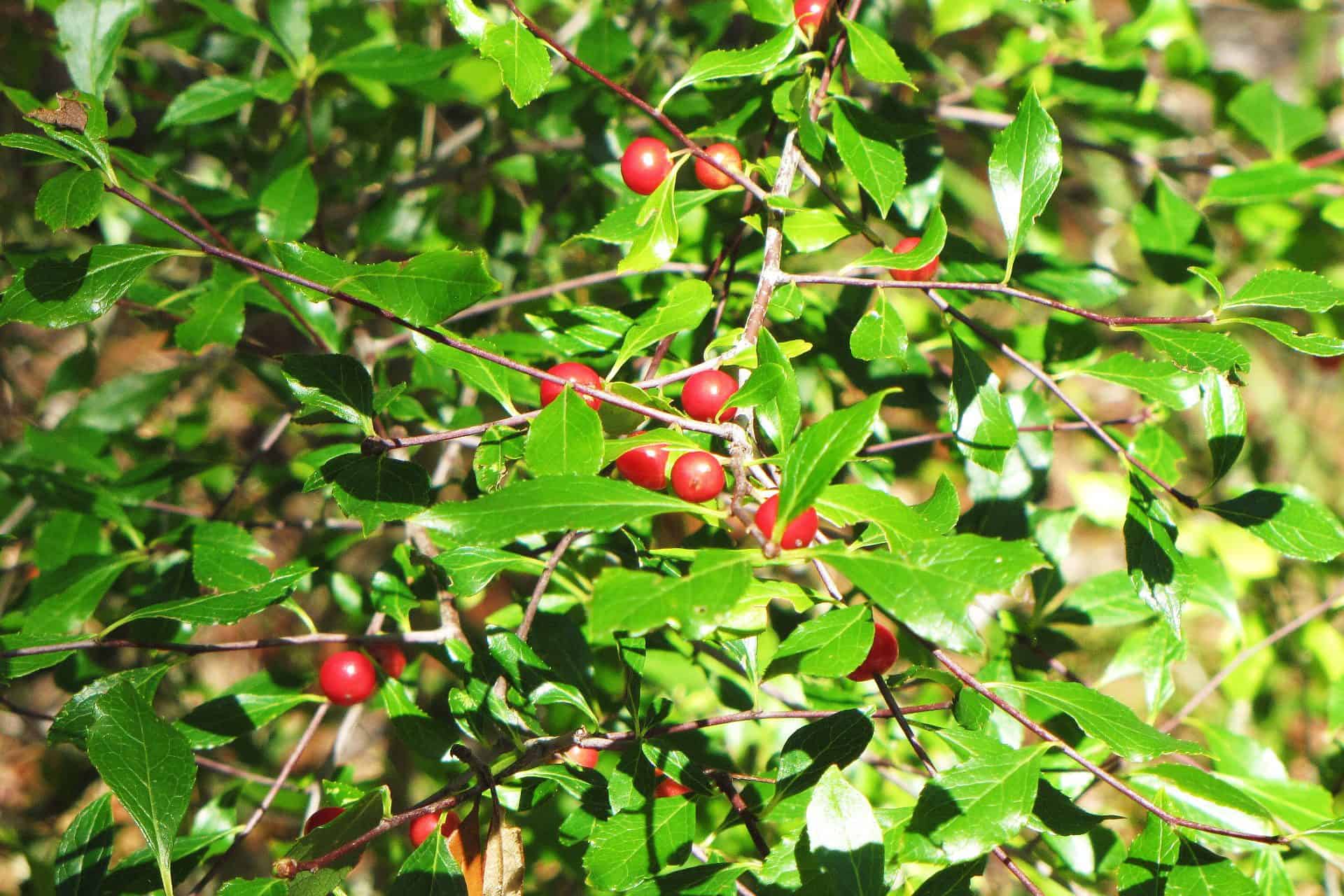
Ilex cassine or Dahoon Holly grows best in native soil types of the Southeastern United States to add color to the landscaping. It is a low-maintenance evergreen broadleaf tree. The foliage displays glossy dark green leaves, but it does lack one thing the spiny edges found on most other hollies.
You can grow them as shrubs or a small tree, training one leader to grow as a trunk. The female flowers are white in spring, followed by red berries. You see the berries persisting through winter, attracting wildlife.
The plant indoors can handle some hard pruning, as seen in the Bonsai culture. It also has a moderate growth rate of about 20 inches per year. Still, like many other holly species, the berries contain saponins and are mildly toxic to humans and animals, causing digestive upset.
Dahoon Holly Trees Planted Care
The Dahoon Holly belongs to the Aquifoliales family, and the mature size is 30 feet tall. The tree also needs plenty of space to spread and grow. Hence, you can grow them as a screening hedge and place them closer together. The important thing is to dig a hole in the depth of the container but at least three times wider.
Dahoon Holly Plant Care and Soil Types
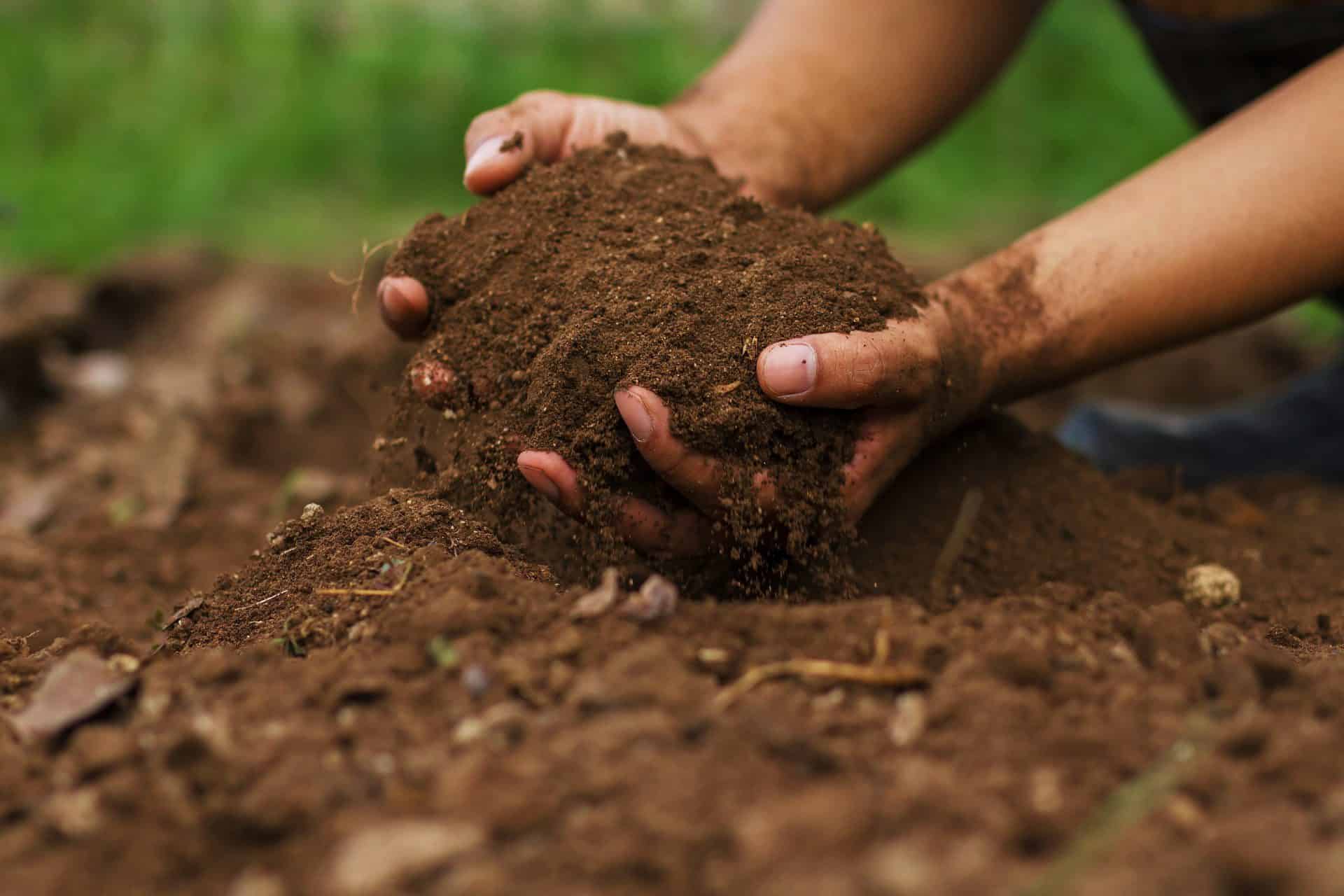
The Ilex cassine thrives in soil that retains moisture. The reason is that the plants grow naturally in damp woodlands, swamps, and bogs on Florida Gulf Coasts to Texas. You can increase your Cassine Holly in loam, sandy, or clay soils, but it will need regular watering.
Another essential thing when planting your tree is to press the soil to prevent air pockets lightly.
Full Sun Best Ilex Cassine

The Dahoon Holly needs full sun but can also do with partial shade. The important thing is to provide your plants with six hours of direct sunlight during the day.
Watering Schedule
As important as providing your small tree with full sun to partial shade, the root ball needs moist conditions to grow. The reason is that the plant grows in moist woods in boggy areas.
We recommend after planting, cover the ground with two inches of organic matter to help retain moisture.
During the first year, water well, especially in periods of drought. Not providing moist soils will lead to the roots reaching out for moisture, leaving them stressed.
You may need water often in the growing season of late spring to summer but needs less water in fall and winter.
Temperature and Humidity
While the Dahoon Holly thrives in the USDA zones 7a to 11, it does best in the hardiness zones 8 and 9. When grown in zone 7, you may need to provide some winter protection. You can give some protection using burlap to prevent winter burn on the leaves.
The younger specimens have thin bark and can benefit from protection using the cloth as it prevents animals from gnawing the bark. The plants can tolerate full sun with high humidity levels in coastal regions 10 and 11. But the growth might be a bit subdued as it is mildly salt tolerant.
Fertilizer For Dahoon Hollies
The plant is not a huge feeder but prefers alkaline soil, so an acidic fertilizer will help prevent leaf yellowing, known as chlorosis.
Pruning Your Ilex Cassine
The tree does not need frequent pruning compared to regular moisture. But as with most hollies, it gladly accepts shaping. With pruning, your tree grows strong branches as it grows with an open habit to form a drooping canopy.
The best time to prune your evergreen holly is during winter when your plants are dormant. Doing this allows you to keep the red-orange berries, a food source for small mammals. Of course, you can trim them in summer after flowering, but it will remove the red berries you see in winter.
We recommend removing rubbing to crossing branches to give it a traditional tree effect. You can do this when your plant is young, using the central leader to help serve as a trunk. For a hedge effect, it helps to remove the tips of branches.
Another benefit of pruning is a great option if you grow your Holly in a container as it keeps the plant in the desired shape.
Propagation of Ilex Cassine With Its Gorgeous Red Berries
With full sun and proper watering, your Ilex cassine thrives in consistently moist soil and develops those beautiful dark green leaves.
Still, the exciting thing is that female plants do not need a male pollinator to produce those berries but only need smaller animals and bees to help pollinate.
The fruit is an excellent food source for animals, and they spread the seeds. But you can propagate your tree to gift to another person.
Here are two ways you can do this:
Stem Cuttings
With sharp, sterilized pruners, cut segments from the tips of new branches in mid-summer. These segments can be up to five inches long. Then strip away the bottom leaves and leave some top leaves.
Take the cut end, dip it in rooting hormone, and place it in a pot with perlite and sand. Moisten the soil and put it in a plastic bag.
Leave your containers in a warm location in bright indirect light and inspect weekly to water and open the container daily for air ventilation for about an hour.
After about six weeks, a root system should develop, and you remove the bag and leave it standing in a sunny location in a sunny window. Then, you can pot your cutting outdoors in a warm winter area.
Wait a few months to transplant your young plant to a bigger pot and grow in a sunny location throughout the winter to plant outdoors in spring.
Growing Dahoon Holly From Seed
Growing your plant from seed is not easy, as it can take up to three years of dormancy. The other concern is that you may have male or female plants and not both. So, you will need a male and female tree to develop seeds.
Still, if you want to try it, we recommend peeling off the skin of the ripe fruit during fall. Then break them apart to get entry to the seed. Next, rinse them in cold water and plant them in a tray with some starter potting mix.
Cover the trays with plastic and leave them in a protected area outdoors during winter. It will take loads of patience, up to three years, to repeat the process before it germinates.
Holly Varieties
The Dahoon Holly is only one variety you can grow, and you can find many others. Here are some favorites:
American Holly (Ilex opaca)
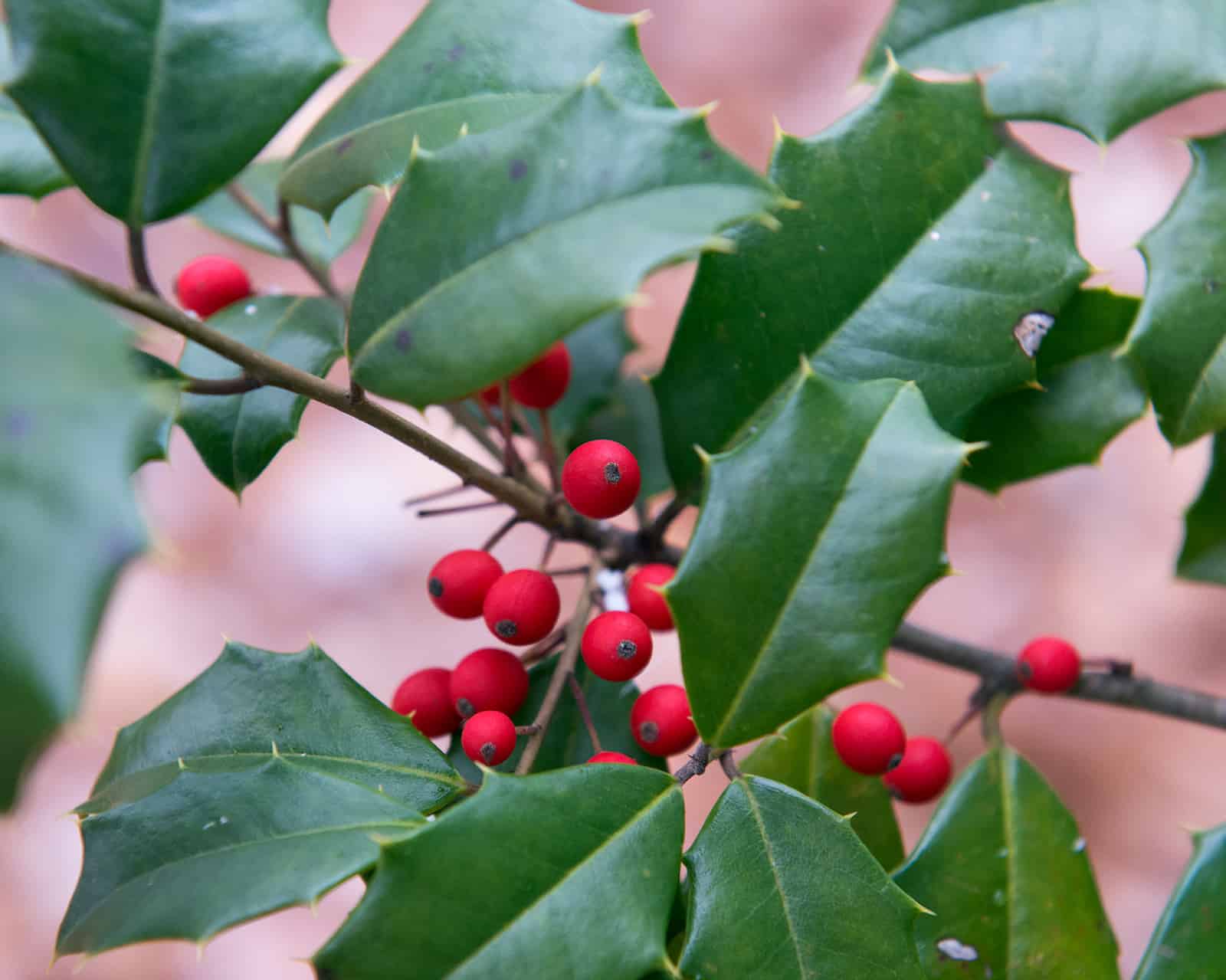
The holly tree is native to North America and does well growing in full sun with its spiny leaves. Different bird species and deer eat the red berries.
Carolina Holly (Ilex ambigua)

The Holly is native to the southeastern United States with full sun and part shade requirements. The leaves have wavy margins, and the fruit is elliptical compared to the American Holly.
Ilex cassine var Angustifolia

It is a deciduous or evergreen tree or shrub with spiny leaves and small white flowers. It grows as male or female plants, while the female tree displays red-orange fruits.
Dahoon Holly Common Diseases and Pests
In most other Holly, you find verticillium wilt and fungus infection to certain insect pests. But the Dahoon Holly is not as susceptible to these much. Occasionally you may see twig gall, a swelling on the twigs or foliage when it does get a fungus infection.
But the growth typically dies back and needs no treatment.
Still, insect pests that can bother your plant are the two-lined spittlebug leaving trails of excretion when feeding on the leaves. You may find tree dropping leaves with severe infestations.
You can blast some water on the leaves to dislodge the bug and carefully remove anything beneath your tree to prevent a new infestation. In addition, you may find leaf miners to scale insects feeding on the foliage.
So, provide your trees planted with regular watering as dry conditions will most likely bring these pests.