Growing your asparagus at home can be a rewarding and delicious experience. While most people grow asparagus outdoors, it is possible to grow them indoors.
We will discuss everything you need to know about growing asparagus at home, including when and where to plant, how to care for them, and more. The best part is that it has loads of health benefits.
Plant Name: Asparagus officinalis
Other Name: Asparagus
Plant Type: Asparagus is a perennial vegetable
Native Areas: Europe and Africa
Light Requirement: Full sun
Watering: Moderate
Fertilizer: Balanced organic fertilizer
Toxicity: Berries toxic to humans
Temperature: Warm
Propagation: Division or seeds
Growth: 4 ft. tall, two ft. wide
Soil Type: Loamy sandy soil
USDA Hardiness Zones: 3-10
More About Asparagus Plants
Asparagus, scientifically known as Asparagus officinalis is a hardy perennial vegetable that emerges in spring as tender green spears from crown roots planted the previous year. Native to the eastern Mediterranean and Asia Minor areas, it grows best in USDA Hardiness Zones 3-9.
Today, major commercial production regions include California, Washington, and Michigan.
Quick Guide For Homegrown Asparagus Plants
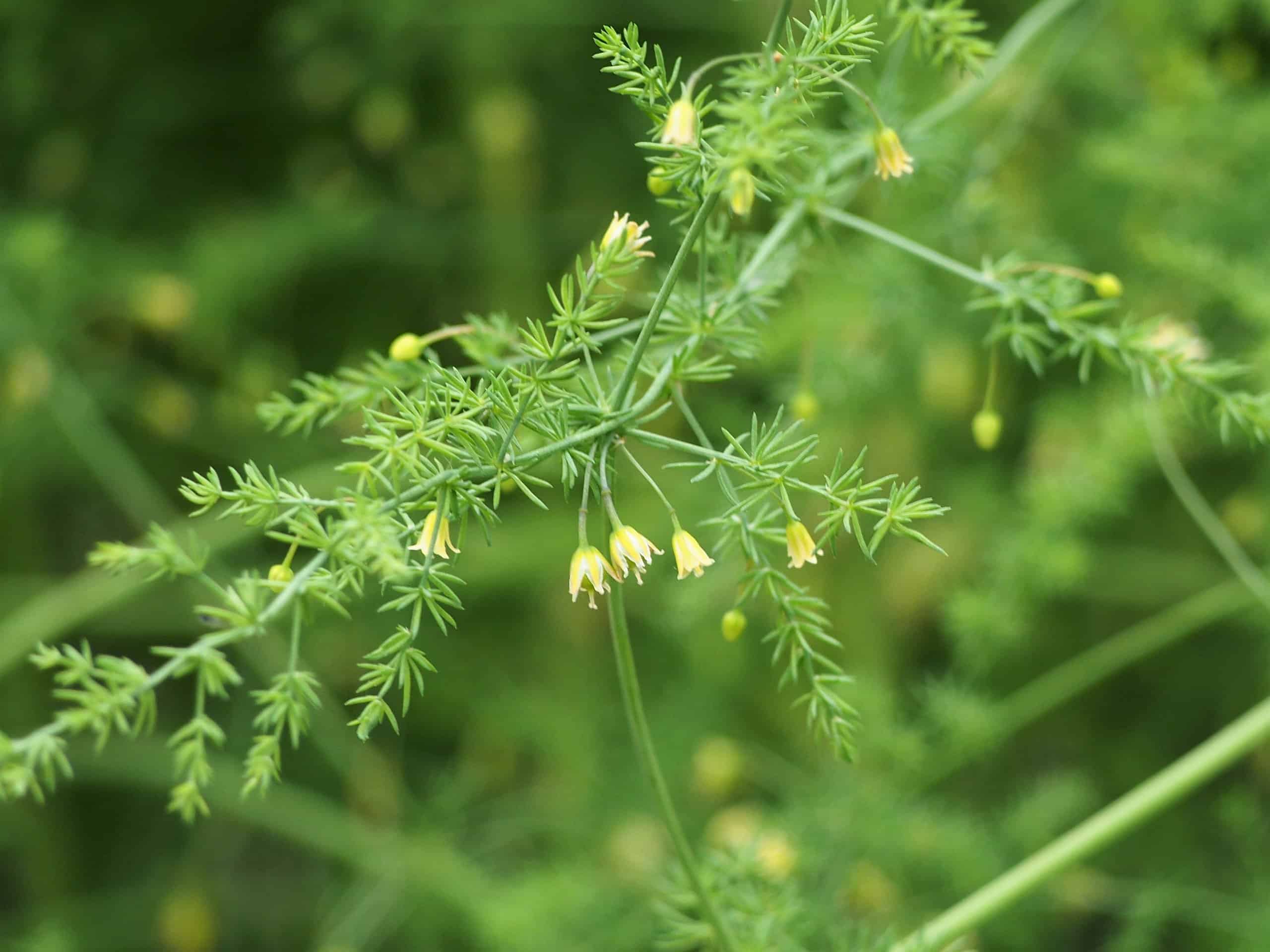
While you can grow them in an asparagus bed, it is possible to grow them indoors. Here are some quick care tips:
Choose a variety that is suitable for indoor growing.
Plant them in a large container with well-drained soil.
Provide enough sunlight and water to ensure healthy growth.
Harvest spears that grow from the asparagus crowns when they are about 6-8 inches tall.
How to Plant Asparagus
When planting asparagus, there are a few things to remember. As mentioned earlier, asparagus can be grown outdoors as a patch or indoors as a potted plant. Yet, regardless of whether you are planting them outside or inside, there are a few things to keep in mind.
When to Plant Asparagus Crowns
Asparagus should be planted in the early spring once the soil has warmed up and the threat of frost has passed. In warmer climates, you can also grow them in the early fall.
This timing is crucial for the asparagus to grow well. For indoor planting, crowns can be done at any time throughout the year. Still, you must provide them with grow lights and the proper temperature control.
Where to Plant
Asparagus prefers well-drained soil that is rich in organic matter. These plants need at least six to eight hours of direct sunlight daily. You should also ensure that your chosen area has good air circulation to prevent diseases. This applies to indoor and outdoor plants.
Spacing and Support
Lastly, it’s essential to pay attention to spacing and support. Asparagus needs plenty of space to grow, so plant them at least 18-24 inches apart.
They also require support to prevent the asparagus stalks from falling over, so consider using stakes or a trellis to keep them upright.
You can enjoy a bountiful harvest of fresh asparagus in no time by taking these steps. So, for indoor planting, you will need a container that spreads in length with a wide width.


Steps to Start an Asparagus Bed Indoors
Asparagus is a herbaceous perennial vegetable that can be grown indoors but requires a fair amount of space and sunlight. It would be best to have an enormous container with drainage holes, potting soil, asparagus crowns, and a sunny location to plant indoors.
Here are the steps to follow:
Choose a large container with drainage holes and fill it with potting soil. Asparagus has deep roots, so the container should be 18 inches deep.
Plant the asparagus crowns in the container. Crowns are the root system of the asparagus plant and can be purchased at a garden center or online. Plant them about 8 inches apart and cover them with 2 inches of soil.
Water the soil thoroughly and place the container in a sunny location. Asparagus needs at least 8 hours of direct sunlight a day.
Keep the soil moist but not waterlogged. Asparagus needs consistent moisture but doesn’t like sitting in water.
Fertilize the plants every few weeks with a balanced fertilizer. Asparagus is a heavy feeder and needs plenty of nutrients to grow.
Harvest the asparagus when it reaches about 8 inches tall. Cut asparagus spears off at ground level and let the plant grow. Asparagus can be produced for up to 20 years if cared for properly.
That’s it! You can enjoy fresh asparagus from your indoor garden with some care and attention.
How to Care for Asparagus

Great, now that we have covered how to start an asparagus patch indoors, let’s look at the care details closer.
Important Note: When it comes to the asparagus, you find them available as either female plants or male plants. When growing asparagus successfully, choose the male plants as they produce tasty spears to eat. Still, you can plant female asparagus plants to produce seeds.
Growing Asparagus and Soil
When growing asparagus, the soil is an essential factor to consider. Asparagus thrives in well-draining soil that is rich in organic matter. Ideally, the soil moisture and pH should be between 6.5 and 7.5. You can add some compost to mix with the soil.
Light
Asparagus needs plenty of sunlight to grow, so place them in a location that gets at least 6-8 hours of direct sunlight daily. If you are growing them indoors, consider using grow lights to provide enough light.
Watering Asparagus Seedlings
Watering seedlings indoors can be tricky as they require a specific amount of moisture to grow and thrive. It’s essential to keep the asparagus beds consistently moist but not overly saturated. One way to ensure proper watering is to use a spray bottle to mist the soil and seedlings regularly.
You can also use a watering can with a fine spout to gently water the soil. Avoid watering from above, as this can damage the delicate seedlings. Also, frequently check the soil’s moisture level and adjust your watering schedule accordingly.
Asparagus typically requires about one inch of water per week, varying depending on temperature and humidity levels.
Hot Tip: You can also grow them indoors with perennial vegetables with the exact care requirements.

Temperature and Humidity
When it comes to growing asparagus indoors, it is essential to maintain a temperature range between 60-70°F (15-21°C) during the day and a cooler temperature of 50-60°F (10-15°C) at night.
Asparagus also prefers a humidity level of around 80%, so you may need to consider using a humidifier to achieve the ideal conditions for your plants.
Also, proper ventilation and air circulation can help prevent disease and promote healthy growth.
Fertilizing Asparagus
Fertilizing an asparagus bed indoors can be tricky, but it can be done.
You’ll need to ensure a good quality potting mix high in organic matter and nutrients. Add some compost or well-rotted manure to the mix for an extra boost.

When fertilizing, it’s essential to use a balanced fertilizer that contains equal amounts of nitrogen, phosphorus, and potassium.
You can apply the fertilizer once a month during the growing season, being careful not to over-fertilize as this can lead to burn and damage to the plants.
Ensure you water the plants thoroughly after fertilizing to help the nutrients reach the roots.
How to Prune Asparagus Patch
Pruning asparagus is an integral part of growing this vegetable. It involves cutting down the stems of the plant to promote new growth and improve the overall health of the plant.
The best time to prune asparagus is in the late fall or early winter after the foliage has died. Cut the stems down to the ground and dispose of the old foliage.
This will help prevent plant diseases and pests from overwintering in the plant and ensure your asparagus stays healthy and productive for years.
How to Propagate Asparagus
Asparagus can be propagated by dividing the crowns in the spring before new growth appears. Make sure to sow seeds and to replant the crowns immediately after separating them.
Here are some steps you can follow:
Start by selecting healthy plants with solid and thick roots.
In the early spring, carefully dig up the plants once the soil has warmed up and the plants have grown.
Gently clean the origins of the asparagus plant to remove any excess dirt or debris.
Use a sharp knife or garden shears to cut the roots of the asparagus plant into sections about 2 to 3 inches long. Each team should have at least one bud or shoot.
Fill a pot with good-quality potting soil and plant the asparagus root sections. Make sure to plant them at the same depth as they were in the ground.
Water the newly planted asparagus roots well and place the pot in a warm, sunny location.
Keep the soil moist and wait for the new asparagus shoots to emerge. This can take several weeks.
Once the new plants have grown to about 6 inches tall, they can be transplanted into a larger pot or directly into the garden.
Give the newly transplanted plants plenty of water and keep the soil moist until established.
Types of Asparagus Plants
Asparagus plants have three main types: green, white, and purple. Green asparagus is the most common variety, while white asparagus is grown in the dark to prevent the development of chlorophyll. Purple asparagus is a newer variety that is sweeter and less fibrous than green.
Harvesting and Storing Asparagus
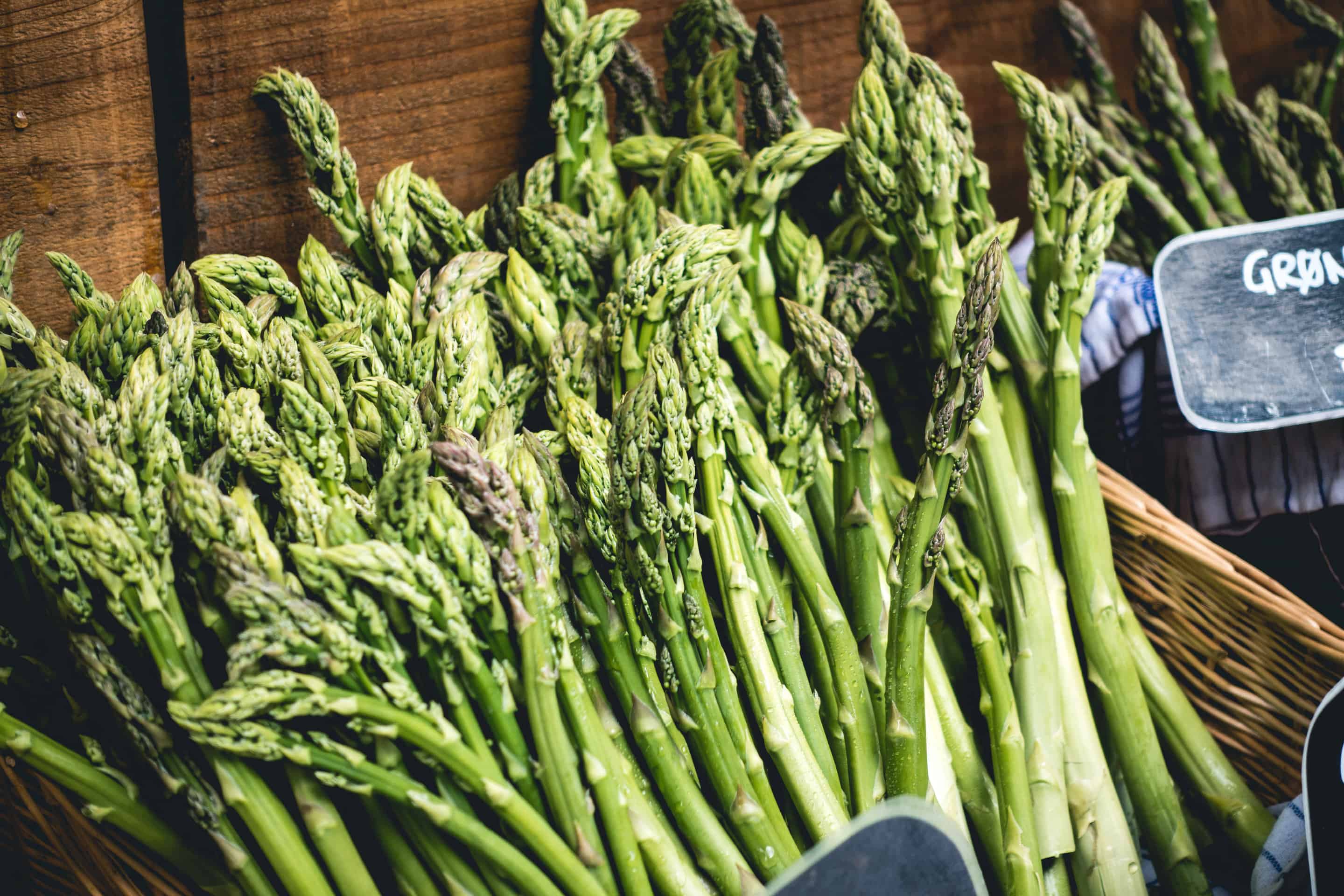
Harvesting asparagus can be done once the spears are around 6-8 inches tall. Gently snap the spear at ground level, or use a knife to cut it just below the soil surface. Be careful not to damage any surrounding spears or the asparagus crown.
To store asparagus, wrap the spears in a damp paper towel and place them in a plastic bag in the refrigerator. Alternatively, you can stand the spears upright in a container with about an inch of water and store them in the fridge.
Asparagus is best consumed within a few days of harvesting for maximum freshness.
Common Asparagus Pests and Diseases
Asparagus plants are susceptible to various diseases and pests, including asparagus beetles, rust, and fusarium wilt. Monitor your edible plants regularly and take appropriate measures to prevent and treat problems.
Whether you want to buy, sell, or reach out to other plant enthusiasts, Plantly is the right place to be!