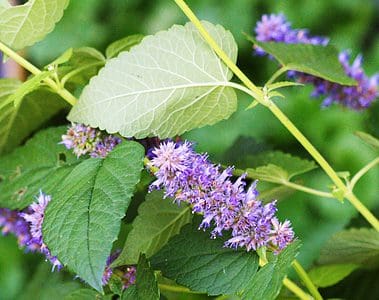
Peppermint, a beloved herb cherished for its fresh flavor and aromatic leaves, is a versatile addition to any garden.
This herb offers culinary and medicinal benefits, from brewing soothing peppermint tea to drink for an upset stomach, adding to fruit salads and chewing gum, and extracting refreshing peppermint oil.
People use peppermint regularly for muscle and nerve pain, and it is a hardy plant grown in the home garden. You only need a few leaves for peppermint tea.
Whether you’re an aspiring gardener or a seasoned herbalist, this comprehensive guide will equip you with the essential knowledge to grow peppermint successfully throughout the season in an herb garden.
Peppermint Plants Care Guide Table
Plant Name: Mentha x piperita
Other Name: Peppermint mint
Plant Type: Herbaceous Perennial
Native Areas: Europe and Asia
Light Requirement: Full sun to partial shade
Watering: Keep soil consistently moist
Fertilizer: Balanced fertilizer during the growing season
Toxicity: Non-toxic to humans and pets
Temperature: 65°F and 85°F (18°C to 29°C)
Propagation: Stem cuttings or root division
Soil Type: Well-draining, fertile soil
USDA Hardiness Zones: 3-11
What is Peppermint Plant
Peppermint, scientifically known as Mentha x piperita, is a hybrid mint that combines the best traits of its parent plants, watermint (Mentha aquatic) and spearmint (Mentha spicata).
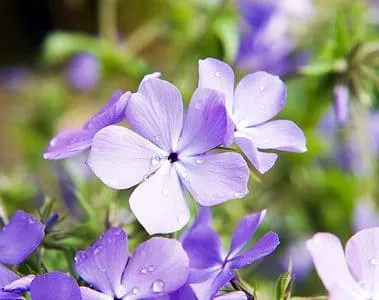
This herbaceous perennial is renowned for its dark green leaves, reddish stems, and vibrant purple flowers and belongs to the Mentha genus.
While native to Europe and Asia, peppermint has found its way into gardens worldwide, captivating gardeners with its fresh lime scent and culinary versatility.
In USDA Zones 3-11, peppermint thrives in various climates, making it a versatile and rewarding addition to any garden.
Quick Care Guide Growing Peppermint Plants
Plant peppermint in full sun and aim for at least 4-6 hours with some partial shade daily. Promotes flavorful leaves and overall plant vigor.
Choose good draining soil enriched with organic matter. Supports healthy plant growth and moisture retention. For clay soil, amend it with some organic matter.
Ensure it has moist soil through regular watering. Avoid overwatering to prevent root rot.
Apply balanced fertilizer during the growing season. Ensures healthy root development and flavorful leaves.
Optimal range between 65°F and 85°F (18°C to 29°C). Good air circulation prevents fungal diseases.
Use stem cuttings or root division for propagation. Enhances garden biodiversity and plant quantity.
Monitor for pests like spider mites and mint rust. Use organic pest control methods to maintain the flavor.


Peppermint Plant Care
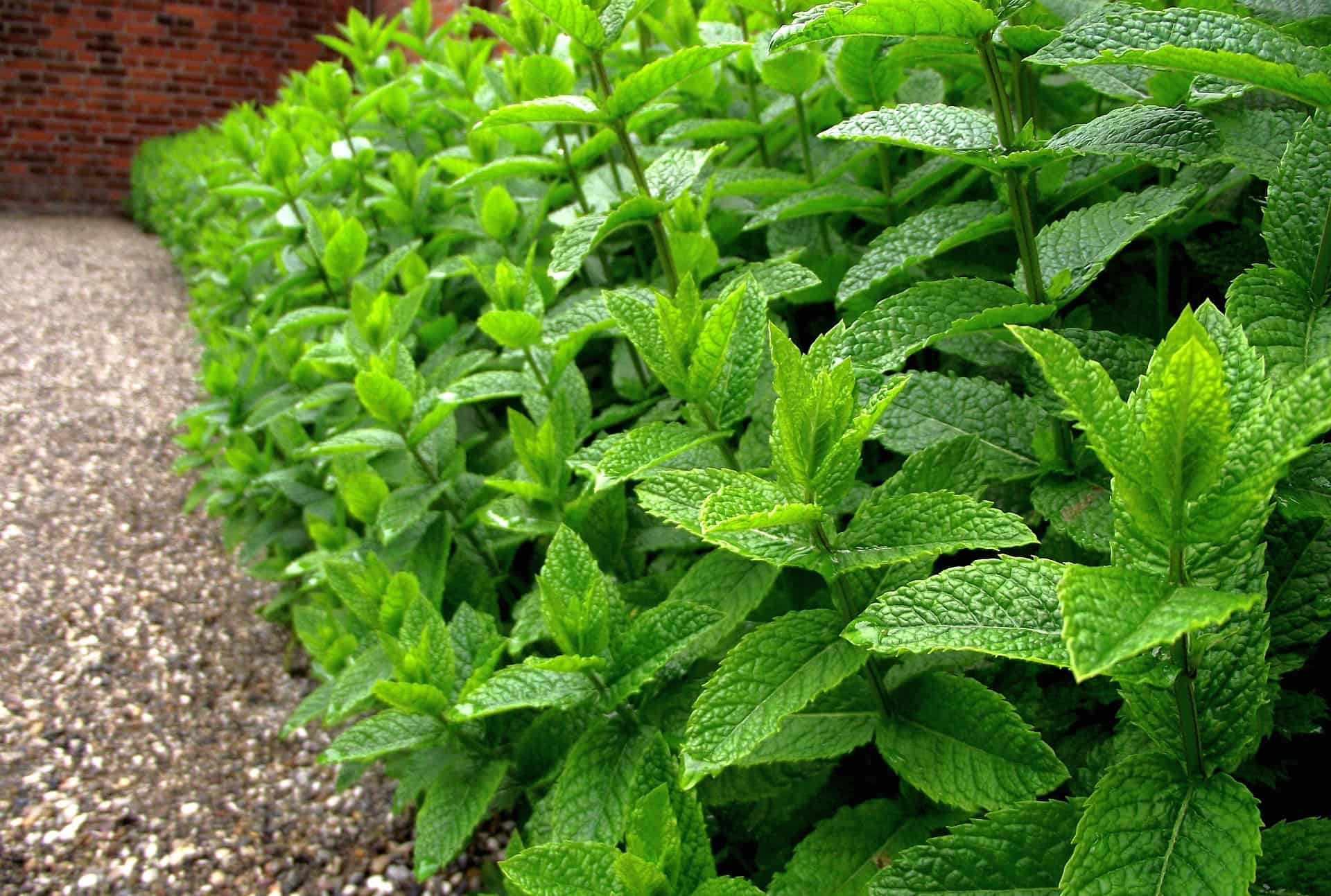
Embarking on the mint plant care journey can be exciting and rewarding. This tasty herb, known for its fresh lime scent and culinary applications, requires attention to specific aspects such as light requirement, soil type, and watering.
Understanding these key elements ensures your peppermint plants thrive, offering a consistent supply of flavorful peppermint leaves. Whether you’re a seasoned gardener or a novice, we delve into the essential care practices tailored to support healthy plant growth, maximize flavor, and mitigate common challenges.
Soil and Water For Mentha x Piperita
Ensuring optimal soil conditions is paramount when caring for peppermint plants. These aromatic herbs thrive in soil that retains moisture without becoming soggy, striking a delicate balance that supports their growth and flavor.
Incorporating organic matter such as compost proves beneficial to enhance the soil’s quality. This addition enriches the soil structure and improves its water retention capabilities. Keeping the soil moist is essential in promoting robust root development in peppermint plants.
As the roots delve deeper into the nutrient-rich soil, they establish a strong foundation for the plant, facilitating efficient nutrient absorption and overall plant health.
Moreover, maintaining adequate soil moisture levels in your herb garden sustains the plant through the growing season, ensuring it remains vibrant and productive.
Light
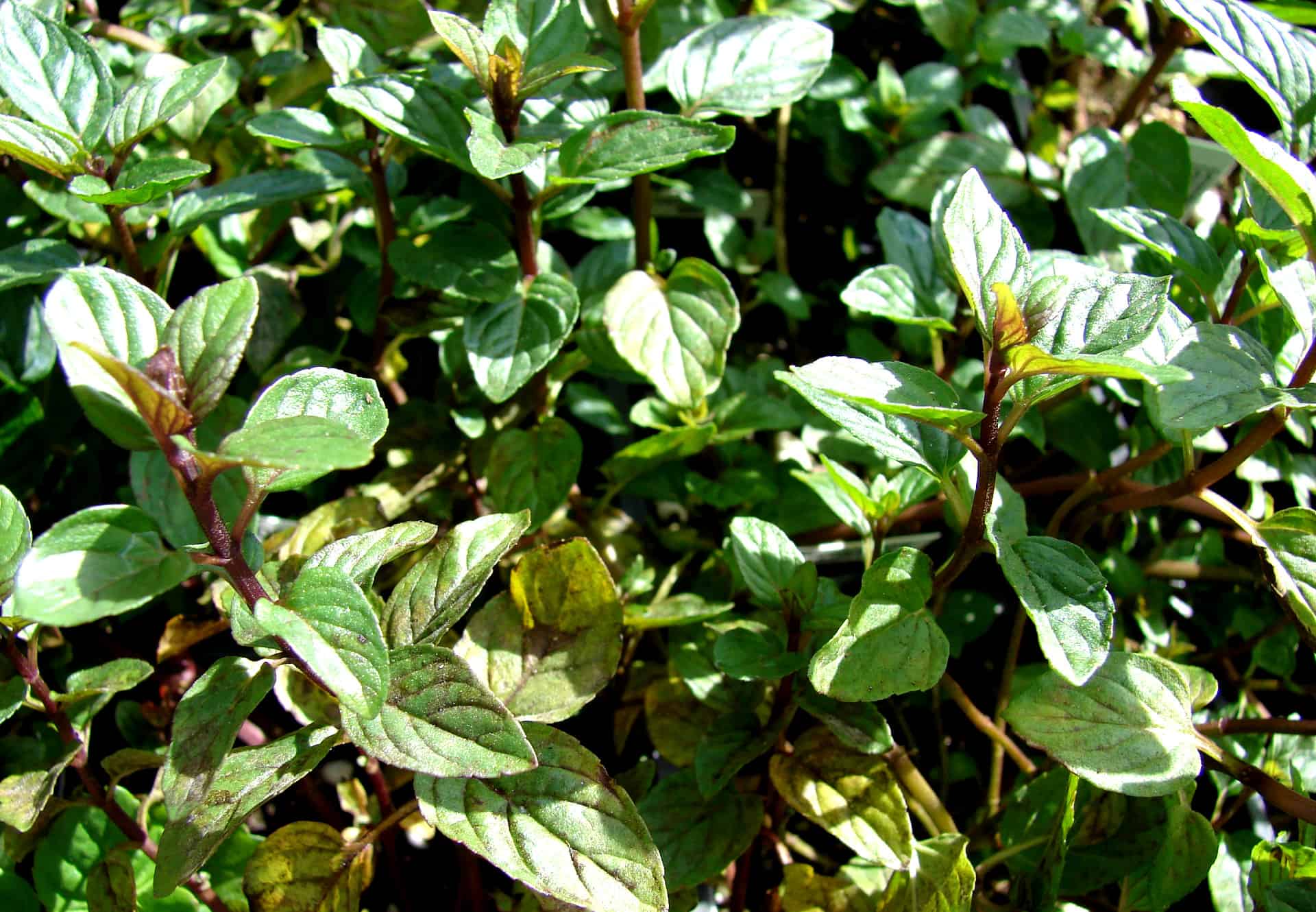
Peppermint plants prefer full sun to partial shade, a crucial factor to consider when determining their placement in your garden or outdoor space. Selecting a location that garners at least 4-6 hours of direct sunlight daily is advisable.
This exposure catalyzes essential oil production in the peppermint leaves, enriching them with the characteristic aroma and flavor that peppermint is renowned for. While peppermint plants can tolerate partial shade, it’s essential to prioritize adequate light exposure to ensure their healthy growth and maximize the development of their flavorful leaves.
Insufficient sunlight may compromise the plant’s vitality, potentially leading to diminished essential oil production and less aromatic foliage. You’re fostering the plant’s healthy growth and enhancing its culinary and medicinal potential by providing optimal light conditions.
The interplay of sunlight and shade creates a harmonious environment where peppermint plants can thrive, yielding peppermint leaves rich in essential oils that elevate your culinary endeavors and herbal preparations.
Temperature and Humidity
Peppermint plants are renowned for their resilience, capable of thriving across a broad temperature spectrum. They exhibit robust USDA Zones 3-11 growth, showcasing their adaptability to diverse climatic conditions.
Yet, these aromatic herbs truly flourish within a moderate temperature range, ideally between 65°F and 85°F (18°C to 29°C). Within this temperature sweet spot, peppermint plants exhibit vigorous growth, ensuring the development of flavorful peppermint leaves rich in peppermint essential oil.
In addition to temperature considerations, maintaining adequate air circulation around the plants is paramount for their optimal health. Effective air movement minimizes the risk of powdery mildew and other fungal diseases that often increase in humid conditions.
Ensuring air circulation in the herb garden creates an environment where peppermint plants can thrive, minimizing the potential challenges common garden ailments pose.
Fertilizer

During the growing season, peppermint plants benefit from a balanced fertilizer application. Opt for a fertilizer with equal nitrogen, phosphorus, and potassium to support vigorous growth and robust peppermint leaves. Over-fertilization should be avoided in your herb garden, as it can lead to excessive foliage at the expense of peppermint oil quality.
How to Propagate Peppermint
Propagation offers an excellent opportunity to expand your peppermint garden without investing in new plants. You can create multiple thriving peppermint plants from a single parent plant using stem cuttings or root division. Here’s a step-by-step guide to propagation:
Identify a robust and healthy peppermint plant with vibrant foliage and strong stems. Healthy parent plants ensure the success of the propagation process.
Equip yourself with sharp, sterilized garden shears or scissors to ensure clean cuts, reducing the risk of infections in the cuttings.
Fill small pots or containers with soil that drains well and is enriched with organic matter. Ensure the containers have drainage holes to prevent waterlogging.
Locate a section on the parent plant with a healthy stem. Snip a 4-6 inch (10-15 cm) segment below a leaf node using your sterilized garden shears. Remove the lower leaves to expose the nodes.
Insert the prepared cuttings into the soil, ensuring at least one leaf node is buried. Gently firm the soil around the cutting to provide stability.
Water the newly planted cuttings thoroughly; keep the soil moist but not soggy. Place the containers in a location with indirect sunlight to encourage root development.
Monitor the cuttings over the next few weeks for signs of new growth. Once roots develop and the plants exhibit robust growth, they can be transplanted into larger containers or the garden bed.
Potting and Repotting
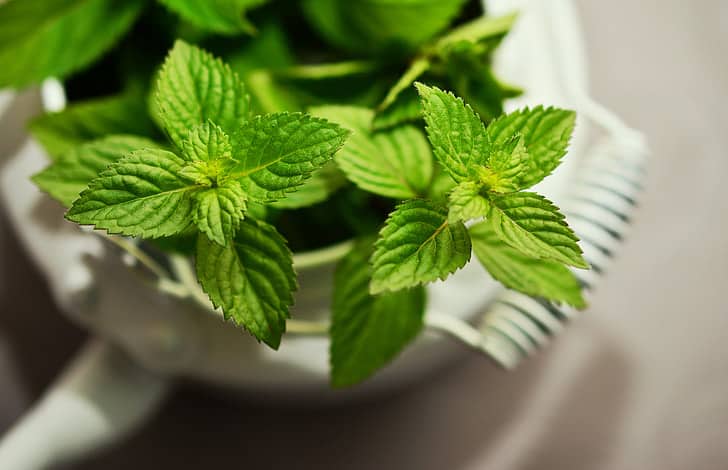
When cultivating peppermint indoors or in containers, selecting the right potting mix is crucial to ensure the plant’s health and vigor. Opt for a well-draining potting mix formulated explicitly for herbs or vegetables.
This specialized mix promotes optimal moisture retention while preventing soggy conditions that can lead to root rot.
As peppermint plants are known for their vigorous growth, repotting is necessary to provide ample space and nutrients. Typically, you’ll need to consider repotting every 2-3 years or when you notice the plant outgrowing its current container.
Steps for Repotting Peppermint Plants:
Assess the Plant: Before initiating the repotting process, assess the plant’s overall health and growth. Look for signs of overcrowding or rootbound conditions, such as roots circling the container’s base.
Prepare the New Container: Select a larger container with adequate drainage holes. Fill it with fresh, well-draining soil, leaving enough space to accommodate the root ball from the existing plant.
Gentle Extraction: Carefully remove the peppermint plant from its current container, being mindful not to damage the roots. Gently untangle the root system to encourage outward growth in the new container.
Positioning in the New Container: Place the plant in the center of the new container, ensuring the soil line matches the previous depth. Backfill with the prepared potting mix, pressing gently to secure the plant.
Watering and Maintenance: After repotting, water the plant thoroughly to settle the soil and promote root establishment. Place the container initially in a location with indirect sunlight, gradually reintroducing it to its preferred light conditions.
Pruning
Pruning is vital to peppermint plant care, contributing to its overall health, appearance, and productivity. Proper pruning techniques enhance the plant’s aesthetic appeal, stimulate fresh growth, and improve air circulation, reducing the risk of fungal diseases. Here’s a detailed guide on pruning peppermint plants effectively:
Timing for Pruning:
Early Growth Stage: Begin pruning in the early stages of growth, typically when the plant reaches a height of 6-8 inches (15-20 cm). This initial pruning encourages lateral branching and promotes a bushier growth habit.
Throughout the Growing Season: Regularly inspect the plant throughout the growing season, removing any wilted or yellowing leaves, damaged stems, or overcrowded branches. This ongoing maintenance ensures the plant remains vibrant and productive.

Pruning Techniques:
Selective Pruning: Use sharp, sterilized pruning shears or scissors to remove individual stems or branches selectively at a 45-degree angle. Focus on cutting just above a leaf node to encourage new growth.
Thinning Out: Periodically thin out dense areas within the plant to improve air circulation and light penetration. Remove older stems or those growing inward, prioritizing younger, healthier growth.
Deadheading Flowers: If your peppermint plants produce flowers, regularly deadhead them by snipping off the spent blooms. This prevents the plant from expending energy on seed production, encouraging it to focus on leaf growth instead.
Height Control: Maintain the desired height of your peppermint plants by pinching off the branch tips regularly will encourage the plant to grow more branches and leaves, creating a bushier shape and increasing the usable harvest.
Aftercare:
Watering: After pruning, water the plant gently to minimize stress and promote recovery. Ensure the soil remains moist but not waterlogged in the days following pruning.
Fertilization: Consider applying a balanced fertilizer after pruning to provide the plant with essential nutrients, supporting vigorous regrowth and overall health.
Peppermint Cultivars
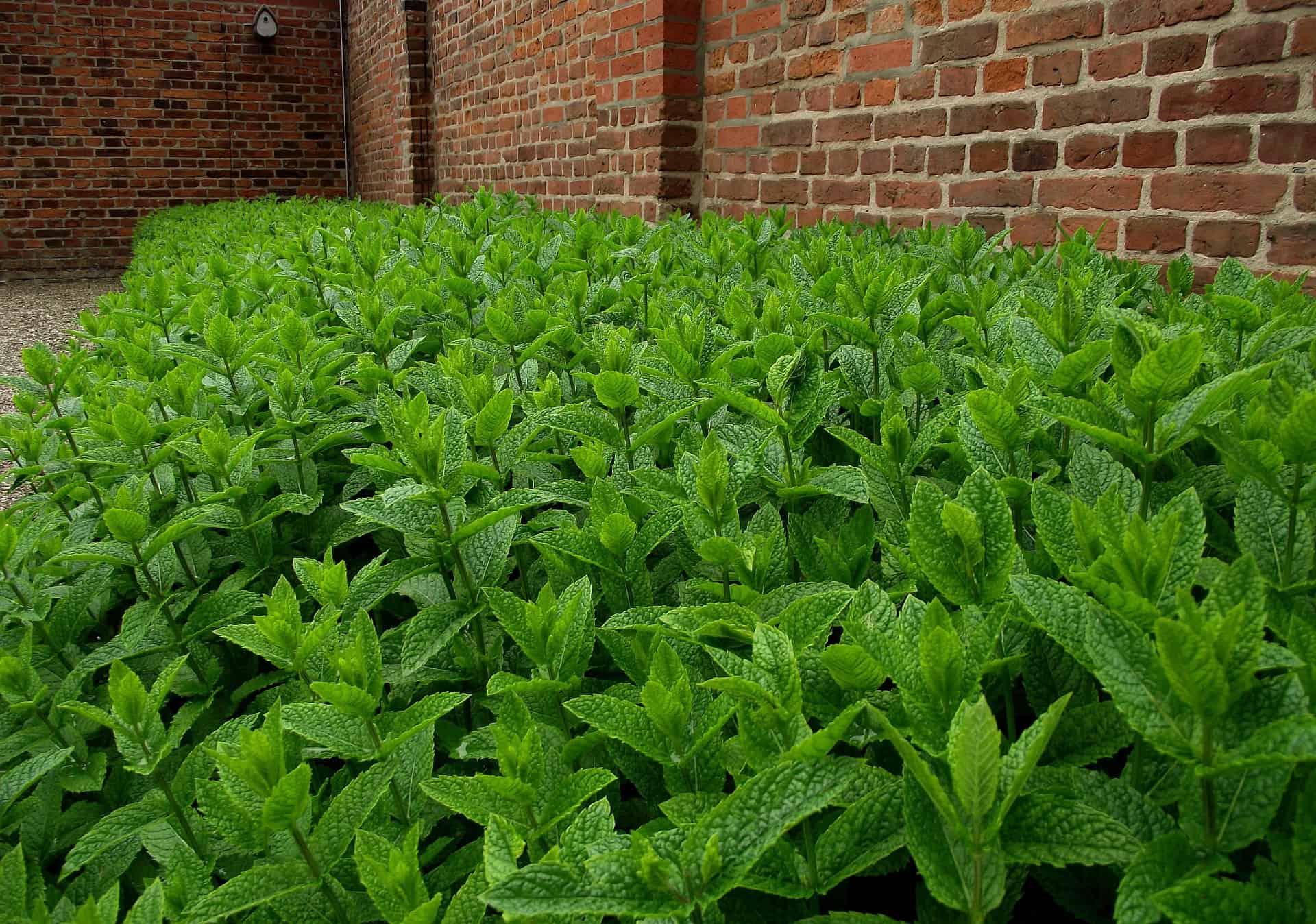
Peppermint, a beloved herb renowned for its refreshing flavor and aromatic leaves, boasts several cultivars that offer unique characteristics suited to diverse gardening preferences and culinary applications. All these mint plants possess distinct attributes, ranging from flavor profiles to growth habits.
Mentha × piperita ‘Black Mitcham’: Known for its intense and aromatic flavor, ideal for culinary uses.
Mentha × piperita ‘Chocolate’: Offers a unique chocolate-mint flavor, perfect for desserts and beverages.
Mentha × piperita ‘Lemon’: Features citrusy undertones, adding a refreshing twist to dishes and drinks.
Mentha × piperita ‘Variegata’: Combines classic peppermint flavor with ornamental variegated leaves.
Mentha × piperita ‘Mitcham’: Boasts a balanced peppermint flavor, versatile for culinary and medicinal uses.
Peppermint Common Pests & Diseases and Troubleshooting

While robust and resilient, peppermint plants occasionally encounter pests and diseases that affect their health and productivity. Recognizing the signs and implementing timely interventions is crucial for maintaining a thriving peppermint garden. Here’s a guide to common pests, diseases, and troubleshooting strategies:
Common Garden Pests:
Aphids:
Signs: Tiny, pear-shaped insects on the undersides of leaves.
Troubleshooting: Use insecticidal soap or introduce beneficial insects like ladybugs to control aphid populations.
Spider Mites:
Signs: Fine webbing on plant stems, leaves, and stippled foliage.
Troubleshooting: Regularly hose down plants and apply neem oil to deter spider mites.
Peppermint Flea Beetle:
Signs: Small, metallic blue-black beetles that feed on plant leaves, resulting in holes.
Troubleshooting: Handpick beetles or use floating row covers to prevent infestations.
Fungal Disease:
Powdery Mildew:
Signs: White, powdery spots on leaves, typically in humid conditions.
Troubleshooting: Ensure air circulation, avoid overhead watering, and apply fungicidal sprays as needed.
Root Rot:
Signs: Wilting foliage, darkened roots, and a foul odor from the soil.
Troubleshooting: Improve soil drainage, avoid overwatering, and treat with fungicidal drenches if necessary.
Mint Rust:
Signs: Yellow-orange spots on leaves, leading to premature leaf drop.
Troubleshooting: Remove and destroy infected plants, ensure good spacing for air circulation, and apply fungicidal sprays.
Prevention Tips:
Regular Inspections: Conduct routine inspections to identify potential pest or disease issues early.
Healthy Soil: Maintain well-drained soil rich in organic matter to promote plant health and resilience.
Crop Rotation: Avoid planting peppermint in the same location year after year to minimize disease buildup in the soil.
How to Grow Peppermint From Seeds
Growing peppermint from seeds offers a rewarding experience, allowing you to witness the plant’s life cycle from germination to maturity. While peppermint often spreads vigorously via underground rhizomes, starting from seeds provides a more controlled and deliberate cultivation method.
Here’s a comprehensive guide to help you grow peppermint from seeds successfully:
Materials Needed:
Peppermint seeds
Seed starting trays or pots
Seed starting mix
Clear plastic wrap or dome
Watering can or spray bottle
Grow lights or a sunny windowsill
Well-draining soil for transplanting
Steps to Grow Peppermint From Seeds:
Seed Starting: Fill seed starting trays or pots with a seed starting mix, ensuring they are clean and sterilized to prevent diseases. Moisten the mix before sowing.
Sowing Seeds: Scatter peppermint seeds evenly across the surface of the moistened mix. Lightly press the seeds into the soil, ensuring they make good contact for optimal germination.
Covering Seeds: Sprinkle a thin layer of seed starting mix or vermiculite over the seeds to coat them lightly. Avoid burying seeds too deeply, as they require light to germinate.
Moisture and Humidity: Mist the surface lightly with water to settle the seeds. Cover the trays or pots with clear plastic wrap or a dome to maintain humidity levels.
Germination: Place the trays in a warm location with indirect light or under grow lights. Peppermint seeds typically germinate within 10-15 days with consistent moisture and temperatures around 65-75°F (18-24°C).
Transplanting Seedlings: Once the seedlings develop their second set of true leaves, they are ready for transplanting. Prepare individual pots with well-draining soil and carefully transplant seedlings, ensuring they are planted at the same depth as in the trays.
Caring for Seedlings: Place the transplanted seedlings in a location with full sun or under grow lights, ensuring they receive at least 6-8 hours of light daily. Keep the soil moist but not soggy.
Regular Maintenance: As the seedlings grow, provide adequate spacing if planting outdoors or repot into larger containers if growing indoors. Maintain consistent moisture levels and monitor for pests or diseases.
Tips for Success:
Temperature: Maintain a consistent temperature range for optimal germination and growth.
Air Circulation: Ensure air circulation around seedlings to prevent damping off or fungal diseases.
Fertilization: Once established, provide a balanced fertilizer to support vigorous growth and abundant leaf production.
Whether you want to buy, sell, or reach out to other plant enthusiasts, Plantly is the right place to be!