One of the most versatile plants in the garden is the holly tree. Recently we have looked at different hollies, but today we want to discuss the Oakland holly tree. The holly tree belongs to the Southern Living Plant Collection.
With the tree, you can add some structure to a landscape.
Plant Name: Ilex hybrid Magland pp14417
Other Name: Oakland Holly, Oakland Oak Leaf Holly
Plant Type: Evergreen Shrubs
Native Areas: Cultivar
Light Requirement: Full Sun Exposure to Partial Shade
Watering: Moderate
Fertilizer: Well-Rotted Manure or Compost
Toxicity: Toxic to Humans and Pets
Temperature: Prefers Cool Temperatures
Propagation: Cuttings
Growth: 15 to 20 feet high
Soil Type: Chalky, Clay, and Loamy
USDA Hardiness Zones: 6-9
More About Oakland Oak Leaf Holly Tree Care
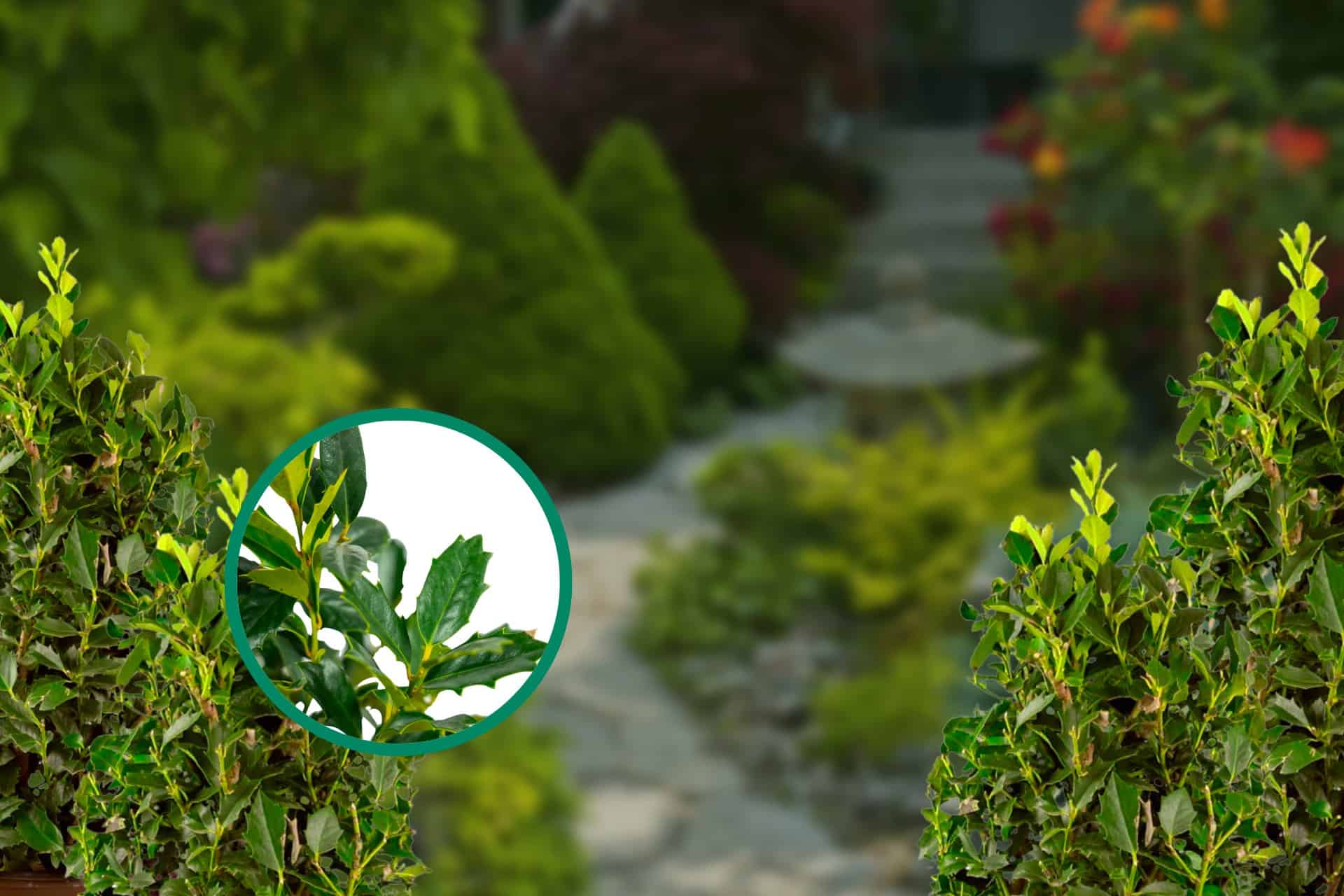
Oakland hollies is a new breed of the tree and an Ilex x ‘Magland’ hybrid. The Oakland holly tree has oak-shaped glossy, leathery leaves deeply lobed, setting them apart from other hollies.
Another fantastic thing about this holly tree is that it is self-pollinating. In spring, you see clusters of creamy white flowers with male and female flowers. Hence, you need not have a male tree for pollination.
Furthermore, you can grow the Oakland holly tree with other hollies for pollination. Once the flowers mature, you see these gorgeous orange-red berries that add winter interest to the garden. The Oakland holly is a hybrid of the Oak Leaf holly tree.
The evergreen leaves you can easily recognize looking like oak tree foliage. On the edges of the leaves, you see a narrow bright green margin that looks electric green. Lastly, it also grows into a desirable pyramidal formal hedge or even as a specimen tree in the garden.
So, you can grow a dense hedge to produce berries in the winter months, which will surely become the focal point in your garden. Or you can also grow them in suitable container sizes on the patio.
Oakland Holly Care Guide
This evergreen shrub will look fabulous standing at a front door or even provide some heavy shade in the corner of the landscape. As with most hollies, this beautiful plant takes minimal care.
Choose an Ideal Spot For Your Vigorous Grower
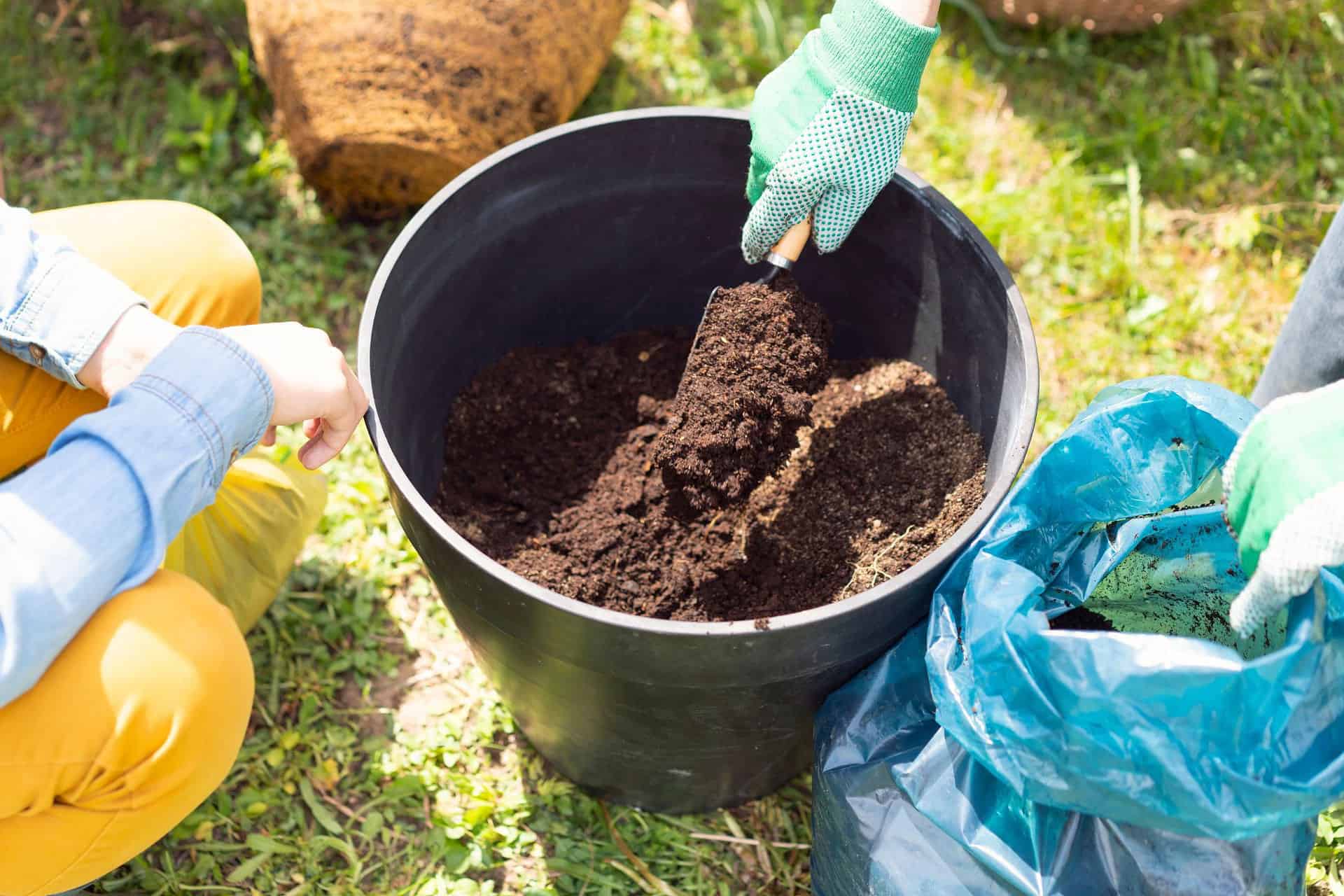
First, decide on a plant location and dig a hole about three times wider than the root ball. Ensure the hole is deep enough, allowing the root ball’s top to remain even and slightly above the native soil.
Mix your native soil with compost or manure, or add Espoma Holly Tone fertilizer. Next, backfill the hole with your holly tree inside and water. Then backfill again and water the well allowing the root system to settle.
Then add a layer of mulch around the plant base to help retain moisture. If you decide to grow a dance hedge with your Oakland holly tree, allow a spacing of six feet apart or nine feet apart if you want to leave gaps in between.
Soil Conditions For Oakland Holly Tree
Oakland holly trees thrive in slightly acid soil and need well-drained soil to prevent root rot. Hollies are acid-loving plants; whether grown in a foundation planting or a container, they need acidity.
You can plant the Oakland Oak Leaf hollies in any soil conditions, but it needs good drainage to prevent root rot. So, to improve the acidity, it helps to add some elemental sulfur to lower the alkaline pH level.
Lighting Needs For Holly Tree
As hollies prefer slightly acidic soil, they enjoy standing in full sun. Still in extreme heat in different growing zones, it helps provide Oakland hollies with some protection from the afternoon sun.
So, for hot climates, provide your holly tree with part sun to keep the dark green foliage looking great.
Watering Oakland Hollies
When planting potted Oakland holly trees, it helps to remember that it still has a small root system. Hence, it is best not to overwater your trees. Instead, when planted, provide amended soil around the root ball and deep watering but do it slowly.
After deep watering, do a five-count with a typical garden hose. When counting five, it refers to a gallon size container. So, if you planted a holly tree from a three-gallon container, then 15 counts should do.
Water your young outdoor trees often twice a week or more during extreme heat.
Temperature and Humidity
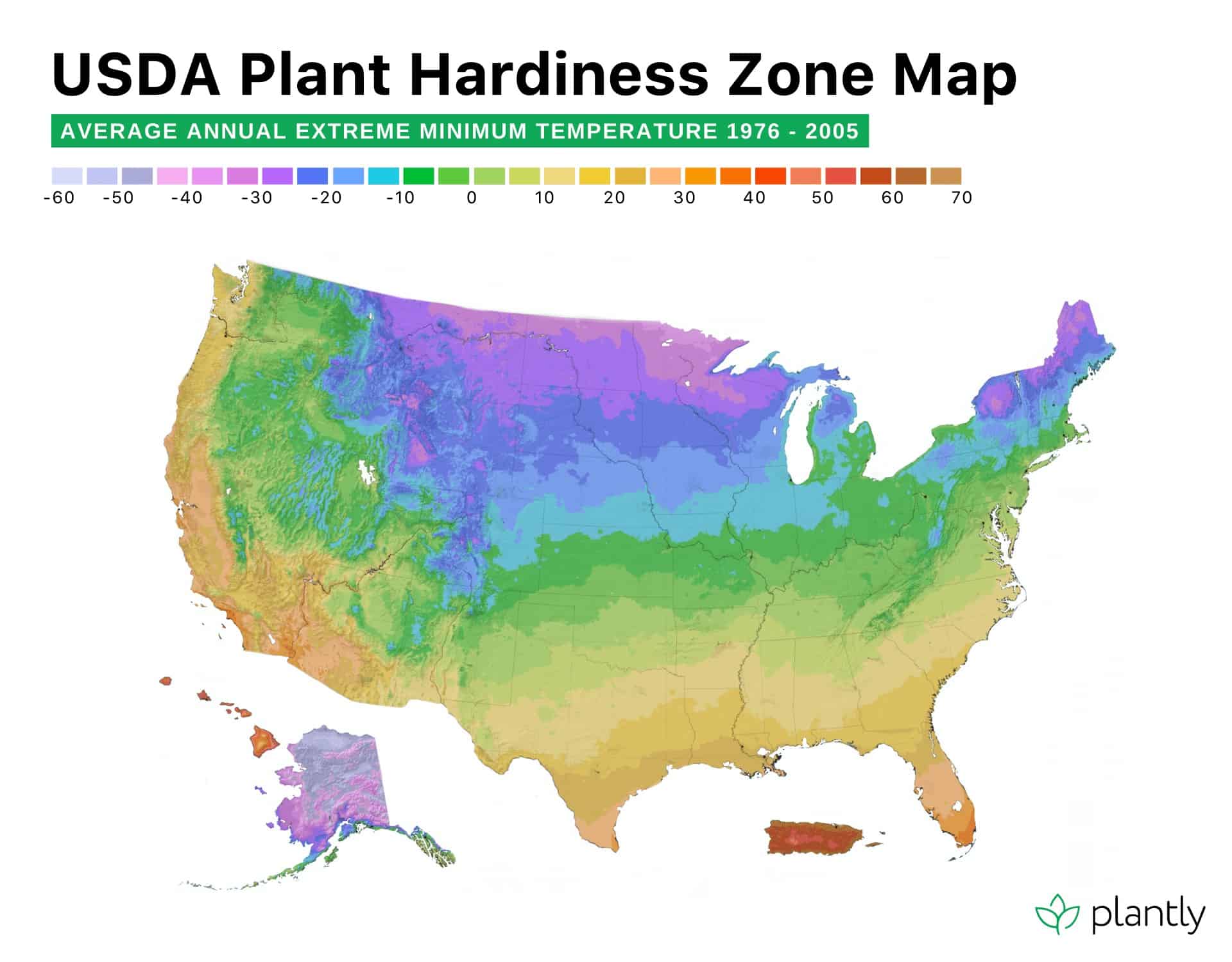
The holly trees prefer cooler temperatures and are hardy to frost, depending on the cultivar you have. Hence, the Oakland holly tree grows best in the growing zone 6-9. It helps provide your trees with mulch around the base in icy regions for protection.
Fertilizing Oakland Holly Trees
When planting your tree, adding an Espoma bio-tone starter fertilizer is recommended. You can mix the slow-release fertilizer in with the soil. Once the tree establishes, you can use the Holly-Tone from Espona, an all-natural plant food.
You can use the feed as directed during the early spring to summer growing season to encourage new growth and berries.
Pruning Your Oakland Holly Plant
When your holly tree reaches four feet tall and is used as a hedge, you can clip them. Only cut the sides to remove not more than four inches of growth. For trees to grow tall, never cut the top leader but only the sides.
The best time for pruning is after new growth stops growing and matures.


Propagating Oakland Holly Tree
To propagate the holly tree, you can easily do this from cuttings. With the unique foliage and to produce berries, you will always have this gorgeous tree in your yard using this process.
You can take cuttings in winter, early spring, or summer:
Take sterilized pruners and cut off a six-inch piece of the new growth on the plant.
Place the cut end into the rooting hormone and make a hole in some potting soil in a container.
Place the cut end into the hole at the same depth as the cutting. Backfill with soil and water well.
Place the pot in a warm spot with part sun allowing the cutting to root.
Oakland Holly Similar Plants
As with the Oakland holly, you can find other varieties to grow in the landscape as well seen here:
The Golden King

Has purple stems with spine-free leaves with wide, glowing yellow margins and produces dark reddish berries.
The Lawsoniana
Has nearly spine-free foliage, splashed with yellow to pale green leaves. It produces dark red berries.
The Amber
Is an excellent choice to break away from the traditional red berries as the fruit color is apricot with bright green leaves.
The Argentea Marginata

Develops new growth with a pinkish-red color and spiny creamy-white margins with bright red berries.
Oakland Holly Common Diseases and Pests
While the Oakland holly tree is bred to be pest and disease-free, it can still be bothered by unwelcomed guests. Some insects and diseases that can pray on your container plant are as follow:
Leaf Miners
Spider Mites
Whitefly
Scale
Leaf Spot
Leaf Rot
Tar Spot
Powdery Mildew
Another concern is leaf drop or leaf scorch from too high pH soils.
Whether you want to buy, sell, or simply reach out to other plant enthusiasts, Plantly is the right place to be!