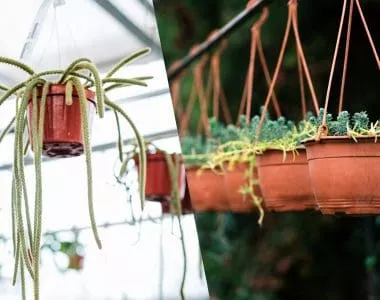
Pests, ranging from microbes to plants to animals, threaten humans, animals, plants, and the environment. Among them, plant pathogens ( an organism that causes plant disease ) are particularly harmful, causing plant diseases. These pathogens spread through insects, water, soil, air, humans, and other animals, contributing to the spread of plant pests.
To succeed in plant care, it’s crucial to understand proper techniques and provide the right environment for growth. However, all plants face challenges, such as pests and diseases, which can stress any plant parent.
Key Takeaways:
- Pests, including microbes, plants, and animals, threaten humans, animals, and the environment.
- Plant pathogens, organisms causing plant diseases, spread through various means such as insects, water, soil, air, humans, and other animals, contributing to the spread of plant pests.
- Proper techniques and providing the right environment for plant growth are crucial for successful plant care.
- Comprehensive information on identifying and managing common plant pests and diseases, aiding in maintaining plant health and vitality.
- Detailed insights into various plant pests, including aphids, barnacle scale, broad mites, caterpillars, fungus gnats, leafminers, mealybugs, nematodes, snails or slugs, spider mites, thrips, and whiteflies, along with their physical appearance, damage caused, and treatment options.
- Plantly covers plant pathogens, such as black spot, botrytis blight, downy mildew, leaf septoria, powdery mildew, root rot, rust, sooty mold, and verticillium wilt, including their symptoms and treatment methods.
Plant Pests

Here, we refer to insect pests of different sizes found on indoor and outdoor plants. The fact is that the majority of them are even tiny. So keep those eyes wide open to spot them.
Aphids
Aphids are tiny insect pests that rely on the plant parts to get the jap and juices as their primary food source. You find them in groups and can attack any plant species. Still, these critters love new growth as it is easier to pierce.
The insect feeds on the plant tissues from the stem, buds, leaves, and fruit.
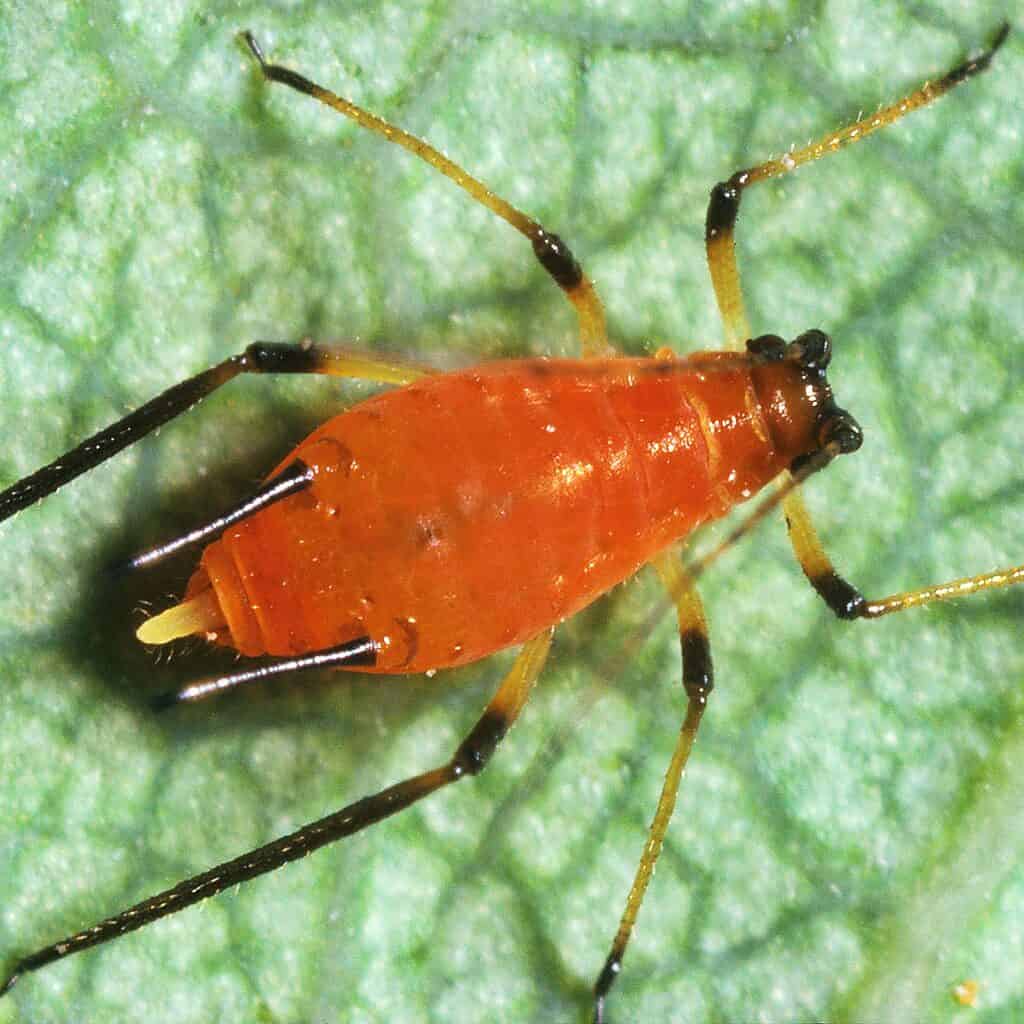
Other common names for the insect are blackfly or greenfly, as they are excellent at blending in with the environment. Typical signs that you have an infestation are yellow to curled leaves with a trail of ants found on the plant.
Another noticeable thing compared to other insects, the pest leaves a honeydew substance when feeding on the plant, leading to sooty mold fungi. The pain spreads through the entire plant as they reproduce asexually.
Hence, they produce fast, creating problematic colonies, and you need to remove them altogether.
Aphids’ Physical Appearance: The insect has a soft body that varies in color but is often black or green. The adults measure a ¼ inch, and you find them on the underside of the leaf.
Damage Caused: You can find different types of aphids damaging different plant species. Some even attack specific species, while others only feed on one kind of plant. They are known as sap-sucking insects.
Treatment: You can bring in beneficial insects like ladybugs or use a horticulture oil, neem oil, insecticides, and insecticidal soap. Furthermore, you can physically remove them by pruning your plant or spraying it with water.
Barnacle Scale

The soft-scale insect is a close relative to the lobster as they hide and lock on to the foliage and stems of plants. The barnacle scale takes all the plants’ energy from the sap, leading to nutrient deficiencies.
You may find that some are soft while others are harder, and they rarely move, so noticing them is difficult until you have a large infestation. Then, your plant ends up with diminutive growth and wilt.
Still, you find them mostly attacking your ornamental plants like your gardenias. The soft-scale insect also leaves a honeydew, attracting insects like ants and leading to sooty mold. Your plant will start to turn black.
Soft Scale Physical Appearance: The insect looks like a sea barnacle with an irregular shape and a white shell dotted with darker spots.
Damage Caused: The insect sucks out all your plant’s nutrients and prevents growth. The leaves turn yellow and fall off, common symptoms to look out for.
Treatment: You can pick the insect off by hand or prune the infested branch to dispose of it. Alternatively, you can bring in beneficial insect pests or use neem oil, pesticide, and insecticidal soap. Still, using insecticides to oil is ineffective for adults as they have a protective wax coat.


Broad Mites

You find these insects on the lower side of the new growth, and they leave behind a toxic substance with their eggs. The substance leads to stunted growth. They are common in humid conditions as they cannot survive winter in temperate climates.
The insect is tiny and not easily seen by the eye, making it challenging to find the infestation. Still, you can use a magnifying glass to see if they are a problem with your plant.
Broad Mites Physical Appearance: It is a tiny oval-shaped yellow to green, blending in with its surroundings. So get out those magnifiers, as the adults are a fraction of an mm in size.
Damage Caused: Suck the fluids and weaken your plant resulting in distorted foliage with new growth. Signs of the infestation are dark contusions on young leaves and damage to the top of newer leaves. Sometimes, they are mistaken for heat stress, water stress, or a virus.
Treatment: You find broad mites on ornamental to veg crops. The best treatment is predatory mites using organic methods like neem oil. The best way to prevent the spread of infected foliage is to remove it.
Caterpillars

Inchworms and caterpillars you find mainly on outdoor plants cause the same problems. The worms chew on the plant tissues, leaving holes behind. The pest results from butterflies to moths laying eggs on buds and leaves.
The eggs hatch and release the worms that cause damage. It helps to have a greenhouse environment for the best level of protection, but the adult moths and butterflies can still enter during summer when doors open.
Still, outdoor plants stand a better chance as there are natural predators that prevent the spread of the caterpillar. Common signs are holes in leaves or buds surrounded by dark areas to black sections. Still, some plant species can survive the worm’s damage without causing health concerns.
Caterpillar Physical Appearance: The worms have cylindrical bodies with many legs and vary in color, blending in with the area.
Damage Caused: They chew on the foliage, leaving holes, webbed, or rolled leaves.
Treatment: The worms feed on different plants, and you can hand-pick them to remove them from the plants. You can also introduce natural predators or use insecticides.
Fungus Gnats
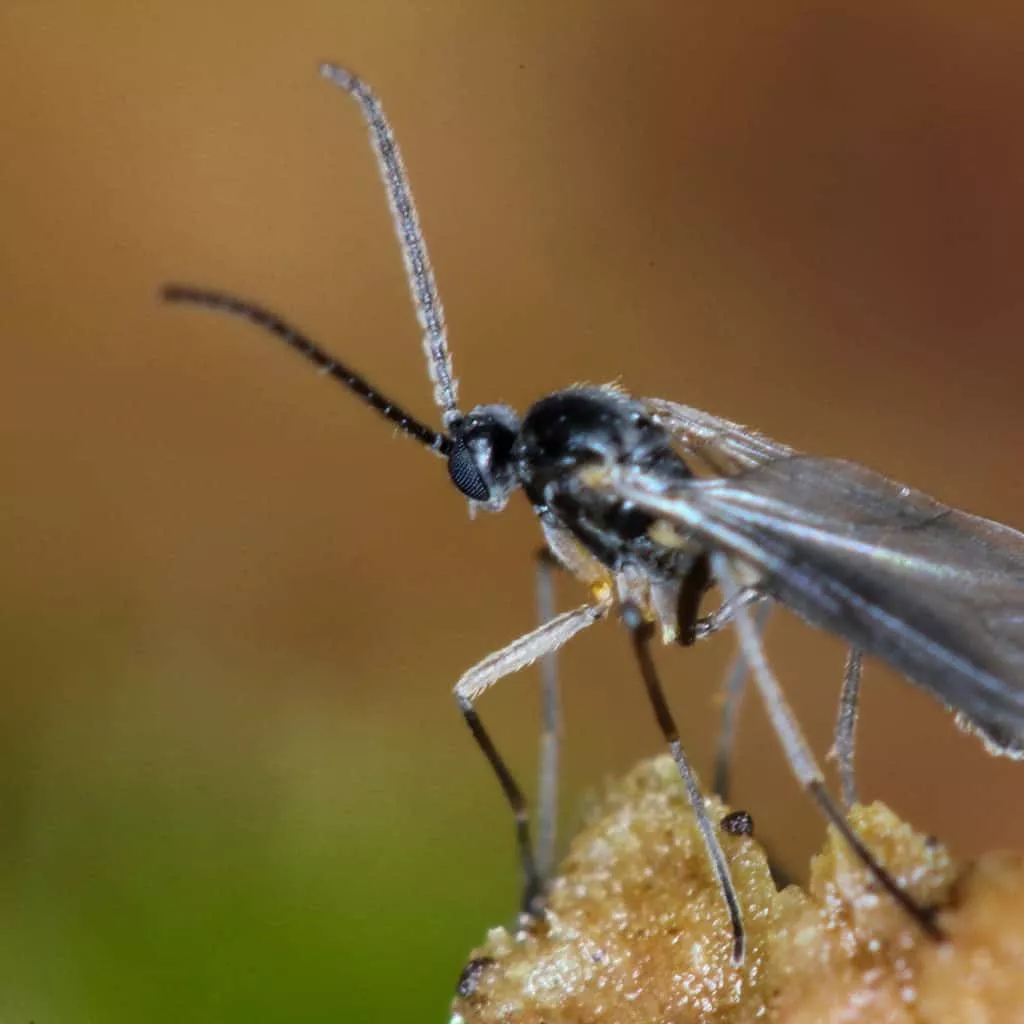
These fly-like insects reproduce fast to terrorize your plant’s root system of plants. You find them in indoor environmental conditions with high temperatures and humidity. They love moist soil and climates.
Usually, the first indication you have a fungus gnat infestation is when they fly out of the soil surface. The insect does not feed on your plant or bite you, but the larvae do the most damage.
The larvae eat the beneficial nutrients to organisms in the soil, limiting nutrient intake through the root system. The life cycle from an egg to an adult can take up to four weeks and multiply fast. So, when treating a host plant for the fungus gnats, you must continue the treatment until no eggs survive.
Fungus Gnats Physical Appearance: Adults look like tiny flies the size of a mosquito, while the larva is transparent or has a white body with a black head.
Damage Caused: The larva feeds on the soil, root, and fungi, resulting in your plant wilting with yellowing foliage. You notice them flying from the soil surface of your potted plants.
Treatment: Your plants become infected in humid conditions with damp soils. The best treatment is an insecticide and not to overwater your plants. Still, we recommend removing your plant from the soil to provide fresh soil and using the same pot but sterilizing it.
Leafminers

Recognizing a leafminer infestation is easy as the leaves have a white zig-zag pattern. These fly larvae enjoy eating plant matter between the leaves top and base. Hence, you notice a transparent tunnel that winds across the greenery.
While not detrimental to your plants spreading like other insect pests, they feast on the leaves. So, the new leaves do not look great and can limit your plant’s growth. You find the insect mostly in greenhouses, gardens, and landscape areas. The flies lay eggs on the underside of the leaves.
Leafminers Physical Appearance: The adult flies are not very big, about one-tenth of an inch long. The fly’s color is black or gray with a yellow stripe, and the larvae look like tiny worms in a pale green to yellow color.
Damage Caused: The larvae feed on the leaves, weakening the plant while reducing its attractiveness.
Treatment: You can remove infested leaves to prevent the spread or use beneficial insect pests or insecticides.
Mealybugs
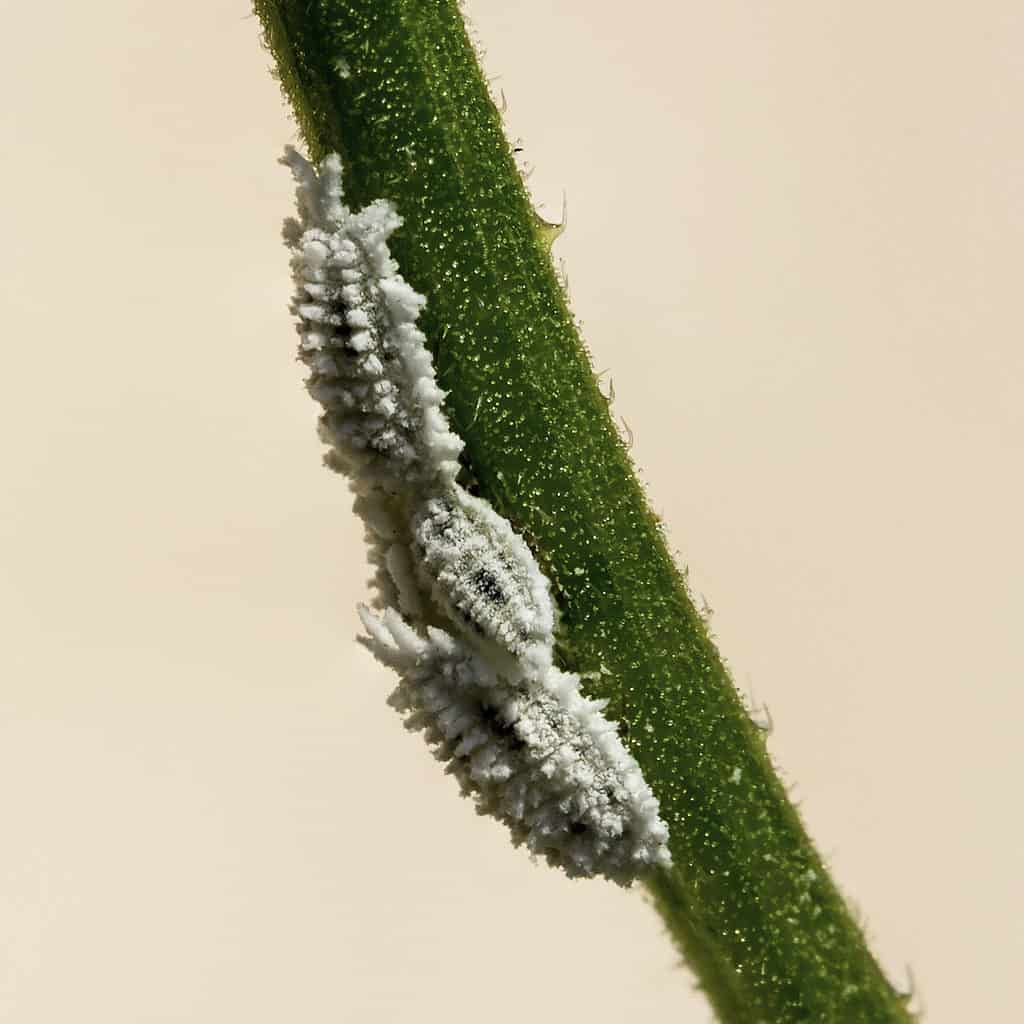
Pest infestation results in severe damage to most species of plants. The host plants will display soft-bodied insects looking like cotton wool. The insect seems white and fluffy without wings. You find them on the leaves and limbs of your plant.
The pest sucks the sap out of the greenery with visible symptoms of leaf curl to yellow leaves. They leave a sticky residue, leading to mold growth and attracting other pests. Mealybugs thrive in high-humidity environments as they cannot survive cold.
The eggs on the leaf’s underside are sometimes mistaken for downy mildew. They find a feeling location on host plants at the nymph stage but do not tend to move beyond that point.
Mealybugs Physical Appearance: The insect pests have a slight oval shape in white color with a soft waxy coating, with adults measuring about a ¼ inch in length.
Damage Caused: Suck sap from the plant to prevent new growth.
Treatment: You find them on most plants in warm locations with high humidity. Common treatments include neem oil, insecticidal soap, and beneficial insects to prune and spray the leafage with water.
You may also want to check our article on how to avoid bugs on your plants for more guidance.


Nematode
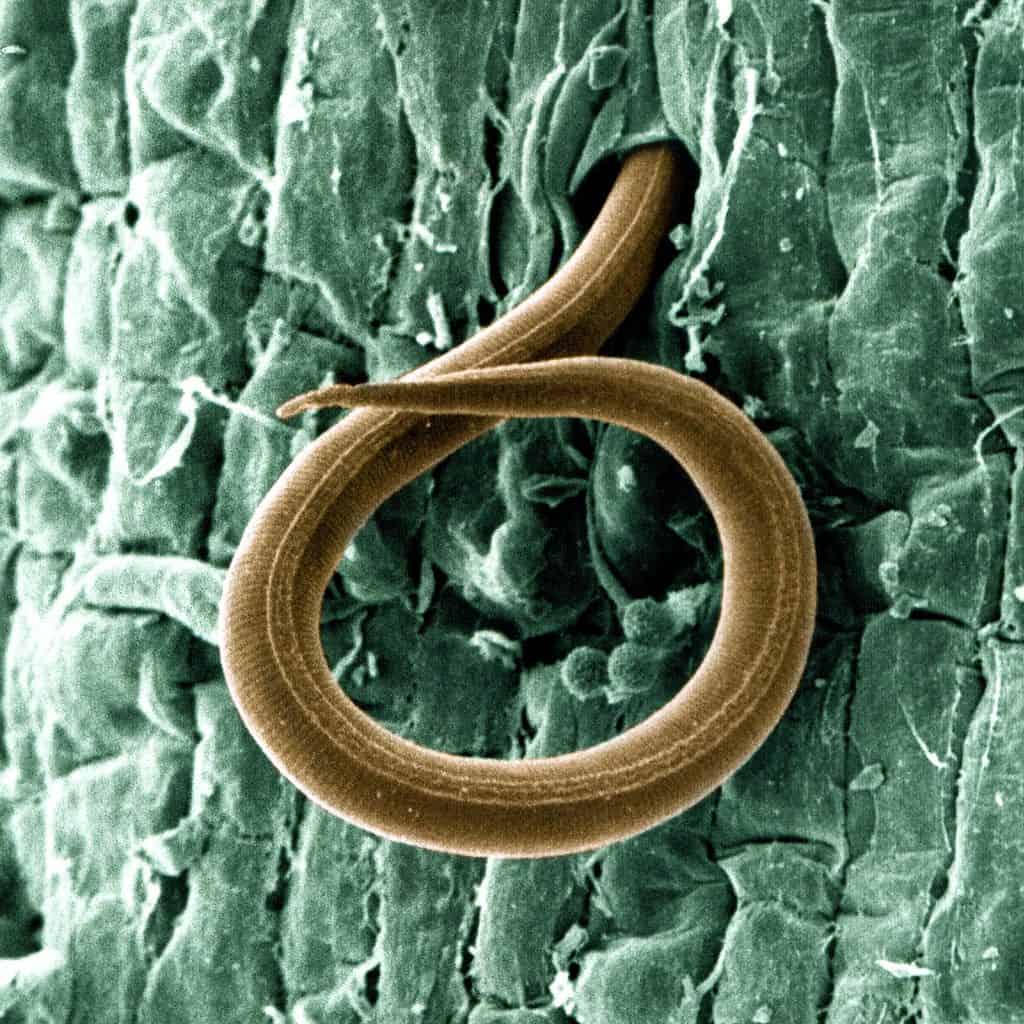
The microscopic worms have long, slender, soft bodies but are not visible. Unfortunately, these plant nematodes are not suitable for your garden. The worms feed on plant tissue, leaving problems with plant growth.
The worms live in the surrounding soil, feeding on the leaves, stems, roots, and flowers. They can move through the soil and live on plant surfaces, feeding on the fluids of the vegetation. Visible signs are the wilt of plants with slow weakening and yellowing leaves with swollen stems.
The problem is that plant parasitic nematodes spread from one species to another when in contact with garden tools used on infected soil. In addition, they can spread through the wind or water and carry insects.
Nematode Physical Appearance: A minor worm-like pest with a soft, slender body.
Damage Caused: The insect pests suck out the fluids of your plants, leaving them weak and preventing growth.
Treatment: You find nematodes mostly outdoors, which helps you rotate your crops with a non-host plant. You can introduce nematicides that help kill the worms, but they are poisonous and can damage plants. Another technique is to steam-pasteurize the soil, but it is expensive.
Snails or Slugs

Everyone knows snails and slugs are found in the garden on outdoor plants. They chew on different plants, especially ones with new growth from the stems to the leaves. These slimy critters’ color varies, and they crawl through the garden, leaving a slime trail behind. Snails and slugs are active at night and can lay up to 500 eggs yearly.
Snail and Slug Physical Appearance: The insect pests are tiny, with two tentacles and eyes on them. The snail has a hard shell.
Damage Caused: These insect pests chew on different plant parts as they leave a trail of holes and mucus.
Treatment: Natural predators are snakes and birds, or you can hand-pick them. Alternatively, you can crush eggshells, salt, and coffee grounds to spread throughout the garden. It also helps remove debris around your plants to prevent them from living in those locations.
These insect pests love moisture as they need to remain wet and not dry out.
Spider Mites

If you have followed some of our plant care articles, the spider mite keeps popping up as plant pests. The tiny insect feeds on the plant’s inner cells with piercing mouths. The insect looks like a tiny spider living on the underside of leaves. When these critters invade your plants, they multiply fast, causing severe damage.
While these spider mites are tiny to see with the eyes, you can see them with some magnification by the webs they spin. Another common sign is yellowing leaves. These critters love hot and moist environmental conditions.
The spider mite travels from host plants via the webs or is carried by the wind. Some common houseplant mites are the Pacific, red, and two-spotted ones.
Spider Mite Physical Appearance: To identify these insects, you will see wingless insects. The color varies from yellow to reddish brown. Another helpful way to see them is to place a white piece of paper under the leaves and give your plant a good shake, dropping them onto the paper.
Damage Caused: The insect sucks out the plant’s fluids, weakening them and leaving them with stunted growth.
Treatment: You can give your plants a good water spray to dislodge them or use insecticidal soap or neem oil to control further attacks. Also, the infested parts should be removed, and predatory mites should be introduced.
Thrips

Another tiny slender pest with wings at the adult stage is thrips. At the larvae stage, it chews on the plant and transmits viruses to other plants. You can find thousands of types of thrips in various colors, from translucent to black.
When disturbing the adults, they fly around, making it easier to spot. Invaded plants become distorted or twisted as the larvae suck out the sap. The eggs are laid in the plant tissue, hatch fast in warm weather, and can take two weeks to grow into adults.
Thrips Physical Appearance: These insect pests have slender bodies with wings at the adult stage. The color varies from black to transparent.
Damage Caused: Thrips suck out the fluids of your plants to weaken them, and infected plants have stunted growth. Other symptoms are pale to splotchy greenery that looks like a leaf spot.
Treatment: To treat thrips, you can use neem oil, insecticides, and insecticidal soap. It also helps to remove nearby grass and weeds in your garden that could be host plants.
Whiteflies
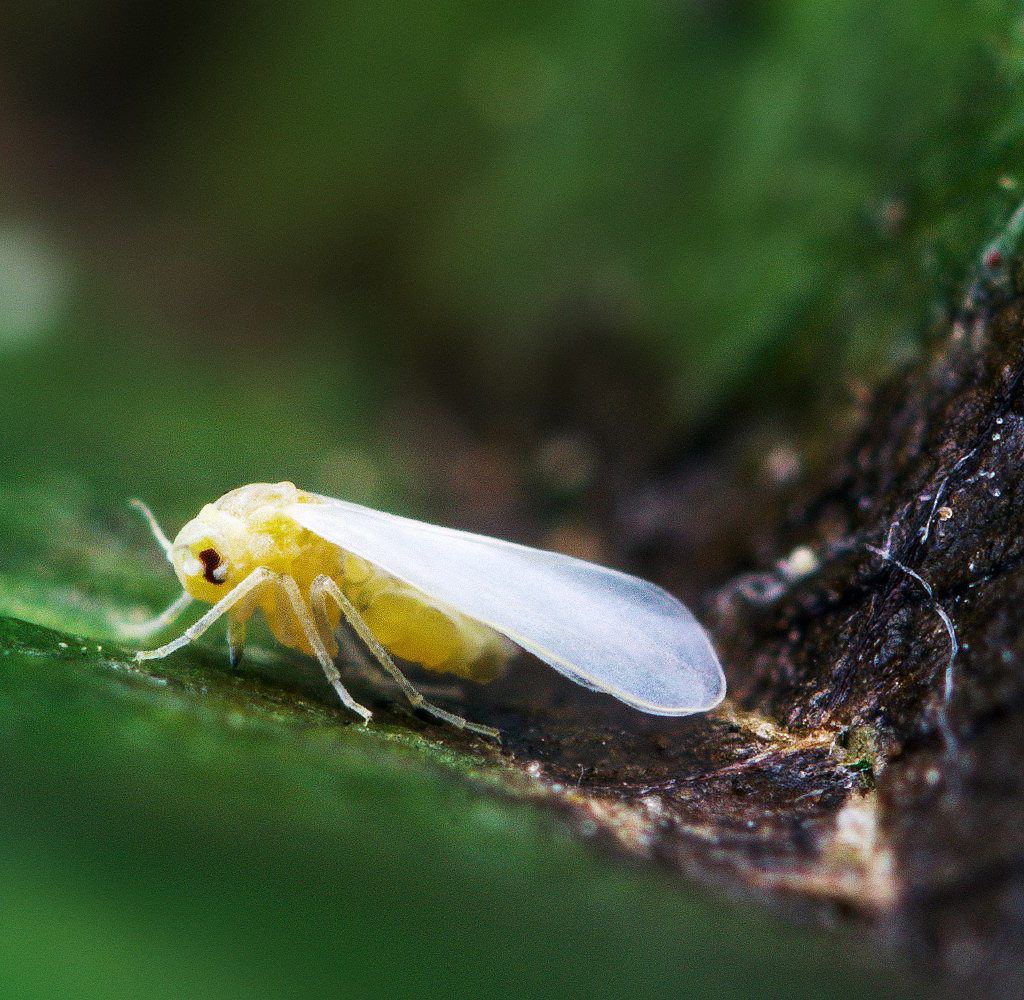
These flies are tiny white insect pests with wings. The insect also has a soft body with a triangular shape. You find them in large numbers on the underside of leaflets, and they scatter when disturbed.
Whiteflies cannot survive cold outdoors; the biggest problem is in greenhouses or indoors. Common species are the greenhouse, silver leaf, banded winged, and giant whitefly. The insect sucks out fluids leaving a sticky residue behind.
Treating large populations is complex, and it is best to control them when they start by inspecting your new plants when you bring them from a nursery.
Whitefly Physical Appearance: The adult is about 1/12th of an inch and active during the day.
Damage Caused: As with most houseplants to garden pests, they suck out the fluids of your plant. As a result, your plant looks wilted with shriveled yellowing vegetation.
Treatment: Neem oil, beneficial insects, and insecticidal soap reduce whitefly infestations. Water spraying helps to knock them down from your plants. Reflective mulch is helpful for outdoor plants.
Plant Pathogens

Here, you will find plant pathogens that are disease-causing organisms like bacteria, fungal spores, and viruses.
Black Spot
These plant pathogens are common fungal pathogens found on your roses. The leaves develop black spots and limit photosynthesis. When left untreated, the leaves drop to the ground. The fungal pathogen infection thrives in excellent to moist conditions and spreads.

The black sport fungal spores overwinter on your infected plants and germinate in the summer months. There is no cure for these plant pathogens; following good growing practices and using a commercial fungicide is best to prevent them.
Pathogen Type: Fungal
Disease Symptoms: You find black spots on the leaf top, and it progresses to a ring with a yellowish color around it. You see the spots starting on the lower parts, and with an extended period, they spread upwards.
Treatment: Whether you have roses or other plant host species, it helps to give them a sunny place with ample airflowers and well-drained soil. Also, prune your plants to keep them compact and remove damaged, infected, and dead vegetation.
Another helpful thing is to prevent wetting the leaves.
Botrytis Blight

The disease-causing organism is also known as gray mold or bud rot, which results from a fungus that loves humid environments. You find it on ornamental trees and shrubs in a perennial garden.
The pathogen infection you see on the buds and flowers; sometimes, one can mistake it for old flowers. The diseased tissue is like an old bloom that fades. The disease symptoms also look like spotting and wilting, and buds do not open.
You may notice gray mold developing and the fruit trees rot. You see the botrytis blight symptom after long periods of wetness in spring and summer. The spores travel with the wind and thrive in moist conditions.
Pathogen Type: Fungal Disease
Disease Symptoms: The plant turns brown and wilts with buds and flowers not opening. You can see gray mold with brown lesions on the plant shoots.
Treatment: Most perennial to ornamental plants are susceptible to botrytis blight. It helps water your plants at the base and not from above to prevent the disease. Regular trimming of branches and leaves is done to provide air circulation. A fungicide should be used as an early treatment to treat the disease.
Downy Mildew

These plant pathogens start as lesions or spots on the leaf surfaces of host plants. It can result from different fungi, and the pathogen symptoms differ from one plant to another. Hence, it makes it difficult to diagnose.
You can find these pathogens on vine veg, grapes, violets, mint, and roses. The symptoms vary, but the underside of leaves has a down-growth fungus in white or gray. These pathogens thrive in damp, relaxed environments and overwinter in the soil and plant residue.
Hence, it helps to keep the garden free of debris to control the disease.
Pathogen Type: Fungal Disease
Disease Symptoms: White or gray fungal growth is found on the underside of leaves, with dark discoloration on the surface of the leaves. Sometimes, it is confused with powdery mildew.
Treatment: The best is to avoid wet conditions with your plants and not to water from the top over your leaves. It also helps to provide plants with good air circulation. When you remove plant matter, destroy it and use a fungicide to target the pathogens.
Leaf Septoria

Yellow leaf blotch can harm plants, leaving them with stunted growth. You see the symptoms of yellowish spots on foliage. You found the disease caused by this pathogen mostly in potatoes, tomatoes, and parsley and attacks at the flowering stage.
Pathogen Type: Fungal Disease
Disease Symptoms: You see circular spots in a yellowish-to-brown color on both sides of the leaves.
Treatment: The best is to avoid wet conditions with your plants and not to water from the top over your leaves. It also helps to provide plants with good air circulation. When you remove plant matter, destroy it and use a fungicide to target the pathogens. It also helps to control the environment during the growing season, from pruning and temperatures to humidity.

Powdery Mildew

The pathogen looks like a white powdery mildew covering the whole plant. You find it in different growing environments, thriving in warm to dry climates with moist nights. Then, the disease spreads through the air and infects other plants.
The fungal disease weakens plants but does not kill them, making them susceptible to pests. Your plant will lose greenery and stop growing if left untreated. Preventing it from happening is more accessible as the damage cannot be reversed.
Pathogen Type: Fungal Disease
Disease Symptoms: White powdery growth starts on the undersides of leaves and spreads to the top of the whole plant. Most plants can contract this pathogen infection.
Treatment: Using a fungicide can help prevent powdery mildew, and maintaining good air circulation and watering at the base of plants can help prevent it.
Root Rot

The pathogen infection results from overwatering your plants and root decay. You find this mostly in your indoor plants. You notice yellowing leaves, and the soil’s moisture returns damply. The best to prevent root rot is to wait for the soil to dry between watering.
Pathogen Type: Overwatering leads to a lack of oxygen around the root.
Disease Symptoms: Wilting plant with yellowing and no new g. When inspecting the roots, you see soft, mushy instead of firm roots.
Treatment: Provide adequate drainage, and it is best to remove your plant to inspect the roots and remove the decaying rotting ones. Then, provide your plant with fresh soil and wait for it to recover.
Rust

The rust pathogen infection affects most plants and is a fungal disease spreading through splashing water and wind. The pathogen sign is red-orange spots on the greenery. The fungal growths begin like small bumps and change to rust spots.
When left untreated, you see yellowing to distortion with defoliation. The disease overwinters in infected plants and grows in a moist, hot environment.
Pathogen Type: Fungal Disease
Disease Symptoms: Rust-colored spots with fungal growth on vegetation attacking lower parts of the plant as it matures.
Treatment: We recommend removing infected plants and giving them a prune while removing debris around them. Then, a fungicide or plant vegetation with rust resistance can be used as a preventative measure.
Sooty Mold

You find soot mold developing on plant surfaces with a sticky substance. It happens when plant pests leave the meaning behind, creating an environment for the mold to grow.
It is a dark brown fungal growth that looks like soot and can grow on any surface, including plants. It leads to your plant not growing and does not damage your plants.
The best way to avoid this is by using pesticides to control pests.
Pathogen Type: A fungal disease relying on insect pests leaving a sticky substance behind.
Disease Symptoms: Thread-like mold is dark in color and found on plants.
Treatment: You can wash off the sooty mold and control the disease-causing organisms by controlling pests.
Verticillium Wilt

It is another fungal disease that is difficult to pinpoint as the signs are similar for nutrient depletion to plant pathogens. A soil-borne fungus enters the plant through the rhizomes, leaving it wilted and not curable.
Pathogen Type: Soil-borne fungal disease
Disease symptoms: Yellowing, curling, and wilted plants; on trees, you see dark rings on the wood.
Treatment: The best remedy is to remove the plants from the garden and destroy them.
Whether you want to buy, sell or simply reach out to other plant enthusiasts, Plantly is the right place to be!