Thai basil is one of many different types of herbs to grow in your herb garden. People use Thai basil plants mainly in Southeast Asia food dishes.
It has a unique flavor and aroma with a hint of sweet, spicy, and anise-like taste. The best part is growing Thai basil, which is very rewarding as an outdoor or indoor plant.
So, to answer, how do you grow Thai basil? Let’s find out.
Plant Name: Ocimum basilicum var. thyrsiflora
Other Name: Thai basil, horapha (Thailand), hun que (Vietnam)
Plant Type: Herbaceous, Perennial, Annual
Native Areas: Southeast Asia
Light Requirement: Full to partial sun
Watering: Water when you feel the soil dry
Fertilizer: Balanced Fertilizer
Toxicity: Non-toxic
Temperature: Warm
Propagation: Cuttings or seed
Growth: 12-18 in. tall, 12 in. wide
Soil Type: Moist well-drained soil
USDA Hardiness Zones: 10-11
Growing Tips For Thai Basil Plants
If you want to plant basil but do not have the time to read the full article, we have some tips to get you started.
To plant, Thai basil needs well-draining, rich soil, full sun or bright light, moderate watering, warm temperatures, and high humidity.
Fertilizing Thai basil with organic matter like compost or aged manure can help it grow better.
Pruning the Thai basil plant regularly can prolong its lifespan and encourage branching.
Propagating Thai basil from cuttings or seeds is a cost-effective way to expand your collection.
Watch out for common pests and diseases affecting Thai basil, such as aphids, whiteflies, powdery mildew, and root rot.
How to Care and Plant Thai Basil
When you want to add this plant to your herb garden, you can follow the steps provided here:
Choose a location: Thai basil prefers well-draining potting soil in bright light. It can be grown in a garden, container, or raised bed.
Prepare the soil: Thai basil thrives in slightly acidic soil with a pH range of 6.0 to 7.5. You can add organic matter to help improve the drainage and fertility of the soil.
Plant the seeds or seedlings: Thai basil can be grown from seeds or seedlings. If you’re using seeds, sow them directly into the soil after the last frost date. If you’re using seedlings, transplant them into the soil after they have developed a few sets of leaves.
Water the plant: Regularly to keep the soil moist but not soggy. Avoid overwatering, as it can cause root rot.
Fertilize the plant: Fertilize with a balanced fertilizer every four to six weeks to promote healthy growth.
Prune the plant: Prune the plant regularly to encourage bushier growth and prolong its lifespan. Pinch off the tips of the stems to prevent the plant from flowering too early.
Harvesting the leaves: Harvest the leaves as needed once the plant has grown to 6 to 8 inches. Use sharp scissors to cut the stems just above a pair of leaves.
Hot Tip: Thai basil plants are some of the best kitchen plants to decorate and use.
Soil Needs For Ocimum Basilicum Var
For some Thai magic in your food, growing Thai basil needs soil with a pH range of 6.0 to 7.5 to be enriched with organic matter and nutrients. Before planting, amend the soil with compost or aged manure to improve fertility, moisture retention, and drainage.
Also, ensure the soil is loose, crumbly, and well-aerated to allow the roots to breathe and grow. Avoid soil compaction by not stepping on the ground or using heavy garden equipment. Overwatering can cause root rot, so provide good drainage and avoid waterlogged soil.
If growing in a container, make sure it has drainage holes.

Light Needs
Thai basil plants require bright light to grow and thrive. They need at least six hours of direct sunlight daily to develop strong stems, leaves, and flowers. If you’re growing Thai basil indoors, place it near a south-facing window or under grow lights to provide adequate light.
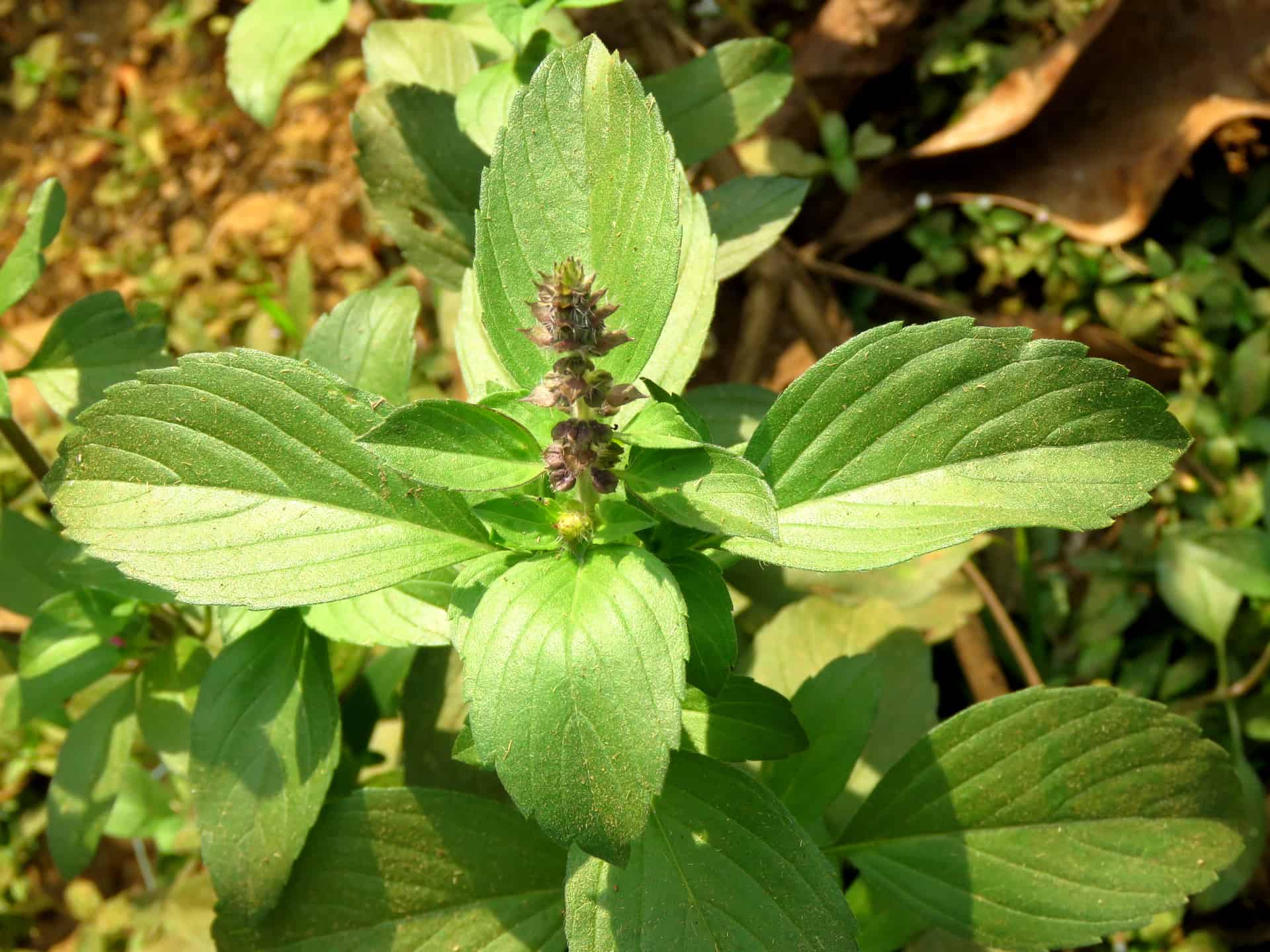
Inadequate light can cause Thai basil to become leggy and weak, with fewer leaves and prone to diseases and pests. It can also affect the plant’s taste and aroma, as it needs sufficient light to produce essential oils that give it its unique taste and scent.
Yet, in hot and dry climates, Thai basil may benefit from shade during the hottest part of the day to prevent sunburn and dehydration. You can provide shade by using a shade cloth or planting the basil near taller plants that can provide some protection from the sun.
Watering Thai Basil Plants
Thai basil needs moderate watering to keep the soil moist but not waterlogged. Overwatering can cause root rot while underwatering can make the plant wilt. Watering frequency will depend on the growing conditions and plant size/age.
When the top inch is dry, you can water your plants again. Also, avoid flooding the stems and leaves. This will help prevent fungal diseases and pests from attacking the plant. Thai basil may require frequent watering in hot and dry weather to avoid dehydration.
To help retain moisture in the soil, you can add a layer of mulch around the base of the plant. This will also help suppress weeds and keep the soil temperature consistent.
Temperature and Humidity
Thai basil plants prefer warm temperatures between 75°F and 90°F (24°C to 32°C) during the day and around 70°F (21°C) at night. They require high humidity levels between 50% and 80%, which can be increased by misting the plant or using a humidifier.
Ensure good air circulation and avoid overwatering to prevent fungal diseases and pests.
Fertilizing Thai Basil Plants

Thai basil plants need regular fertilization to grow well. It helps provide essential nutrients like nitrogen, phosphorus, and potassium. Recommended fertilizers for Thai basil are:
Organic fertilizers: Organic fertilizers like compost, aged manure, and worm castings are rich in nutrients and beneficial microorganisms that can improve soil fertility and structure. They release nutrients slowly over time and help retain moisture in the soil.
Balanced fertilizers: Balanced fertilizers like 10-10-10 or 20-20-20 are suitable for Thai basil plants. They contain equal amounts of nitrogen, phosphorus, and potassium, which promote overall plant growth and development.
Liquid fertilizers: Liquid fertilizers like fish emulsion or seaweed extract are fast-acting and provide a quick boost of nutrients to the plant. They can be applied directly to the soil or as a foliar spray on the leaves.
When fertilizing Thai basil, following the manufacturer’s instructions and avoiding over-fertilizing is essential, which can lead to nutrient imbalances and damage the plant. Feed the plant every four to six weeks during the growing season, starting at about 6 inches tall.
Pruning Thai Basil Plants
To ensure your herbs thrive, prune them to keep the stems growing and flourishing. Here are some steps to follow:
Pinch off the tips of the stems to encourage bushier growth and prevent the plant from flowering too early. Use your fingers or a clean pair of scissors to snip off the top 1-2 inches of the limb just above a pair of leaves.
Remove dead or damaged leaves from the plant to prevent the spread of diseases and pests. Use your fingers or scissors to snip off the leaves at the base of the plant.
Thin out crowded stems to improve air circulation and light penetration. Remove the weaker or smaller stems to redirect the plant’s energy towards the stronger stems.
It helps to harvest regularly to help with new growth, and it will help prevent it from growing too tall or leggy. Use sharp scissors to cut the stems just above a pair of leaves.

Propagating Ocimum Basilicum
The fantastic thing is that you can easily ensure enough Thai basil plants by propagating them using cuttings or seeds.
Choose healthy stems about 4-6 inches long with several leaves. Avoid stems that are damaged or diseased.
Use a sharp pair of scissors or pruning shears to cut it just below a leaf node, where the leaves attach to the stem.
Remove the lower leaves to expose a section of bare stem. Leave 2-3 sets of leaves at the top of the stem.
Dip the cut end into rooting hormone powder or gel, which will help stimulate root growth.
Plant it in a small pot filled with moist soil or a water container. If planting in soil, make a small hole with a pencil or your finger and gently insert the cut end. If growing in water, place it in a glass or jar, ensuring the bottom is submerged.
Keep it moist but not soggy to encourage root growth. Place the pot or glass in a warm and bright location, but avoid direct sunlight.
Check it regularly for signs of new growth. Small roots should start forming at the stem’s base within a few weeks.
Once the roots are about an inch long, transplant the stem into a larger pot or the garden bed, water the plant regularly, and provide adequate light and nutrients.
Types of Thai Basil
There are many different types of basil plants, each with its unique flavor, aroma, and appearance. Here are some of the most popular types of basil:
Sweet basil: The most common type of basil, with a sweet and slightly peppery flavor. It’s used in many Italian dishes, including pesto and tomato sauce.
Lemon basil: A variety of sweet basil with a lemony flavor and aroma. It’s used in many seafood dishes and desserts.
Purple basil: A variety of sweet basil with dark purple stems and leaves with a mild flavor. It’s used in salads, sauces, and garnishes.
Holy basil: A sacred herb in Hindu culture with a spicy and clove-like flavor. It’s used in many medicinal and culinary applications.
Cinnamon basil: A variety of sweet basil with a cinnamon-like flavor and aroma. It’s used in many desserts and drinks.
Genovese basil: A variety of sweet basil with large leaves and a strong flavor. It’s used in many Italian dishes, including pasta and pizza.
Globe basil: A variety of sweet basil with small, round leaves and a compact growth habit. It’s used in many ornamental and culinary applications.
Thai Basil vs. Holy Basil
Thai and holy basil are different basil plants with distinct flavors, aromas, and uses. Here are some of the main differences between Thai basil and holy basil:
Flavor and aroma: Thai basil has a sweet, spicy, and anise-like flavor with a hint of licorice, while holy basil has a spicy and clove-like flavor with a hint of mint and pepper.
Culinary uses: Thai basil is commonly used in many Southeast Asian dishes, including curries, stir-fries, and salads. Holy basil is used in many Indian and Thai dishes, including soups, stews, and stir-fries.
Medicinal uses: Holy basil is considered a sacred herb in Hindu culture and is used in many traditional Ayurvedic medicines to treat various ailments, including respiratory infections, fever, and stress. Thai basil is not commonly used for medicinal purposes.
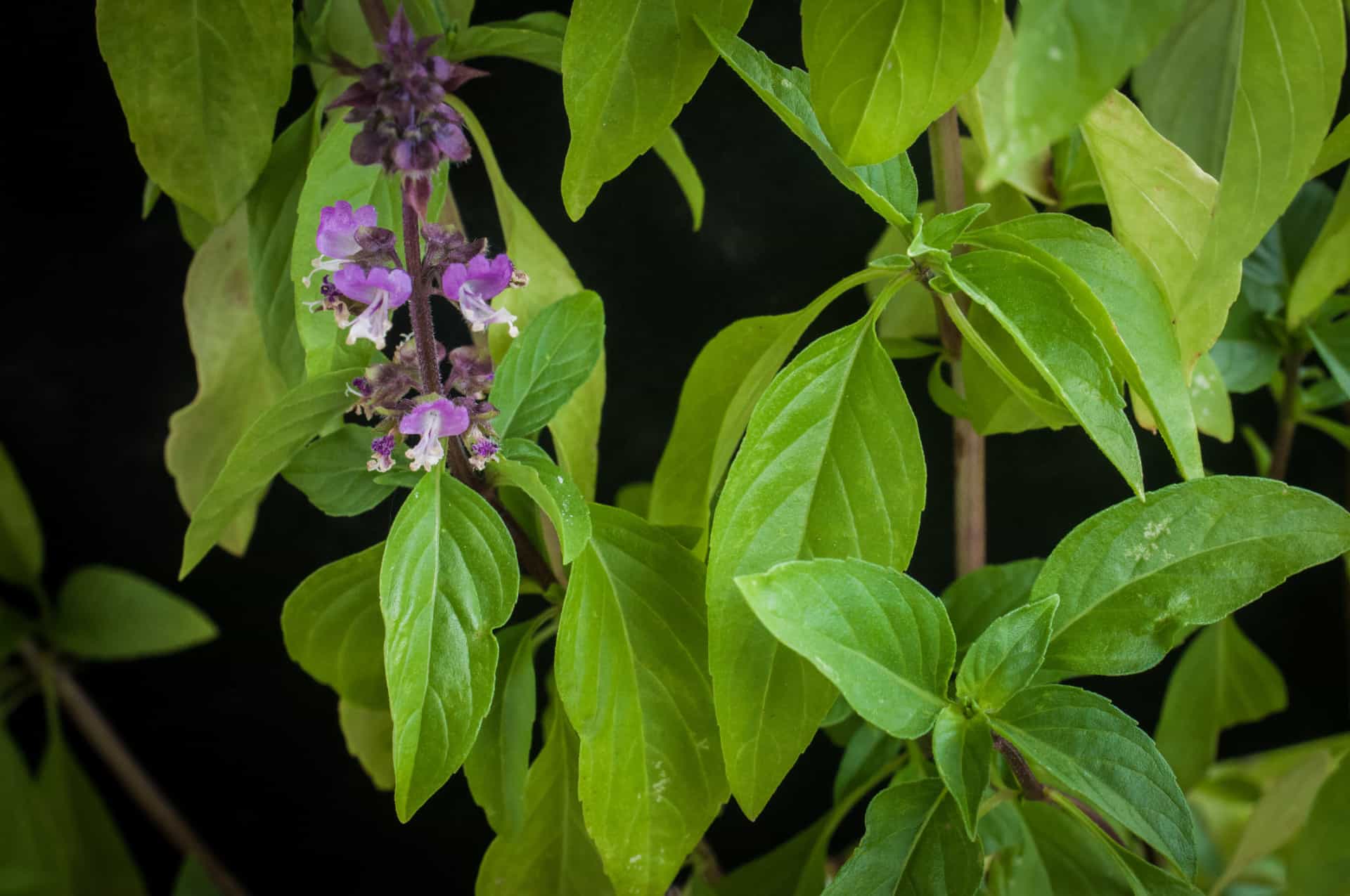
Appearance: Thai basil has green leaves with purple stems and flowers, while holy basil has green or purple leaves with purple stems and flowers.
Growing requirements: Thai basil requires bright light, well-draining potting medium, and warm temperatures. Holy basil prefers partial shade, well-draining potting medium, and moderate temperatures.
How to Grow Thai Basil From Seed
To grow Thai basil from seed, you can follow these steps:
Purchase high-quality Thai basil seeds from a reputable supplier or save seeds from an existing plant. Fill a small pot or seed tray with a seed starting medium. We recommend you start seeds indoors.
Sow the seeds directly into the soil, planting them about 1/4 inch deep and 2-3 inches apart. Cover the seeds with a thin layer of soil and pat it down gently. Water gently to keep it moist but not waterlogged.
Place the pot or tray in a warm, bright location covered with a clear plastic bag, but avoid direct sunlight. Thai basil seeds typically germinate within 5-10 days. Be patient and keep the seed moist during this time. Once the seedlings have developed their first set of true leaves, thin them out by removing the weaker or smaller seedlings.
Leave the strongest and healthiest seedlings to grow. Once the seedlings have grown to 2-3 inches, transplant them into a larger pot or the garden bed. Space them about 8-12 inches apart for proper growth and air circulation.
Provide the plants with full sun or bright light, moderate watering, and warm temperatures to encourage healthy growth. Fertilize the plants every four to six weeks with a balanced feed.
Common Pests and Diseases
Thai basil plants are susceptible to several pests and diseases. Here are some of the most common pests and diseases that affect Thai basil:

Pests:
Aphids
Whiteflies
Spider mites
Thrips
Caterpillars
Japanese beetles
Diseases:
Fusarium wilt
Downy mildew
Powdery mildew
Root rot
Bacterial leaf spot
To prevent and control these pests and diseases, it’s essential to maintain good plant hygiene, provide adequate air circulation, and avoid overwatering. You can also use natural or chemical treatments to control pests and diseases, depending on the severity of the infestation.
Whether you want to buy, sell, or simply reach out to other plant enthusiasts, Plantly is the right place to be!