We all know there is no such thing as a summer snapdragon. These are cool-weather annual flowers that fade once the summer heat turns on.
But what if we told you there is a summer snapdragon lookalike that will stand strong once the snapdragon wilted? 🤭
The angelonia plants grow as annual flowers in cooler climates and perennials in the USDA zones nine and higher.
So, if you want a lookalike summer snapdragon with clusters of orchid-like pink, mauve, purple, or white flowers with strong stems and narrow green leaves adding color, get yourself the Angelonia.
Plant Name: Angelonia angustifolia
Other Name: Angelonia, summer snapdragon
Plant Type: Perennial in warm climates, grown as an annual in USDA zones eight and lower
Native Areas: Mexico, South America, and West Indies
Light Requirement: Full sun
Watering: Drought-tolerant
Fertilizer: Liquid fertilizer
Toxicity: Non-toxic
Temperature: Warm summers
Propagation: Stem cuttings and seed
Growth: 18-inches tall and 9 to 12 inches wide
Soil Type: Acidic fertile soil
USDA Hardiness Zones: 9-11
More About Angelonia Angustifolia

Angelonia angustifolia looks fabulous as bedding plants to thrive in flower gardens when the summer heat turns up. The angelonia flowers add color to garden beds from late spring to the fall when other flowering plants fade.
Summer snapdragon produces flowers in various colors to complete flower gardens in pink, white, and more. The sturdy stems are 18 inches tall in mass plantings, and the colorful foliage does not fade in the heat.
Compared to other plants, it is deer resistant, and the flower stalks are magnets for hummingbirds, butterflies, and other pollinators.
The versatile Angelonia summer snapdragon works in garden settings, window boxes, container gardens, and hanging baskets. You can cut the blooms for floral arrangements with fine textured foliage to pink flowers.
Angelonia Varieties
When planting Angelonia, you have several varieties you can consider:
The blue angelonia plants are known as Angelface Cascade Blue and can grow with height and a cascading habit that works well in container gardening.
The AngelMist can reach up to ten inches tall for ground cover to suppress weeds but spreads 20 inches wide.
Lastly, you have angelonia serena and angelonia serenita sold only as seeds.
Angelonia Summer Snapdragon Care
When angelonia plants grow, it has a tough nature, and flowers bloom for a long time, making them a staple in flower gardens. Angelonia grows nectar-rich flowers, attracting pollinators to your sunny garden.
It is a low-maintenance plant that does not need deadheading and will greet 👋 you with many blooms for weeks.
Angelonia Flowers Light Needs
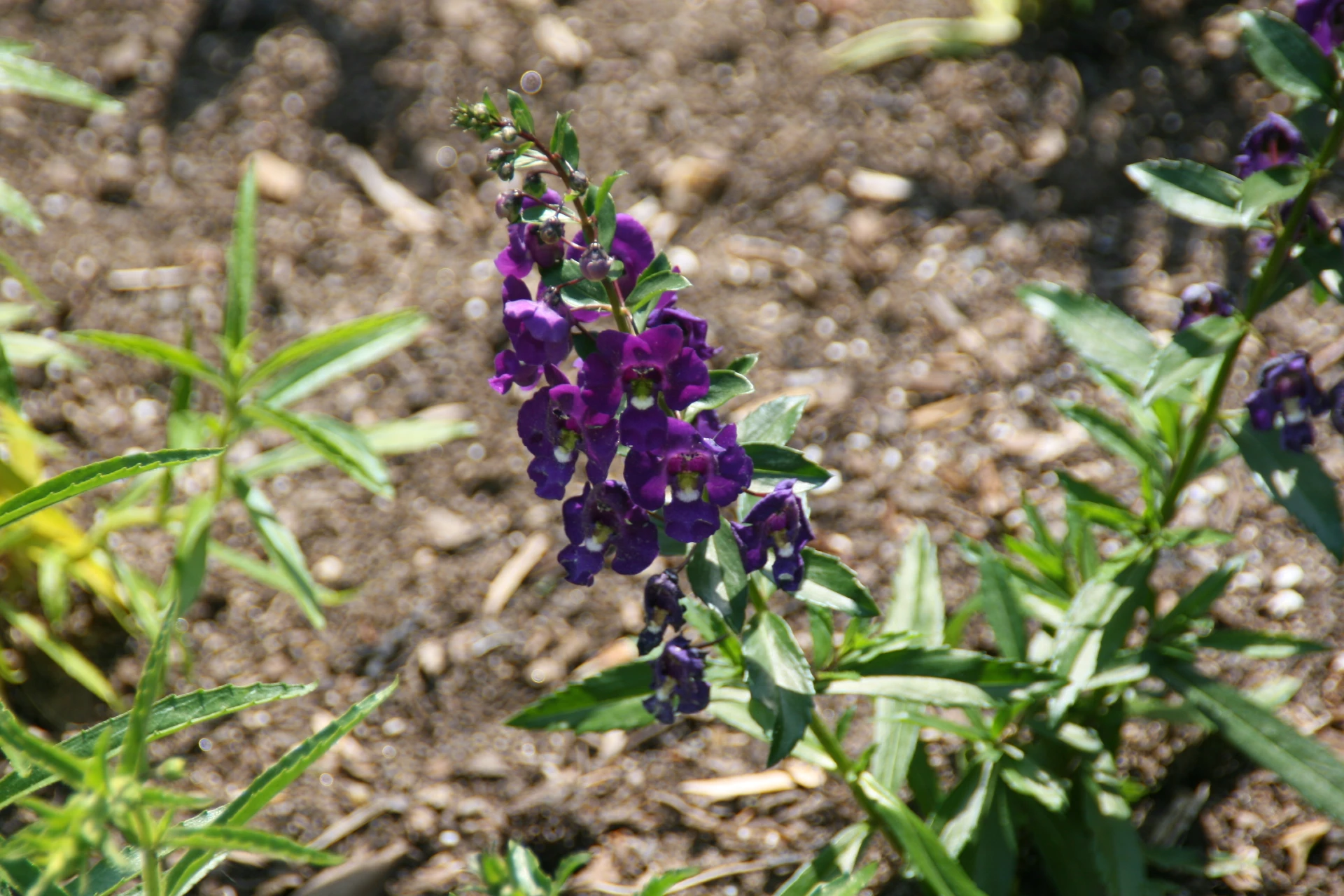
Plant angelonia in a spot where it can reach full sun to flower continuously during the blooming season. When angelonia plants do not receive at least eight hours of direct sunlight, they become leggy and bloom less.
Angelonia Prefers Soil Evenly Moist

You can grow angelonia plants in different soils, but they prefer a pH of 5.5 to 6.2. Please provide them with well-draining soil that is evenly moist with a layer of organic mulch to help reduce watering to fertilizing.
For heavy clay soils, we recommend amending it with coarse sand, whether grown in a flower or container garden.
Watering Angelonia Angustifolia
Angelonia flowers are quite a drought-tolerant plant and only need watering when the top few inches of the soil are dry. You can provide supplemental moisture when you provide well-draining soil.
Temperature and Humidity

The Angelonia angustifolia does well in hot weather with high humidity. But if you live in the southwest, its drought tolerance is fairly good, but it can benefit from added watering.
Fertilizing Summer Snapdragon

You can feed your angelonia flowers monthly during the growing season, as too much fertilizer will encourage branching with less flowering. Feed your plant with a flower fertilizer when planting to eliminate feeding again.
We recommend you feed plants with a liquid feed diluted.
Pruning Angelonia
These low-maintenance plants do not need deadheading to encourage blooms, but you can pinch them back when young to make them grow bushier.
Potting and Repotting
When you grow angelonia flowers, you will have constant blooms that grow well in plant pots. You can grow them alongside a pool or patio to attract birds and butterflies. But choose large containers with a diameter of 18 inches as they will not dry out fast.
Provide angelonia plants with a well-draining potting mix with enough drainage to prevent root rot—only water when the first few inches of the soil surface is dry.
Overwintering
You can grow them annually in cooler climates but overwinter them as container plants inside the home. When you notice temperatures dropping at night, you can bring them indoors. Keep your summer snapdragon in bright indirect light in consistently cool temperatures.
Water them once a week, and when the soil temperatures warm up after the last expected frost, you can take them back outside.

How to Propagate Angelonia Flowers
An easy way to ensure you always have angelonia flowers is to use stem cuttings to propagate them.
With a sharp knife, cut three-inch long clippings from the tip of the stem without any flowers on them.
Keep the top leaves and remove the rest of the green foliage.
Fill a small container with a soilless well-drained potting mix and make a small hole with your finger.
Dip the cut end in a rooting hormone and insert it into the moist soil.
Keep the soil moist until you notice new leaves forming to transplant into garden beds.
Growing Angelonia Seeds
Handling angelonia seeds are complicated, and best to look for pelleted seed with a clay coating making them easier to work with.
You can start the seeds indoors six weeks before the last frost in trays. Use sterile well-drained soil, and do not cover the seeds, as the light aids germination.
Provide bright light with warm temperatures and keep them moist. Seedlings emerge in about three weeks and ensure to space seedlings eight inches apart in your garden.
Common Pests
The main problem when angelonia plants grow is aphids which can become a problem in early spring. You can mist your plant with an insecticidal soap twice a week.
Whether you want to buy, sell, or simply reach out to other plant enthusiasts, Plantly is the right place to be!