Finding a bottle brush tree form is not too tricky, as you can find them in many forms with colorful bristle blooms. They continue blooming through summer, and one thing is for sure hummingbirds love them.
So, choose from the different species available to plant in the garden with deep green foliage as bottlebrush shrubs or container plants.
Plant Name: Callistemon spp.
Other Name: Bottle Brush Tree or Bottlebrush plants
Plant Type: Evergreen Shrub or Trees
Native Areas: Australia
Light Requirement: Full sun exposure
Watering: Drought tolerant
Fertilizer: Organic or slow-release fertilizer
Toxicity: Non-toxic
Temperature: Warm temperatures
Propagation: Cuttings and seed
Growth: 15 to 25 feet tall
Soil Type: Well-drained soil
USDA Hardiness Zones: 9-10
More About Bottle Brush Tree Plant

The common name for the Callistemon genus is bottlebrush which is an evergreen shrub or tree form belonging to the myrtle (Myartaceae) family. The plant bottlebrush looks fabulous in front of a home.
You can grow bottlebrush plants year-round outdoors while living in the USDA hardiness zones 9 to 10. But in colder regions, it is best grown as potted plants to bring indoors.
The species is known to have vibrant spikes in crimson, white, red, or yellow flowers resembling a bottle cleaning brush. It grows dense foliage with pointy, narrow leaves that range in color from blue-green, green, or silver.
You can expect a long bloom season with the flower buds continuing into summer, attracting pollinators like bees, hummingbirds, wasps, and butterflies 🦋. Bottlebrush shrubs reach three to 15 feet, while other plants you can train as a small tree form reaching up to 25 feet tall.
Still, a debate is going on about the genus as they look similar to the plants in the Melaleuca genus and have been merged into the group.
Bottlebrush Cultivars to Select
You can find a bottle brush tree variety to grow in the garden or as a container plant whether you live in a very mild climate, hot region, or cooler place here.
The Crimson is the scarlet bottlebrush tree with vibrant red flowers and contrasting tips. The foliage emits a lemony aroma when you brush against it on warm days.
The Weeping bottlebrush tree is a larger species reaching up to 20 feet tall, and it has drooping lower branches with blue-green leaves and deep red flowers.
The Willow, also known as the white bottlebrush, has a willow-like form with red or pink flowers and can change to a creamy or yellow color.
How to Care for Bottlebrush Plant
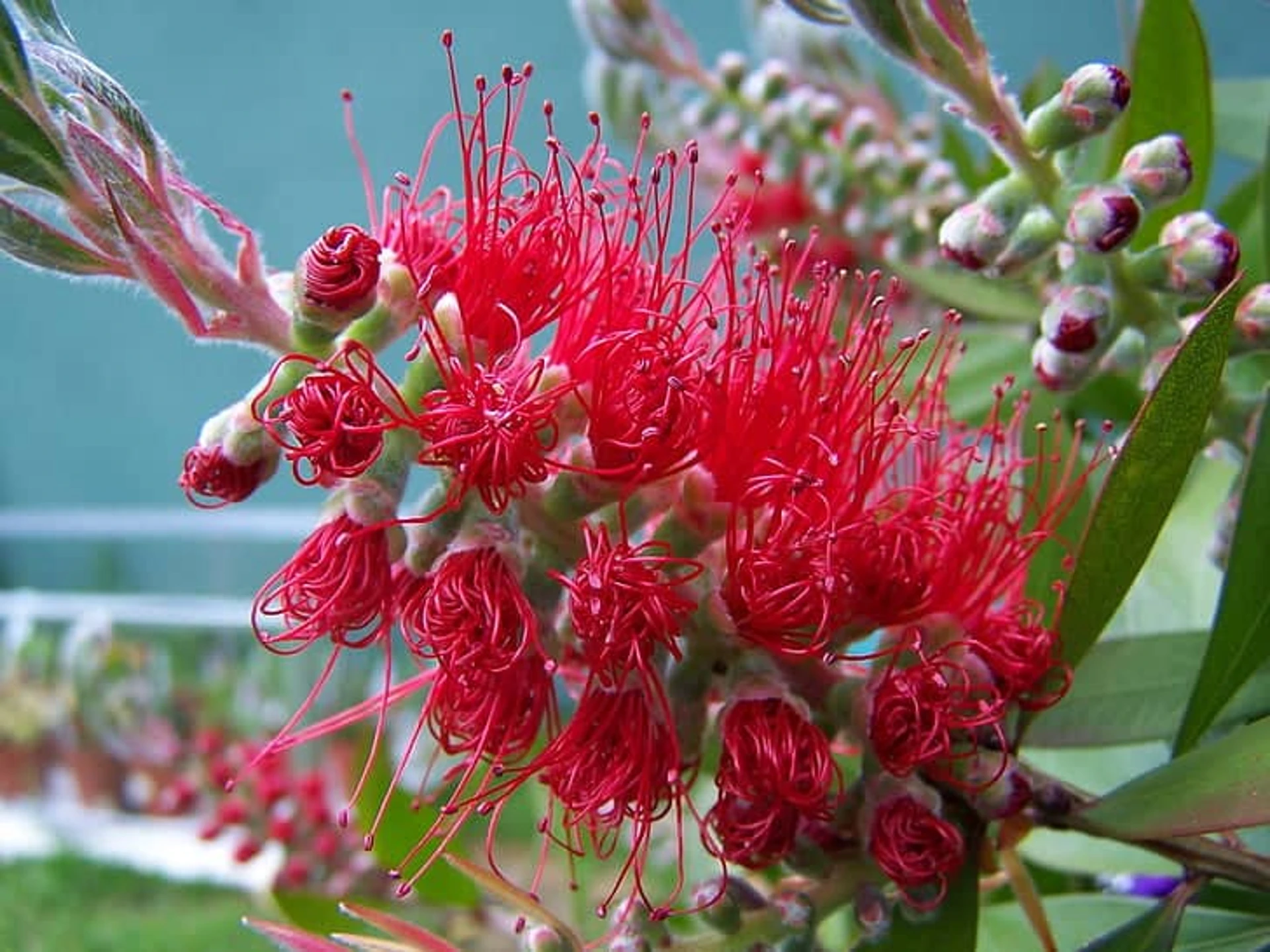
When you decide to plant a bottlebrush, it helps to look at the available variety and how much space it will need to grow. Some types can produce a dense canopy, while others can reach magnificent heights. You can even find dwarf varieties in a container on the patio as small trees.
These plants also have dense spikes and may need more extensive pruning. But the bottle brush tree care is remarkably the same.
Potting Soil Needs

The bottle brush tree can adapt to different soil types as long as it is well-drained to help retain moisture and prevent waterlogged soil.
A potting soil that does not allow the water to drain freely from a container with drainage holes will lead to root rot. The same applies to growing them in the garden.
In very warm climates, you can add some pine straw to the planting hole, and for containers, add some organic matter to retain moisture. The rule is to avoid wet soil.
Lighting Needs

To enjoy the most beautiful bottle brush blooms, it helps to plant your tree in full sun. You will see the flowers display from early spring to the fall.
In extreme heat regions, you can provide direct sunlight in the morning with some afternoon shade. To grow inside the home, give your tree a sunny spot for the best growth.
These trees even do well outside in part shade, but the important thing is that they need at least six hours of sun exposure. When planted, please provide saplings with some shade cloth as needed.
Watering Bottle Brush Tree
You will need to water young trees deeply, but once the extensive root system is established during the growing season, they are drought tolerant. Also, water deeply at the drip line and prevent wetting the foliage as it can lead to powdery mildew.
So, soak your shrubs around the root ball instead with a slow trickle to saturate the root system. Please prevent constantly soggy soil as it will cause the roots to rot. For container-grown bottle brush trees, it helps to feel the topsoil to ensure it does need watering.
To help retain soil moisture, add a layer of mulch around the tree’s base.
Fertilizing Bottle Brush Tree

For new growth, it helps to feed your bottle brush tree in early spring or do it in early summer. It will help support further growth and lead to healthy growth.
We recommend using a slow-release fertilizer made for shrubs grown in containers. For outdoor plants, work in some compost with the soil.
Also, refrain from giving your trees too much nitrogen late in summer as it will result in more growth that can damage the tree in winter. We also recommend removing a chemical fertilizer that can cause root burn.
Temperature and Humidity

Plant bottlebrush anytime during the growing season living in the needed hardiness zones. These trees usually grow upright and thrive in a hot to mild climate, tolerating drought to light frost. But they do not perform well in freezing temperatures—the recommended temperatures are between 50 °F to 89 °F.
Moving your plants indoors before winter arrives in temperatures below the above is best.
Bottle Brush Tree Pruning
When pruning your trees, it is less vital than preventing standing water. But you can prune your shrub to take on a tree form.
You can remove stray branches or drooping lower branches in late winter for overall health. You can remove them until you get the desired shape. Also, trim the stems individually, making cuts above a node of each branch.
Do light pruning to remove suckers from the root system by cutting them back to the ground. Remove any dead or diseased wood and thin out the interior branches. Removing dead branches will help your tree with new growth.
Container-grown bottle brush trees, you can prune back heavily in early spring to help keep them manageable.
Bottlebrush Plant Propagation
If you want to put in some effort, you can propagate your trees from seed or rooting the stem cutting.
Bottle Brush Tree Seeds

Once the flowers fade, you will see small woody fruits that remain attached for up to three years on the plant before being released. You can collect these seeds at any time of the year. You can lower branches to reach the fruits that are not opened. Choose ones that are a year old.
Please place the seeds in a paper bag and leave them dry for a few days to crack open.
Use fresh seeds and sow them in well-drained soil in a pot.
Cover the pot with a plastic bag to form a dome to help maintain moisture.
Leave the container in a warm spot in bright indirect light.
Keep the soil moist but prevent wet soil to help speed up germination.
In about two weeks, you should notice new sprouts, and once seedlings emerge, remove the dome and keep it moist in a well-lit area.
When seedlings reach three inches, you repot them in a two-gallon pot. Keep potted shrubs indoors in a bright location for up to nine months.
Plant bottlebrush saplings outside after the last risk of frost passes in spring.
Bottlebrush Cuttings
As with planting the seed, the cutting is done the same.
Cut a six-inch stem in summer with three pairs of leaves attached.
Remove the bottom leaves and any flower buds.
Choose a sizable container eight inches in diameter to five inches deep.
Fill it with soilless potting medium using half perlite and half peat moss.
Dip the cut end into a rooting hormone and plant it three inches deep using multiple cuttings in the same pot.
Water deeply until moist, and make a tent using a clear plastic bag.
Please leave it in a warm spot to receive filtered light during the day.
Check the cutting daily by removing the cover to provide fresh air.
In about six weeks, gently tug on the cutting to see if a root ball has formed.
When the roots have formed, you can place the cuttings into separate containers using a peat-based growing medium and keep it warm in a sunny window.
Continue growing the cutting until the following growing season in spring to transplant outdoors.
From Seedlings or Transplanting
When you want to plant bottlebrush seedlings, it helps to harden them off before planting them outside. It will help reduce transplant shock, and they can adapt quickly to the new environment.
About two weeks before planting, place the seedlings outside in a protected location with partial shade for an hour. Continue doing this daily and slowly increase sun exposure.
When bought as nursery stock, you can use similar steps as planting cuttings indoors. When the time comes to transplant them dig a planting hole larger than the root ball.
Set it in the hole and backfill it with compost and garden soil. Water deeply allows it to work through the ground while backfilling. Then surround the base with some mulch like pine needles or shredded bark.
For planting multiple shrubs, keep three feet apart to provide enough space for growth.

Managing Pests and Diseases
While the bottle brush tree is not high maintenance, they can still get bothered with diseases and pests.
Watch For These Insects
Root Knot Nematodes are roundworms feeding on the root ball, leading to a decline in the tree’s health. Look for swollen roots or yellowing leaves. Even when constantly soggy, the tree appears to look dry. The only thing you can do is apply a thick layer of mulch to suppress the population.
Sawflies lay eggs on the foliage, and when the larvae emerge, they look like caterpillars with a pointed tail. They will decimate the vegetation quickly, and you can remove them by hand. Use an application of neem oil for more extensive infestation.
Scale pests will gather on leaves and twigs in groups, producing a sticky honeydew and attracting ants. It can lead to sooty mold. Use a horticultural oil or insecticidal soap on the bark and foliage.
Plant Diseases
Powdery mildew appears as a white coating on the foliage and is brought on when excessive moisture is present. Avoid overhead watering, and apply a milk or baking soda mixture onto the leaves.
Rotting of the root ball develops from overwatering and wet soil. The foliage turns yellow, leading to death. You will need to repot container trees and provide more drainage holes.
Sooty mold appears as dark spots on the leaves and bark and is a byproduct of a scale infestation. It can block the sunlight to prevent photosynthesis, and best to target the scale infestation first.
Twig gall is another fungal disease with soggy soils, causing the shoots to spring from the branches and bark to look bloated. You can remove the stems and avoid overwatering.
Verticillium wilt is a soilborne disease that will discolor the foliage, causing dieback of branches and leaves. Remove the affected diseased branches to foliage, and move the shrub into a new location if possible.
Whether you want to buy, sell, or simply reach out to other plant enthusiasts, Plantly is the right place to be!