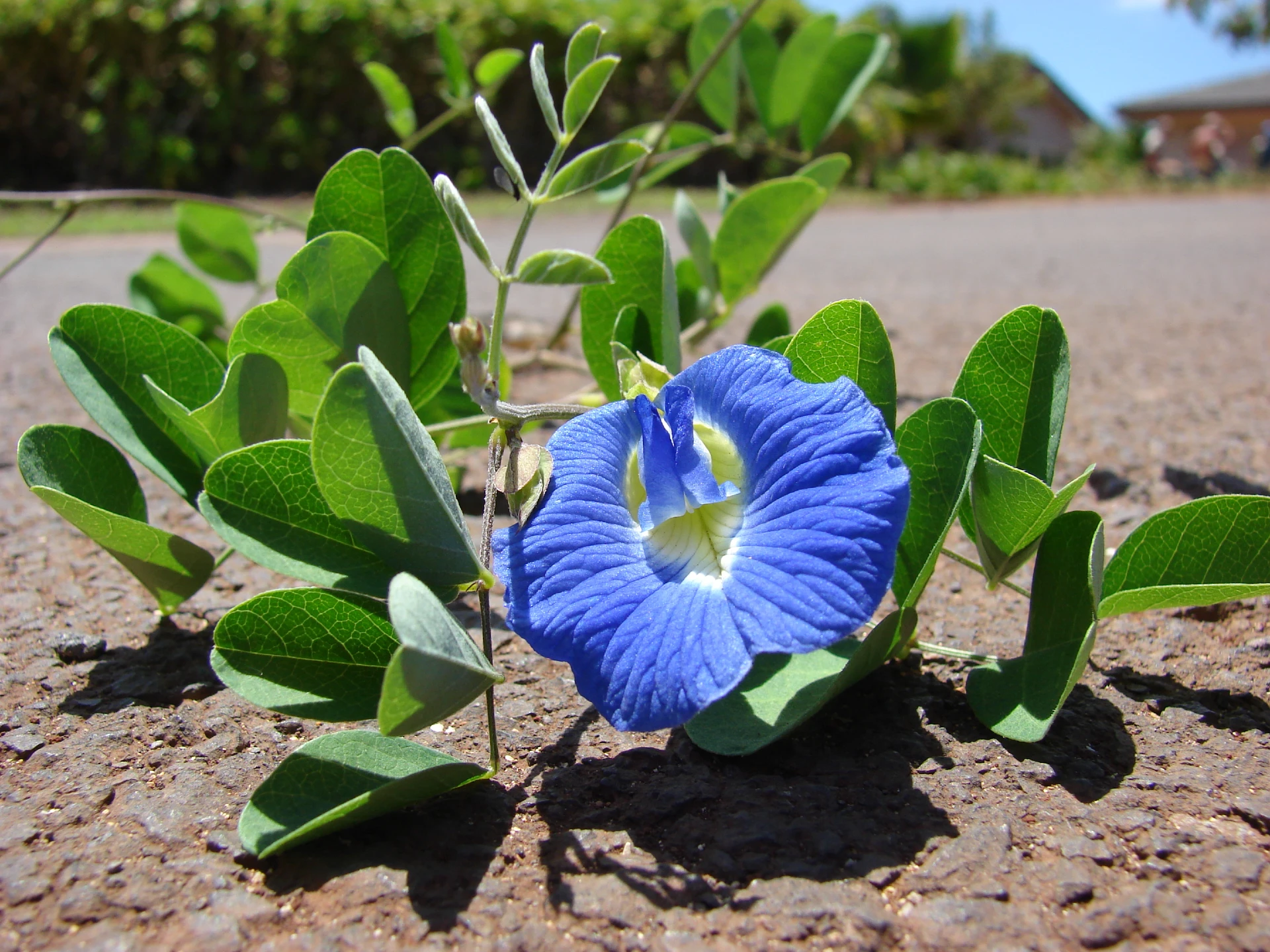
The butterfly pea plant is a climbing vine that blooms and provides you with edible peas when harvested young. 😋
Still, most gardeners grow the butterfly pea flower for the vivid blue-purple-white flowers and the green foliage.
These vines grow ten feet long with a twining habit and keep them neat and tidy up to three feet tall. The blooms during summer produce a natural food dye belonging to the pea family.
Another interesting thing is people used the plant in traditional Ayurvedic medicine.
Plant Name: Clitoria ternatea
Other Name: Butterfly Pea Plant, Asian Pigeon Wings, Blue Pea, Darwin Pea
Plant Type: Tropical herbaceous perennial
Native Areas: Indonesia
Light Requirement: Full sun
Watering: Average
Fertilizer: Compost, manure, or balanced fertilizer
Toxicity: Non-toxic
Temperature: Warm regions
Propagation: Plants and seed
Growth: 10 feet long vines reaching 3 feet tall
Soil Type: Moist, well-draining soil
USDA Hardiness Zones: 11-12
More About Clitoria Ternatea

The butterfly pea flowers, known as Clitoria ternatea, belong to the Fabaceae family and are prized for the flowers and edible peas when harvested young. The Asian pigeonwings, another common name, have a twining habit of up to three feet tall and can stretch to ten feet.
The medium green leaves are broader at the base and have a tapering point. Still, this native Indonesian tropical legume is short-lived when growing in USDA zones 11 to 12. In most parts, it is cultivated annually or grown in pots to overwinter indoors as a biennial.
In Asian cuisine, blue flowers are natural food coloring and are edible. People add it to beverages, and a popular variety is the Butterfly Pea Tea. But in most parts, it is grown as an ornamental and reclamation plant to fix nitrogen in the soil.
A fun fact is the flowers 💐 themselves do not have much flavor and are mostly valued for their color. When added to water, the flowers turn liquid to blue and are combined with citrus to make them purple.
Clitoria Ternatea vs. Clitornia Mariana
There are two varieties called butterfly pea flowers, but the Clitoria mariana is a wildflower growing in the southern United States and sprawls along the ground. It has a violet-blue to lavender color with a purple center compared to the yellow in the Clitoria ternatea.
Still, the butterfly pea flower of the Clitoria mariana is mostly a forage plant and not cultivated for consumption.
Butterfly Pea Flower Care
The butterfly pea flower is a hardy plant that needs warmth to grow with full sunlight. You can grow butterfly peas easily from the plants and seeds presented by specialty growers.
You can start the seed indoors about ten weeks before the final frost or directly sow the seed in your garden in early spring when you
live in zones eleven and higher. For bought plants and seedlings, you can plant them when the soil temperatures and air reach 60°F
Butterfly Pea Plants Planting Spot
We recommend choosing a location where your plants can receive up to ten hours of bright direct sunlight daily. Ensure that the soil drains well, as it is essential.
Direct sow the butterfly pea vine seeds an inch deep, spacing them up to four inches apart.
For seedlings, space them ten inches apart, keeping them at the same level as in the original container.
For container-grown Cilitoria terntea, sow the seeds in a six- to 14-inch diameter pot about one inch deep and two inches apart once seedlings reach six inches tall thin them out to two per container.
For container-grown or garden butterfly pea flowers, please provide them with a trellis, wall, or fence to vine along.
Suitable Light to Grow Butterfly Pea Flower
The blue pea will need loads of full sun for ten hours. We recommend avoiding areas in the garden where you have an overhead canopy of trees or other plants creating partial shade.
Blue Pea Prefers The Soil Moist

While the Southeast Asia vine can grow in different soil types, it thrives in sandy to fertile well-draining soils. It needs a balanced pH between 6.0 to 8.0.
Watering Clitoria Ternatea Flowers
These plants require one inch of water 💦 per week. Once your seedlings become established with a root system, it is drought tolerant and only need supplemental irrigation when very hot or in dry conditions. People grow blue peas as a cover crop to rectify the soil.
We also recommend consistent watering at ground level to prevent fungal issues like powdery mildew on the leaves.
Temperature and Humidity
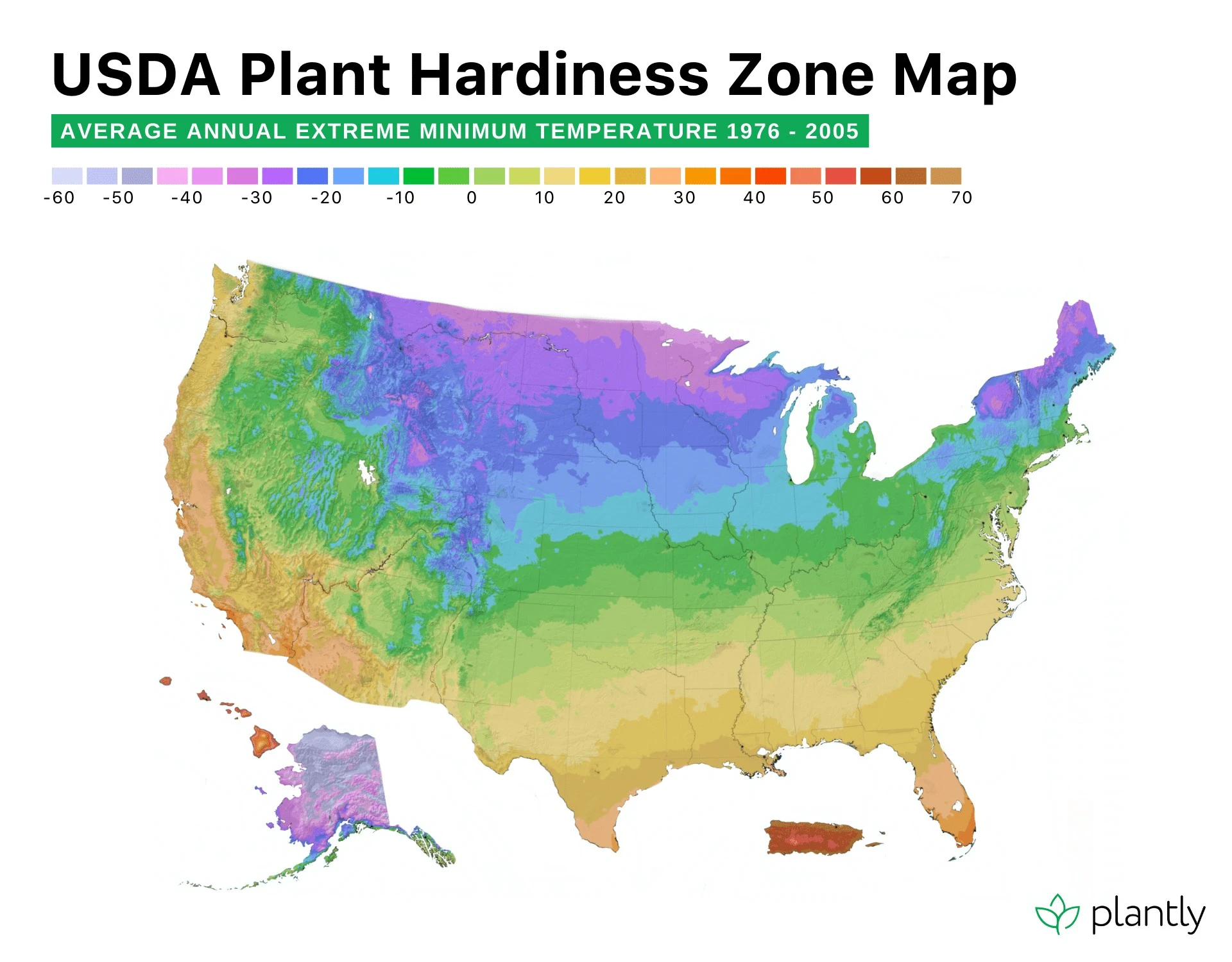
The flower is a tropical plant that thrives with moist air and temperatures between 70°F and 100°F. It is only hardy to grow in the growing zones 11 to 12. The plant cannot survive frost; it is grown annually or in a container in colder climates.
With indoor Asian pigeon wings, please provide them with misting, or you will need to raise the humidity with a pebble tray or humidifier.
Overwintering
On the north side of zone nine, you can bring your potted plant indoors to stand in a location to receive six hours of direct sunlight daily. Also, mist your plant occasionally to mimic the tropical conditions and leave the soil surface to dry out between watering.
It helps to remember that mature plants are pretty drought-tolerant, so please keep this in mind.
Fertilizing

You can use compost, manure, or a balanced fertilizer when you plant your butterfly pea flower. Preferably use a liquid fertilizer high in potassium and phosphorous to help boost the blooms applied twice annually after pruning.
Pollination of Clirtoria Ternatea
These perennial plants have both male and female parts and are self-pollinating. Still, the flowers will need pollination from bees to produce the peas. It will not produce fruits for indoor plants unless you provide them with hand-pollination.
Growing Butterfly Pea Flower in Pots
The pea plant proliferates in a container but needs good drainage and support to climb. The best time to start seeds is in early spring in flats to transplant to individual containers, and you can keep them outdoors until summer to bring them indoors when temperatures drop.
Fill containers with potting soil and add some compost to make 1/4 of the mix.
For bought seedlings, you can plant them in the middle of the container, keeping them at the same level as the original pot.
Fill around the roots, then add a trellis or use a stake for support.
Water well allowing excess water to drain from the holes and place the pots in bright light to receive six hours of sunlight like a sunny window. You can keep them outside; when temperatures drop below 60°F, bring them inside.
Prune the tips of vines regularly, which can be done any time of the year.
The twining vine grows as an annual or biennial, and it is best to save seeds in zone 9 to ensure you always have the plant available. We recommend repotting them annually to help replenish the nutrients in the potting medium.
Pruning to Encourage Bushy Growth
When you grow butterfly pea plants, it helps to prune them to keep them compact and bushy. To increase flower production, you can remove the growing tips and deadhead the spent deep blue flowers. If you want to harvest the seed or peas, leave the flowers in place.
Also, harvest the edible peas when small or remove the brown to dry pods for harvesting seed.

Propagating Butterfly Pea Flower
You can propagate the butterfly pea flower using cuttings or planting seeds.
Using Cuttings
Cut a five-inch long cutting from the woodier portion of the vine from a mature plant with a bud at the top.
Prepare a glass with water and remove the lower leaves of the cutting. First, dip the cut end into a rooting hormone, then in the water or directly into a potting mix.
Roots will form in about two to three weeks, followed by flowers opening up in three weeks after it becomes established.
For growing in potting soil, keep the soil moist and in a warm location with morning sun and afternoon shade. Doing this will allow the plants to acclimate.
Sowing Butterfly Pea Seeds
Depending on where you live, you can plant seeds sown directly into the garden or pots. You can buy seeds online, or you can harvest the seeds yourself.
Choose mature pods that are dark brown and hard.
Soak seeds in a water bowl to discard the ones that float.
Knick each seed using a knife and leave them to soak in water for 24 hours.
Plant them one inch deep and space them six inches apart in pots. When starting them in flats, you can thin them out to transplant them into individual containers when they have three sets of leaves.
Keep them moist and keep the temperatures above 80°F.
Germination can take up to six days to three wee
Common Pests and Plant Diseases
While the butterfly pea plant is not bothered by many pests or diseases, they are vulnerable to fungal infections. Insects that bother the plant are aphids and spider mites, but you can knock them off using a strong water spray. Or use a neem oil spray to treat infestations.
Overwatering can result in bacterial soft rot, powdery mildew, or mold.
Whether you want to buy, sell, or simply reach out to other plant enthusiasts, Plantly is the right place to be!