Nothing compares to the beauty of the Carolina cherry laurel for an evergreen tree with fragrant white flowers to grow in your garden as an accent plant or shrub.
The trees attract wildlife like small mammals, birds, and pollinators to the garden. But one important notable thing before you invest in this tree is to know that it has high-severity poison characteristics. 🧪
So please do take note of this before investing in one. But now you may wonder how difficult it is to care for this plant as it can self-seed and become invasive in some parts. We are here to help you with tips for caring for this cherry laurel.
Plant Name: Prunus caroliniana
Other Name: Carolina Cherry-laurel, Cherry-laurel, Laurel Cherry, Carolina Laurel Cherry
Plant Type: Perennial Trees
Native Areas: Southern United States
Light Requirement: Full sun to light shade
Watering: Medium
Fertilizer: Fertilizers made for an evergreen shrub
Toxicity: Toxic to humans and pets
Temperature: Cannot tolerate cold
Propagation: Seed and soft or semi-hardwood cuttings
Growth: 40 feet tall
Soil Type: Well-drained soil
USDA Hardiness Zones: 7-10
More About Carolina Cherry Laurel

The Carolina laurel cherry tree’s botanical name is Prunus caroliniana, but it also goes by the name Laurocerasus caroliniana. The laurel cherry can grow as a tree or with dense racemes as a shrub.
It has a pyramidal to oval shape with firm, smooth evergreen narrow elliptic leaves 🍃 tapered at the pointed tips and base. The margins are smooth on trees with thin, pointed teeth on the sapling and the roots when they sprout.
The upper surface of the plants is shiny and dark green, while the lower surface is dull and light. The leaf venation has an almond flavoring and is poisonous—white to cream flowers form in elongated clusters in spring, followed by shiny black fleshy berries.
You can grow it as an ornamental tree or a large hedge, and it can often escape from cultivation. The birds consume the dry fruit. 🍒
Carolina Cherry Laurel Care
The Carolina cherry laurel you found in the natural range of the southern to southeastern United States. You get to enjoy spring flowers with established plants attracting bees, but the fruits can cause litter, and it is a quick-growing plant with simple maintenance.
The reddish-brown bark stands out, but it will self-seed and can destroy a host plant.
Best Soil For This Evergreen Shrub
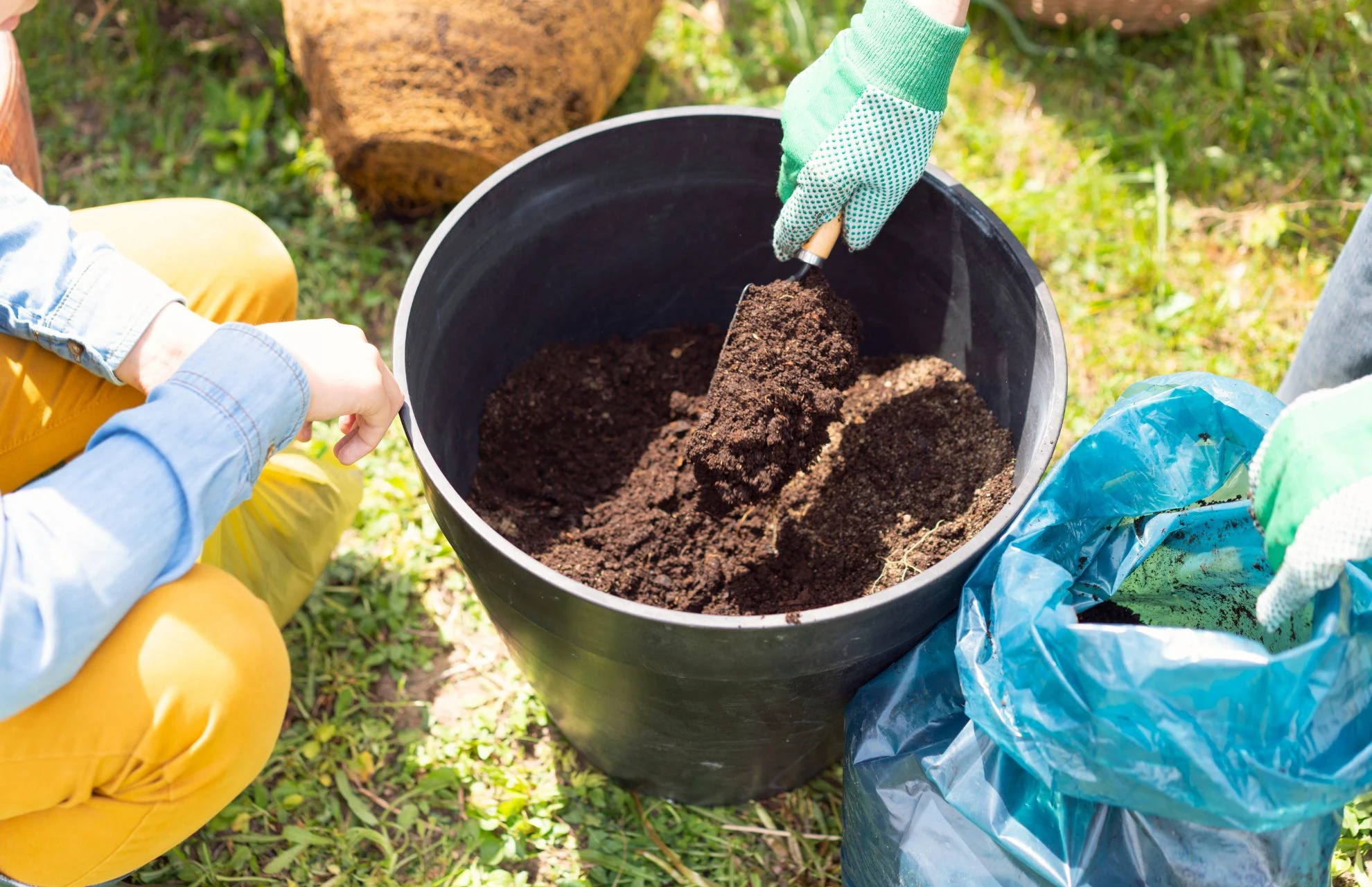
An important thing for the Prunus caroliniana is to provide it with good drainage as the plants have a good drought tolerance. It grows in nutrient-poor soils as well. Still, it can lead to heat stress when grown in rocky soils, while clay soils can cause root rot.
Lighting Needs For Prunus Species

The Prunus caroliniana adapts well to different light conditions, from full sun to partial shade. But grown as a small tree, it benefits more from growing in the morning sunlight with some shadiness in the afternoon.
Watering Carolina Laurel Cherry
As mentioned, Prunus caroliniana is drought tolerant to some extent but prefers to have moist soil, not soggy leading to root rot.
Temperature and Humidity For Prunus Caroliniana

The cherry laurel can thrive in different temperatures but will not survive frost. They grow best in temperatures between 59°F to 68°F.
The plants can suffer from exposure to cold temperatures in icy regions. You can place a protective burlap around your evergreen tree to prevent the leaves from browning or falling.
Keep it covered from winter to early spring after the last frost passes.
Fertilizing Prunus Caroliniana

If you want your evergreen shrub to grow faster, you can boost it with an ornamental tree feed.
Pruning Prunus Caroliniana
Timing matters when you prune these plants, and it is best to aim for late spring or early summer after it blooms. You can easily prune the green twigs to control the seeds‘ size and spread.
Propagating Prunus Caroliniana
You can propagate these trees using stem cuttings planted and watered in a sheltered part of the garden. Choose a healthy plant and cut below a node on the green twigs about six inches long.
Remove the bottom leaves, dip the cut end into a rooting hormone, and place it in a container filled with a potting mix. Keep the pot in a warm spot and moist but not soggy. In about three weeks, you can transplant your cutting into the garden.


Carolina Cherry Laurel Similar Trees or Varieties
When it comes to the Prunus genus, you can find a few cultivars that include:
‘Otto Luyken‘ is a compact plant you can grow as a hedge. It reaches up to four feet high.
‘Schipkaensis’ has a spreading habit with upright growth with glossy narrow foliage. It can reach up to 10 feet tall.
‘Zabeliana’ reaches four feet high but can spread up to 12 feet and is slowly growing, making it a popular choice for ground cover in small gardens.
Prunus caroliniana Common Diseases and Pests
While mostly pest and disease free, it can still become susceptible to aphids, scale insects, verticillium wilt, and powdery mildew.
Whether you want to buy, sell, or simply reach out to other plant enthusiasts, Plantly is the right place to be!