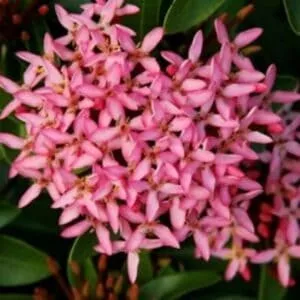
Catnip, scientifically known as Nepeta cataria, is a beloved member of the mint family renowned for its attractive foliage, light pink flowers, and undeniable allure to cats.
This hardy plant is a favorite among our feline friends and a delightful addition to gardens and indoor spaces.
Whether you’re a seasoned gardener or a curious beginner, this detailed guide will walk you through how to plant and grow catnip successfully, ensuring a bountiful harvest and happy cats.
Another interesting thing is it is one of several plants safe to have around your feline friends.


Catnip Plant Growing Guide Table
Plant Name: Nepeta cataria
Other Name: Catnip
Plant Type: Hardy Perennial
Native Areas: Europe, Asia
Light Requirement: Full Sun to Partial Shade
Watering: Moderate
Fertilizer: Balanced Fertilizer
Toxicity: Non-toxic to cats but may cause digestive upset in large quantities
Temperature: 60-75°F (15-24°C)
Propagation: Seeds, Cuttings
Soil Type: Well-drained soil
USDA Hardiness Zones: 3-9
Quick Guide to Growing Catnip Plants

Growing catnip is a straightforward and rewarding experience, whether cultivating it for your cats or as a lovely addition to your garden. This quick guide provides essential steps and tips to help you plant and grow catnip plants successfully.
Best Time to Plant Catnip: Spring, after the last frost date has passed.
Distance: Plant catnip seeds or seedlings 18-24 inches apart for bushy growth.
Type: Well-drained soil is essential. If planting in containers, use a moist, soilless potting mix and improve drainage as needed.
pH Level: Aim for a slightly acidic soil pH of around 6.0-7.0.
Sunlight: Catnip grows in full sun but can tolerate some afternoon shade, especially in hot climates. Ensure they receive at least 6 hours of direct sunlight daily in a sunny window growing in pots.
Frequency: Water moderately, keeping the soil moist but not waterlogged/ Wilting or yellowing leaves may indicate excessive moisture.
Ideal Temperature: 60-75°F (15-24°C) is optimal for catnip growth.
Humidity: Adequate air circulation helps prevent fungal growth and diseases.
Type: Use a balanced fertilizer once a month during the growing season. Too much fertilizer can lead to excessive foliage at the expense of flower production.
Timing: Harvest leaves and stems once the plants reach a height of 12-18 inches. Cut stems just above a leaf node to encourage new growth.
Catnip Plant Care

Catnip is a versatile and fascinating herb with a special allure for cats, offering aromatic and medicinal benefits for humans. Whether you’re a seasoned gardener or a beginner looking to cultivate this delightful plant, understanding the critical aspects of catnip plant care is essential for success. Let’s delve into the world of catnip and discover how to nurture these captivating plants effectively.
Soil and Water
Catnip grows well in well-drained soil with good drainage. Choose high-quality soil types like a soilless potting mix if planted in pots.
Keep it moist but not waterlogged to prevent root rot and fungal growth. Also, ensure whether growing one plant or more has good drainage. Alternatively, you can grow catnip directly into the ground.
Warning: When planting, some catnip, like Nepeta mussinii, are considered invasive as they spread with underground runners and can take over the garden. Hence, it is best grown in a pot instead of a garden.
Light
Catnip prefers full sun but can tolerate some shade in the afternoon, especially in hot climates. Ensure your catnip receives at least six hours of direct sunlight daily for optimal growth and development in pots and the garden, depending on the variety you have.
Temperature and Humidity
Growing catnip is a hardy herb that thrives in moderate temperatures, making it relatively adaptable to various climate conditions within its recommended USDA hardiness zones of 3-9.
Optimal Growth Temperature: Catnip prefers daytime temperatures ranging between 60-75°F (15-24°C) for robust growth and development.
Cold Tolerance: It exhibits good cold tolerance, allowing it to withstand occasional frosts in cooler climates. Yet, prolonged exposure to freezing temperatures can damage the plants, so protecting against extreme cold spells is advisable.
Heat Sensitivity: While catnip can tolerate warmer temperatures in a hot climate, it may exhibit reduced vigor and increased susceptibility to pests and diseases in extreme heat conditions.
Humidity levels can influence catnip’s overall health and resilience, particularly in regions with fluctuating moisture conditions.
Moderate Humidity: It prefers average humidity levels, ideally 40-60%. High humidity, especially with poor air circulation, can create a conducive environment for fungal diseases like powdery mildew.
Air Circulation: Ensuring good air circulation around your plants helps reduce humidity levels around the foliage, minimize the risk of fungal diseases, and promote overall plant vigor.
Indoor Considerations: Maintaining consistent humidity levels can be challenging for those growing catnip indoors. Using a humidifier or placing the plants in a well-ventilated area can help create an environment conducive to healthy growth.
Fertilizer
Feed your catnip plants with a balanced fertilizer monthly during spring and summer. Avoid over-fertilizing, as this can lead to excessive foliage growth at the expense of flower production.
Propagation
Catnip can be propagated from seeds or cuttings. To plant catnip from seed, sow seeds directly on the soil surface or lightly cover them with potting mix. Keep it moist and provide warmth for germination. For cuttings, take 3-4 inch stem cuttings from mature plants and place them in a moist potting mix until roots develop.
Potting
When planting catnip in a pot, choose a container with drainage holes to ensure adequate drainage. Use a high-quality potting mix and space catnip plants at least 18-24 inches apart to allow for bushier growth. Still, if you have many cats, preferably grow catnip in the garden and keep it pruned in limited space, as this hardy herb is an aggressive grower.
Catnip Common Pests and Troubleshooting

Catnip is generally a resilient and low-maintenance plant, but like any other species, it can be susceptible to certain pests and diseases.
Common Pests
Aphids:
Signs: Tiny, soft-bodied insects cluster on the undersides of leaves, often causing yellowing or curling of foliage.
Treatment: Use insecticidal soap or neem oil to control aphid infestations. Ensure thorough coverage, especially on the undersides of leaves.
Spider Mites:
Signs: Fine webbing on the plant, stippled or discolored leaves, and overall weakened appearance.
Treatment: Regularly hose down plants to disrupt mite habitats, and consider using predatory mites as a biological control.
Flea Beetles:
Signs: Small, jumping beetles that chew tiny holes in leaves, resulting in a lacy or skeletonized appearance.
Treatment: Apply a layer of floating row cover to protect plants along with your outdoor plants, and use insecticidal sprays if infestation is severe.
Common Diseases
Powdery Mildew:
Signs: White, powdery spots on leaves can eventually cause leaf distortion and yellowing.
Treatment: Improve air circulation around plants by spacing them adequately and applying fungicidal sprays containing sulfur or potassium bicarbonate.
Root Rot:
Signs: Wilting, yellowing leaves despite adequate watering and dark, mushy roots.
Treatment: Ensure the soil has drainage and avoid overwatering. Consider applying a fungicide labeled for controlling the symptoms if they persist.
General Troubleshooting Tips
Sanitation: Regularly remove any dead or diseased leaves from the plant to prevent the spread of pathogens and pests.
Cultural Practices: Maintain proper spacing between plants to ensure good air circulation and avoid overhead watering to minimize moisture-related issues.
Monitoring: Regularly inspect your catnip plants for signs of pests or diseases, and take prompt action at the first sign of trouble to prevent escalation.
Harvesting and Storing Catnip Plants
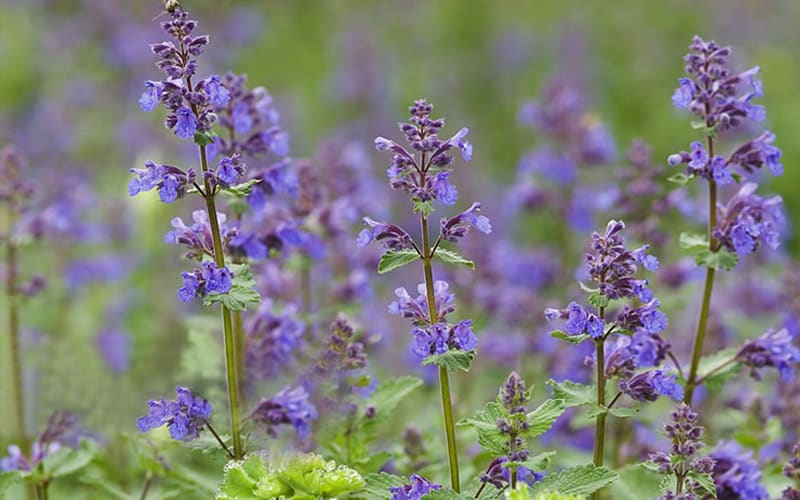
Harvesting and storing catnip is a straightforward process that allows you to preserve the plant’s aromatic leaves and flowers for various uses, including making cat toys, herbal remedies, or simply enjoying the calming effects of this beloved herb.
Timing the Harvest
Flowering Stage: The optimal time to harvest catnip is when the plant is in full bloom, typically during summer. At this stage, the essential oils responsible for the plant’s characteristic fragrance and therapeutic properties are most concentrated.
Morning Harvest: Aim to harvest catnip in the morning after the dew has dried but before the day’s heat. This timing helps preserve the plant’s essential oils and minimizes wilting.
Harvesting Methods
Pruning Shears or Scissors: Use clean, sharp pruning shears or scissors to cut the stems just above a leaf node, encouraging new growth. Avoid tearing or crushing the stems to preserve the plant’s aromatic compounds.
Selective Harvesting: You can selectively harvest individual leaves or flowers as needed, although this method may be more time-consuming. Or harvest enough fresh catnip (Nepeta cataria) from young plants for indoor cats to enjoy.
Drying Catnip
Air Dried: The most common method for drying catnip is air drying. Bundle several stems and hang them upside down in a well-ventilated, dry area away from direct sunlight. Allow the catnip to dry completely, which may take 1-2 weeks, depending on environmental conditions.
Dehydrator: Alternatively, you can use a dehydrator set to a low temperature (around 95°F or 35°C) to speed up the drying process.
Storing Dried Catnip
Storage: Once dried, remove the leaves and the small white flowers from the stems and store them in an airtight container, such as a glass jar, to preserve their potency and fragrance.
Cool, Dark Place: Store the dried catnip in a cool, dark place away from heat and sunlight, as exposure to light and high temperatures can degrade the plant’s beneficial compounds over time.
Freezing Method: For long-term storage, you can freeze-dry catnip in airtight freezer bags or containers. Freezing helps retain the plant’s potency and aroma for extended periods. Or you can place it in the freezer overnight to take out in the morning.
Shelf Life
Optimal Potency: Properly stored dried catnip can maintain its optimal potency and fragrance for up to one year. Nonetheless, using or replacing stored catnip within 6-12 months is advisable for the best results.
Hot Tip🔥: We all know cats love catnip and other houseplants. We recommend checking how to keep cats out of houseplants to prevent them from overindulging.
Whether you want to buy, sell, or reach out to other plant enthusiasts, Plantly is the right place to be!