It’s that time of year when the air turns crisp, the leaves change color, and eerie decorations take over our homes and gardens.
But did you know nature can provide some of the spookiest elements 👻 for your Halloween display? Some Halloween plants have creepy appearances, sinister abilities, and dark histories, making them perfect for creating a chilling atmosphere in the garden or home.
In this post, we’ll explore a variety of spooky plants that can add a touch of fright to your Halloween garden, from carnivorous plants to those with eerie appearances and frightening histories.
The Creepy Carnivorous Plant

Carnivorous plants wiil add a touch of mysticism to any Halloween decor. These sinister insect-trapping plants give them a unique, creepy vibe that will send shivers down your spine.
These bizarre plants have evolved to capture and digest insects, making them the perfect scary plant for adding a spooky touch to your indoor or outdoor space.
Here, we delve into some of these plants to bring a touch of horror to you indoors. Each of these plants has its own unique method of capturing insects.
So, add an element of the macabre to your Halloween display.
Venus Flytrap (Dionaea muscipula)

The Venus Flytrap, or Dionaea muscipula, is perhaps the most famous carnivorous plant, known for its snapping leaves and insect-catching skills.
Native to North and South Carolina, this creepy plant lures insects with sweet nectar before snapping shut to trap them inside.
The Venus Flytrap is considered a vulnerable species by the National Wildlife Federation, making it one of the spooky plants that need our protection.
Imagine having your own Little Shop of Horrors in your garden, complete with the eerie presence of rotting meat! The critical thing to remember is:
The Venus Fly Traps need full sun for up to six hours daily, and keeping them in a sunny window or grown outdoors is ideal.
The plant grows in well-draining soil and prefers distilled water, rainwater, or purified water.
The entire plant grows well in high humidity, and you need to catch insects to feed them.
These are sensitive plants, and they help to mimic the environment in which they grow if you want to keep them on display throughout the year and not only on Halloween. So, keep an eye out when you grow indoors to see the plant’s leaves snap shut.
Cobra Plant (Darlingtonia californica)
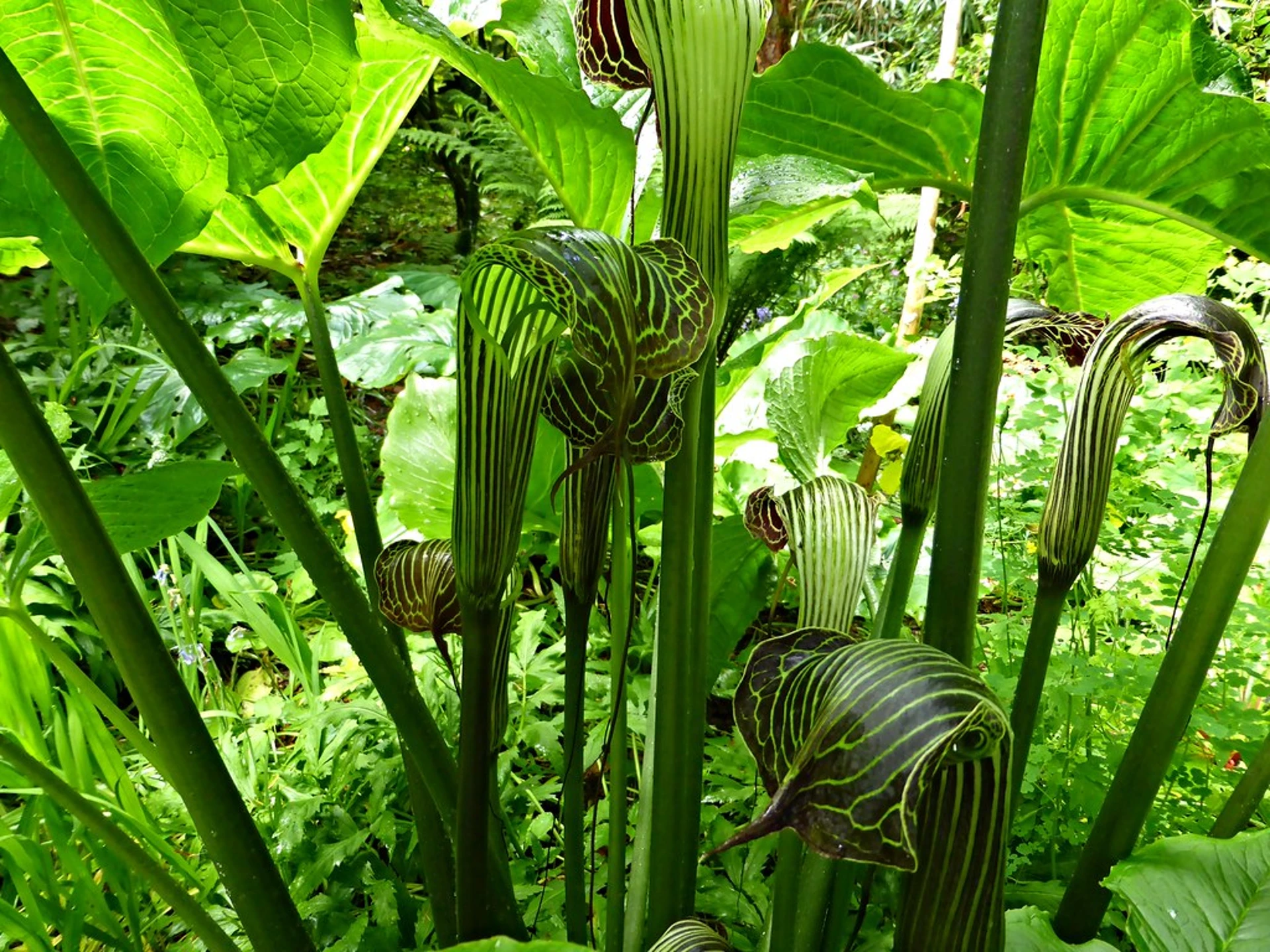
The Cobra Lily, also known as Darlingtonia californica or California pitcher plant, is another fascinating Halloween plant that adds a spooky touch to your garden.
Native to swamps in northern California and southern Oregon mountain areas, the Cobra Lily has tubelike leaves that flare out at the end like a hood. The forked protuberances make them look like cobras with fangs bared, giving this plant a sinister appearance.
Cultivating the Cobra Plant is recommended for seasoned horticulturists, as it poses more challenges than other plants, such as the sensitive plant. Some care needs are:
Indirect sunlight is needed for the cobra plant, and it is best to avoid intense sunlight.
Use distilled rainwater or purified water to keep the soil moist but not soggy.
Ensure the soil drains well and provide high humidity to cool temperatures during the dormant period.
Also, allow the plant to capture its dung beetles and pray.
So, if you’re up for the challenge, the Cobra Plant will make a striking addition to your Halloween plant collection.
Cape Sundew (Drosera capensis)

Cape Sundew is a carnivorous plant with spindly forms and sticky tentacles that trap insects.
These creepy plants require high humidity and room temperature to survive, making them one of the most beautiful plants to add to your Halloween garden.
The Cape Sundew’s sticky tentacles snag insects for sustenance, adding an element of the macabre to your outdoor space.
Successful cultivation of Cape Sundew requires the following:
Maintaining humidity above 50%
Keeping at least room temperature
Regular watering
Ensuring complete drainage to prevent root rot
This spooky plant will certainly make a chilling addition to your Halloween decor.
Eerie Plants with Spooky Appearances

Some plants have an eerie appearance that can create a chilling atmosphere in your landscape, perfect for Halloween. Next, we present three creepy plants with peculiar and mystifying appearances that can metamorphose your outdoor to indoor space into a haunted paradise.
Brain Cactus (Mammillaria elongata cristata)

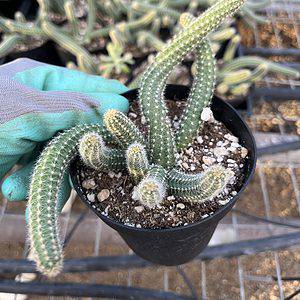
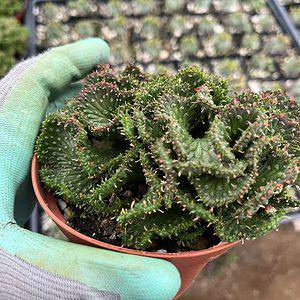
The Brain Cactus, also known as Mammillaria elongata cristata, is a unique succulent that resembles a human brain. Native to central Mexico, this bizarre plant has a crested shape that makes it look like a brain or a bundle of worms.
Its unusual appearance makes it a fantastic addition to your creepy Halloween exhibition. For the upkeep of your Brain Cactus, water it thoroughly but sparingly. It is a drought-tolerant plant. This fascinating plant thrives in a well-draining potting medium and can be grown indoors and outdoors.
The Brain Cactus is sure to be a popular pick for Halloween adornments, adding a creepy touch to your garden. So, add one to a skull container to keep with your other scary plants.
Bat Flower (Tacca chantrieri)
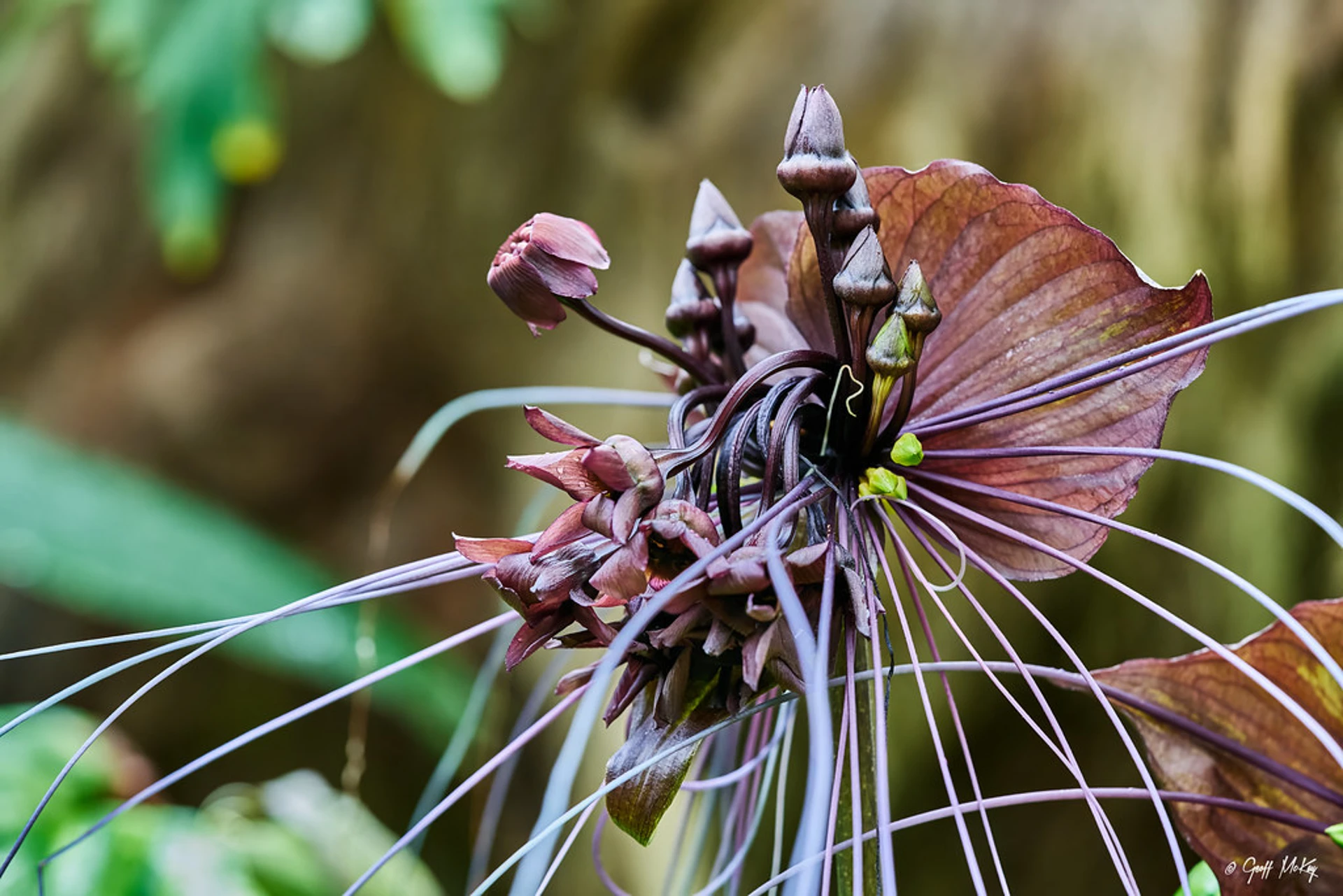
The Bat Flower is an exotic plant with dark purple, bat-like flowers, and long whiskers, perfect for adding a spooky touch to your home or garden. You can find many plants with this name, also called bat wings.
Native to Southeast Asia, this unique plant has flowers that can grow up to a foot wide, with whiskers up to 28 inches long, creating an eerie appearance. When grown in North America, the Bat Flower requires careful attention to maintain its delicate beauty.
Tending to your Bat Flower involves ensuring it remains moist, similar to other orchids, and regular misting is required in most homes for survival.
These creepy plants will be a showstopper in your Halloween garden.
Ghost Plant (Monotropa uniflora)
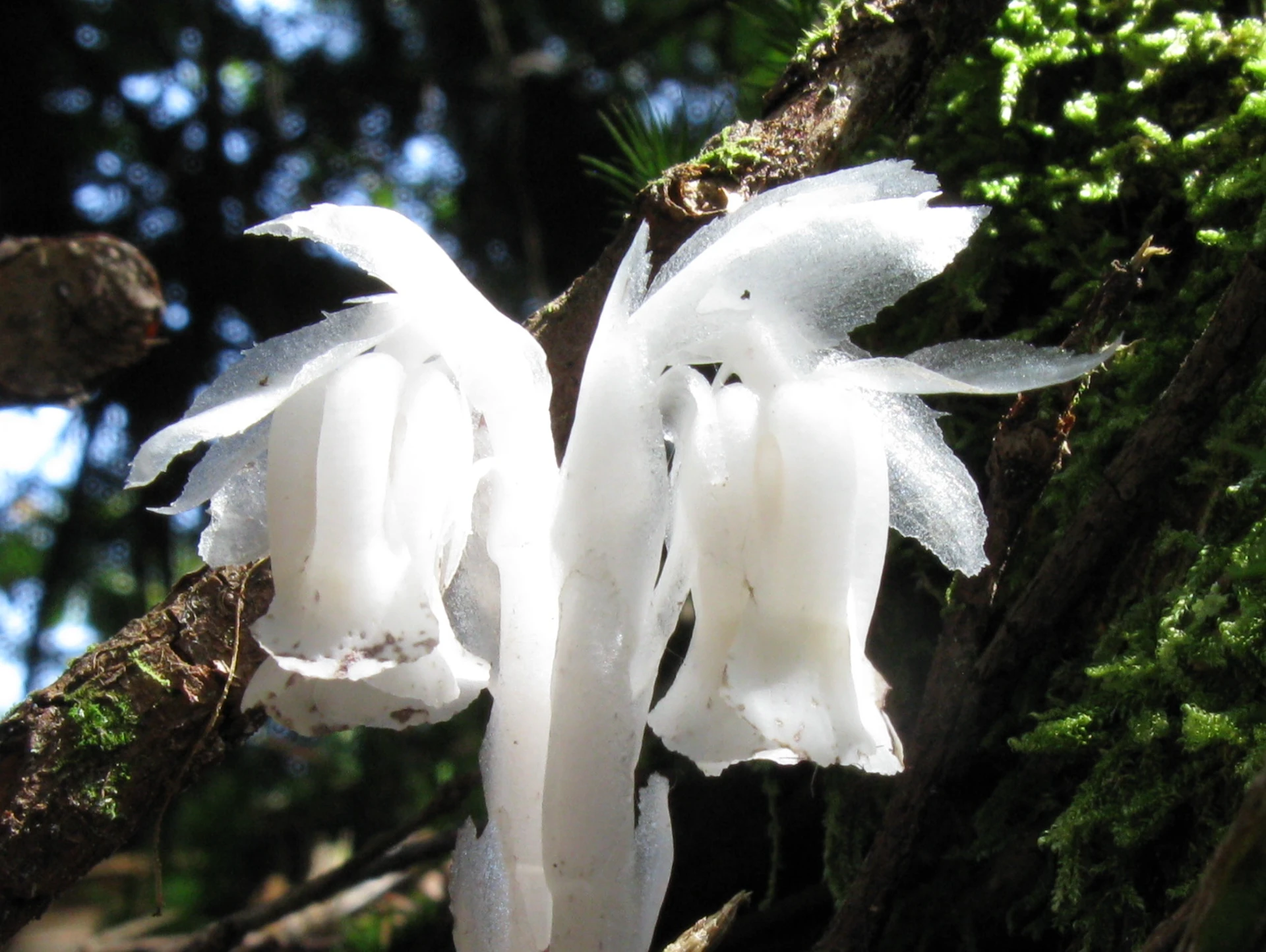
The Ghost Plant, also known as Monotropa uniflora, is a parasitic, white-colored plant that can survive dark places.
Native to eastern North America, this eerie plant is essential in maintaining healthy forest ecosystems by recycling nutrients, providing food for other organisms, and preventing ground erosion.
For the cultivation of the Ghost Plant, position it in a shady area with damp soil. Propagation can be achieved by splitting the root system or taking cuttings.
This mysterious plant will surely add a ghostly touch to your Halloween plants collection, creating an otherworldly atmosphere.
Corpse Flowers (Amorphophallus titanum)
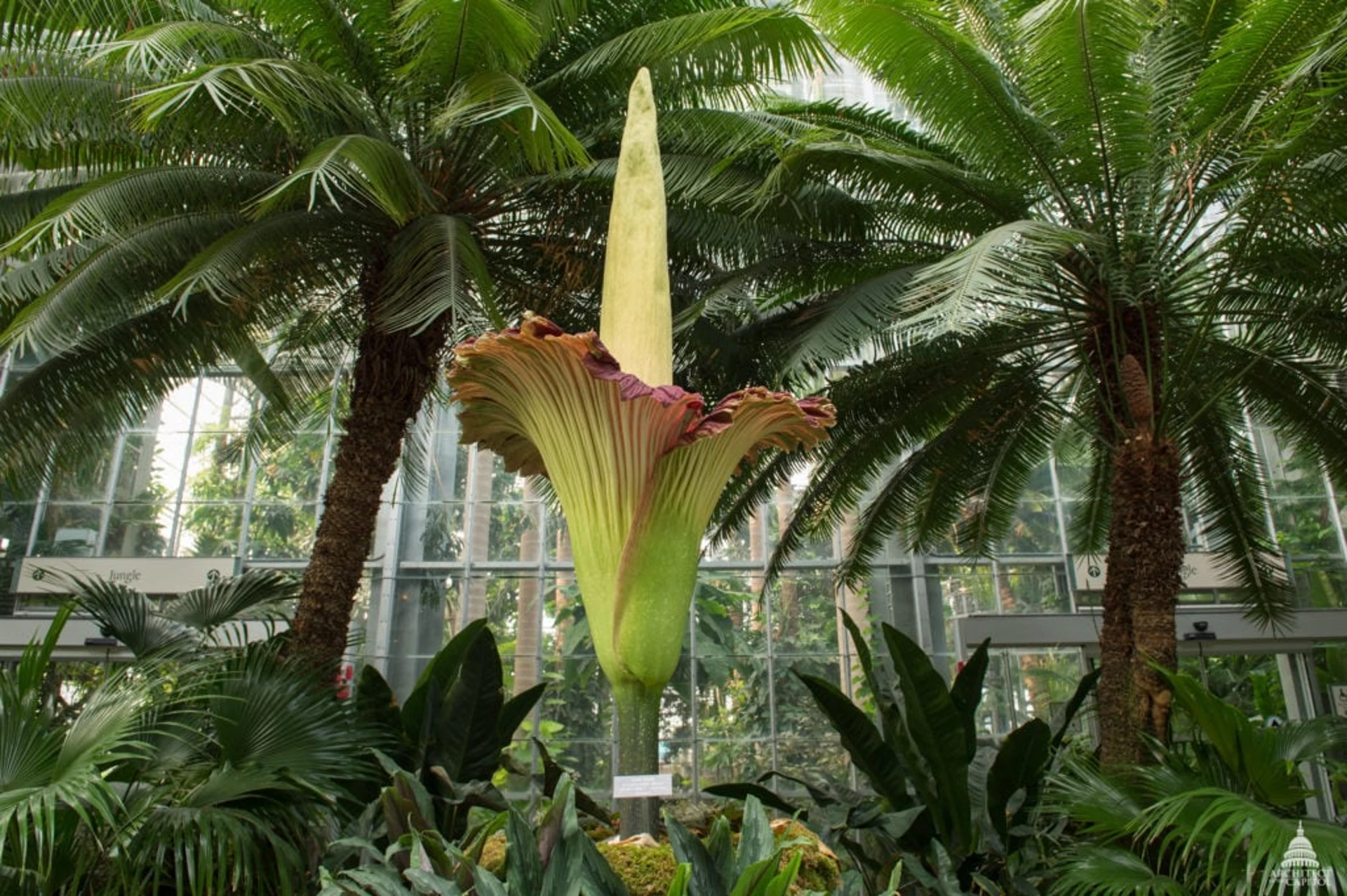
The corpse flower, scientifically known as Amorphophallus titanum, is a fascinating and rare plant known for its enormous size and distinctive odor of rotten meat.
It’s native to the rainforests of Sumatra, Indonesia. The corpse plant produces one of the largest flowering structures in the plant kingdom. When it blooms, it can reach heights of up to 10 feet (3 meters) or more.
Perhaps the most distinctive feature of the corpse flower is its foul smell, often described as resembling rotting meat. This odor attracts pollinators like carrion beetles and flies drawn to the smell of decaying matter.
The plants are known for their infrequent and unpredictable blooming cycles. It can take several years, even a decade or more, for a single plant to produce a bloom. It also has a short blooming period.
But one thing is certain: if you can get one, you will have some creepy plants.
Frightening Plants with Dark Histories

Some species have a dark history that can add a sense of danger and intrigue to your garden.
Next, we delve into three terrifying cultivars with intriguing histories, each injecting an element of the macabre into your Halloween display.
From vegetation used in ancient times for murder to those associated with sorcery, these plants will certainly add a chilling touch to your garden.
Wolfsbane (Aconitum napellus)

Wolfsbane is a beautiful yet highly toxic flower with a dark history of use in killing animals and humans. Its deadly properties have been employed throughout history for shady purposes, making it a dangerous plant to have around children and pets.
The plant’s toxic nature and dark past make it a perfect addition for those looking to add a sense of danger and intrigue to their scary plants’ collection. While handling Wolfsbane, wearing gloves and keeping it out of reach from children and animals is advisable.
Its beautiful appearance can be deceiving, hiding the deadly toxins within.
Deadly Nightshade (Atropa belladonna)

Deadly Nightshade is a poisonous plant with a dark history that has been rumored to have been used for murder throughout history.
Its toxic leaves, roots, and fruits contain dangerous alkaloids like atropine, making it a hazard to humans who come into contact with it. The plant’s association with death and danger makes it a chilling addition to any creepy plants.
Deadly Nightshade’s sinister past encompasses its usage in traditional medicine, as a hunting poison, and even as an instrument of murder.
This dangerous plant should be cautiously approached, as its beautiful appearance hides a deadly secret. Even thinking of the plant, it has a spooky name. It is said that the plant causes cardiac arrest.
Angel Trumpet Flowers (Brugmansia)
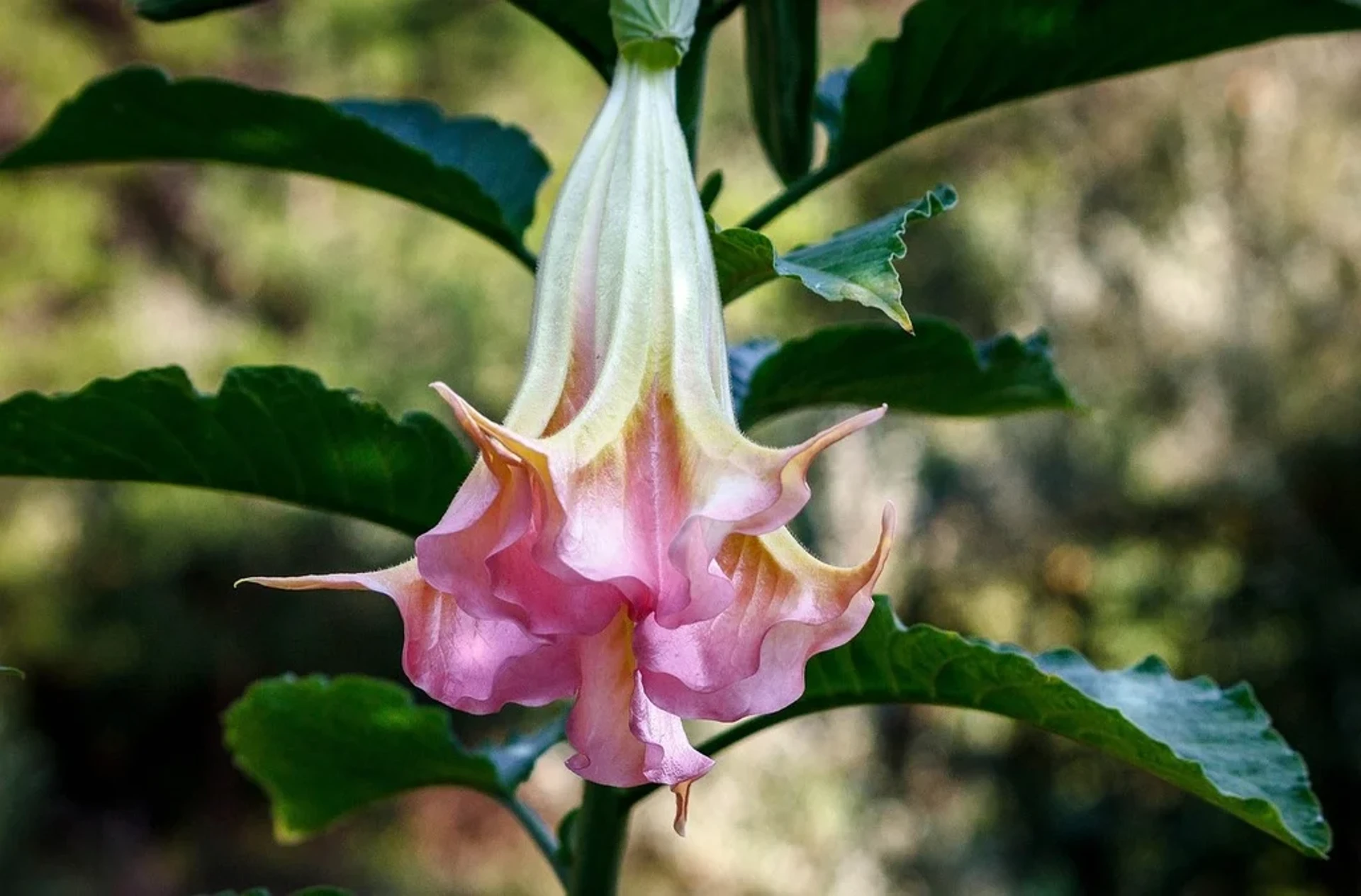
Angel Trumpet flowers are another toxic plant with hallucinogenic properties, historically used for black magic and calling forth the dead. This beautiful flowering shrub is native to South America and has been used in:
traditional medicine
spiritual practices
summoning the dead in tribal cultures
If you want to add a touch of the supernatural to your Halloween festivities, Angel Trumpet’s dark history and hallucinogenic properties make it a fascinating addition.
Nonetheless, it’s important to remember the plant’s toxic nature and potential dangers to humans and animals.
Doll’s Eye (Actaea pachypoda)
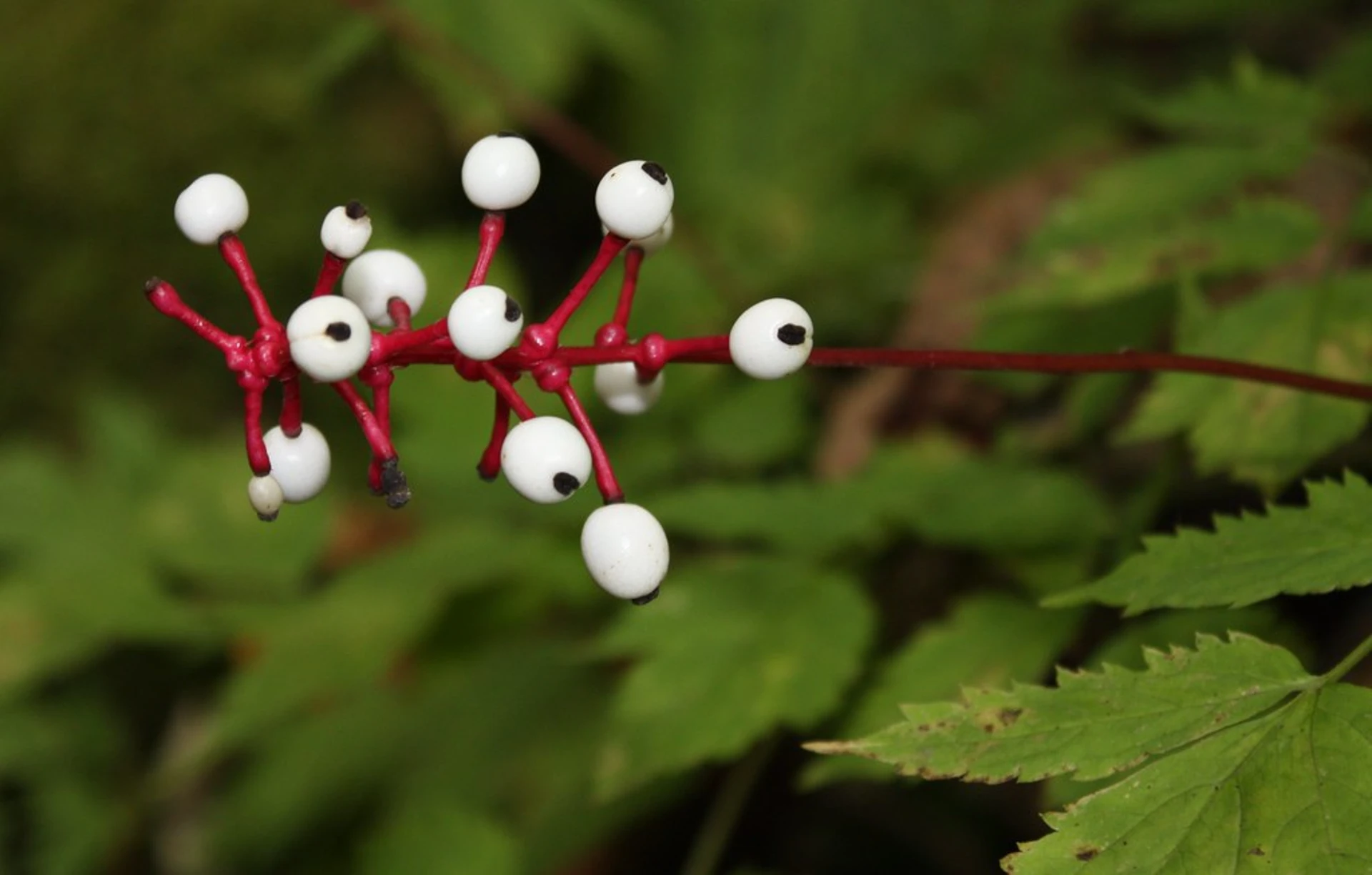
The “doll’s eyes” plant is a common name for a unique and visually striking North American wildflower known as Actaea pachypoda. It is also sometimes referred to as “white baneberry.”
This plant gets its intriguing name from its distinctive fruit, which resembles tiny white eyeballs with a black dot in the center, resembling a doll’s eyes. They are shade-loving plants typically found in forested settings and prefer to stay moist.
It’s important to note that all parts of the doll’s eyes plant, including the berries, are highly toxic if ingested. The berries contain cardiogenic toxins that can affect the heart, and eating even a small quantity can be dangerous.
Therefore, it’s best to admire this plant from a safe distance and avoid handling or consuming it.
Plants Perfect for Halloween Decorations
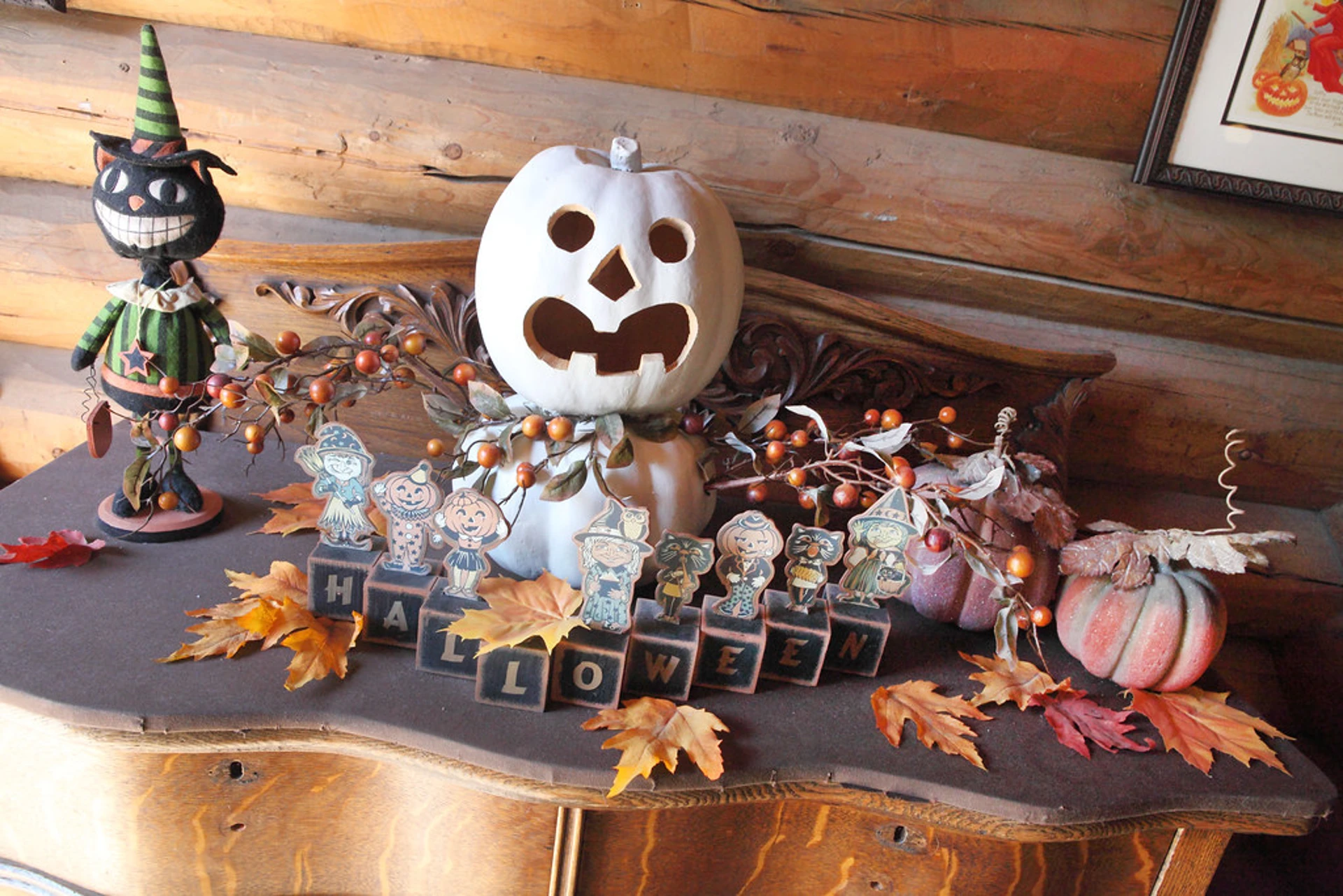
Some plants are perfect for adding a festive touch to your Halloween festivities. Next, we delve into plants that promise to elevate your Halloween adornments.
Chinese Lantern Plant (Physalis alkekengi)

The Chinese Lantern Plant, or Physalis alkekengi, is a nightshade family Solanaceae plant known for its unique and decorative orange seed pods.
These delicate, paper-like flowers become a skeletal, cage-like covering for their berry. The bright orange color of the seed pods makes them a perfect addition to your Halloween presentation, adding a spooky charm to your indoor space.
Though the Chinese Lantern Plant has centuries of use in traditional Chinese medicine, it is toxic and should be kept out of reach from children and pets. To grow this fascinating plant, provide soil that drains well and partial shade, and enjoy its eerie beauty in your Halloween collection.
Halloween Pansies (Viola x wittrockiana)

Halloween Pansies are cold-hardy flowers with black petals and yellow centers, creating a spooky ambiance in your garden.
These unique plants are perfect for adding a touch of Halloween spirit to your indoor or outdoor space, as their eerie appearance complements the traditional colors and themes of the holiday.
For effective cultivation of Halloween Pansies, follow these steps:
Ensure they get ample sunlight and water.
Plant them in well-draining potting media during spring.
Their resilience in colder weather makes them a great choice for chillier areas, ensuring your Halloween garden remains spooky and vibrant throughout the season.
Black Elephant Ears (Colocasia esculenta)

Black Elephant Ears, or Colocasia esculenta ‘Black Magic,’ is a dramatic plant with large black and purple heart-shaped leaves.
This striking plant is perfect for adding a bold touch to your decorations, as its dark foliage creates a mysterious and otherworldly atmosphere.
For the cultivation of Black Elephant Ears, follow these steps:
Position them in a damp, well-draining potting medium.
Ensure they receive partial shade.
They can be grown in the ground and in large containers, making them a versatile addition to your Halloween garden.
Regular watering and fertilization will ensure that your Black Elephant Ears thrive, adding a stunning and spooky element to your outdoor space.
Summary
We hope you found the variety of spooky plants that can add a touch of fright to your Halloween garden interesting.
From creepy to eerie plants with spooky appearances, frightening plants with dark histories, and plants perfect for decorations, these plants are sure to make your garden the talk of the town during the spooky season.
As you prepare your garden for Halloween, remember that nature can provide some of the spookiest elements for your display.
Embrace the eerie beauty of these plants and let them inspire your Halloween spirit, creating a chilling atmosphere that will captivate and intrigue your visitors. Even if some may smell like rotting fles
Whether you want to buy, sell, or simply reach out to other plant enthusiasts, Plantly is the right place to be!