A while ago, we wrote about growing cucumbers on a trellis, so please check out the article if you want to learn how to prevent your cucumbers from spoiling. But what about cucumber companion plants to grow with your delicious 😋 vegetable?
Today, we will show you what plants grow best when planting cucumbers and how they help benefit each other.
What is Companion Planting?

As the name implies, companion planting is growing a variety of species together to enhance each other’s growth. Together these plants add pest control with many other benefits.
Still, it all comes down to choosing the right plants with similar growth habits so they do not compete for nutrients, water, and space. In addition, the companion plants you choose need to ward off destructive insects to help make pest control more manageable.
Furthermore, the correct plants growing together can attract beneficial insects for pest control and pollination. At the same time, tall plants provide shade for certain low-growing plants.
Hence, you need to strategically grow plants in your vegetable garden bed, especially if you have a small garden.
Benefits of Companion Planting?
One thing seasoned gardeners believe in is companion planting, which increases the plant health and yield of crops like your cucumbers. Thus, selecting the right companion plants for cucumbers has many benefits that, include the following:
With the right cucumber companion plants it helps repel pests naturally
Many companion plants help deter certain diseases
The companion plants help minimize the completion of water, nutrients, and space
Some plants can add beneficial soil nutrients
The plants can provide stability for vining plants
While taller plants provide shade for your shade-loving species and ground cover plants
Best Companions For Cucumber Plants
Being picky about what you grow alongside cucumbers can mean the difference between a sparse or magnificent harvest.
The best cucumber companion plants can help repel pests naturally, and they do not compete with a member of the gourd family for nutrients and water. But, at the same time, worst neighbors can do just the opposite.
Still, what plants will improve soil nutrients and repel specific pests for your vining cucumbers? Furthermore, what plants should you stay clear of? Luckily, we have solved this for you by selecting some of the best cucumber companion plants.
But before you choose when to grow cucumbers, focus on how you want your vining plants to remain healthy. If you have certain pest insects you deal with, especially aphids or cucumber beetles, find a suitable plant to help deter them or attract beneficial insects.
Here are some tips before we show you the best cucumber companion plants:
Choose a plant that grows well in the same garden bed concerning the pH level.
Select plants that grow well in well-draining soils amended with organic matter.
The preferred soil pH level is 6.0 to 6.8.
The best neighboring plants need to share similar light conditions like full sun and need to benefit from some shade standing next to your vining cucumbers
Now that we have sorted that out let us look at some plants to grow with your cucumbers.
Marigolds Are Good Companion Plants

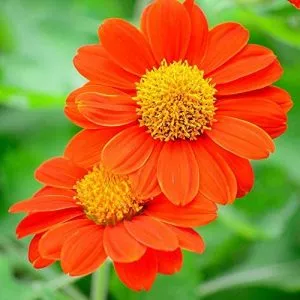
Marigolds are bright yellow and orange and work well to repel cucumber beetle, aphids, and hungry rabbits. Why? The blossoms have a musky floral aroma with sticky blooms. In addition, marigolds that grow alongside cucumbers bloom all season.
They attract beneficial insects like ladybugs that pray on pests. You can seed marigolds at the same time as your cucumbers in early spring. Or you can transplant them into the garden leaving a space of up to 10 inches from nearby plants.
Preferably sow the French marigolds that do not grow as large as the African marigolds.
Nasturtiums Attract Beneficial Predatory Insects

If you have the dreaded striped or spotted cucumber beetle chewing on the cucumber leaves and flowers, then nasturtiums will be a dream in your garden. The companion plant nearby displays vibrant flowers with foliage and repels bugs naturally.
They can repel:
Cucumber beetles
Squash bugs
Aphids
Furthermore, they attract beneficial insects like hoverflies that keep aphids in check. You can also enjoy eating the flowers as a summer savory on summer dishes as a peppery garnish. Another note of warning is that the species can double up 👆 as a trap crop.
So if they attract bugs from other plants, becoming a breeding ground for destructive insects, removing them is best. If you have a strong trellis, grow a climbing nasturtium with your vining cucumbers, as it will help save space.
Peas are an Excellent Companion Plant For Cucumbers

When growing cucumbers, they benefit from nitrogen, and the same applies to legumes like peas. As a result, summer field peas will eagerly vine next to your cucumber trellis, and you can harvest them simultaneously.
The peas will make nitrogen available, improving soil health for your cucumbers. The best is to directly sow your peas directly when doing the cucumber transplanting. You can plant groups of peas two inches apart in an alternating section from your cucumbers.
We recommend leaving a six-inch space between your cucumber plants and the pea groups.
Pole Beans, Legumes, and Bush Beans

Like peas, the pole bean close to cucumbers in vegetable gardens makes for a perfect pair. The pole beans will fix the soil’s nitrogen and climb a trellis without competing for space or light. Yet, it is only beneficial when trellising your cucumbers upwards.
Plant the beans in the same way you would do with your peas.
Sunflower Stalks to Attract Pollinators

To create a living trellis for your cucumbers, you can plant sunflowers for them to climb. Still, choose the jumbo ones for your veggie garden. The jumbo has strong sunflower stalks, and the huge flower heads protect vulnerable crops like cucumbers from the summer heat.
At the same time, the flower attracts bees to the garden. Therefore, the critical thing with companion planting sunflowers is to start before growing your cucumbers. Doing this allows the stalks to grow.
Two weeks after you direct-seed the sunflowers, you can plant your cucumbers about 12 inches apart adjacent to the sunflower rows. Or you can plant them between each sunflower row.
When the stalks reach three feet tall, you can train your vining cucumbers to climb the stalks. You can do this by twisting the tips around the base. But a note is that both these plants are heavy feeders.
Corn and Cucumber Plants is a Unique Garden Combo

Corn plants can act as trellis for your cucumber plants, becoming living trellises like sunflowers. Together these plants form a dense canopy that helps suppress weeds and provides shade for the cucumbers.
Hence the cucumber vines up the corn stalks, and you get double the harvest in your vegetable garden. Also, your corn needs a head start as with sunflowers by following the same planting method.
Ensure that the corn stalks are half-grown, about two inches thick before to support the cucumber vines. Furthermore, it works best when growing smaller-sized cucumbers like your pickling cucumbers🥒.
Oregano Is Excellent Companion Plants For Cucumbers

These aromatic herbs are great companion plants for a vegetable garden. The peppery aromatic leaves will repel your squash bugs to aphids. When it flowers, the purple blooms provide food for beneficial predatory insects like the lacewings.
The larva of the lacewing is a hungry predator that thrives on flea beetles, aphids, and cabbage worms. Sow the oregano on the borders or around raised beds with a space of 18 inches away from neighboring crops.
With the low growing habit forming a ground cover, it pairs well with a cucumber trellis but ensures it does get enough sunlight as they are not sun-sensitive plants. Another aromatic herb that is worth mentioning is dill.
The flowers attract beneficial insects like ladybugs, hoverflies, and parasitic wasps. Hence, you can get a natural pest repellent to control thrips, aphids, mites, and beetles.
Furthermore, both make a mean combination when pickling cucumbers.
Root Vegetables Like Radishes, Beets, Carrots, and Onions

Cucumber plants benefit from having other plants like beets, carrots, onions, and radishes close to them. Radishes sprout fast and repel the cucumber beetle. When you leave the radish to flower, it also draws pollinators.
But if you are growing kale, broccoli, or mustard greens near your cucumber crop, we recommend leaving the radish seeds out. The reason is that when you plant a few of them, you cannot grow other cole crops in the same garden soil for about two seasons.
In addition, it can increase the risk of attracting certain diseases and pests.
Another reason for growing the above root vegetables is that they do not spread or compete with your cucumber plants. These plants have shallow roots and will not deprive the cucumber of nutrients.

Worst Cucumber Companion Plants
When considering cucumber companion planting, you want to protect vulnerable crops and should not choose to plant any of the following with them. One reason is that they can attract the same pests like aphids/spider mites and diseases.
One Potato Two Potato

Planting potatoes and cucumbers together is terrible as both are thirsty plants. Hence, they will compete for water, with one or both becoming a loser. Also, as you need to uproot potatoes, it can disturb the shallow roots on the side of the cucumber’s tap root.
Furthermore, the potato grows bushy and can encourage potato blight which could affect your cucumber plants.
Mint is an Aggressive Herb
Mint can become invasive and is not the best companion for cucumbers. Another notable thing about mint is that it can affect the flavor of the cucumber crop. Hence companion planting they do not come highly recommended.
Melons, Zucchini, and Squash

Like the ones mentioned, cucurbit family members attract the same insect pests to diseases as your cucumbers. Thus it is best to grow in other parts of the vegetable garden.
Fennel is Not a Good Companion Plant
The licorice vegetable has a strong scent but is an allelopathic plant that releases compounds into the garden soil that can inhibit the growth of other plants.
Sage Has a Strong Scent

Sage is another aromatic herb not recommended for planting with other plants like cucumbers. Many companion plants like sage can alter the flavor of other vegetables in the garden.
Avoid These Companion Planting Mistakes
Companion planting is fun and exciting, as it protects vulnerable crops like your cucumber harvest. You create a unique ecosystem when experimenting with other companion plants you might know about but not mention here. But do not become too overzealous, making the following mistakes.
Not Enough Space
You may have the best companion plants, but no plant wants to compete for growing space. Hence, choose mutually beneficial plants that will not invade each other’s space. Look at the plant’s mature size to compare how much space you need to grow them together.
Plants Must Not Compete For Nutrients and Water
Cucumbers have a shallow root system, making it harder to hang onto water. Therefore, the companion plants you choose, like root vegetables or herbs, must not steal moisture from your cucumber plant.
The same applies to nutrients, as cukes are heavy feeders that need much fertilizing for the juicy fruit. Hence, ensure that neighboring and cucumber plants get enough feeds to accommodate the nutrient intake.
Companion Plants Should Not Overshadow Each Other
One plant should not overgrow other plants. For example, if your cucumber vines are along the ground, do not choose companion plants forming a shady canopy.
Whether you want to buy, sell, or simply reach out to other plant enthusiasts, Plantly is the right place to be!