Discover the captivating beauty of the Dwarf Burning Bush (Euonymus Alatus ‘Compactus’), a deciduous shrub that has become a favorite in North American landscapes. However, its popularity may have led to some concerns.
Known for its dense, multi-stemmed structure and rounded shape, this shrub earns its name from the remarkable transformation of its medium-green elliptical leaves into a breathtaking display of brilliant red foliage during the fall season.
As an added bonus, it produces vibrant red-orange berries, enhancing its decorative appeal. In late spring, the burning bush adorns itself with small, inconspicuous yellow-green flowers that may not grab immediate attention but contribute to the plant’s overall charm.

Originating from eastern Asia, this shrub has now spread extensively throughout North America, adapting to its new environment. Consequently, it is crucial to exercise caution when incorporating it into your garden, ensuring that it remains contained and does not disrupt native ecosystems.
For optimal growth, it is recommended to plant burning bush in either autumn or spring using a container-grown nursery plant. With a moderate growth rate, you can anticipate an annual increase of approximately one foot.
By providing proper care and maintenance, this shrub can grace your landscape for many decades, delivering its captivating allure year after year.
Nevertheless, it’s important to note that the burning bush contains alkaloid compounds that possess mild toxicity. Therefore, it is advisable to handle this plant with care and take necessary precautions to prevent any accidental ingestion or contact with sensitive individuals or pets.
PLANT NAME: Euonymus Alatus ‘Compactus’
Other Name: Burning bush plants, Compact burning bush, Compact Winged Spindle Tree
Plant Type: Deciduous shrubs
Native Areas: Eastern Asia
Light Requirement: Full sun, Partial shade
Watering: Water only as needed
Fertilizer: All-purpose fertilizer
Toxicity: Has some level of toxicity to animals
Temperature: USDA zones 4 to 8
Propagation: Cuttings
Growth: Grows from 3-20 ft. tall, 3-12 ft. wide
Soil Type: Moist but well-drained soil
More About Dwarf Burning Bush

The Dwarf Burning Bush is a true showstopper, stealing the spotlight with its compact size and stunning visual appeal. With a maximum height of just a few feet, this diminutive shrub is perfect for small gardens, containers, or even as a charming border plant.
Its glossy green leaves create a lush backdrop throughout the year, but it’s the magical transformation during fall that truly captivates. As previously mentioned, when the autumn season arrives, the leaves burst into a fiery display of brilliant reds, oranges, and purples, illuminating the landscape with an irresistible charm.
The Dwarf Burning Bush effortlessly combines elegance, versatility, and a touch of autumnal enchantment, making it a cherished addition to any outdoor space.
Dwarf Burning Bush Care Guide
Renowned for its easy maintenance and moderate growth, the burning bush shrub has the potential to breathe new life into your home or garden with its vibrant green leaves. However, unlocking its full potential requires understanding the proper care it deserves.
But fret not! Caring for your cherished Dwarf Burning Bush is a breeze when you follow our expert guidelines. So, without further ado, let’s embark on this delightful journey together!
Soil Requirements
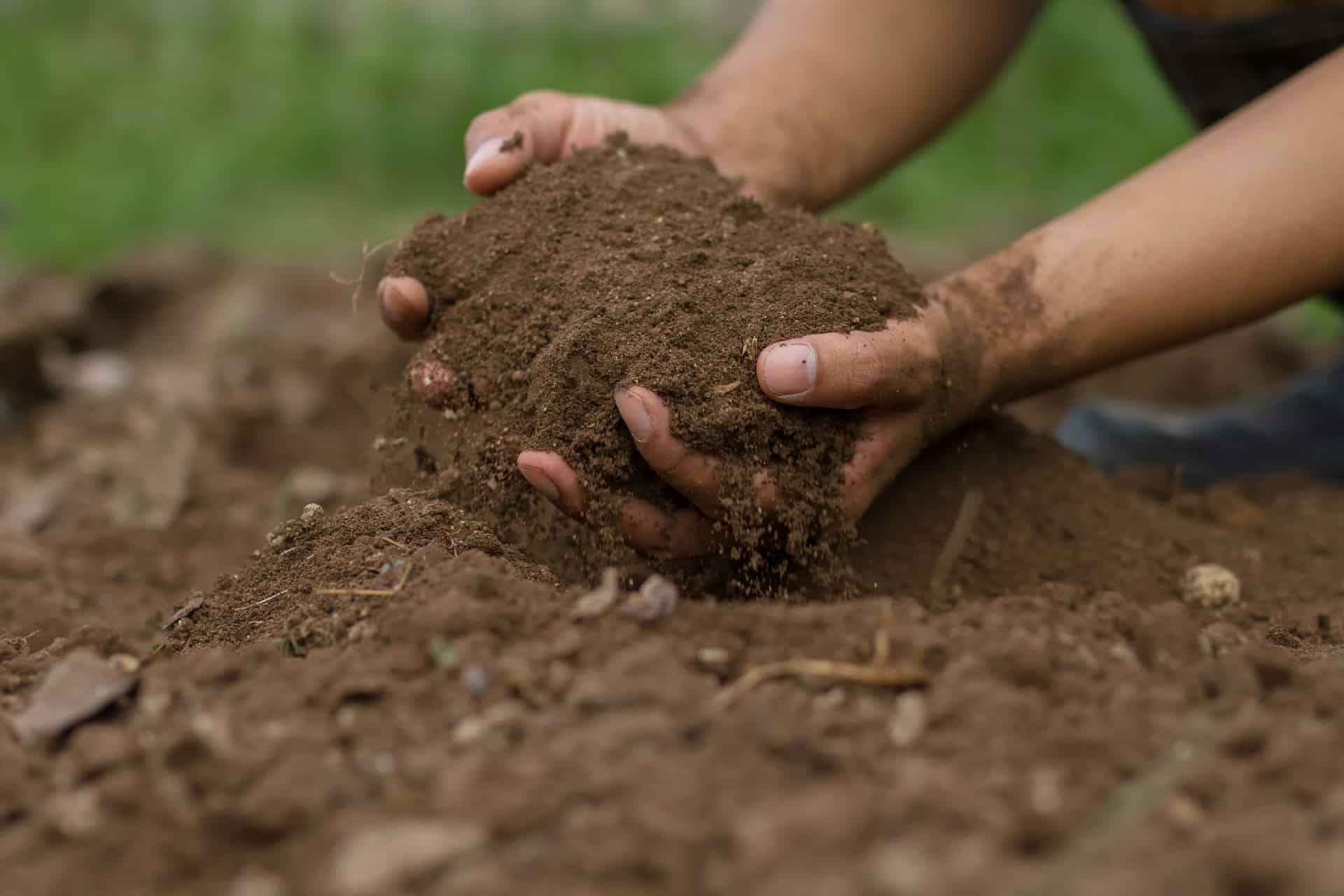
The adaptable nature of the Dwarf burning bush allows it to thrive in various soil types, with the exception of overly saturated or poorly drained soil. This vibrant shrub prefers average soil conditions with a moderate moisture level. It flourishes best when the soil is well-draining, allowing excess water to escape easily.
Adequate drainage is crucial, as excessive moisture can lead to root rot and compromise the plant’s health.
While the burning bush shows a preference for slightly acidic soil pH, ranging from 6.0 to 6.5, it demonstrates impressive resilience and can tolerate a broader pH range. It can adapt and grow in alkaline or neutral soil as well.
This flexibility allows gardeners with diverse soil compositions to enjoy the beauty of this plant without major soil amendments or modifications.
When establishing a suitable environment for the burning bush, ensuring proper soil drainage takes precedence. Avoiding waterlogged or overly compacted soil is essential. It is beneficial to incorporate organic matter or compost into the soil during planting to enhance drainage and promote overall soil health.
By creating an optimal soil environment, you can provide the burning bush with the ideal conditions it needs to thrive and avoid any potential complications associated with excessive moisture.
Lighting Needs

When selecting a location to plant the Dwarf burning bush, opt for an area that receives abundant sunlight. This vibrant shrub thrives when exposed to full sunlight, basking in the warmth and radiance of the sun for a minimum of six to eight hours each day.
Sunlight plays a pivotal role in stimulating healthy growth and promoting the plant’s overall vitality.
In warmer climates, where scorching temperatures prevail, the burning bush can tolerate partial shade. During these hot regions, providing the plant with some respite from direct sunlight, particularly during the intense afternoon hours, can prevent excessive heat stress.
However, it’s important to note that prolonged or too much shade may impact the dazzling spectacle of the burning bush’s fall foliage display.
Less sunlight exposure may result in a less vibrant and striking color transformation during autumn.
Hence, for gardeners seeking to witness the full glory of the compact burning bush’s stunning fall colors, it is recommended to prioritize a sun-drenched location. This ensures that the plant receives ample sunlight to stimulate the production of vibrant reds, oranges, and purples that captivate the eye and evoke the enchantment of the changing seasons.
By providing the ideal balance of full sun and shade, you can maximize the beauty of the burning bush and relish its spectacular autumn showcase.
Watering Your Dwarf Burning Bush
The Dwarf burning bush is known for its resilience and ability to withstand periods of drought once it has established its root system. This hardy plant typically requires low-to-moderate watering, making it an excellent choice for water-conscious gardeners.
The key to watering the burning bush effectively lies in understanding your specific climate conditions, taking into account factors such as rainfall and humidity levels.
If you live in an area with ample rainfall or high humidity, you may find that the natural moisture levels are sufficient to meet the plant’s needs. In drier regions, however, additional watering may be required to maintain optimal hydration. Keep a close eye on the moisture levels in the soil and adjust your watering schedule accordingly.
Ideally, you should water the burning bush at ground level rather than overhead. You can do this more effectively by utilizing a garden hose. By directing the water source towards the base of the plant (root zone), you can provide moisture directly where it is needed.
This method helps prevent the leaves of the bush from becoming excessively wet, which can lead to fungal issues.
By understanding the watering needs of the burning bush and tailoring your watering routine to suit your specific climate conditions, you can maintain a healthy and vibrant plant while conserving water resources.
Regular monitoring of the soil moisture and adopting appropriate watering techniques will contribute to the overall well-being and longevity of your burning bush.
The Ideal Temperature and Humidity
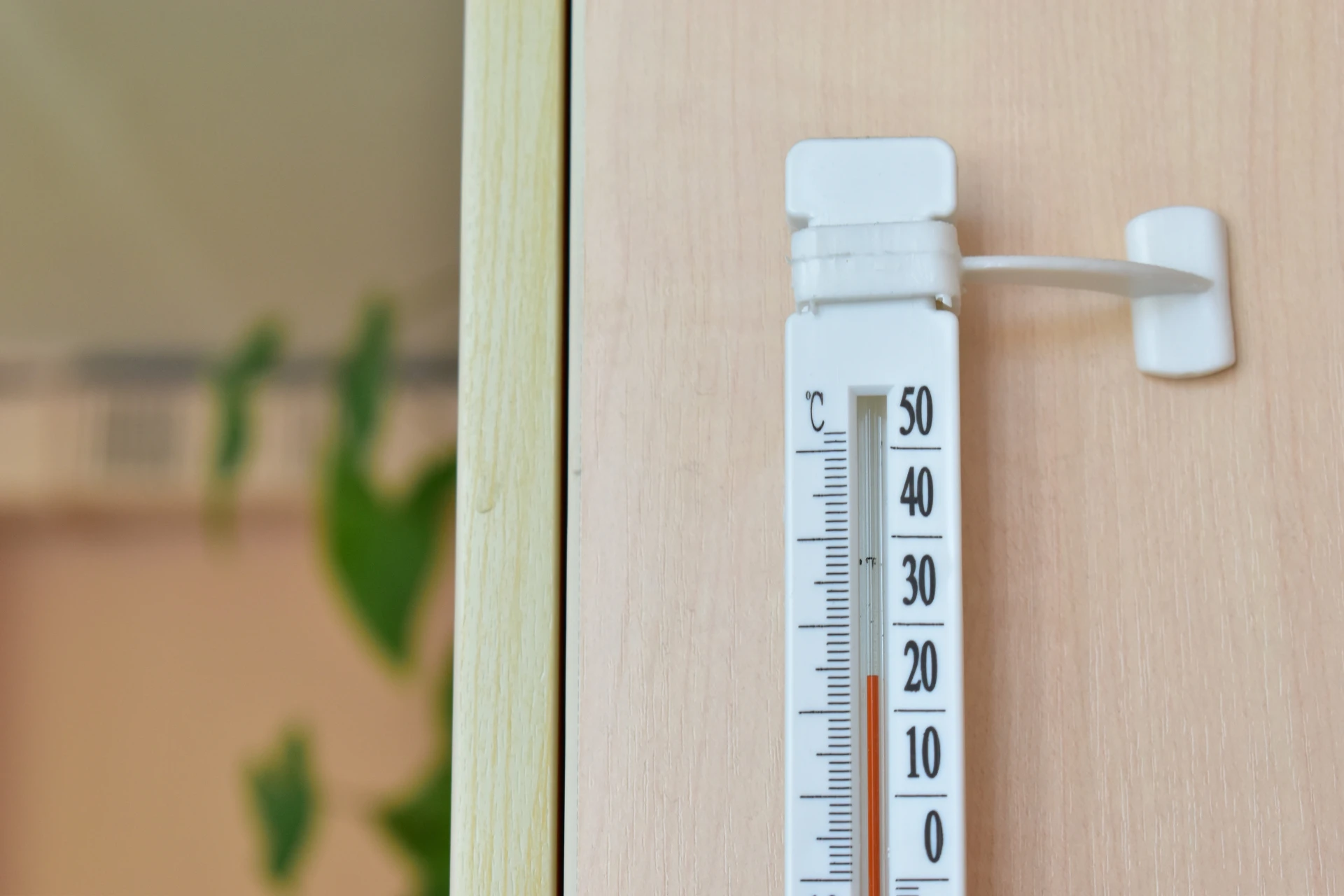
The Euonymus Alatus ‘Compactus’, thrives within a specific range of temperature and humidity conditions. In terms of temperature, this shrub prefers moderate to cool climates. It is most suited to regions with average temperatures falling within the range of 40°F (4°C) to 80°F (27°C).
Extreme heat or prolonged exposure to high temperatures can be detrimental to the plant’s health, so it is advisable to provide some shade or protection during scorching summers.
In terms of humidity, the Dwarf burning bush adapts well to a variety of humidity levels. It can tolerate both drier conditions and higher humidity, making it versatile and adaptable to various climates. However, it is important to note that excessive moisture, coupled with poor air circulation, can increase the risk of fungal diseases.
Therefore, it is recommended to maintain adequate spacing between plants and provide good airflow to minimize the chances of fungal issues.
To ensure the best conditions for your ‘Compactus’, it is important to strike a balance between temperature and humidity. Aim for a moderate temperature range while providing adequate ventilation and air circulation to prevent excessive humidity and minimize the risk of fungal infections.
Moreover, understanding the native region of your Dwarf Burning Bush is essential because it provides valuable insights into the plant’s preferred environmental conditions, enabling you to recreate them in your own garden.
The Burning bush grows effectively in heat zones ranging from 1 to 9, as its plant hardiness levels encompass 4a, 4b, 5a, 5b, 6a, 6b, 7a, 7b, 8a, and 8b. The ideal climate zone for this shrub spans 2, 3, 4, 5, 6, 7, 8, 9, 10, 14, 15, and 16.
By creating an environment that aligns with the ideal temperature and humidity preferences of the Dwarf Burning Bush, you can foster its healthy growth and enjoy its vibrant beauty in your garden.
Fertilizer Needs

Once the burning bush is established, it generally does not require additional nutrients for its growth and development. The plant is self-sufficient and can thrive in existing soil conditions. However, young shrubs can benefit from the application of liquid fertilizer to support their early growth.
It is advisable to feed a young burning bush three to four times during its growing season, typically from mid-spring to mid-summer. This supplemental feeding (preferably with a granular fertilizer) provides the necessary nutrients to promote healthy foliage and vigorous growth.
On the other hand, it is recommended to refrain from fertilizing mature burning bushes. Applying fertilizer to fully grown plants can have unintended consequences, primarily accelerating their spreading rate. The burning bush is known for its natural ability to propagate and expand.
Adding fertilizer to mature plants can inadvertently contribute to their rapid growth, potentially leading to unwanted spreading beyond desired boundaries. Therefore, it is best to withhold fertilizer from mature burning bushes to avoid any unwanted spread which may hamper the growth of other plants.
Pro tip: By following these guidelines, you can strike a balance in providing the right amount of fertilizer to your burning bush.
Nourishing young shrubs when needed while abstaining from fertilizing mature plants will help maintain the desired growth pattern and prevent excessive spreading, ensuring the burning bush remains a beautiful addition to your landscape without becoming invasive.
Pruning the Dwarf Burning Bush
To control the spread of a burning bush, regular pruning is essential. Whenever you spot suckers emerging from the ground, promptly remove them to prevent unchecked growth. Additionally, to prevent spreading via seeds, it is recommended to handpick the berries as soon as they appear in the fall, even though this means sacrificing their ornamental value.
Seal the harvested berries in a yard waste bag to prevent unintentional dispersal.
While major pruning is not typically necessary for the burning bush, occasional trimming can help maintain a neat and full appearance. It is advisable to trim the shrub every other year, preferably in early spring before new growth begins.
Begin by eliminating any dead or broken branches, and then proceed to prune up to one-third of the longer stems, cutting them down to ground level.
The objective is to create an open interior that allows for better light penetration and airflow.
If you encounter a neglected burning bush that has not been pruned for several years, it can benefit from a hard rejuvenation pruning. This process involves cutting the entire shrub down to just a few inches above ground level. This drastic measure is also best carried out in early spring.
Although it will take some time for most plants to recover, the reward is vigorous growth and a spectacular shrub within a year or so.
Be patient as you wait for the burning bush to bounce back from the rejuvenation pruning. With time, it will regain its vitality and flourish with renewed vigor. By implementing regular and occasional pruning techniques, you can control the growth, enhance the overall appearance, and ensure a healthier burning bush in your landscape.
Potting the Right Way
The Dwarf burning bush is a prolific suckering plant that has a tendency to rapidly fill up containers. Due to its vigorous growth habit, it is uncommon to see this shrub being cultivated in pots, except in specific instances where propagation from cuttings is being carried out.
When propagating the burning bush through cuttings, containers can be used temporarily to provide the necessary conditions for root development and initial growth.
The aggressive nature of the burning bush’s suckering habit makes it challenging to confine within the limited space of a container for an extended period. Its roots readily spread and explore the surrounding soil, seeking out nutrients and space to support its growth.
This makes it impractical for long-term container cultivation, as the shrub may become root-bound and struggle to thrive in a confined space.
Therefore, it is generally recommended to grow the burning bush directly in the ground, where it has ample room to spread and establish a healthy root system. The open soil provides the necessary resources for the plant’s expansive growth, allowing it to flourish and reach its full potential.
However, when it comes to propagation, temporary container cultivation can be utilized to successfully grow new burning bush plants from cuttings, providing a controlled environment for root development before transplanting them into the ground.
Propagation of Dwarf Burning Bush
Burning bush (Euonymus alatus) is a delightful shrub renowned for its stunning fall foliage and resilience. While this plant has a tendency to self-seed, it’s important to note that volunteers may not resemble the parent plant, especially when growing a named cultivar. For instance, a dwarf cultivar might produce seeds that sprout into towering 20-foot plants.
To guarantee the propagation of an exact duplicate, the most effective method involves rooting softwood stem cuttings taken from the parent plant.
To begin the process, equip yourself with sterilized pruners and select a 4- to 6-inch section of stem that has at least four pairs of leaves. This cutting should be obtained during the active growing season, ideally no later than midsummer. Strip off the lower leaves, preparing the stem for planting in a small pot filled with moist seed-starter mix.
Some gardeners find it beneficial to loosely secure a plastic bag around the planted cutting to maintain moisture. You may root the cuttings on a regular potting medium that may be added with perlite, or sand to increase porosity.
Position the pot in an area with bright, indirect light and ensure the potting mix remains consistently moist until roots begin to develop. This stage typically takes several weeks, and you’ll know roots have formed when you feel resistance while gently tugging on the stem. Once this occurs, it’s time to transplant the cutting into a larger pot with drainage holes containing a standard potting mix.
Continue nurturing the plant in a sunny location. Once the new burning bush reaches a height of approximately 1 foot, it can be safely transplanted into the garden.
If overwintering the potted cutting, move it to a sheltered location during the colder months, such as a cold frame, unheated garage, or porch. Come spring or early summer, after active growth resumes, the cutting will be ready for planting in its permanent spot.
By following these steps, you can successfully propagate burning bush through stem cuttings, ensuring an exact duplicate of the parent plant.
This method provides an opportunity to reproduce desired cultivars with confidence, enabling the preservation of specific traits and characteristics that make this shrub so cherished in landscapes.
Dwarf Burning Bush Similar Plants
As a popular deciduous shrub known for its stunning autumn foliage, its vibrant red leaves make it an eye-catching addition to any garden or landscape. And while you continue to explore the characteristics of the Dwarf Burning Bush, allow me to introduce you to some similar plants that can bring a similar burst of color to your outdoor space.
Apterus
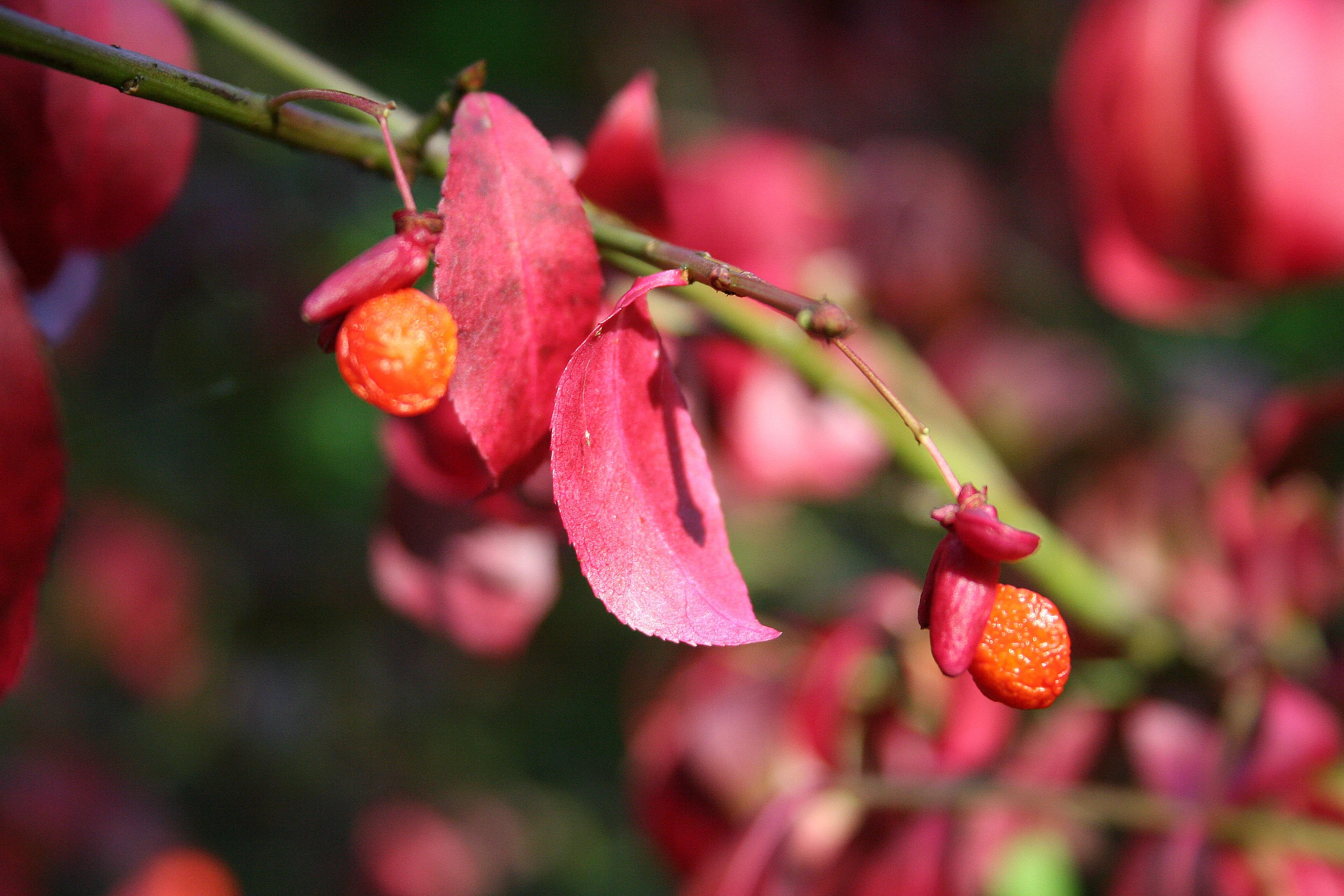
‘Apterus’ is a unique and distinct variety of Burning Bush (Euonymus alatus) that stands out for its smooth stems. Unlike most other varieties of Burning Bush that feature distinctive ridges on their stems, ‘Apterus’ boasts a smooth and sleek appearance.
This characteristic adds a touch of elegance to its overall aesthetic, making it a captivating choice for landscape enthusiasts.
One notable feature of ‘Apterus’ is its impressive height. This particular variety can reach a height of about 6 feet (1.8 meters), making it taller than many other Burning Bush varieties. Its vertical growth adds a sense of stature and presence to the landscape, making it an excellent choice for those seeking a taller focal point or backdrop in their gardens.
Similar to other Burning Bush varieties, ‘Apterus’ undergoes a stunning transformation during the autumn season. Its foliage transitions from green to a vibrant display of red, painting the landscape with rich, fiery hues.
This color change, coupled with the smooth stems, creates a visually striking contrast and adds a touch of sophistication to any garden or outdoor space.
Whether used as a standalone specimen plant or as part of a larger landscape design, ‘Apterus’ with its smooth stems and impressive height is sure to make a statement. It’s unique characteristics and captivating fall foliage contribute to an overall visually appealing and dynamic outdoor environment.
Smokebush

Smokebush (Cotinus coggygria) is an enchanting deciduous shrub renowned for its ethereal and billowy flower clusters, which resemble puffs of smoke, hence its name. This stunning plant offers a unique and captivating visual appeal, making it a popular choice among gardeners and landscape designers alike.
Smokebush typically grows to a height of 10 to 15 feet (3 to 4.5 meters) with a similar spread. It features multiple slender stems covered in oval-shaped leaves that range in color from green to shades of purple or burgundy. However, it’s the plant’s mesmerizing flower clusters that steal the show.
These feathery, cloud-like clusters emerge in summer, initially with a subtle cream color that transitions to vibrant hues of pink, purple, or even smoky gray as they mature.
Smokebush thrives in full sun and prefers well-drained soil, but it can tolerate a wide range of soil conditions. It is a relatively low-maintenance plant that can withstand drought once established. Pruning is typically done in late winter or early spring to maintain its shape and encourage new growth.
Monstrosus
‘Monstrosus’ is a captivating and distinctive variety of Smokebush (Cotinus coggygria) known for its pronounced ridges on the stems, setting it apart from other cultivars.
This unique feature adds an extra layer of visual interest and texture to the plant, making it a remarkable choice for those seeking an eye-catching focal point in their landscape.
‘Monstrosus’ typically reaches a height of 15 to 20 feet (4.5 to 6 meters) at maturity, making it one of the taller varieties of Smokebush. Its multiple stems exhibit deep ridges and furrows, giving them a bold and textured appearance that adds character to the overall plant. The leaves are oval-shaped and can range in color from green to shades of purple or burgundy, creating a beautiful backdrop for the plant’s other striking features.
‘Monstrosus’ thrives in full sun and prefers well-drained soil but can tolerate a variety of soil types. It is a relatively low-maintenance plant and can withstand periods of drought once established. Pruning is generally done in late winter or early spring to maintain its shape and encourage healthy growth.
Due to its impressive height and unique stem features, ‘Monstrosus’ is an excellent choice for creating vertical interest in the garden. It works well as a standalone specimen plant, creating a dramatic focal point that draws the eye.
In addition, it’s colorful foliage and intriguing stem texture make it equally suitable for mixed borders, where it can add depth and dimension to the overall design.
Pipsqueak
‘Pipsqueak’ is an adorable and compact variety of Burning Bush (Euonymus alatus) that stands at a modest height of around 5 feet (1.5 meters). This petite and charming shrub offers all the delightful qualities of Burning Bush in a more manageable size, making it an excellent choice for smaller landscapes, container gardening, or even as a foundation planting.
‘Pipsqueak’ retains the classic characteristics of Burning Bush, including its dense branches and vibrant fall foliage. The leaves are oval-shaped and start off green during the growing season, but as autumn approaches, they undergo a remarkable transformation, turning into a dazzling display of fiery red hues.
Hence, despite its smaller stature, ‘Pipsqueak’ still provides a visual impact with its vibrant colors and compact form.
‘Pipsqueak’ thrives in full sun to partial shade and prefers well-drained soil. It is a relatively low-maintenance plant that adapts well to a variety of soil types. Regular watering during dry periods and occasional pruning to maintain its shape are typically sufficient to keep ‘Pipsqueak’ healthy and thriving.
Due to its compact size, ‘Pipsqueak’ is an excellent choice for small landscapes, urban gardens, or spaces with limited room. Its modest height allows it to fit seamlessly into gardens without overwhelming the surrounding elements.
‘Pipsqueak’ can be used as a low hedge, border planting, or as a striking specimen plant to add a burst of color and interest to the landscape.
Rudy Haag
‘Rudy Haag’ is a dwarf variety of Burning Bush (Euonymus alatus) that is specifically bred to be compact in size. Unlike its larger counterparts, ‘Rudy Haag’ matures to be just 3 to 5 feet tall, making it an excellent choice for small landscapes or limited spaces.
This compact nature allows homeowners and gardeners to enjoy the stunning beauty of Burning Bush without worrying about it overpowering their outdoor areas.
The ‘Rudy Haag’ variety retains all the desirable characteristics of Burning Bush, including its dense branches and vibrant red fall foliage. The leaves of ‘Rudy Haag’ turn a fiery red color during the autumn season, creating a stunning display of color.
This compact shrub provides a focal point in gardens and can be used effectively in borders, foundation plantings, or even in containers.
Its smaller size also makes it easier to maintain, requiring less pruning and maintenance compared to larger varieties of Burning Bush.
Rudy Hagg Bush can be used as a focal point in borders or as a foundation planting, creating a striking contrast against other plants. Its low-maintenance nature and adaptability to different soil types make it an attractive option for both beginner and experienced gardeners.
Dwarf Burning Bush Common Diseases and Pests
Dwarf Burning Bush (Euonymus alatus ‘Compactus’), like any plant, is not immune to diseases and pests. Thus, being aware of these potential issues and taking preventive measures is crucial to ensuring their health and longevity.
One of the most common diseases that affect Dwarf Burning Bush is powdery mildew. This fungal disease manifests as a white, powdery substance on the leaves, hindering their ability to photosynthesize and causing them to curl or distort.
To prevent powdery mildew, it is essential to provide good air circulation around the plant and avoid overhead watering, as the fungus thrives in humid conditions.
Another fungal disease to watch out for is anthracnose. This disease causes dark, sunken lesions on the leaves and stems, which, in severe cases, can lead to defoliation which later weakens the plant.
Pruning away affected branches and ensuring proper sanitation during pruning can help manage anthracnose and prevent its spread.
Crown gall, a bacterial pathogen that forms tumor-like growths on the plant’s roots and stems, is another concern for Dwarf Burning Bush. Affected plants may exhibit stunted growth and reduced vigor. Unfortunately, there is no cure for crown gall.
However, planting Dwarf Burning Bush in well-drained soil and avoiding any root injuries during planting can minimize the risk of infection.
In addition to diseases, several pests can threaten the health of Dwarf Burning Bush. Aphids, small soft-bodied insects, feed on the sap of the leaves, causing them to curl and distort. Controlling aphids can be achieved by spraying the plant with a strong stream of water or using insecticidal soaps.
Spider mites, tiny arachnids, are another pests to be mindful of. They feed on the plant sap, resulting in yellowing leaves and a stippled appearance.
Regularly hosing down the foliage and ensuring the plant is well-hydrated can help deter spider mites and minimize their damage.
Scale insects, small immobile pests, attach themselves to the stems and leaves of Dwarf Burning Bush, sucking the plant’s juices. Pruning heavily infested branches and applying horticultural oil during the dormant season can help manage scale infestations and prevent them from spreading further.
To ensure the health and beauty of your Dwarf Burning Bush, regular inspections for signs of diseases or pests are essential. Early detection allows for timely intervention, preventing these issues from becoming severe and potentially causing irreparable damage.
If you suspect a significant infestation or disease problem, seeking advice from a local horticulturist or plant expert can provide valuable guidance and assistance.
Note: By being proactive in disease and pest management, you can maintain the vibrancy and allure of your Dwarf Burning Bush, allowing it to thrive and contribute to the beauty of your landscape for years to come.