You will love the Mexican bush sage plants for an evergreen shrubby perennial in the garden prizes for arching spikes and dense growth. It is a late summer bloomer with velvet-like texture flowers attracting pollinators like butterflies and hummingbirds to the garden.
It also makes for an excellent companion plant with coneflowers and sedum.
Plant Name: Salvia leucantha
Other Name: Mexican bush sage plants or velvet sage
Plant Type: Perennial
Native Areas: Central and North America
Light Requirement: Full sun
Watering: Average
Fertilizer: Balanced fertilizer
Toxicity: Non-toxic to humans and pets
Temperature: Not winter hardy
Propagation: Stem cutting
Growth: 3 feet tall and wide
Soil Type: Well-drained soil
USDA Hardiness Zones: 7-10
What is Mexican Bush Sage?
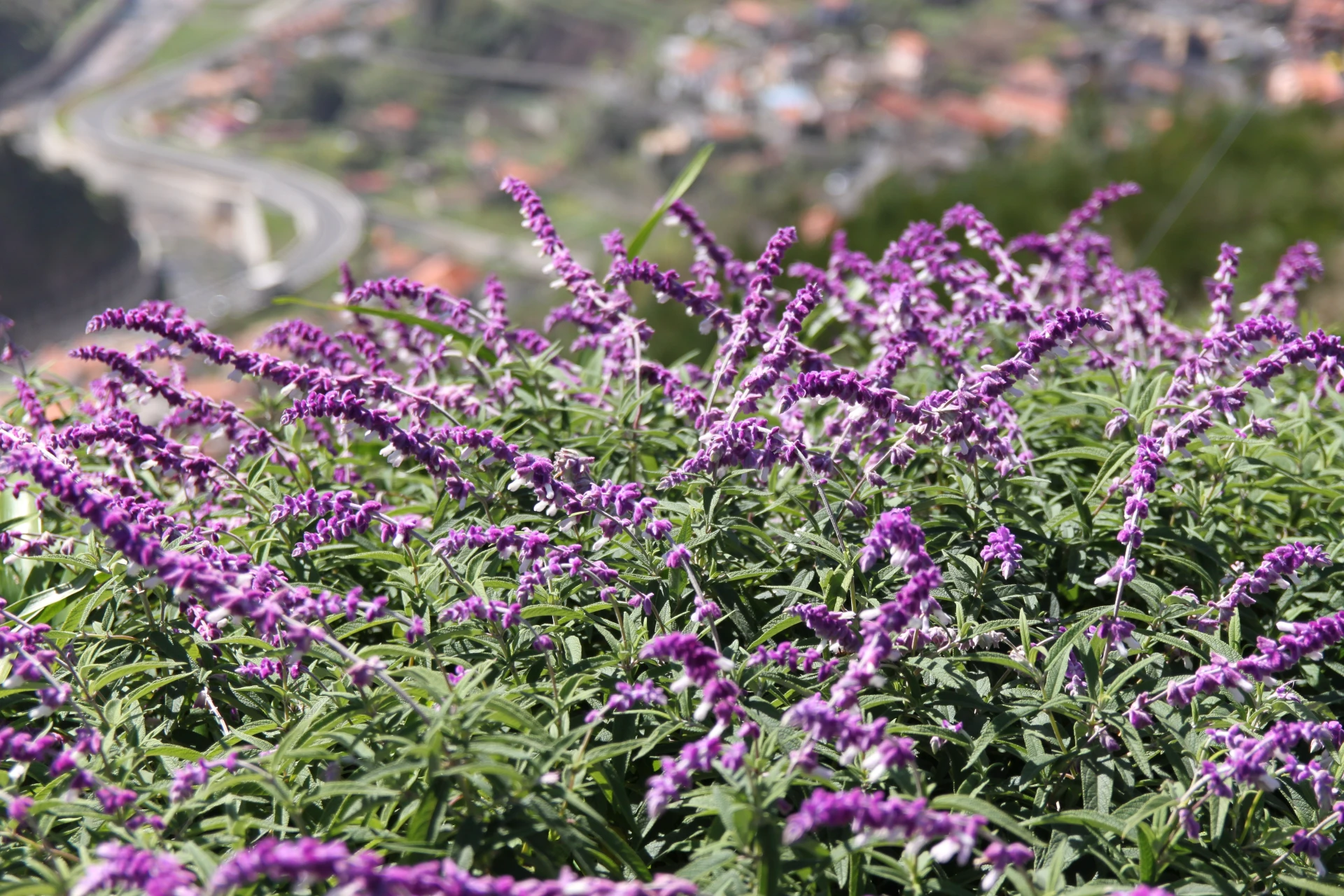
The Mexican bush sage is a flowering plant with flower spikes reaching 10 inches long. The bush sage has soft green foliage with a silvery tint. In contrast, the gray-green leaves have a velvet texture growing in pairs on the square stems.
These flowering plants are soft yet hairy to the touch. Some common varieties bloom bicolor flowers with white corollas and purple calyces. Other plants bloom deep purple, white, and pink flowers.
The bush sages your find native to Mexico and Central America and it is not invasive as it does not self-seed. While it grows yearly in the southern parts and Pacific coast, it is not a winter hardy plant.
When to Plant Mexican Bush Sage
In most of the United States, the Mexican bush sage is grown as an annual after the last spring frost date. While in warmer climates, it is grown as a perennial. It can reach up to three feet tall and wide within one growing season.
It is also best to hold off pruning in cold temperatures as it helps keep the dead growth above the ground to help insulate the roots.
Mexican Bush Sage Care
For Mexican bush sage care, choose a sunny location in early spring. Ensure it has fertile, well-drained soils, and add about a one-inch layer of manure into the soil. Also, space your plant outdoors about four feet apart and spread a couple of inches of mulch to prevent weeds, keep the roots cool, and retain moisture.
The Best Soil For Flowering Plants

The plant’s roots need heavier soil compared to other flower plants. The reason is that the root system is not as prone to root rot. Work in some organic compost into the soil using a tiller to improve the drainage, and it helps with added nutrients.
For container-grown Mexican bush sage, please provide them with enough drainage holes.
The Best Lighting Conditions For Mexican Bush Sage
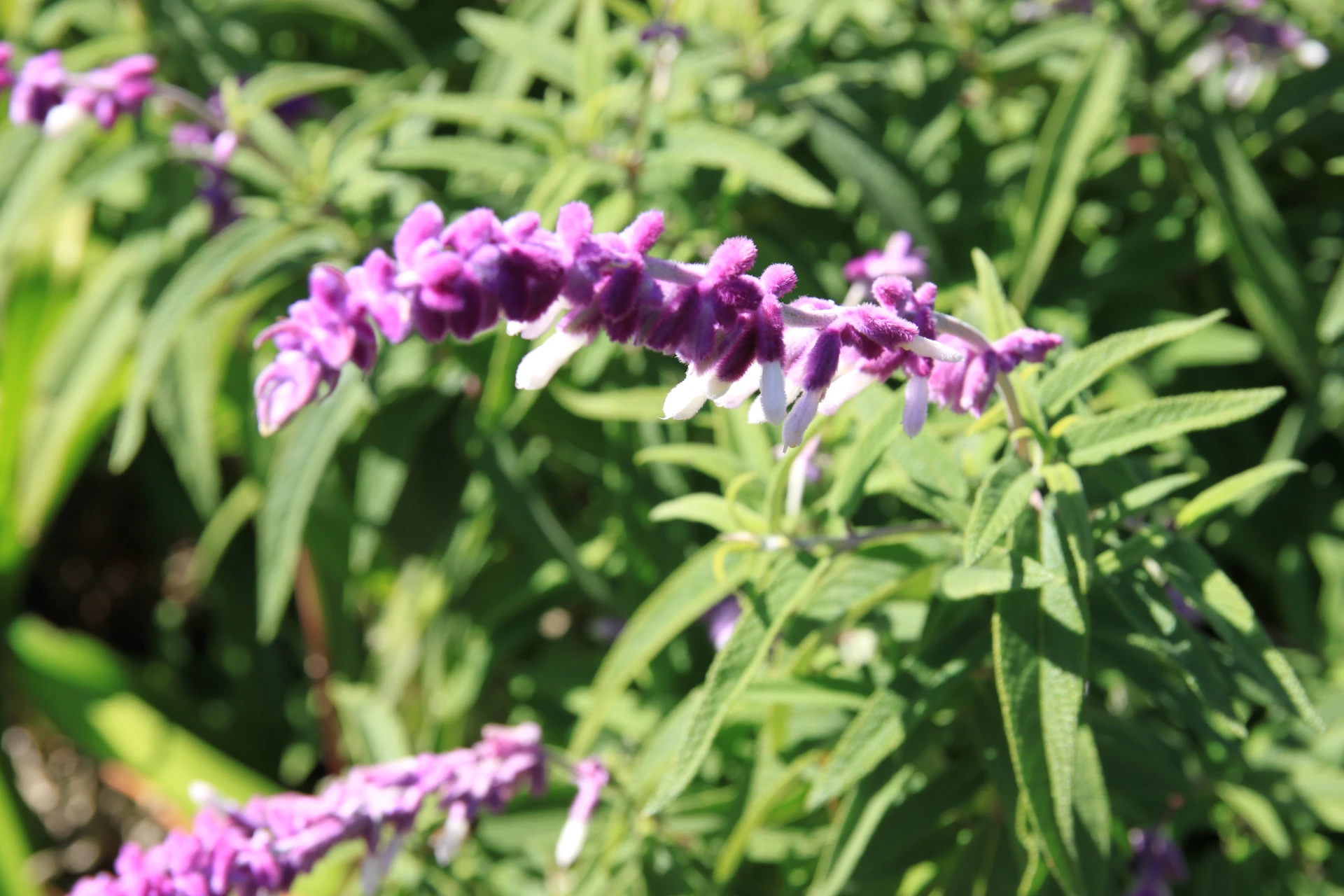
The Mexican bush sage prefers full sun, but it can handle partial sun but might not grow as lush and dense when standing in full sun. So, the best is to provide your plants with direct sunlight.
Watering Mexican Bush Sage Plants
Salvia leucantha is drought-tolerant but still needs evenly moist soil during the summer. During the initial growth, ensure the entire plant gets enough water to help develop a strong root system. Your sage bush can go without water for two weeks but not longer.
Temperature and Humidity

The Mexican bush sage survives outdoors well in warm climates and will bloom from summer to early fall. If you live in regions where the winter temperatures do not go below 18°F, your plant grows well. You can grow your bush sage in the USDA zones 7-10.
But if freezing temperatures, the stems will die back in winter, and when cut back in late winter, they will regrow in spring. Alternatively, you can overwinter your plants indoors with ample direct sun exposure in a container with good drainage.
If you do not have enough light, it also helps to use grow lights.
Fertilizing Mexican Bush Sage
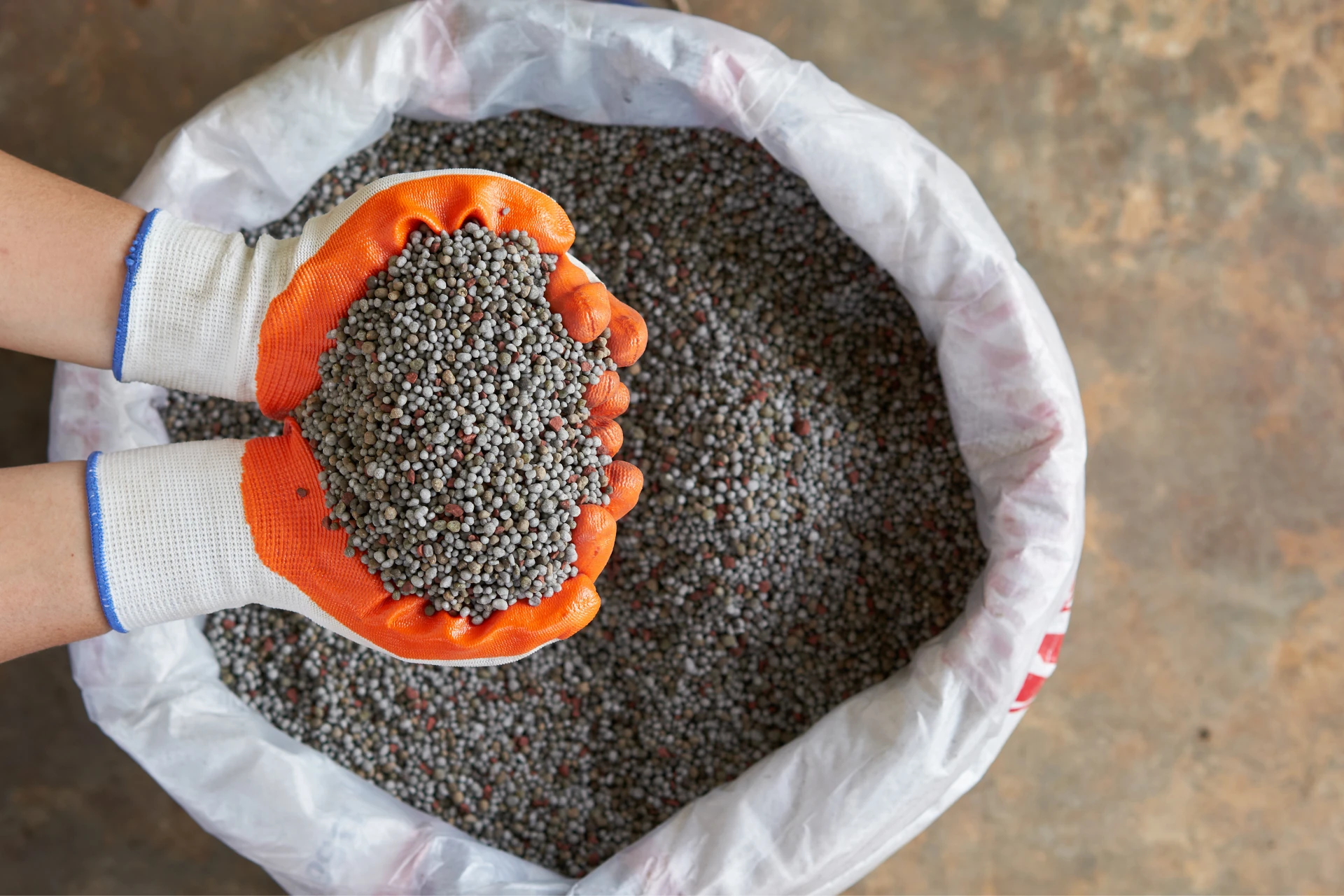
For Mexican bush sage care and feeding, you can use a balanced fertilizer each year before new growth appears in spring. We recommend following the label instructions for feeding your plant.
Pruning Mexican Bush Sage
You can trim the bush sage three times a year during spring and summer to make it grow denser and more compact. In addition, you can remove dead, damaged, or unruly stems and deadhead flowers.
When you live in warmer temperatures, you can cut the plant to the ground in winter as it will grow back in spring. But in colder regions, please keep the dead growth above the ground to protect the roots.
Propagating Mexican Bush Sage
The best method to propagate your Salvia leucantha is stem cuttings taken during the growing season of spring or summer. Here is how you can do it:
Prepare a pot with sterile soil and cut an inch-long hardwood stem using clean pruners.
Remove all but one leaf and dip the cut end into a rooting hormone.
Then place it in the soil and set your container in a warm but sunny spot. Or you can use grow lights.
Water your cutting well for a few weeks until you see new roots and foliage.
When a few inches tall, you can harden off your plant before transplanting it to the outdoors in late spring.
Varieties of Salvia Leucantha
There are a few varieties of Salvia leucantha you can grow, as seen here:
Salvia leucantha ‘Midnight’

The plant grows with dark purple flowers reaching a height and width of five feet.
Salvia leucantha ‘Pink Velour’
The Pink Velour, also known as Danielle’s Dream, has rosy pink tubular flowers and contrasting spikes with white calyxes. It grows to a height and width of four feet.
Salvia leucantha ‘White Mischief’
The plant has fuzzy white flowers, growing up to four feet in width and eight feet in height.
Mexican Bush Sage Best Companion Plants
The Salvia leucantha grows well with the following plants:
Mexican sunflowers
Lantana flowers
Chrysanthemum
The Mexican bush sage works well in a pollinator garden for attracting pollinators like bees and butterflies.
Common Pests & Plant Diseases
The Mexican bush sage is susceptible to different fungal diseases and pests. Insects that bother the plant are aphids, spider mites, and whiteflies. But you usually find these bugs when growing Mexican bush sage in a greenhouse.
Fungal disease is leaf spot and rust. Some common issues are:
Plant leaves falling off resulting from rust that thrives in wet soil.
Yellow leaves can be from overwatering or too much nitrogen from feeds. To resolve the issue mix 20% grit or sand with your compost pile to add to the soil.