White sage, scientifically known as Salvia apiana, is a captivating shrub native to the coastal sage scrub and chaparral regions of southern California and adjacent Baja California. This medium-sized plant boasts silver-gray, woolly foliage with a delightful fragrance.
In late spring and early summer, the stems proudly bear small whorls of white flowers, which can even create impressive flower spikes up to seven or eight feet high. White sage’s intriguing characteristics, including its drought-deciduous nature, make it a unique and cherished part of the local ecosystem.
White sage thrives in the low to medium elevations of the coastal sage scrub and chaparral ecosystems. These regions, known for their Mediterranean-like climate, are characterized by dry, warm summers and mild, wet winters.
This ideal habitat allows white sage to flourish and adapt to seasonal variations.
White Sage Overview
PLANT NAME: Salvia apiana
Other Name: California white sage, Sacred white sage
Plant Type: Annuals, perennials, shrubs
Native Areas: Southwestern United States and Northwestern Mexico
Light Requirement: Full sun exposure, no shade
Watering: Average
Fertilizer: Can survive on low nutrient conditions
Toxicity: No known level of toxicity
Temperature: Does not favor temperatures below freezing and performs poorly when it’s below 25°F
Propagation: Through seeds or cuttings
Growth: Can grow up to 6 inches tall
Soil Type: Sandy, extremely well-draining soil
USDA Hardiness Zones: USDA zones 7-11
What is a white sage plant?
Salvia apiana, commonly known as California White Sage, is a striking perennial plant found in arid regions. The plant’s name stems from its leaves, initially displaying a gray-green hue when fresh, which transforms into a grayish-white upon drying.
In its natural habitat, white sage can reach impressive heights of up to six feet and expand to substantial diameters. Its elongated stems emerge from a central root mass, persisting throughout a single growing season before desiccating and regressing.
Flourishing in desert environments, this plant thrives in hot and dry conditions, showcasing its resilience.
White sage has gained popularity, especially among those seeking water-efficient gardens. It seamlessly blends with other low-water plant varieties, resulting in visually appealing landscapes. If your goal is to conserve water while maintaining an appealing garden.
California White Sage stands out as an excellent choice, combining beauty with environmental mindfulness.
Uses of Sage
Salvia apiana plant’s charm with bees is so strong that many people call it “Bee Sage” – it’s like a special treat for these little flying insects! This plant comes in handy for various things. When you boil sage leaves, their fragrance can easily soothe any person – making your space smell incredibly pleasant.
But that’s not all – this plant is like a decoration superstar. Its vibrant appearance can really catch your eye, making it stand out in your garden. It’s especially great when you want to draw attention to a particular area.
What’s neat is that you can strategically place this plant. Think about planting it close to where you walk, like near walkways, decks, and patios. This way, as you stroll by or sit outside, you’ll get to experience the wonderful aroma it gives off.
It’s like having a natural air freshener right in your outdoor space.
Imagine relaxing on your deck or patio and being greeted by its delightful scent – it can turn an ordinary day into something extra special. So, whether you’re a fan of bees, a lover of pleasant scents, or just want to make your surroundings more charming, this “Bee Sage” has got you covered!
White Sage Growing Guide

The white sage plant typically stands three to five feet tall and spreads just as wide, forming a medium-sized shrub. Its distinctive silver-gray, woolly foliage not only adds to its charm but also aids in reducing water loss, an essential adaptation in its arid surroundings.
The leaves are an important feature as they contribute to the plant’s aromatic fragrance.
Below is the step-by-step guide on how you can keep your white sage plant healthy.
Ideal Soil Requirement

Creating the ideal soil environment is crucial when growing white sage plants. They thrive in specific soil conditions that should promote healthy and vigorous growth. The key factor in the soil equation is excellent drainage coupled with limited water retention.
Sandy soils or those with similar textures work exceptionally well for white sage, as they facilitate the movement of water through the soil.
However, it’s worth noting that white sage can also flourish in soils that possess slightly more nutrients, as long as these soils don’t compromise drainage. Striking the right balance between soil moisture and drainage is necessary to prevent the development of root rot, which can significantly harm the overall well-being of the plant.
Careful attention to the moisture levels in the soil will help ensure the success of your white sage cultivation efforts.
Ideal Lighting Needs
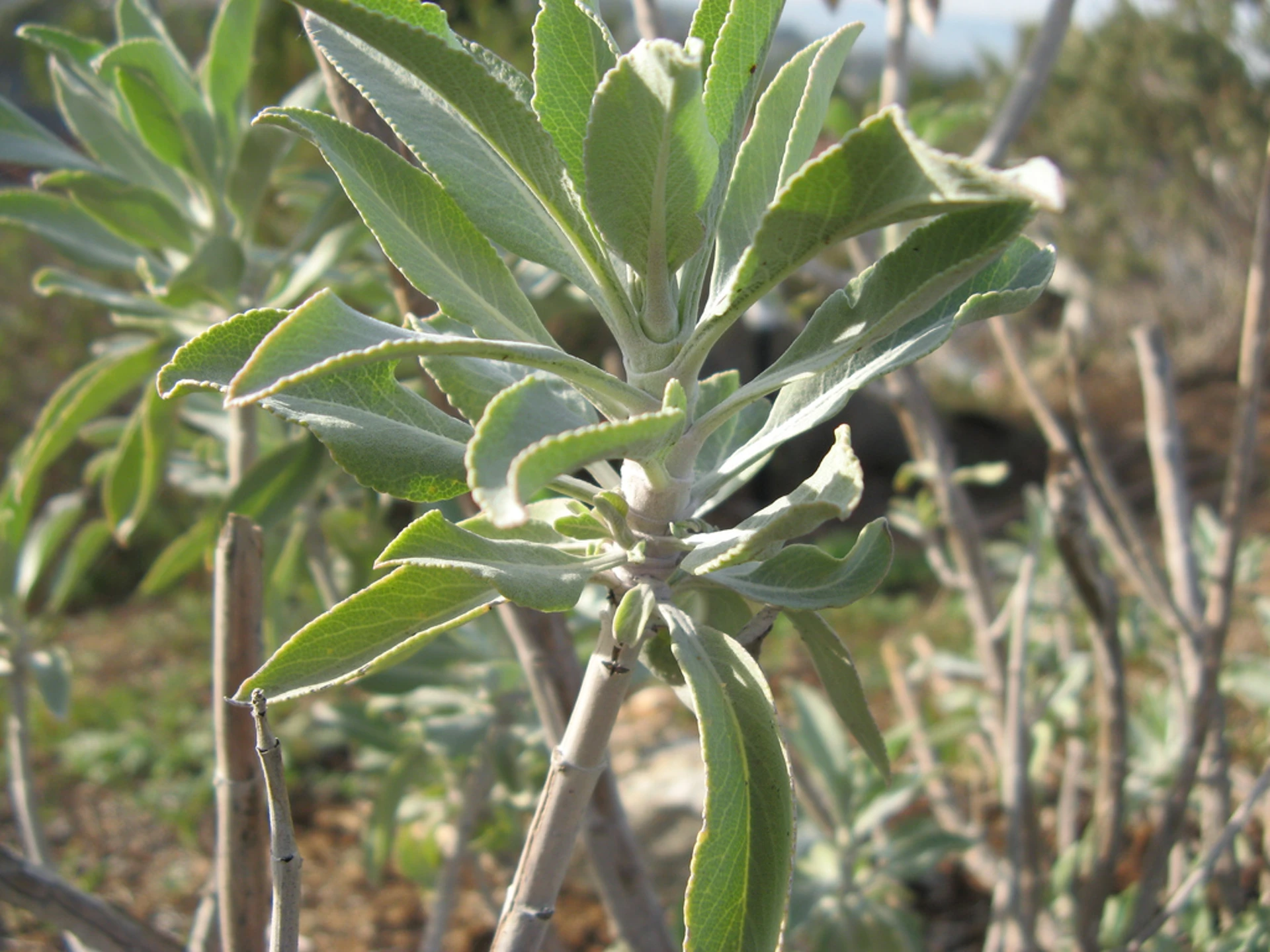
Ideally, white sage thrives best in direct sunlight and isn’t suited for shaded areas. To ensure its successful growth, it’s essential to select a planting spot that receives abundant sunlight throughout the day. Full sun exposure provides the energy the plant needs for photosynthesis and overall health.
However, if you reside in a region where temperatures frequently fall below 20 degrees Fahrenheit (-6 degrees Celsius), you might encounter challenges when attempting to cultivate this plant.
Cold temperatures of this magnitude can be detrimental to the plant’s growth and survival. Therefore, if you’re considering growing this plant, remember to prioritize a sunny location – or at a minimum partial shade condition – and be mindful of your local climate to foster its successful growth.
Watering Your Salvia apiana
While the white sage plant thrives in dry environments and is thus considered drought-tolerant, it may still require a certain level of watering, particularly when newly transplanted. To support its initial growth, it’s important to provide an adequate amount of water.
As a general guideline, aim to provide your white sage plant with around ½ to 1 inch of water on a weekly basis or simply by deep watering from the base of the plant.
As the plant establishes itself over a span of two years, it typically becomes more self-sufficient in sourcing its required water. During this time, the plant often becomes adept at finding the necessary moisture it needs for healthy growth.
Pro tip: Different plants have different watering needs, by offering careful attention to watering during the early stages of their growth and giving them ample time to mature, you can contribute to the successful development of your white sage plant.
The Right Temperature and Humidity
When it comes to temperature preferences, the Salvia apiana plant shows a clear affinity for warmer weather. It thrives in environments with temperatures that are comfortably above freezing. In fact, it’s important to note that this plant does not grow well when subjected to temperatures below the freezing point.
Hence, to ensure its vitality, it’s advisable to avoid exposing it to conditions that drop below 25 degrees Fahrenheit.
In terms of humidity, this plant demonstrates a certain level of resilience. While it can tolerate varying degrees of humidity, it’s important to be aware of potential challenges. In humid conditions, this plant may become susceptible to disease issues.
Therefore, while it can adapt to humidity variations, it’s recommended to keep an eye on its health in high-humidity settings to prevent any potential diseases from taking hold.
Salvia Apiana Fertilizer Needs

Salvia apiana shines as a low-maintenance botanical treasure, displaying a remarkable ability to thrive without relying on additional fertilization. But what sets it apart is its capacity to thrive in soil environments with minimal nutrient content, showcasing its exceptional adaptability to challenging conditions.
This characteristic makes it ideal for gardeners seeking a resilient and undemanding addition to their landscape.
For those inclined to offer their white sage a modest boost, the judicious application of mushroom compost can yield impressive results. This specialized compost, rich in nutrients, is vital in augmenting the nitrogen levels accessible to the plant.
By doing so, it fosters robust growth without overwhelming the plant with an excess of nutrients. This delicate balance of nourishment can significantly contribute to the plant’s overall well-being and vitality.
Incorporating this gentle fertilization approach presents a straightforward yet highly effective means of bolstering your plant’s progress, particularly during the crucial early stages of growth. Moreover, using balanced fertilizer proves especially valuable as your white sage transitions into a well-established and flourishing member of your garden.
Propagation Techniques
Growing White Sage from Seed is a standard method to establish new plants, but it’s important to note that the germination rate for white sage seeds is notably low. With a success rate ranging from 20 to 30 percent, sowing a more significant number of seeds is recommended than the desired number of plants in your garden.
In spring, initiate the process by planting the white sage seeds in a shallow tray. Using a spray bottle, regularly mist the seeds with water and maintain a consistent temperature range of 70 to 85 °F. As the seeds begin to sprout, ensure they receive ample sunlight and mist them with water every week to foster healthy growth.
Another option is Growing White Sage from Cuttings, although the success rate here is only around 20%. To do this, select a mature plant that is a few years old and take a four- to six-inch cutting. Dip one end of the cutting into a rooting powder, which aids in the establishment of the new plant’s roots.
Keep the temperature within the 70 to 85-degree Fahrenheit range and water the surrounding soil as it dries out to maintain a damp environment. Over approximately four to six weeks, the roots will gradually form.
When the roots are ready, acclimate the cutting to full sun before transplanting it into your desired location. This method offers an alternative route to growing white sage, allowing you to harness the potential of cuttings for propagation.
Pruning and Ways to Harvest White Sage
When harvesting White Sage, following guidelines that ensure the plant’s well-being is crucial. Avoid taking more than a third of the plant’s growth simultaneously, as this can shock the plant’s system.
Opt to trim from the younger, more vibrant plant tips while preserving the older, woodier stems. When cutting, position your snip just above a leaf node.
This strategic cut prompts the growth of new branches from the nodes, enhancing the plant’s bushiness.
In the initial year, focus on individual leaf or branch harvesting once the plants have established themselves. Moving into the second and subsequent years, the approach shifts. As the flowers open, trim stems to within 6 inches of the plant’s base.
For drying purposes, gather small bunches of white sage and hang them upside down in a well-ventilated area away from direct sunlight. This method facilitates proper drying while retaining the plant’s beneficial properties. By adhering to these harvest techniques, you can effectively maintain the health and vitality of your white sage plants.
White Sage Growth Zone
While naturally native to California, the White Sage is a versatile plant that can flourish across zones five through nine with suitable conditions. Remarkably, under the proper care, white sage can reach heights ranging from three to eight feet, showcasing its potential for robust growth in the appropriate environment.
Sage Varieties and Similar Plants
In the world of sage, varieties offer a wide range of options, each with unique characteristics and uses. Whether you’re interested in culinary applications, aromatherapy, or ornamental landscaping, there’s a sage variety that suits your preferences.
With proper care and attention to their specific needs, these diverse sage plants can thrive in your garden and enrich your culinary and sensory experiences.
Common Sage (Salvia officinalis)
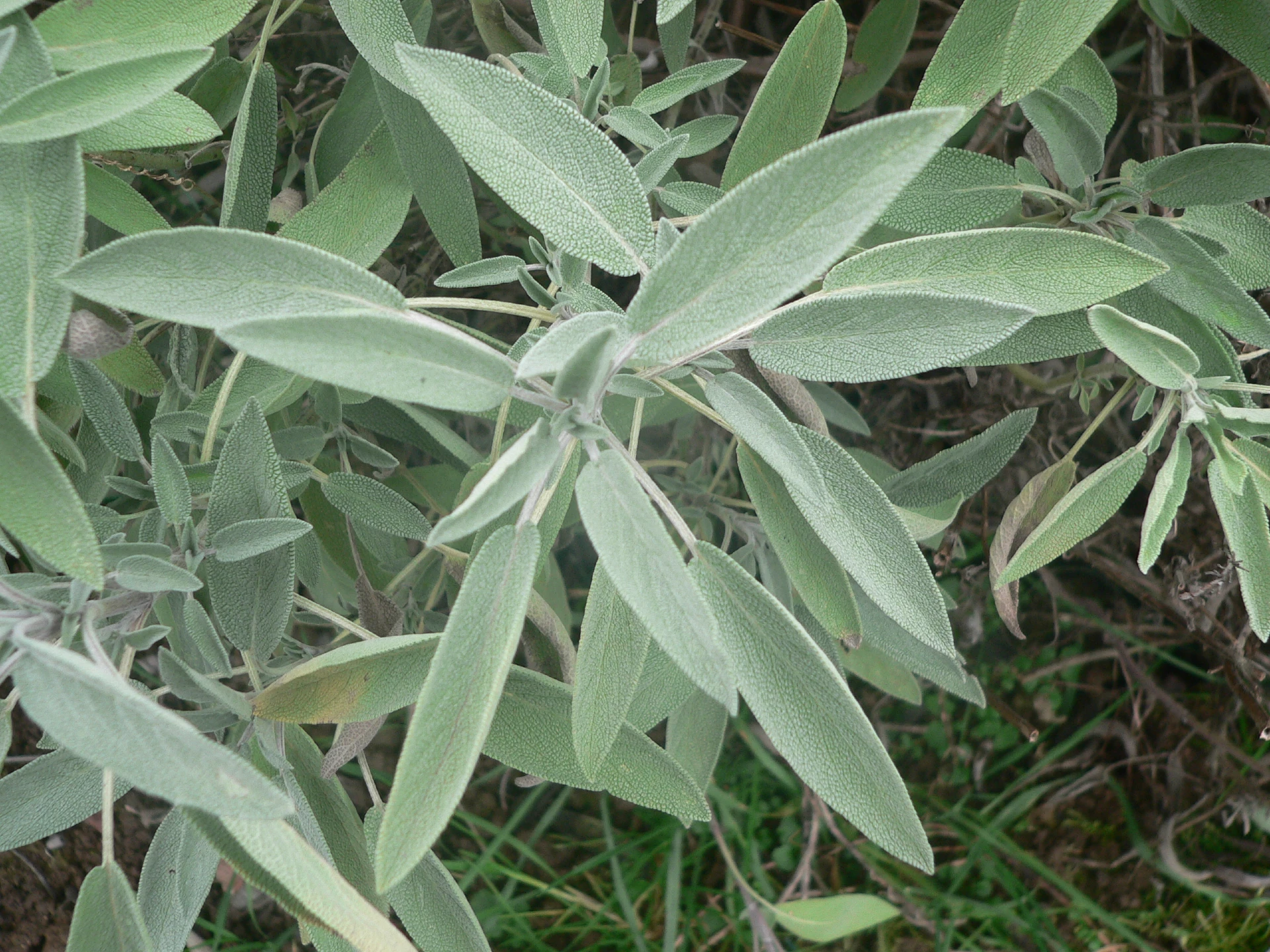
Common Sage is perhaps the most well-known variety, valued for its culinary and medicinal properties. Its soft, gray-green leaves have a strong, earthy aroma and a slightly peppery flavor. This sage variety thrives in well-drained soil and prefers full sunlight.
It’s a perennial plant that can reach about 2 feet.
Regular pruning helps maintain its shape and encourages new growth. Common Sage is used in various dishes, stuffings, and teas, making it an essential herb in many kitchens.
Pineapple Sage (Salvia elegans)

Pineapple Sage stands out for its vibrant red flowers and distinct fruity fragrance reminiscent of pineapples. Native to Mexico, this variety can reach 3 to 4 feet. Its leaves are bright green and hint at pineapple flavor, making them suitable for beverages, desserts, and salads.
Pineapple Sage prefers full sun but appreciates some afternoon shade in hot climates. Regular deadheading of spent flowers encourages continuous blooming, and it’s best to prune it back in late winter to promote new growth.
Clary Sage (Salvia sclarea)
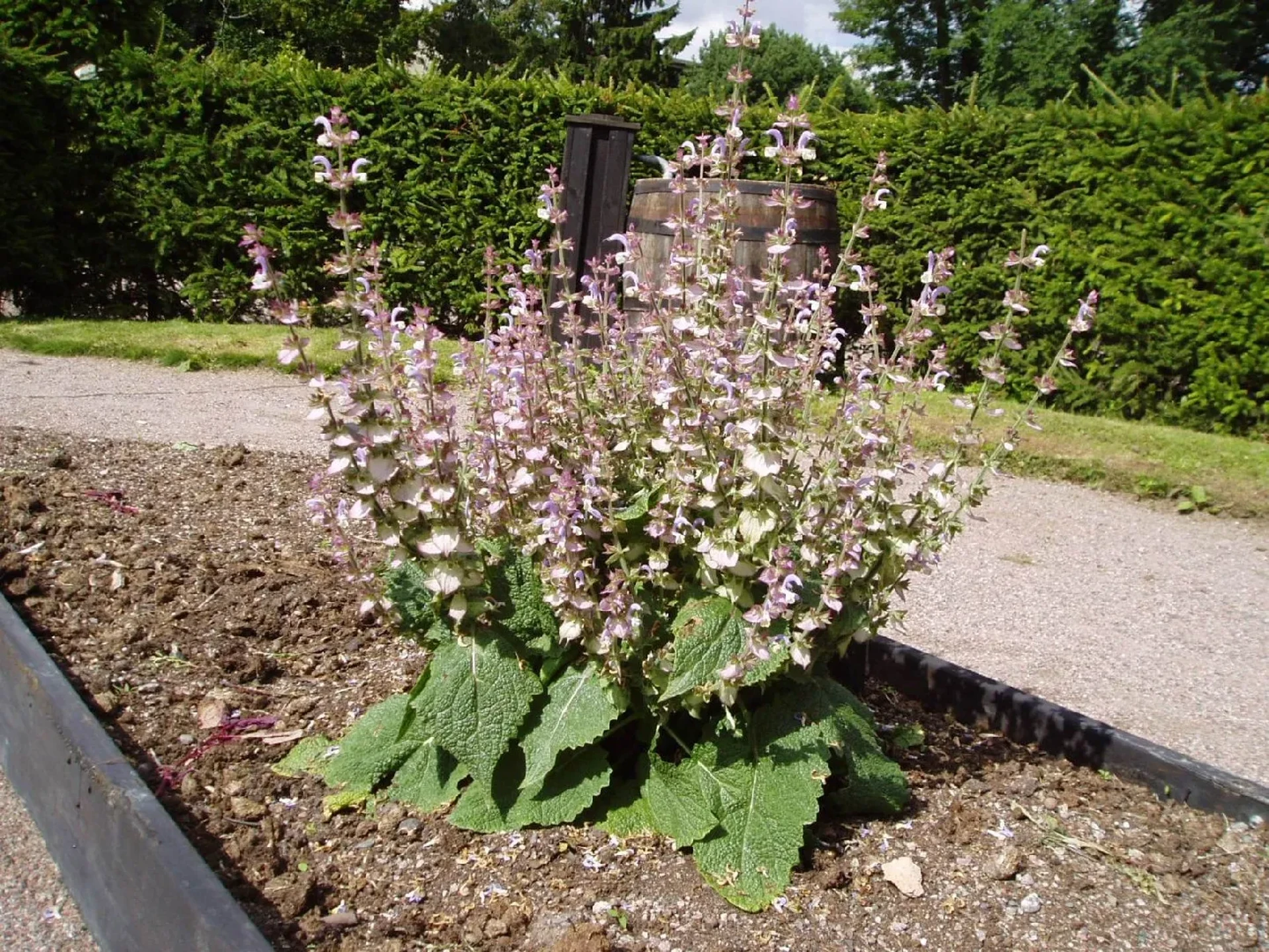
Clary Sage is renowned for its essential oil, commonly used in aromatherapy. Its large, fuzzy leaves and tall spikes of lavender-pink flowers make it an attractive addition to gardens. The leaves exude a mild herbal scent, and the plant prefers well-drained soil and full sun to partial shade.
Clary Sage is a biennial, producing foliage in the first year and flowers in the second. After flowering, the plant usually self-seeds. To encourage its growth, cut back the stems after the first flowering.
Russian Sage (Perovskia atriplicifolia)
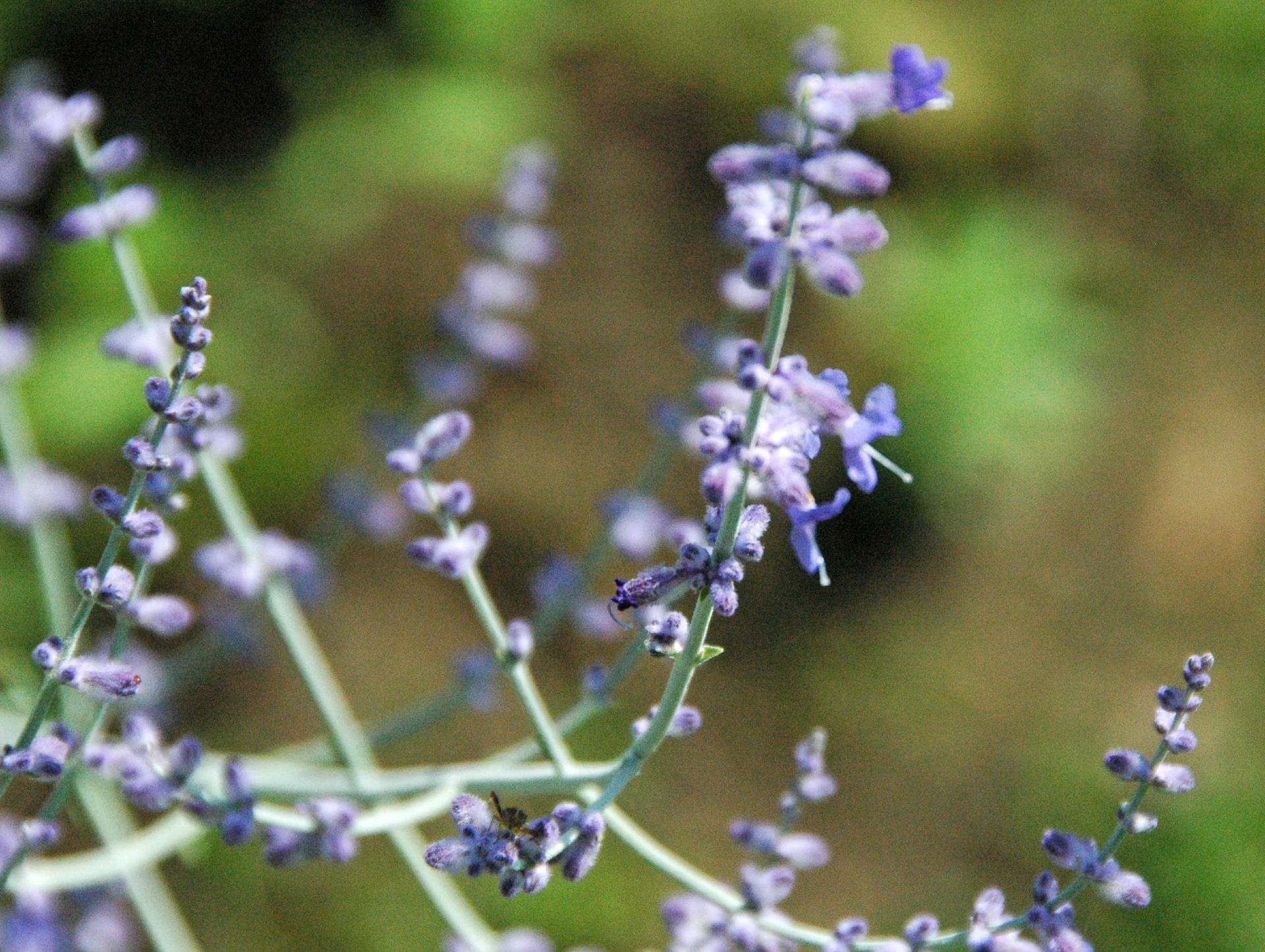
Despite its name, Russian Sage isn’t a true sage but a member of the mint family. This perennial plant is known for its airy, silver-gray foliage and spiky clusters of lavender-blue flowers. Russian Sage is drought-tolerant and thrives in full sun with well-drained soil.
It can grow to 3 to 4 feet and requires minimal maintenance.
Prune the plant in early spring to remove dead growth and promote new shoots. Its aromatic leaves release a pleasant scent when brushed against, making it an excellent choice for landscaping.
Berggarten Sage (Salvia officinalis ‘Berggarten’)

Berggarten Sage, a cultivar of Common Sage, is prized for its compact growth and broad, velvety leaves. Its intense flavor and aroma, similar to Common Sage, make it suitable for culinary applications. This variety prefers well-drained soil and full sun.
It’s a hardy perennial that can tolerate colder climates.
Pruning should be done regularly to keep the plant bushy and prevent it from becoming woody. Berggarten Sage is an excellent choice for container gardening and can be used as an ornamental plant.
Purple Sage (Salvia officinalis ‘Purpurascens’)

As the name suggests, Purple Sage is characterized by its striking purple-tinged leaves. This variety has a milder flavor than the common green sage and can be used in cooking, though its ornamental value often takes center stage.
Purple Sage requires well-drained soil and full sun to develop its vibrant color. It’s a compact plant, reaching around 1 to 2 feet. Regular pruning helps maintain its bushy appearance and encourages new growth.
Black Sage (Salvia mellifera)

Black Sage, also known as Honey Sage, is a native plant of California known for its aromatic foliage and small, purple flowers. It’s well-suited to dry and rocky environments and is often found in chaparral and coastal sage scrub ecosystems.
The leaves of Black Sage release a pleasant fragrance when touched or crushed. This drought-tolerant plant prefers full sun and well-drained soil. It’s an excellent choice for native landscaping and can attract pollinators like bees and butterflies.
Pruning can be done in late winter or early spring to stimulate new growth and maintain a compact shape.
Golden Sage (Salvia officinalis ‘Icterina’)

Golden Sage, also known as Icterina Sage, is a cultivar of Common Sage that boasts striking variegated leaves. Its foliage blends yellow and green, adding a touch of vibrant color to the garden. While its flavor is similar to regular Common Sage, its ornamental value is its main attraction.
Golden Sage prefers full sun and well-drained soil and can grow to around 2 feet. Pruning should be carried out regularly to maintain its shape and encourage new growth. This variety is a beautiful addition for both culinary and visual purposes.
Mexican Bush Sage (Salvia leucantha)

Mexican Bush Sage, also known as Velvet Sage, is native to Mexico and stands out for its long spikes of fuzzy, purple, or white flowers. These flowers give the plant a soft, velvety appearance, making it a popular choice for ornamental gardens.
Mexican Bush Sage thrives in full sun and well-drained soil, tolerating warmer climates. It can grow to 3 to 4 feet tall and requires regular pruning after the flowering season to prevent leggy growth and promote a more compact form.
This variety attracts pollinators like butterflies and hummingbirds, enhancing the biodiversity of your garden.
Blue Sage (Salvia azurea)

Blue Sage, also known as Pitcher Sage or Big Sage, is a North American native perennial known for its striking blue flowers. This variety typically blooms in late summer to early fall, providing a burst of color in the garden when many other plants are winding down.
The tall spikes of azure-blue flowers attract pollinators like bees and butterflies, contributing to the ecosystem. Blue Sage prefers full sun and well-drained soil and can reach 3 to 6 feet. Pruning after flowering is recommended to maintain its shape and encourage healthy growth.
With its vibrant blooms and ecological benefits, Blue Sage is a valuable addition to other companion plants in gardens and natural landscapes.
White Sage Plant Common Diseases and Pests
White sage (Salvia apiana), a revered presence in gardens and traditions alike, captivates with its aromatic essence and spiritual significance. Yet, the journey of this cherished plant is not devoid of challenges.
Just like all living organisms, it is susceptible to common pests and diseases that can threaten its vitality and allure.
This comprehensive guide encompasses the adversaries—pests, and diseases—that often besiege white sage while offering practical strategies to shield its well-being.
Pests
Whitefly: These unassuming, winged creatures congregate beneath leaves, secretly feasting on the plant’s sap. Their insatiable appetite leaves behind a trail of yellowing and wilting leaves. The consequences extend beyond aesthetics, as these pests have the potential to transmit detrimental viruses from one plant to another.
Spider Mites: Practically invisible, these sap-draining mites leave their mark through the appearance of yellow spots and speckles on the leaves. Their activities can escalate, resulting in delicate webbing that envelops leaves and stems, further jeopardizing the plant’s vitality.
Aphids: Soft-bodied aphids congregate on fresh growth and leaf undersides, their penchant for sap-sucking leading to stunted growth and distortion of leaves. Besides marring the visual appeal, this distortion affects the plant’s overall health.
Thrips: These slender insects stealthily siphon plant sap, inducing the silvering or bronzing of leaves. Flower development also takes a hit as it causes buds to deform and fail to unfold as intended.
Diseases
Powdery Mildew: Humidity and stagnating air often herald the appearance of powdery mildew—a fungal manifestation as a white, powdery layer on leaves. This interference hampers the plant’s ability to harness sunlight for photosynthesis, curtailing its growth potential.
Root Rot: Fungal aggression extends beneath the surface as root rot. Excessive watering or poor drainage can lead to wilting leaves that take on a yellow hue. The roots, when inspected, exhibit a disconcerting brown or black hue and mushy texture upon touch.
Leaf Spot: Humidity and inadequate airflow provide the backdrop for leaf spot—a condition where unsightly yellow or brown patches emerge on the foliage. This visual distortion of leaves curtails their photosynthetic prowess.
Dealing with Pests and Diseases Effectively
Neem Oil Treatment: The embrace of nature’s solutions is evident in neem oil—a powerful organic remedy. By blending a tablespoon of neem oil with a gallon of water and applying this weekly, a formidable defense against whiteflies and spider mites can be established.
Insecticidal Soap: Non-toxic insecticidal soap, prepared by mixing two tablespoons with a gallon of water, forms an effective shield against aphids and thrips. Regular applications prove invaluable in curbing their infestation.
Beneficial Insects: The natural order of predation becomes an ally in maintaining a balanced ecosystem. Introducing ladybugs and lacewings—natural predators—to the garden helps manage pest populations, particularly whiteflies and aphids.
Physical Removal: The power of manual intervention is not to be underestimated. In minor infestations, the gentle force of a strong water stream or a soapy cloth can aid in removing pests.
Treatment for Diseases: Swift action is critical in disease management. For powdery mildew, prune afflicted leaves and dispose of them meticulously. Carefully excise affected portions for root rot, dispose of them responsibly, and repot in well-draining soil. For leaf spots, trim and remove affected leaves, enhance airflow, and consider fungicide sprays containing copper or sulfur.
The journey to fostering white sage’s well-being hinges upon vigilance. Swift identification of symptoms—both pest infestations and disease manifestations—enables timely treatment. Through diligence and care, you steward its vitality, ensuring its enduring allure and perpetuating its diverse benefits.

Know More About Salvia Apiana
White Sage plant goes beyond its ease of maintenance and further showcases a variety of uses and care considerations. Its drought-resistant nature makes it an excellent choice for xeriscaping and water-wise landscapes, where its silvery leaves and spikes of white flowers bring a touch of beauty to arid settings.
Pruning is beneficial for maintaining its shape and harvesting leaves for ceremonial or aromatic purposes.
Beyond its ornamental value, white sage has deep cultural and spiritual significance. Indigenous communities have used it for centuries in smudging rituals to cleanse spaces and promote positive energy. When dried and bundled into smudge sticks, its aromatic leaves are believed to purify surroundings and uplift the spirit.
White sage is also used in herbal medicine for its potential antibacterial and anti-inflammatory properties. As a versatile plant that nourishes pollinators, offers aromatherapy benefits, and honors cultural traditions, Salvia apiana brings a multifaceted dimension to gardens and landscapes.
Whether you want to buy, sell, or simply reach out to other plant enthusiasts, Plantly is the right place to be!