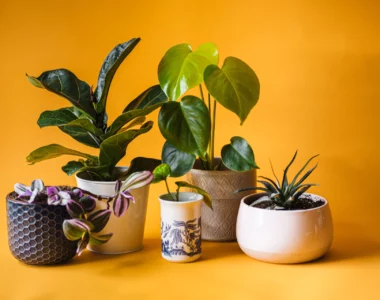
Among the beautiful shrubs that you can grow in your garden is the hydrangea. They produce large flowers in various colors (pink, white, and blue), making them an attractive addition to a landscape. Different hydrangea species grow in varying sizes.
But for small gardens, compact hydrangea varieties and species are a better option.
What Are Dwarf Hydrangeas
A dwarf hydrangea is nothing but a dwarf version of the bigger hydrangeas. The best thing about them is that their size is compact and they can easily fit in small gardens.
Growing as low as 3 feet to 8 feet high, these dwarf hydrangea varieties are a blessing to many gardeners who wish to include them in their landscape but their spaces are quite limited.
Where To Plant Hydrangea Plants In Your Home
Hydrangeas require plenty of sunlight so they need planting site that has a bright location. Whether you’re planting outdoors or indoors with small spaces, access to bright light (full sun or partial sun) is a must.
The place should have good-quality soil that’s rich in organic matter, which you can improve by adding soil amendments.
The soil must have neutral to acidic pH because this dictates the bloom color of most hydrangea varieties.
Dwarf Hydrangeas You Can Grow For Small Garden
Hydrangea macrophylla

Known as bigleaf hydrangeas, the Hydrangea macrophylla produces flowers that range from pink to blue depending on the soil pH. In acidic soil, bigleaf hydrangea produces blue flower color. But in alkaline soil, it produces pink blooms.
Such amazing flower color variation is caused by the presence or absence of aluminum compounds in its flowers. So, you can adjust the soil pH to attain the color that you want.
Cultivation
Bigleaf hydrangea is fast-growing. It thrives well in a well-draining soil that’s rich in organic matter. The ideal light conditions are morning sun and afternoon shade.
Because it has big leaves, they’re susceptible to scorching and wilting during the hot weather. Hence, it’s crucial to provide plenty of water. Keep the soil moist by watering it deeply every week.
Fertilize the soil lightly with general-purpose fertilizer from May to July. After the blooms shed, prune the branches of your bigleaf hydrangea so they can develop an old wood. Doing so will encourage more flower buds to form next summer.
Pests, Diseases, and Disorders
Failure to bloom is one common problem in Hydrangea macrophylla. This is most likely due to winter injury, excessive shade, soil infertility, or too much nitrogen. Bigleaf hydrangea is also susceptible to fungal diseases such as Cescospora leaf spots, powdery mildew, and anthracnose.
Keeping the foliage dry and maintaining good air circulation will help address this issue.
Hydrangea paniculata

Hydrangea paniculata is referred to as the panicle hydrangea because it produces inflorescence in pyramidal panicles that are about 6 to 8 inches long. Others refer to it as the limelight hydrangea. Depending on the variety, the flowers can be brown or copper, cream or tan, white, and even pink.
Panicle hydrangeas grow a minimum height of 8 feet, which you can maintain through regular pruning.


Cultivation
In terms of light conditions, panicle hydrangeas are more tolerant of full sun than bigleaf hydrangeas. It can also tolerate harsh winters, and air pollution, making it suitable in urban settings. It can thrive in neutral to acidic soils as long as there’s good drainage but high water retention.
Amending the soil with high organic matter benefits the Hydrangea paniculata plant. Keep the soil moist by watering regularly and deeply.
Pruning the branches of your panicle hydrangea in late winter or early spring is fine because its flowers bloom on the current season’s growth unlike in bigleaf hydrangea that needs an old wood.
Pests, Diseases, and Disorders
Common pests such as aphids, scales, mites, and nematodes can affect the Hydrangea paniculata. However, you can avoid severe destruction by regularly inspecting your plant and applying insecticidal soap or horticultural oils.
Watch out for diseases such as rust, powdery mildew, bud blight, bacterial wilt, and leaf spots. Since a panicle hydrangea has brittle stems, it’s susceptible to damage by strong winds.
Hydrangea arborescens
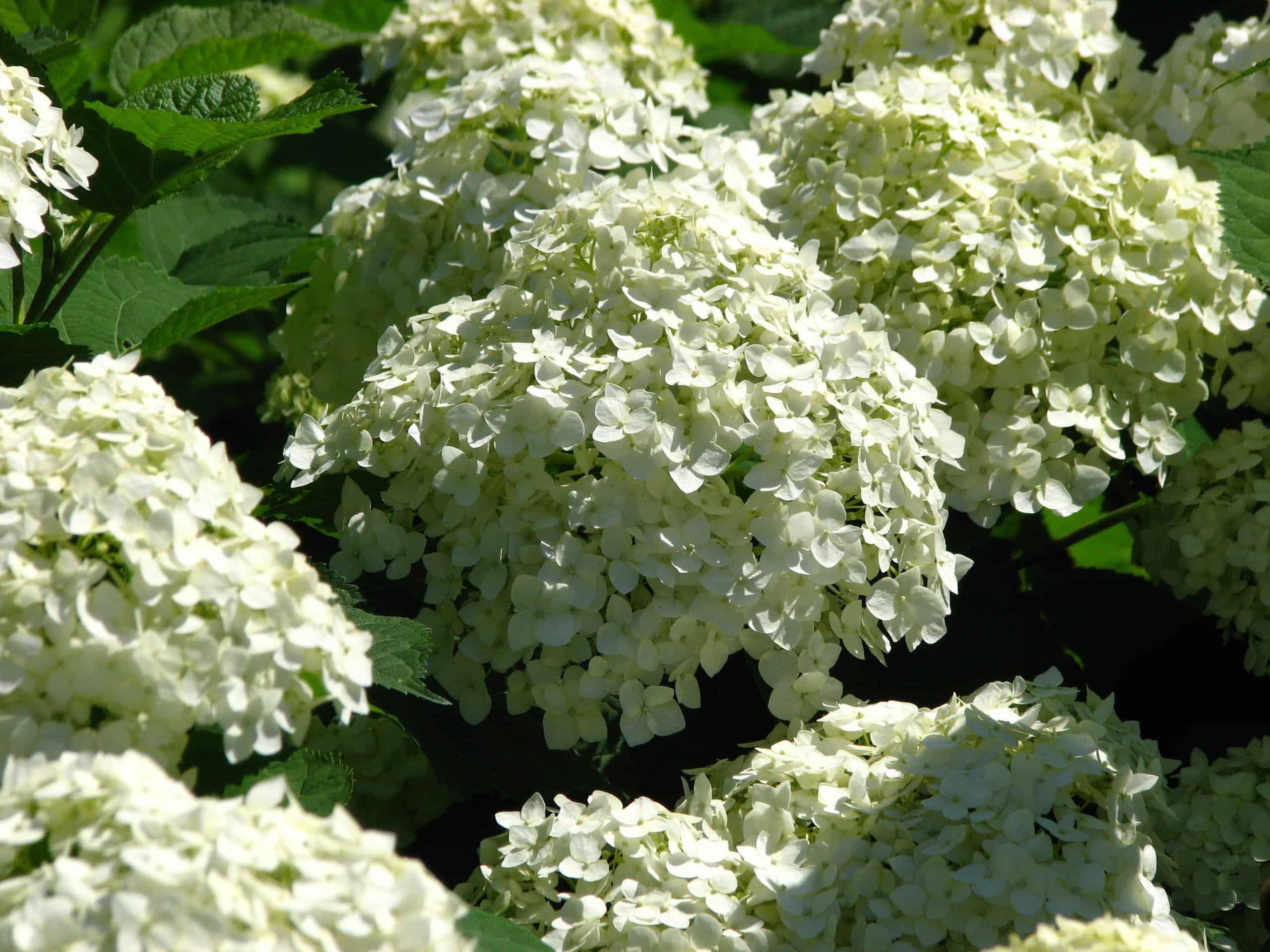
Commonly known as smooth hydrangea, this species is considered a dwarf hydrangea because it has an average size of 3 to 5 feet tall and wide. It has a rounded shape and you can plant it in mass, in pots, and in borders. The flower color ranges from white, cream, green, and deep pink.
Unlike the other hydrangea species, its bloom color isn’t affected by the soil pH.
Cultivation
Cultivate your smooth hydrangeas in well-draining soil that has neutral to acidic pH. It’s best to plant it in locations that have partial shade rather than full sun. Although very cold-hardy, smooth hydrangeas will also do well in warmer climates.
Keep the soil consistently moist by regular watering and feed the soil with an all-purpose, balanced fertilizer. Just like the panicle hydrangea, Hydrangea arborescens also blooms in new wood. Hence, you can prune it back in late winter.
Pests, Diseases, and Disorders
Bud blight, bacterial wilt, mold, rust, and powdery mildew are the common diseases of this species. So, make sure to keep the foliage dry and maintain good air circulation by pruning outgrowing branches. Check the plant regularly to spot pests such as aphids, mites, scales, or nematodes.
Hydrangea quercifolia

Another member of the dwarf hydrangea plants is the Hydrangea quercifolia, also known as oakleaf hydrangea. The average height is about 8 feet tall while its width is about 6 to 8 feet. The reason why it’s called oakleaf hydrangea is that its leaves resemble the appearance of an oak tree.
The white flowers also grow in pyramidal panicles, just the same as that of Hydrangea paniculata. As these white flowers mature, they turn pink and later brown.
Cultivation
Oakleaf hydrangeas prefer organically rich soil that’s well-draining but also retains a medium amount of moisture. The best light condition is between full sun to partial shade. It needs regular watering and adding mulch on top of the soil will help conserve moisture.
Just like the Hydrangea macrophylla, you’ll need to prune the petite oakleaf hydrangea right after flowering to produce an old wood.
Pests, Diseases, and Disorders
Aphids and spider mites are some pests that you’ll need to watch out for. Be sure to remove the infested leaves immediately to prevent the pests from spreading. Powdery mildew and leaf blight can also be an occasional disease problem, especially when the environment lacks good air circulation.
Hydrangea serrata

Compared to bigleaf hydrangea, the Hydrangea serrata is more compact (with smaller leaves and flowers) but has more sturdy stems. It is otherwise known as the mountain hydrangeas. It produces some showy florets towards the outside while smaller florets are clustered at the center.
Relative to the soil pH, the flower color also changes to beautiful pink or blue.
Cultivation
You can grow mountain hydrangea under full sun, partial sun, or partial shade. Make sure the soil is highly organic and has good drainage. The preferred pH is neutral to acidic, which you can adjust based on how you want the bloom color to turn.
Consistent watering and occasional fertilizing will help the plant become more vigorous and produce more blooms. If you’re under USDA zones 6a to 9b, this shrub grows without much trouble.
Pests, Diseases, and Disorders
Due to its smaller leaves, this species is more susceptible to powdery mildew and other pests common to hydrangeas.
Final Thought
Tending to small hydrangeas is no different than caring for their larger counterparts. But their maintenance requires less time and effort because you only need a small space to grow them. Even if you have are small gardens, you can grow a compact variety or two of this flowering shrub.
Then, enjoy the bunch of beautiful pink or white flowers that may turn blue.
Whether you want to buy, sell, or simply reach out to other plant enthusiasts, Plantly is the right place to be!