Tomatoes are not just a staple in our kitchens; they’re among the most rewarding edible plants to grow in our gardens.
Whether you’re a seasoned gardener or a beginner with a green thumb 👍 or not, nurturing a tomato plant from seed to harvest is filled with excitement, challenges, and delicious rewards.
This comprehensive guide will delve into the fascinating world of tomatoes, offering insights, tips, and techniques to ensure a bountiful harvest.
About Tomato Plants
Tomatoes, scientifically known as Solanum lycopersicum, belong to the nightshade family, Solanaceae. Originating from South America, these vibrant red fruits have become a cornerstone in various cuisines worldwide.
They come in different shapes, sizes, and colors, from the classic red beefsteak tomatoes to the tiny yellow cherry tomatoes. The tomato plant is dicotyledonous, with two embryonic leaves upon germination.
It is a perennial plant in its native habitat but is typically grown annually in temperate climates. The plant’s growth cycle includes the vegetative, flowering, and fruiting phases. Doing this allows you to enjoy a ripe fruit and not end up with green tomatoes that are not ripening.
Furthermore, you get the tomato seedlings categorized into two groups as follows:
Determinate Tomatoes: These tomatoes are also known as bush tomatoes. Determinate varieties grow to a certain height (usually around 3-4 feet) and set fruit over a relatively short period, typically a few weeks. Once they have produced fruit, they stop growing. These are ideal for gardeners with limited space or those looking for a concentrated harvest.
Indeterminate Tomatoes: Indeterminate varieties are also referred to as vining tomatoes. Unlike determinate varieties, indeterminate tomatoes continue to grow, flower, and produce fruit throughout the growing season until they are killed by frost.
They can grow quite tall, often reaching 6-10 feet or more, and require staking or trellising for support. Indeterminate tomatoes provide a prolonged harvest period, making them a favorite among many gardeners.
There is also another type, the heirloom tomatoes. These tomato varieties belong to a group known as open-pollinated tomato varieties. It means they are pollinated naturally by insects, wind, or other natural mechanisms.
This allows heirloom varieties to produce seeds that, when saved and replanted, will reliably produce plants with characteristics similar to the parent plant. Tomatoes are also a healthy staple of the diet.
Plant Name: Solanum lycopersicum
Other Name: Tomato plant
Plant Type: Fruit
Native Areas: South America
Light Requirement: Full sun
Watering: Moderate
Fertilizer: Balanced
Toxicity: Mildly toxic to pets
Temperature: 65°F-85°F
Propagation: Seed and cuttings
Growth: Annual
Soil Type: Well-drained soil
USDA Hardiness Zones: 3-10
Quick Guide to Growing Tomatoes

Growing tomatoes is a fulfilling endeavor that requires attention to detail and care. No matter if you have fall and winter crop or spring to summer one, below is a summarized guide to help you get started:
Select a sunny location: When planting tomatoes, they thrive in full sunlight.
Choose the suitable variety: Consider space, climate, and purpose (e.g., slicing, sauce, or salads).
Prepare the soil: Ensure it’s well-draining, fertile, and rich in organic matter.
Planting: Plant seeds indoors 6-8 weeks before the last frost date or transplant tomato seedlings outdoors after the frost has passed. In warmer climates, you can plant tomatoes outdoors from tomato seeds.
Watering and Fertilizing: Maintain consistent moisture and use a balanced fertilizer.
Support and Pruning: Use stakes or cages for support and prune to improve air circulation and fruit production.
Harvesting: Harvest when fruits are fully ripe for the best flavor.


Tomato Plant Care
Proper care is essential for the healthy growth and productivity of tomatoes. Let’s explore the key aspects of care.
Soil and Water Starting With Young Tomato Plants
When growing tomatoes, they are relatively adaptable plants in soil; they have specific preferences for optimal growth and fruit production.
Ideally, homegrown tomatoes thrive in well-draining, loamy soil rich in organic matter. An earthy soil texture provides a balanced environment, allowing adequate water retention without becoming overly saturated.
Regarding soil pH, no matter the tomato variety you choose, they prefer a slightly acidic to neutral range, typically between 6.0 and 6.8. If the soil is too acidic or alkaline, certain nutrients may become less accessible to the plant, leading to potential deficiencies or imbalances.
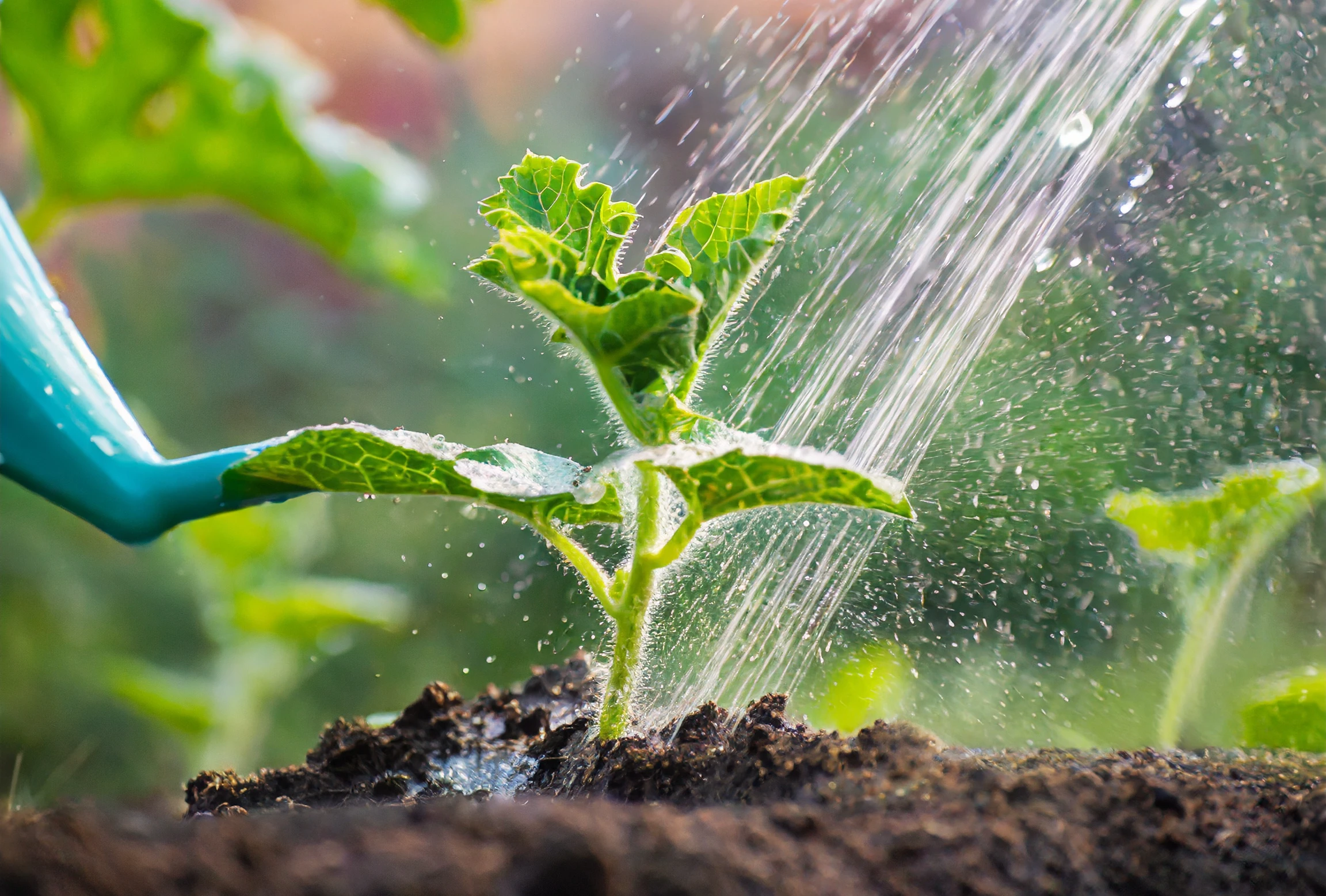
They have moderate water requirements when watering tomato plants; consistency is key. While they prefer moist soil, avoiding overwatering is essential, as excessive moisture can lead to root rot and fungal diseases.
A good practice is to water deeply but infrequently, ensuring the soil is moist several inches below the surface throughout the season. You can use mulch around the base of the plants, which can help retain soil moisture, regulate temperature, and suppress weed growth.
Additionally, watering in the morning allows the foliage to dry out during the day, reducing the risk of fungal diseases.
Light
Growing tomatoes requires full sunlight, ideally 6-8 hours per day. Ensure they are planted where they can receive ample sunlight throughout the day. Without sufficient sunlight, the plant’s energy production diminishes, stunting growth and weakening overall health.
Moreover, light availability is pivotal in the plant’s reproductive phase. Tomatoes require consistent and ample light to initiate and maintain flowering. Once the flowers are pollinated, adequate light exposure becomes even more critical as it directly impacts fruit development, quality, and ripening.
Inadequate light can harm the tomato fruit, manifesting as leggy, elongated growth as the plant stretches to reach for more light. Furthermore, insufficient light can compromise the quality of the ripe fruits, affecting attributes such as flavor, color, and nutrient content.
While tomatoes can tolerate some degree of partial shade, especially in regions with intense heat, it’s essential to prioritize a planting location that offers consistent, full sunlight to ensure optimal growth and maximize yield potential.
Temperature and Humidity
Tomatoes thrive between 65°F and 85°F during the day and above 55°F at night. It also helps to maintain moderate humidity levels. Excessive humidity can lead to fungal infections, while low humidity can cause blossom drop.
Tomato Fertilizer

When you grow tomatoes, an essential part is fertilizing them. Tomatoes have specific nutritional requirements that, when met, can lead to healthier plants and a more bountiful harvest. Here’s a detailed guide on fertilizing tomatoes:
When to Fertilize:
At Planting: Incorporate a balanced fertilizer into the soil when planting to provide essential nutrients for initial growth.
Early Growth: Begin regular fertilization when the plants have established themselves and started to grow, usually a few weeks after planting.
During Fruit Set: Increase fertilization frequency or use a specialized fertilizer formulated for flowering and fruiting plants when the first fruits appear.
Throughout the Season: Continue to fertilize throughout the growing season, especially if the plants show signs of nutrient deficiency or slow growth.


Types of Fertilizers:
Complete Balanced Fertilizers: These contain equal parts of nitrogen (N), phosphorus (P), and potassium (K), such as a 10-10-10 or 5-5-5 formulation. They provide a general nutrient boost for overall plant health. You can also opt to use fish emulsion, which is an organic option.
Granular vs. Liquid Fertilizers: Granular fertilizers are slow-release and provide nutrients over an extended period, while liquid fertilizers offer quick absorption and are applied more frequently.
Application Methods:
Broadcasting: Sprinkle granular fertilizer evenly around the base of the plants, following package instructions for the recommended dosage.
Side-Dressing: Create a shallow trench or circle each plant, apply the fertilizer, lightly incorporate it into the soil and thoroughly water tomato plants.
Foliar Feeding: Use a liquid fertilizer diluted in water and spray it directly onto the leaves. This method provides a quick nutrient boost but should be done early in the day to allow foliage to dry and avoid burning.
Tips for Fertilizing:
Soil Testing: Conduct a soil test before fertilizing to determine nutrient levels and pH, guiding your fertilizer selection and application.
Follow Instructions: Always follow the manufacturer’s instructions regarding dosage, frequency, and application methods for your specific fertilizer.
Watering: Water plants thoroughly after fertilizing to help nutrients penetrate the soil and reach the root zone.
Avoid Excess: Over-fertilization can lead to nutrient imbalances, salt buildup in the soil, and potential plant damage. Always use fertilizers judiciously and monitor plant health regularly.
Propagation
Propagating tomatoes can be an exciting way to expand your garden without purchasing plants each season. Propagation refers to the process of creating plants from existing ones, and tomatoes offer several methods for propagation, each with its advantages.
Here’s a detailed overview of how to propagate tomato plants:

Seed Propagation:
Collecting Seeds: Save seeds from a ripe tomato by scooping them out, rinsing off the gelatinous coating, and drying them on a paper towel.
Seed Starting: Start seeds indoors 6-8 weeks before your area’s last expected frost date. Use seed trays filled with a sterile seed-starting mix.
Germination: Keep the seed trays in a warm location with indirect light. Once seeds germinate and tomato seedlings develop true leaves, they can be transplanted into individual pots.
Stem Cuttings:
Selecting Cuttings: Choose a healthy, disease-free tomato plant and cut a 4-6 inch section from a mature, non-flowering stem.
Preparation: Remove the lower leaves, leaving only a few at the top. Dip the cut end in rooting hormone to encourage root development.
Planting: Plant the cutting in a pot filled with a well-draining potting mix. Keep the soil consistently moist and provide indirect light until roots develop.
Sucker Propagation:
Identifying Suckers: Suckers are tiny shoots that emerge from the junction between the main stem and branches. They can be removed and propagated to create new plants.
Removal and Planting: Gently snap off the suckers when they are 2-4 inches long. Plant them in pots with potting soil, ensuring the soil remains consistently moist until roots form.
Layering:
Preparation: Choose a healthy, low-growing branch and gently bend it towards the ground.
Covering: Partially bury the middle section of the bent branch in the soil, exposing the tip.
Rooting: Over time, roots will develop along the buried stem. Once well-rooted, you can sever the embedded section from the parent plant and transplant it.
Division:
Identifying Offshoots: Some tomato varieties produce offshoots or clusters of stems at the base of the plant.
Separation: Carefully dig around the offshoots and separate them from the parent plant, ensuring each division has its root system.
Transplanting: Plant the divisions in individual pots or directly in the garden, providing adequate water and care as they are established.
Pruning
Pruning tomatoes is a vital practice that helps manage plant growth, improve air circulation, and enhance fruit production. When pruning tomatoes, focus on removing the suckers, which are the tiny shoots that develop in the crotch between the main stem and branches.
These suckers compete for nutrients and can lead to overcrowding, making the plant more susceptible to diseases and pests. Using clean, sharp pruners, gently pinch off the suckers when they are small and tender, ideally less than 6 inches long.
By consistently removing these suckers, you redirect the plant’s energy toward fruit development, resulting in larger, healthier tomatoes and a more productive harvest.
Potting
For container gardening, choose a pot with drainage holes and fill it with well-draining soil. Ensure the container is large enough to accommodate the plant’s root system. Here are some steps you can follow:
Select a Suitable Container: Choose a pot at least 18-24 inches in diameter with drainage holes.
Fill with Quality Potting Mix: Use a well-draining potting mix rich in organic matter.
Planting Depth: Plant the tomato seedling deep, burying a portion of the stem to encourage root growth.
Watering: Water thoroughly after planting and maintain consistent moisture levels.
Placement: Position the container in a location that receives 6-8 hours of sunlight daily.
Support: Insert a stake or cage at planting time to support the growing plant.
How to Harvest and Store Tomatoes
Harvest tomatoes when they reach their mature color and are firm to the touch. Store them at room temperature, away from direct sunlight, and use them for the best flavor within a week.
Tomato Common Pests and Diseases Troubleshooting

While rewarding to grow, Tomatoes are susceptible to various pests and diseases that can affect plant health and reduce yield. Understanding common issues and implementing timely solutions can help mitigate problems and ensure a successful harvest. Here’s a troubleshooting guide for tomato pests and diseases:
Common Pests:
Aphids: Small, soft-bodied insects that suck sap from plants.
Solution: Spray with insecticidal soap or neem oil.
Whiteflies: Tiny, moth-like insects found on the underside of leaves.
Solution: Use yellow sticky traps and apply insecticidal soap.
Hornworms: Large, green caterpillars that feed on the tomato leaves and fruits.
Solution: Handpick, destroy, or use Bacillus thuringiensis (Bt) spray.
Cutworms: Caterpillars that cut off tomato seedlings at the soil level.
Solution: Place collars around young plants or use diatomaceous earth.
Spider Mites: Minute pests that cause stippling and webbing on leaves.
Solution: Spray plants with water to dislodge mites and use insecticidal soap.
Common Diseases:
Early Blight: Causes dark spots on lower leaves, leading to defoliation.
Solution: Remove affected leaves, improve air circulation, and apply fungicides.
Late Blight: The symptoms are similar to early tomato blight, but it causes dark, greasy spots on leaves and stems.
Solution: Remove infected parts immediately, avoid overhead watering, and apply fungicides.
Septoria Leaf Spot: Small, dark spots with a white center on leaves.
Solution: Remove infected leaves and water at the base, and apply fungicides.
Blossom End Rot: Caused by calcium deficiency, resulting in hollow black spots on fruits.
Solution: Maintain consistent watering, apply calcium-rich amendments, and mulch to retain moisture.
Fusarium Wilt: Causes yellowing and wilting of leaves, often leading to plant death.
Solution: Plant disease-resistance varieties, remove infected plants, rotate your tomato crop, and ensure the soil is well-draining.
General Tips:
Crop Rotation: Rotate tomato plants with unrelated crops to reduce disease buildup.
Sanitation: Clean garden tools and remove plant debris to minimize disease spread.
Healthy Plants: Ensure proper spacing, adequate nutrition, and optimal growing conditions to promote plant vigor and resilience.
By being proactive and vigilant, you can effectively manage pests and diseases, safeguarding your tomato plants and maximizing the yield of delicious, homegrown tomatoes.
Whether you want to buy, sell, or reach out to other plant enthusiasts, Plantly is the right place to be!

More in this group: Best Tomato Companion Plants