Green beans (Phaseolus vulgaris) have a rich history that dates back thousands of years. Native to Central and South America, they were cultivated by ancient civilizations such as the Mayans and Incas.
European explorers introduced green beans to the Old World during the 16th century, and since then, they have become a beloved vegetable globally.
Today, green beans are grown in diverse regions, including Asia, Europe, and the Americas.
Known by various names such as str
l;;lking beans, French beans, snap beans, or haricots verts in French. These vibrant legumes are not only a staple in numerous cuisines worldwide but also offer a range of health benefits.
In this guide, we’ll delve into the fascinating world of green beans as we explore the most common cultivars, their cultivation, and the nutritional value they bring to the table.
Benefits of Green Beans

It is no wonder that green beans are known for their versatility in the kitchen. Yet aside from their culinary appeal, green beans offer an array of health benefits. These vibrant legumes are low in calories and fat, making them a fantastic choice for weight-conscious individuals.
Additionally, they are also rich in essential vitamins and minerals, including vitamin C, vitamin K, folate, and potassium. Furthermore, green beans provide dietary fiber, which supports digestive health and helps regulate blood sugar levels. Beans are loaded with lots of healthy miracles that we can all agree with. Check our Best Plants For Improving Memory And Focus blog to check for more plants loaded with health benefits.
Varieties of Green Beans
Green beans encompass a wide array of cultivars, each with its own unique characteristics. Some popular cultivars include Blue Lake, Kentucky Wonder, and Romano. Other household types of beans, and are generally the most common ones, are bush beans and pole bean varieties.
These beans can be found in different shapes and sizes, ranging from slender and elongated to broad and flat. The names used to refer to green beans differ across cultures, highlighting their global popularity and versatility in culinary traditions.
Blue Lake
The Blue Lake varieties of P. vulgaris are heirloom gems that will surely captivate your taste buds. With their tender, sweet, and stringless pods, they bring a delightful texture and flavor to your culinary creations. Try them in a classic green bean casserole for a comforting dish, or simply steam them for a quick and satisfying side that complements any meal with ease.
Contender
Contender is a stringless bean variety that’s a perfect choice for canning, cooking, or freezing. These beans pack a punch with their robust flavor, setting them apart from other green beans. Not only do they tickle your taste buds, but they also boast impressive growth speed, often yielding pods a week earlier than their counterparts.
Romano
A close relative of common string beans, yellow wax beans, and haricot verts (French filet or fortex beans), these Italian beans are easily recognizable with their slightly flattened appearance. While the most prevalent variety features yellow or green pods, don’t be surprised if you come across the striking purple Romanos as well.
With their diverse colors and rich heritage, these Italian beans offer a delightful twist to your culinary endeavors.
Tendergreen
Tendergreen is a remarkable heirloom bush bean variety known for its abundant yield and resilience against diseases and extreme heat. These versatile beans can be enjoyed fresh, canned, or frozen, retaining their delicious flavor in any form.
What makes them truly exceptional are their stringless and tender pods, ensuring delightful yet elevated dishes.
Kentucky Blue
If you’re looking for flavorful and easy-to-grow beans, the ‘Kentucky Wonder’ and ‘Kentucky Blue’ cultivars are fantastic choices. These pole beans boast straight, stringless pods that deliver a delightful sweetness to your palate.
To make the most of their growth potential, it’s important to provide them with vertical support, such as a sturdy trellis or pole. By incorporating these structures into your garden, you’ll not only witness their impressive climbing ability but also maximize your gardening space efficiently.
Choosing and Preparing Seeds or Seedlings

Whether you prefer to start from seeds or use seedlings, selecting and preparing the right planting material is essential for a successful green bean harvest. So here are some steps to help you make the best choice:
Choosing Seeds: When choosing seeds for green beans, consider selecting varieties that suit your preferences and growing conditions. Bush beans are compact and don’t require support, while pole beans are climbing varieties that need trellises or other vertical structures. Consider other factors such as disease resistance, flavor profile, and maturity time to find the ideal type for your garden.
Purchasing Seedlings: If you prefer a head start or have limited time for germination, purchasing seedlings from a reputable nursery or garden center is a convenient option. Look for healthy, vigorous seedlings with strong stems and vibrant green leaves. Avoid plants that appear wilted, have yellowing leaves, or show signs of pests or diseases.
Choose seedlings that are well-rooted and not root-bound in their containers, as they will establish quickly when transplanted into the garden.
Preparing Seeds for Planting: If you opt for starting from seeds, there are a few steps to prepare them before planting. First, check the seed packet for specific instructions regarding soaking or scarification (scratching the seed coat to aid germination). Some varieties benefit from soaking seeds in water for a few hours or overnight to promote faster germination.
However, most green bean seeds do not require this step. Ensure that the seeds are dry before planting to prevent fungal growth.
Planting Green Beans: Direct Sowing vs. Transplanting

An important consideration when choosing to plant green beans is that they are usually directly sown in the soil, rather than being grown in seed-starter trays. As beans do not like to be transplanted since their delicate roots can be easily stressed.
When planting green beans, it is preferable to sow seeds into the soil at a depth of approximately 1 inch. However, it’s important to note that the planting depth may vary slightly depending on the specific soil conditions. In some cases, a planting depth as shallow as 1/2 inch or as deep as 2 inches may be suitable.
It is crucial to consider the moisture levels and texture of the soil to determine the ideal planting depth.
By pushing gently the green bean seeds directly into the soil, you allow them to establish easily thus preventing shallow roots. This helps to minimize any potential transplant shock that could occur if the seedlings were moved from seed-starter trays.
Additionally, green beans have a high germination rate, meaning they quickly sprout and develop into healthy plants when provided with the right growing conditions.
Best Time to Plant Green Beans

The most ideal time to plant green beans can vary depending on your specific location and climate. However, as a general guideline, green beans are warm-season crops that thrive in temperatures between 60°F (15°C) and 85°F (29°C). They are typically planted after the last frost date in your area when the soil has warmed up.
Growing Green Beans

When it’s time to sow seeds of your green beans, prepare the soil, ensure it is adequately moist, and select an appropriate planting depth. By following these simple guidelines, you’ll give your green beans the best chance to flourish, resulting in a bountiful harvest of delicious and nutritious legumes for you to enjoy.

Soil Preparation
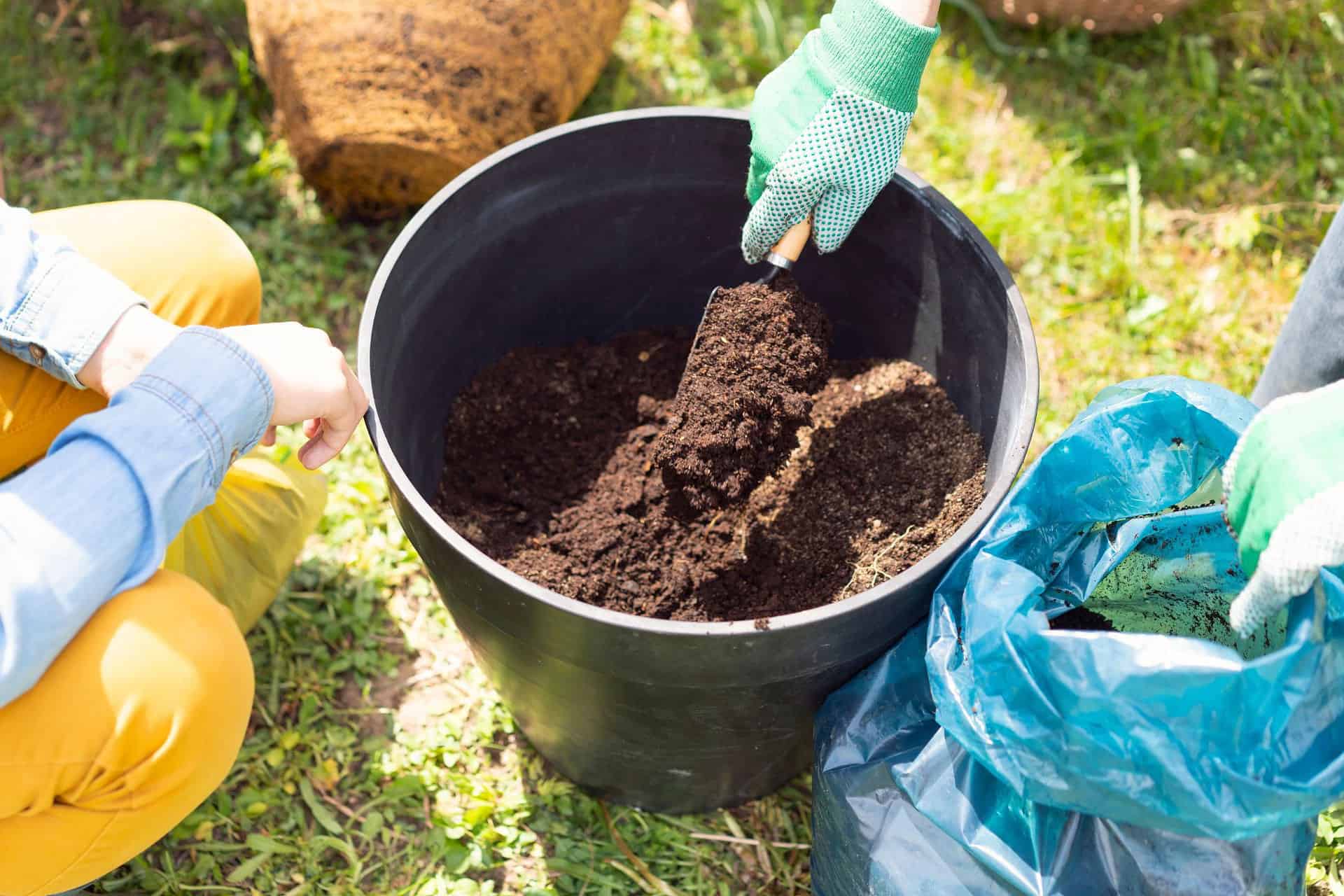
In general, green beans prefer a well-draining soil that is slightly acidic to neutral, having a pH range of 6.0 to 7.0. Prior to planting, remove any weeds or debris from the area and loosen the soil using a garden fork or tiller. Incorporate organic matter such as compost or well-decomposed manure to improve soil fertility and drainage.
With well-prepared soil, you create a favorable environment for their roots to establish, resulting in healthy plants and a plentiful harvest.
Planting

When planting green beans, it is best to sow the seeds directly into the soil, about 1 to 2 inches deep, spacing them according to the variety’s recommended guidelines. Ensure the soil is consistently moist but not waterlogged, as excessive moisture can lead to rotting. As the plants grow, you may provide support for pole bean varieties with trellises or stakes.
If you are planting pole beans, try to plant three or four seeds around each of the poles, four to eight inches apart, in rows that are two to three feet apart. If planting bush beans, plan to spread out plantings 10 days about, which will spread out the harvest.
Ideal Lighting

Green beans grow best in abundant sunlight, making it crucial to provide them with the ideal lighting conditions for optimal growth. For your green bean garden, choose a location that receives full sun, which means at least 6 to 8 hours of direct sunlight each day.
Adequate lighting promotes vigorous growth, enhances flowering, and boosts bean development. If your garden has areas with partial shade, be sure to grow green beans in the sunniest spots available to maximize their growth potential.
Temperature and Humidity Levels
Green beans have a fondness for warmth and thrive in air temperatures that hover between 65-85°F(18-29°C). These legumes are considered warm-season crops and require a consistently warm environment to flourish.

Growing green beans require soil temperature that reaches around 60°F (15°C) or higher to ensure successful germination and growth. If the air temperature falls below 50°F (10°C), green beans may experience stunted growth and may even fail to produce pods. To create an ideal growing environment, consider planting beans during the warmer months and providing them with protection from cold drafts or late-season frost.
Watering
Proper irrigation is essential for successfully growing green beans. During the first week until germination occurs, keep the seed bed consistently moist but avoid overly saturating it. Once the beans have sprouted, reduce the watering frequency to once every three days.
As the plants become established, which typically takes about a week, adjust the watering schedule to about twice a week or as needed based on the moisture levels of the soil.
Note: It’s important to maintain a balance by providing adequate hydration without overwatering, as excessive moisture can lead to root rot and other plant health issues.
Fertilization

Fertilizing green beans generally enables them to produce beans more frequently. Thus, before planting, incorporate a balanced, all-purpose fertilizer into the soil based on the recommended application rates. This will provide a good foundation of essential nutrients for the beans.
During the growing season, side-dress the plants with a nitrogen-rich fertilizer once they begin to flower.
Avoid over-fertilization, as excessive nitrogen can lead to excessive foliage growth at the expense of bean production. Regularly monitor the plants for any signs of nutrient deficiencies, such as yellowing leaves, and address them promptly with appropriate fertilization.
Mulching
Mulching is an excellent practice to help green beans thrive and maintain moisture levels in the soil. After the seedlings have emerged and the soil has warmed up, apply a layer of organic mulch around the base of the plants. Options like straw, grass clippings, or shredded leaves work well as mulch for green beans.
Mulching helps to suppress weed growth, retain moisture, and regulate soil temperature. It also acts as a protective barrier, preventing soil-borne diseases from splashing onto the plants during watering or rainfall. Ensure the mulch layer is around 2-3 inches thick, being careful to avoid direct contact with the plant stems.
Supporting Pole Beans

Green bean crops have two growing styles: bush and pole. Bush beans grow in a more compact manner while pole beans grow on climbing vines and they tend to flower continuously, producing new pods all through the season. Once they have established a few sets of leaves, pole beans need a sturdy support structure.
This can be achieved by installing the garden’s trellis, stakes, or poles.
You may do this by placing the support system about 6-8 inches away from the base of the plants to avoid damaging the roots. When growing pole beans, you may gently train the vines to climb up the support structure, helping them to reach their full potential. Regularly check the plants and secure any loose or wandering vines to ensure they remain on the designated support.
Pruning
Pruning green beans is not typically necessary for home gardeners. Unlike some other plants, green beans do not require extensive pruning to enhance their growth or yield. However, occasional light pruning can be beneficial.
If you notice any damaged, diseased, or dead leaves or stems, it’s advisable to remove them promptly.
This helps maintain the overall health of the plant and reduces the risk of spreading diseases. Additionally, if the green bean plants become overcrowded or tangled, selectively thinning out some of the excess foliage can improve air circulation and reduce the likelihood of fungal infections.
When pruning, use clean and sharp gardening tools to make clean cuts and be mindful not to damage the healthy parts of the plants.
Pest and Disease Control
Effective pest and disease control is essential for maintaining healthy green bean plants. Common green bean pests that can affect them include aphids, bean leaf beetles, Mexican bean beetles, and leafhoppers. To control them, regularly inspect your plants and manually remove any visible insect pests.
In addition, introducing beneficial insects like ladybugs or using organic insecticidal soap can also help manage infestations.
Meanwhile, diseases such as powdery mildew and bacterial blight can also pose some adverse risks to your plants. To prevent diseases, provide proper spacing between plants for good air circulation, avoid overhead watering to minimize moisture on the foliage, and promptly remove and dispose of any infected plant material.
Pro tip: Applying organic fungicides or copper-based sprays can help control disease spread. Maintaining a healthy vegetable garden ecosystem, practicing crop rotation, and choosing disease-resistant varieties can further minimize pest and disease problems.
Harvesting Green Beans

Harvesting green beans at the right time ensures the best flavor and texture. When the beans reach their mature size but are still tender and before the seeds inside fully develop, it’s ready to harvest. This is usually when the pods are firm, crisp, and reach a length of 4-6 inches.
To harvest green beans, hold the stem of the bean and gently snap or cut it off the plant. Avoid pulling the bean pods forcefully, as it can damage the plant. Check the plants regularly, as green beans mature quickly, and harvest every few days to encourage continuous production.
Remember that overripe beans become tough and lose their sweetness, so it’s important to stay vigilant.
Note: A pole bean plant would usually flower continuously, producing new pods all through the season, while bush beans tend to produce all their pods within one to three weeks.
Storing Green Beans
Proper storage helps preserve fresh beans while retaining their quality, allowing you to enjoy them for a prolonged period of time. To store green beans, start by trimming off any damaged or wilted ends. Next, place the beans in a perforated plastic bag or wrap them loosely in a damp paper towel to maintain moisture.

Store the beans in the vegetable compartment of the refrigerator, where the temperature is around 40°F (4°C).
Properly stored green beans can stay fresh for up to a week. However, it’s best to consume them as soon as possible for the tastiest results. Avoid washing the beans before storage, as excess moisture can lead to spoilage.
When ready to use, rinse the beans under cool water and trim the ends before cooking or preparing them in your favorite dishes.
Fall and Winter Care for Green Beans
Fall and winter care of green beans involve a few key steps to ensure their well-being during the colder months. As the temperatures begin to drop, it’s important to harvest any remaining beans before the first frost arrives.
Once the plants have finished producing beans, remove them from the garden and dispose of them to prevent the buildup of diseases and pests. Amend the soil with organic matter to replenish its nutrients and improve its structure for the following growing season, after the frost has passed.
Consider planting a cover crop or winter vegetables in the area after your bean patch to maximize the use of your garden space during the colder months.
Additional Tips
In addition to the essential care practices mentioned for growing beans, here are a few extra tips to help you maximize their growth. Firstly, regular and consistent watering is crucial to prevent drought stress and ensure healthy plants. Secondly, applying a layer of organic mulch around the plants helps to suppress weeds, retain soil moisture, and regulate temperature.
It also acts as a protective barrier against soil-borne diseases. Lastly, practicing crop rotation by planting green beans in different areas of your garden each year helps to prevent soil-borne diseases and maintain soil fertility.
Final Thought
Green bean plants are a worthy addition to your garden as they also prove to be sustainable since they can not only give you access to a nutritious vegetable, but they’re also capable of sequestering their own nitrogen, making them a beneficial accompaniment to other plants.
Should you wish to venture into planting green beans, they are a wide array of types that you can also explore. Whether it’s snap beans, runner beans, French beans, or bush beans, you may check out Plantly to find the best planting materials.
Whether you want to buy, sell, or simply reach out to other plant enthusiasts, Plantly is the right place to be!