Mint is a versatile herb used in various dishes and drinks, from mojitos to salads. Growing mint is easy and rewarding, and it’s a great way to add fresh flavor to your meals as culinary herbs.
Think of Citrata chocolate yummy, roast lamb, refreshing tea, mint sauce, and more. Whether you are a beginner or a seasoned gardener, this guide will give you the information you need to successfully grow and care for mint.
Another huge benefit is that the mint flowers attract bees and pollinators to the garden. So, roll up your sleeves, grab your gardening tools, and let’s get started!
More About Mint Plants

Mint, scientifically known as Mentha, is a genus of aromatic perennial herbs. There are over 25 species of mint, including peppermint, spearmint, and pennyroyal.
These varieties of mint are native to Europe, Asia, Africa, and North America. Mint has been used for centuries for its medicinal properties, and the ancient Greeks and Romans used mint to freshen their breath and aid digestion.
Mint is widely used in cooking and producing cosmetics, perfumes, and essential oils. It is also commonly used in traditional medicine to treat various ailments, including nausea, headaches, and digestive issues.
But a note of warning is that these culinary herbs, especially mint, are spreading plants.
Plant Name: Mentha spp.
Other Name: Mint plants
Plant Type: Perennial herb
Native Areas: North America, Europe, Africa
Light Requirement: Full sun to partial shade
Watering: Moderate
Fertilizer: Slow-release fertilizer
Toxicity: Toxic to pets
Temperature: Warm climates
Propagation:
Growth: 12-18 inches tall and 18-24 inches wide
Soil Type: Loamy, moist, well-drained soil types
USDA Hardiness Zones: 3-11
Quick Guide to Growing Mint Plants
If you are busy and do not have the time to read the full article, you can find quick tips here to plant mint.
Planting Location to Grow Mint:
Sunlight: Choose a location with a light shade to full sun to plant mint.
Soil: To plant mint, choose a well-draining, fertile soil with a pH of 6.0 to 7.0.
Planting Process For Growing Mint:
Container: Choose one with good drainage if growing mint in a pot.
Spacing: For growing mint, space them 18 to 24 inches apart in a garden bed or use separate pots.
Depth: Plant seedlings or cuttings at the same depth as in their original containers.
Watering to Grow Mint:
Frequency: Water your plant regularly to keep the soil moist but not waterlogged to grow mint.
Method: Use a watering can or drip irrigation to water the base of the plant.
Fertilization to Grow Mint:
Type: Use a balanced, slow-release fertilizer or organic compost.
Schedule: Fertilize once in early spring and again in mid-summer.


Pruning to Grow Mint:
Frequency: Regularly trim the plant to encourage bushy growth.
Method: Pinch off the top leaves and stems, leaving a few sets of leaves below.
When to Start Harvesting:
Timing: Harvest leaves as needed once the plant is at least 6 inches tall.
Method: Cut stems just above a set of leaves using sharp scissors or pruning shears.
Frequency: You can harvest up to 2/3 of the plant at once.
Storage:
Fresh Leaves: Store freshly harvested leaves in a plastic bag in the refrigerator for up to a week.
Dried Leaves: Dry mint leaves by hanging them upside down in a cool, dry place. Store in an airtight container.
Overwintering:
Outdoor Plants: Consider bringing potted plants indoors in colder climates for the winter.
Protection: Mulch around the base of the plants to protect roots from freezing temperatures.
Following these guidelines can help you grow mint to flourish and enjoy fresh mint in food.
How to Plant and Care for Mint
It helps to provide them with the proper growing needs for successfully growing mentha. Let us look at each requirement closely.
Soil and Water
Mint plants prefer to grow in moist, well-draining soil rich in organic matter. Alternatively, you can choose a quality potting mix with a pH between 6.0 and 7.0.
It’s essential to water mint frequently to keep the soil moist but not soggy. Ensure the soil is never completely dry.
Overwatering can cause the roots to rot, so finding the right balance is essential. It’s best to water mint plants in the morning so the leaves can dry before nighttime.
Light
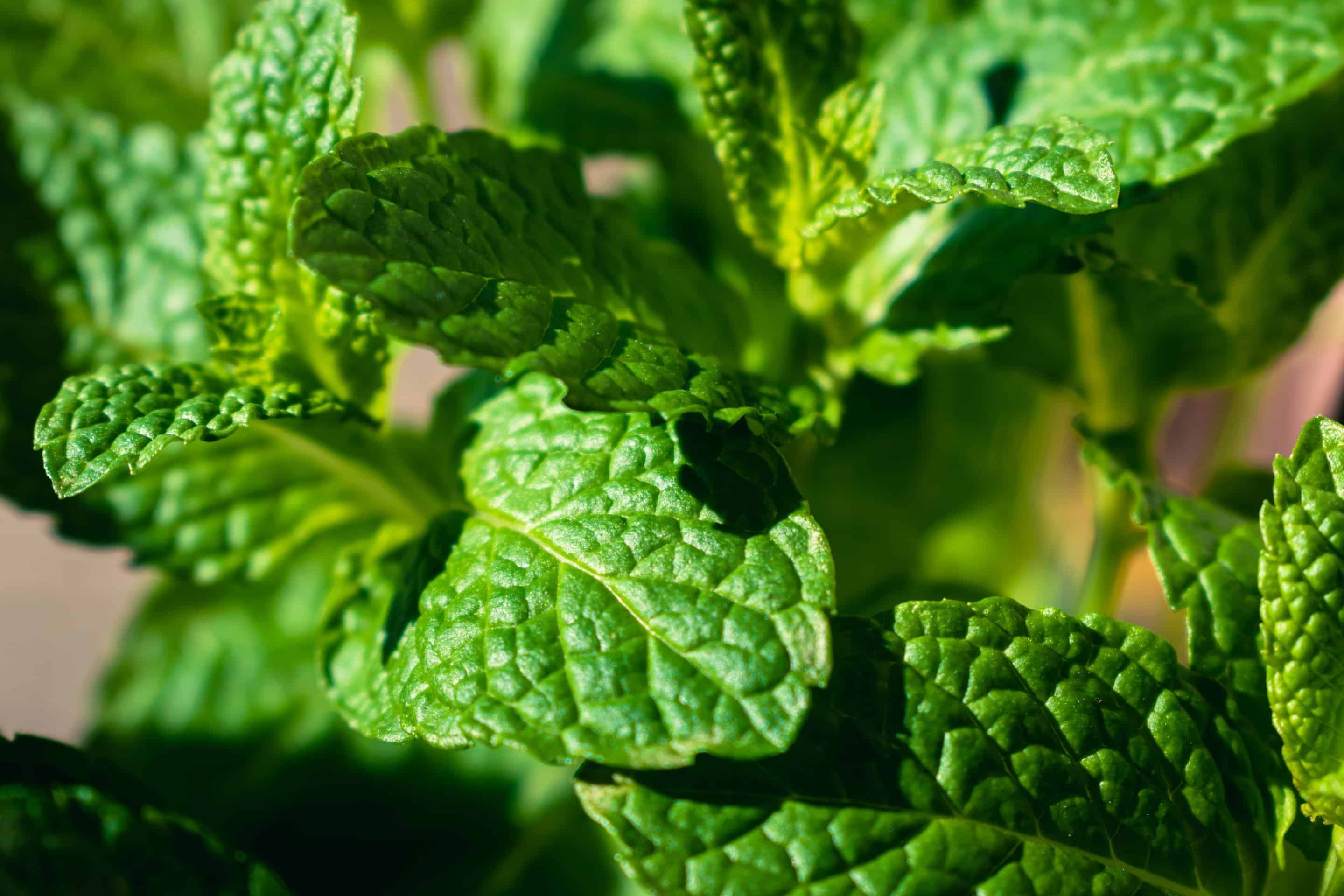
Mint plants require about 6 hours of sunlight per day to thrive. Yet, they can also grow in light shade or indirect sunlight in the garden.
If you’re growing mint indoors, place the plant near a sunny window that receives at least 4-6 hours of sunlight daily.
If you’re growing mint outdoors, ensure it’s in a location that receives morning sun and part shade in the afternoon, especially in hot summer. Direct afternoon sunlight can cause the leaves to wilt and dry out.
Temperature and Humidity
Mint thrives in moderate temperatures, ideally ranging between 60 to 70 degrees Fahrenheit (15 to 21 degrees Celsius). It can tolerate slightly higher or lower temperatures, but prolonged exposure to extreme heat or cold may stress the plant.
In terms of humidity, mint prefers a moderately humid environment. Ideally, relative humidity levels should be around 50% to 70%. High moisture helps prevent the soil from drying out too quickly and promotes lush, healthy foliage.
Nonetheless, it’s essential to ensure good air circulation around the plant to reduce the risk of fungal diseases, such as powdery mildew. Maintaining a consistent temperature and humidity level will support optimal growth and vitality in mint plants indoors or outdoors.
Regular monitoring of these conditions can help you make necessary adjustments to ensure the plant’s well-being.
Fertilizer
For mint plants, a balanced, slow-release fertilizer is ideal. Alternatively, you can use organic compost. You can apply a soil-based compost when the growth appears in early spring.

Using a slow-release plant food is best, and follow it up with another application to help support vigorous growth during the active growing season. You can sprinkle the fertilizer evenly around the base of the plant.
Then, water lightly to help the nutrients penetrate the soil. Still, a note of warning: Do not over-fertilize, as it leads to excessive leaf production that will remove the flavor.
Propagating Mint
There are three methods of propagation division: stem cuttings and seeds to grow new young plants. Each method provides the mint plant with a moist environment until it roots. Once the root ball establishes itself, you can transplant your new plants into a permanent spot.
Methods:
Division: Divide established plants into smaller sections, ensuring each section has roots attached
Cuttings: Take 4-6 inch cuttings from healthy stems and place them in water or soil to root.
Seeds: Sow seeds indoors in early spring or directly outdoors after the last frost.
Potted Mind Repotting
Potting or repotting the mint plant helps provide young plants with fertile potting soil and a container with suitable drainage holes to prevent it from becoming soggy. You can blend garden soil and compost—plant mint seedlings or cuttings at the same depth as their original containers.
Mint tends to multiply and may require repotting annually. Look for roots emerging from drainage holes or the soil surface as signs that repotting is needed. Remove the plant from its current small pot, trim any overgrown roots, and replant in a slightly larger container with fresh soil.

How to Store and Harvest Mint Varieties

The best time for harvesting mint leaves is once your plant reaches six inches tall. Use sharp scissors or pruning shears to cut the stems above a set of leaves.
Harvest mint leaves as needed once the plant reaches at least 6 inches in height. For dried mint, harvest before the plant flowers for optimal flavor—place harvested leaves in a plastic bag and store them in the refrigerator for up to a week.
Dry mint leaves by hanging them upside down in a cool, dry place. Once dry, store them in an airtight container away from direct sunlight.
Common Pests and Troubleshooting
As with most plants, the mint varieties like lemon balm, pineapple mint, and more are bothered by pests and diseases.
Pests
Aphids: Small, soft-bodied insects that cluster on new growth.
Spider Mites: Tiny pests that cause stippling on leaves.
Whiteflies: Small, moth-like insects that feed on plant sap.
Blue Mint Beetle: The blue mint beetle is shiny and feeds on the leaves, leading to stunted growth.
Natural Remedies: Insecticidal Soap is Effective against aphids and whiteflies. Wile Neem Oil is a natural insecticide and fungicide.
Diseases
Powdery Mildew: A fungal disease that appears as a white, powdery coating on leaves.
Mint Rust: Characterized by orange pustules on the undersides of leaves.
Prevention and Treatment
Ensure good air circulation around plants.
Remove and dispose of the affected parts to prevent the spread of disease.
Use fungicides or natural remedies as needed to control outbreaks.
Whether you want to buy, sell, or reach out to other plant enthusiasts, Plantly is the right place to be!