Growing Culantro is a great way to add a unique and delicious flavor to your dishes.
Culantro plants and Mexican coriander are commonly used in Latin American and Caribbean cuisines.
It is known for its strong aroma and distinctive taste, making it a popular choice among chefs and home cooks.
If you want to grow your own Culantro, you’re in luck! This herb is relatively easy to grow and care for, and with a little effort, you can enjoy fresh, homegrown herbs all year round.
Plant Name: Eryngium foetidum
Other Name: Mexican coriander, long coriander, spiny coriander, saw leaf herb
Plant Type: Perennial herb
Native Areas: Caribbean and Central America to South America Puerto Rico
Light Requirement: Sun to partly shady areas
Watering: Moderate
Fertilizer: Balanced Fertilizer
Toxicity: Non-toxic
Temperature: Warm
Propagation: Seeds or stem cuttings
Growth: Up to two feet tall
Soil Type: Well-drained soil
USDA Hardiness Zones: 9-11
What is the Culantro Plant
Culantro (Eryngium foetidum) is a critical ingredient in Caribbean, Latin American, and Asian cuisine. Unlike its look-alike cilantro, Cculantro has long, serrated leaves and a more robust, stronger flavor profile.
It belongs to the Apiaceae family and thrives in warm, tropical climates but can be grown in various regions. Culantro is prized for its aromatic leaves, which season dishes like soups, stews, and salsas. It can be grown as an annual or short-lived perennial, and its seeds can be harvested for future planting.
The herbs add a unique and intense flavor to culinary creations. Interestingly enough, it is also called the false coriander.
Quick Guide to Growing Mexican Coriander
Before we dive into the details, let’s start with a quick guide to planting Culantro, also called recao plant. A fact is that it belongs to the same plant family as Cilantro.
Here’s a quick guide to help you get started:
Climate and Potting Medium: These herbs thrive in warm, tropical climates but can also be grown in temperate regions. It prefers temperatures between 70°F and 90°F (21°C to 32°C). A well-draining, fertile potting medium with a pH range of 6.0 to 7.5 is ideal. Ensure the ground is rich in organic mulch.
Planting: Start with high-quality seeds, as they have a better germination rate. You can sow seeds directly into the ground or start them indoors in seedling trays—plant seeds about 1/4 inch deep. Space the seeds or seedlings about 6 to 8 inches apart for proper growth.
Care and Maintenance: Keep the soil consistently moist but not soggy. Water whenever the top inch feels dry.
Use a slow-release fertilizer or organic compost to provide essential nutrients. Follow the package instructions for application rates.
Place the plants in a location that receives partial shade and the sun, depending on your climate.
Harvesting Recao leaves: Culantro can be harvested once the plants reach a height of about 6 to 8 inches. Harvest the outermost leaves as needed, or cut the entire plant about 2 inches above the soil level. Regular harvesting promotes bushier growth.
Caring for Culantro Plants
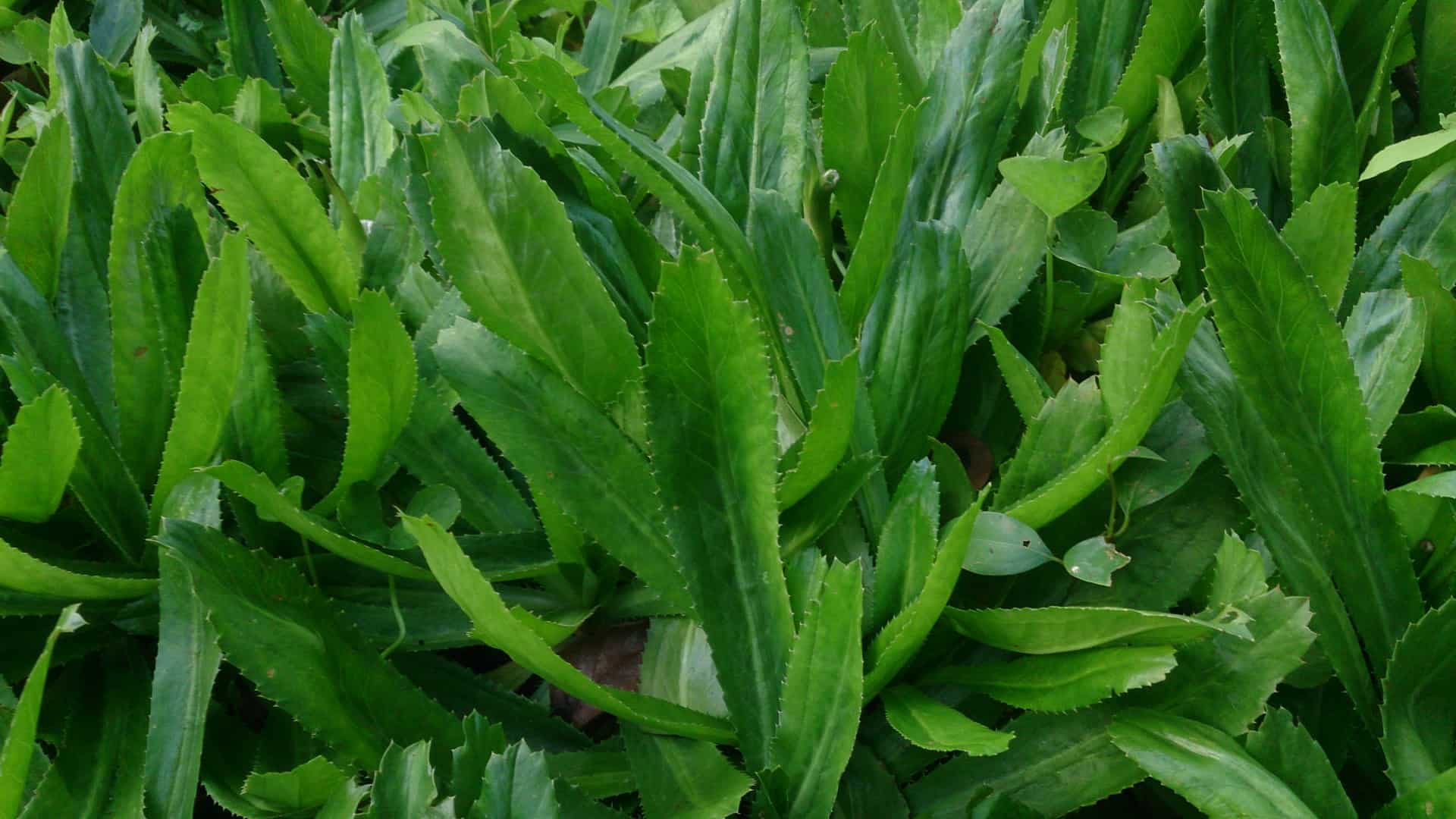
Now that you have the guide above to care for your Culantro plant, let’s look at each need to ensure fresh leaves are available to enjoy in your food.
Hot Tip: Did you know the herb grows as microgreens as well?
Soil and Water
Culantro prefers well-draining soil that is rich in organic matter. You can improve the quality by adding compost or other organic materials to the planting area.
It is essential to keep it moist but not soggy, as overwatering can lead to root rot. Water the plant deeply once or twice a week, depending on the weather and soil conditions.
You can add some organic material to help retain moisture in high temperatures.


Light
Culantro grows best in partial shade but can tolerate direct sunlight with enough moisture. If you’re growing Culantro indoors, ensure it gets plenty of bright, indirect light. You can use a grow light or place the plant near a window with plenty of light.
Temperature and Humidity
Culantro is a tropical plant that requires warm temperatures and high humidity to thrive. It can be grown outdoors in USDA zones 9-11 or indoors in a warm, humid environment.
The ideal temperature range for Culantro is between 70-85°F (21-29°C).
If you’re growing Culantro in freezing temperatures, it helps to grow them indoors; you can increase the humidity by placing a tray of water near the plant or using a humidifier, as for most herbs.
Hot Tip: The Culantro plant grows as a biennial plant in certain regions, and it is best to check your area to know if you should grow them as perennial or as an annual or if it is a biennial plant growing in two growing seasons.
Fertilizer

Culantro benefits from regular fertilization to promote healthy growth and a strong flavor. You can use a balanced, liquid plant food every 4-6 weeks during the growing season. Be sure to follow the instructions on the label and avoid over-fertilizing, as this can lead to salt buildup in the soil.
Propagation
Culantro can be propagated through seeds or cuttings to ensure you always have the aromatic scent around. To grow Culantro seeds is similar to growing Cilantro seeds. You can collect the seed from the flower stalk to sow in a shallow container filled with well-drained potting medium.
Keep the ground moist and warm; the seeds should germinate within 7-21 days. To propagate Culantro from cuttings, take a stem cutting from a mature plant and place it in a container filled with moist soil. Keep the ground moist and warm; the cutting should develop a root system within a few weeks.


Potting
Culantro can be grown in containers or on the ground. If you’re growing Culantro in a container, ensure it is at least 6 inches (15 cm) deep and has drainage holes in the bottom. Use a well-draining potting mix and keep the soil moist but not waterlogged.
If you’re growing Culantro in the ground, ensure the planting area has good drainage and is rich in organic matter.
Harvesting and Storing Culantro
When you need fresh culantro leaves for cooking, selectively snip off the larger outer leaves one by one. However, if your goal is to process and preserve the culantro, it’s best to harvest the entire rosette by slicing it off at ground level with a sharp knife.
To retain the herb’s distinctive flavor, blend the leaves with just enough olive oil to create a moist mixture in a food processor. Transfer this mixture into a freezer-safe container, then pour a thin layer of olive oil over the top to prevent freezer burn. Label the container and store it in the freezer.
Whenever you need culantro for a recipe, simply scrape off a portion of the frozen mixture using a knife.
Pest and Troubleshooting
Culantro is generally a low-maintenance plant but may be susceptible to certain pests and diseases. Here are some common problems to watch out for:
Aphids
These are soft-bodied pests that suck out all the sap from your plant, causing stunted growth to yellowing leaves. You can control aphids by spraying the plant with water, dish soap, or neem oil.
Leaf spot
This fungal disease can cause brown or black spots on the leaves and affect the plant’s overall health. To prevent leaf spots, avoid overwatering and make sure the plant has good air circulation.
Root rot
The fungal disease can happen when the soil is soggy and the roots become damaged. To prevent root rot, ensure the ground is well-draining and avoid overwatering.
If you notice any of these problems, take action immediately to prevent further damage to the plant.
Whether you want to buy, sell, or reach out to other plant enthusiasts, Plantly is the right place to be!