The Japanese yew is an evergreen tree native to several Asian regions with spiny needles with red ornamental fruits.
These trees can reach up to 50 feet tall in their native habitat, but in most garden settings, it only reaches 30 feet tall.
Most gardeners grow the yew in the landscape for decorative purposes as it responds well to pruning. Still, a note of warning ❗ the foliage and seeds are poisonous and considered invasive in many regions.
Plant Name: Taxus cuspidata
Other Name: Japanese yew, or spreading yew
Plant Type: Evergreen trees
Native Areas: Asia
Light Requirement: Full sun to shade
Watering: Moderate
Fertilizer: High-nitrogen granular fertilizer
Toxicity: Toxic to humans and pets
Temperature: Cool temperatures
Propagation: Cuttings
Growth: Up to 50 feet tall and 20 feet wide
Soil Type: Neutral soil
USDA Hardiness Zones: 4-7
Latin and Common Names Japanese Yew
The scientific name for the Japanese yew is Taxus cuspidata. It belongs to the Taxus genus and is a member of the yew family known as Taxaceae. Another common name is the spreading yew.
Many yews have dark green leaves, while others have bright yellow foliage before it matures to green.
The Japanese yew thrives in the growing zones 4 to 7 and can reach heights of up to 50 feet tall grown in the right conditions. But you can keep them smaller to form shrubs in the garden. So, you can grow them in a pyramidal form when pruned.
A notable standout compared similarly to the English yew (Taxus baccata) is the evergreen dark green spiny needles an inch long—the leaves you find tinged with yellow on the undersides. Another standout compared to the European yew is the bark color which is reddish brown yet scaly.
During winter, the foliage can also turn a reddish brown to add winter interest to the landscape. As with most yes, like the Taxus baccata, the Taxus cuspidata is dioecious, growing separate male and female flowers on one plant.
You find the male flowers growing on the underside of foliage, and the female flowers produce red fruit containing a single seed. The berries look attractive to many gardeners but are toxic to humans and pets.
You can grow the Japanese yew in a foundation planting or as a hedge to take different shapes when pruned.
Types of Yew
You can find 400 cultivars in the yew family derived from the European yew known as the English yew or Taxus baccata or the Japanese yew the Taxus cuspidata.
The Repandens is an English yew that grows up to four feet in height and 15 feet wide. It looks gorgeous in foundation plantings or grown as a short hedge.
The Canadian yew (Taxus canadensis) has a spreading growth habit and reaches four feet in height and seven feet wide.
Fastigiata, which belongs to the European yews, reaches up to 30 feet high to eight feet wide to form a privacy fence.
Then you have the Hicksii, widely grown as a privacy barrier. The Hicksii has a column shape growing up to 15 feet in height and 20 feet wide.
Taxus Cuspidata Plant Care

Away from the plant’s natural habitat, the tree needs excellent drainage to grow successfully. While it tolerates pruning well, it does not handle soggy soil as it is susceptible to fungal infections like root rot. But mostly, the plants are low-maintenance and only need water occasionally with annual pruning.
Japanese Yew Lighting Needs

The Taxus cuspidata can grow in different lighting conditions, from direct sunlight and partial to full shade. But if you want to enjoy the lush foliage color, provide them with a few hours of sun daily, as too much shade will result in floppy growth.
Recommended Soil

These bushes are hardy and thrive in different soil conditions, but most importantly, provide them with well-drained soil when planting in the ground. So, you can provide the Japanese yew with loamy soil that is neutral 😐 to slightly alkaline with a pH level of 5.0 to 8.0.
Even in clay, it thrives, but we still recommend amending it to provide good drainage.
Watering Your Ornamental Shrub
The Japanese yew prefers moist soil and is drought-tolerant for a short while. For young plants during the first year, water 💦 them well to help the roots become established. Older plants can go without watering and only need moisture during dry periods if natural rainfall is absent.
Temperature and Humidity
While the hardiness zone can vary from the English yew to the Japanese one, both cannot tolerate extreme temperatures, whether hot or cold. Please provide them with a sheltered spot to protect them from strong winds in winter.
You may find that your yews can get winter burn, and these shrubs can also suffer from hot weather to humidity.
Fertilizing Taxus Cuspidata
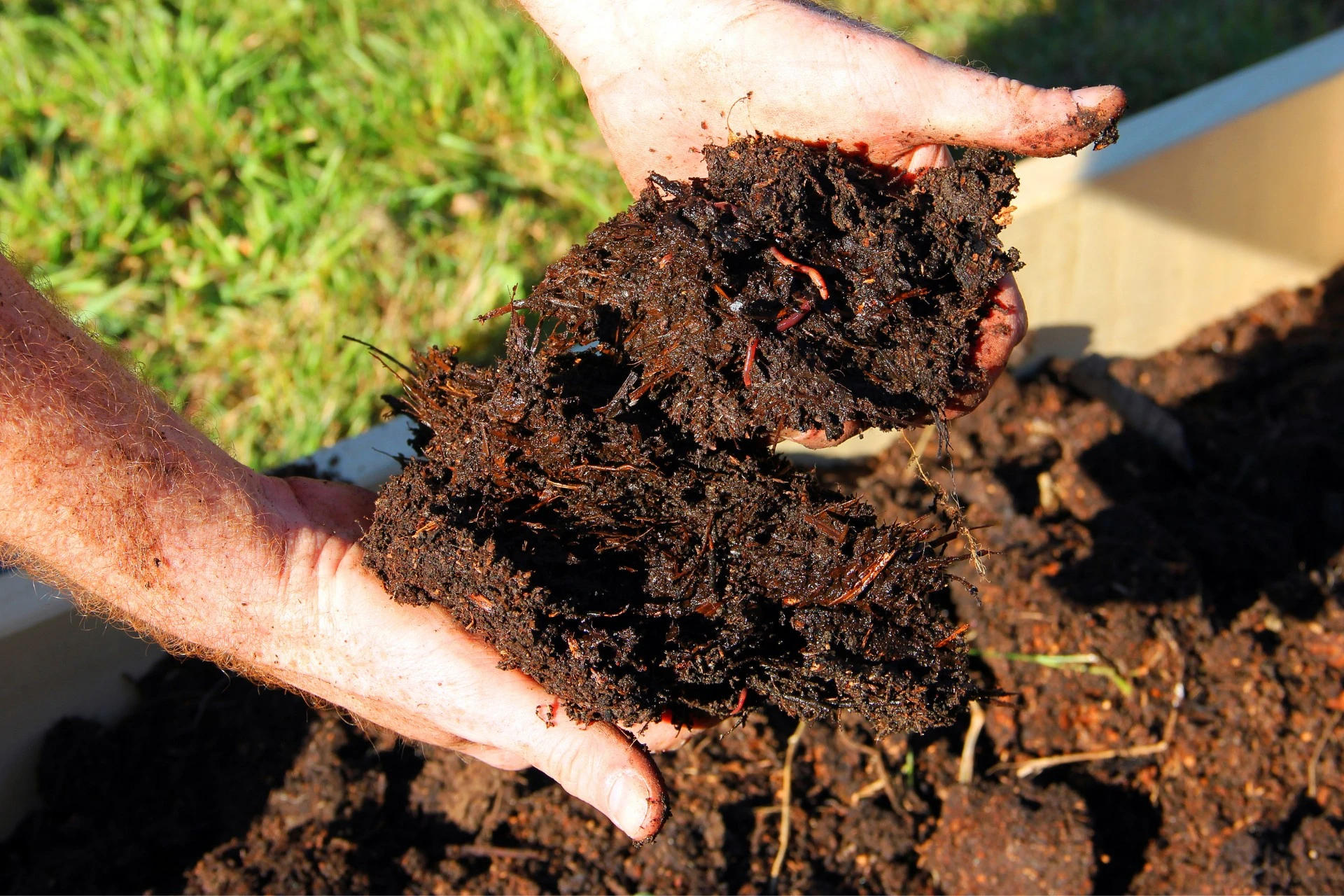
Feed your Japanese yew in early spring, starting a year after planting. You can spread an inch of mulch or compost a foot away from the trunk to extend to the drip line where the rain most reaches the branches.
You can use a high-nitrogen granular fertilizer to spread it in a similar way as with compost.
Pruning Japanese Yew
When these shrubs become overgrown, you can fix them with some pruning. The Taxus cuspidata tolerates pruning well to promote new growth. You can do this in early spring to shape your tree.
Cut the branches back to the joints and remove the dead, diseased, or damaged foliage.
Potting and Repotting Yew
Yes are similar to most of their evergreen counterparts and look beautiful in containers. You can keep them in pots in some climates year-round. But these species do tend to grow slower, grown in pots. You can place them as a statement piece along a walkway or entryway.
Preferably choose a terracotta pot with good drainage and well-drained soil. Keep them wet throughout the year but not soggy. When fall arrives, you can provide potted plants with partial shade in a secure spot to protect them from the cold.
Overwintering Japanese Yew
Yews can tolerate most climates when it comes to the cold. But to help retain the needle color, water your plant well in the fall until the ground freezes up. To prevent winter burn, it helps to place your yews on the north-facing side of the home in the garden.

Propagating Yew
You can take cuttings to grow new trees, from the European yew or Japanese one, no matter what species you have. You can use the seed found in the berry, but it does take years to germinate.
Please take a few six-inch cuttings from your Japanese yew in late summer, or do it in early fall.
Take cuttings from the softwood portions choosing strong upright shoots.
Dip the cut end into a rooting hormone and place it in a pot with sand and good drainage.
Keep the sand moist until new growth appears and place them in bright light.
Keep examining the plant for root development and if it has a root system doing the following.
Fill pots with potting medium and water them well, allowing excess water 💦 to drain from the container.
Place the rooted cuttings into the potting medium and allow them to grow until big enough to transplant to the garden.
How to Grow Yew From Seed
Growing yews from seeds can take years, and you will need to store the seed in a potting medium in the freezer for up to ten months. You will need to keep checking on them to see if they sprout. Once the seed germinates, you can plant them and tend to them as a seedling in pots.
You can transplant them outside when big enough, but it can take years.
Common Pests & Plant Diseases
Yews are susceptible to different sapsuckers, including scale and mealybugs. These bugs overwinter in the shrub, and the nymphs emerge in spring to feed on the foliage.
If you notice yellow branches to needle loss and dieback, it can result from these pests. The best to control these pests is to remove them with a spray of water using a hose. Then remove the older foliage that has deteriorated.
Or spot treats the plants with a 70% isopropyl alcohol diluted with water but test it on a small piece of foliage first. The Japanese yew is not bothered by diseases.
Whether you want to buy, sell, or simply reach out to other plant enthusiasts, Plantly is the right place to be!