The next plant we have for you would be as stunning as jewels can be, brought to you by our dear nature! Native in Southeast Asia, Macodes petola, or better known as Lighting Jewel Orchid, is one striking plant that can level up your planting experience.
With its lush green leaves with golden stems that seemed like veins netting each leaf’s surface, it looks really striking like a jewel, especially in bright lights.
Though this is a tropical plant, our Lighting Jewel Orchid loves water—a lot. It does not go well with direct sunlight. And though it is a terrestrial plant, it can go well with pots and is extremely okay with being an indoor plant.
Macodes Petola Plant Care Basic
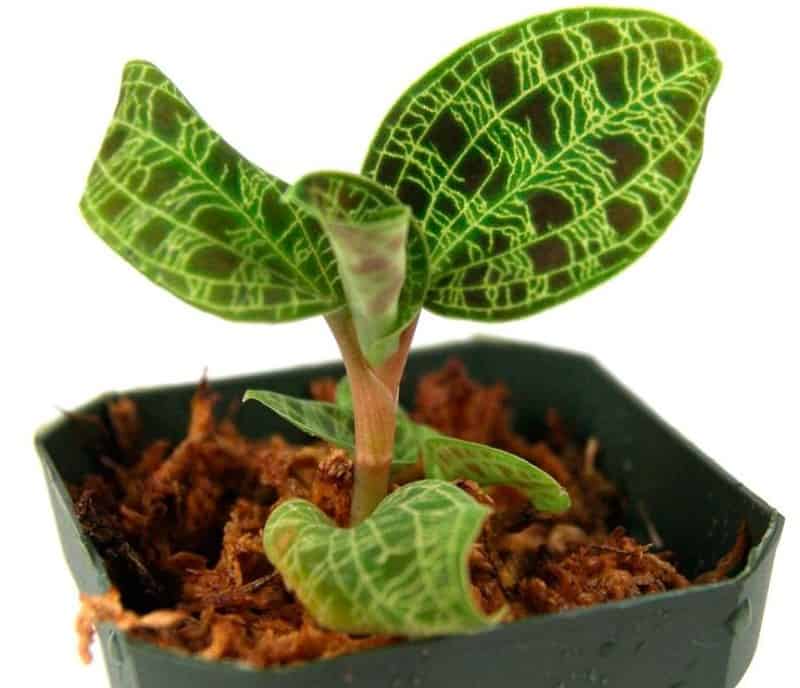
The Macodes petola is a stunning jewel orchid with magnificent leaves that seem to practically brighten up a room. Though it isn’t the easiest houseplant to care for, it may thrive and keep people talking with proper care. Below are some amazing facts about the Macodes Petola, and some tips on how to take care of them in your home.

The Best Potting Mix
The soil in your Macodes petola should keep enough moisture while allowing the roots to breathe. It’s best if the pH is neutral or slightly acidic. Fertility is also required for the soil. If you add nutrients to soilless mixtures, they can function, but traditional bark-based orchid media may not retain enough water.
All other aspects of Macodes petola care will be considerably easier if you have the correct soil mix. It’s best to use an equal combination of peat or coco coir and perlite. Sphagnum moss can be used alone or in combination with peat and perlite.
Regardless of the soil components, a light, extraordinarily well-aerated, and moisture-retentive mix is required. Another Macodes petola care tip is to mix crushed eggshells or oyster shells into the soil mix, as they are commonly found in limestone areas in nature.
Watering Needs

Because the plants are native to locations with a lot of rain, having a lot of water is a crucial aspect of Macodes petola care. To avoid dryness, the soil or substrate should be kept moist at all times. Make sure the planting mixture/substrate isn’t too wet, as this can cause problems with the plant, such as root rot.
During the winter, the amount and frequency of irrigation should be reduced. On chilly days, the plant is not actively growing, therefore its water requirements are reduced. Here are some more watering ideas for your Macodes petola.
If your tap water is excessively mineralized, it’s preferable to use purified water. Use only dechlorinated water. Also, keep in mind that damp leaves repel the Macodes petola! To keep the foliage dry, water at the plant’s base. Another method is to water from the bottom.
Ideal Lighting
Macodes petola maintenance requires bright, indirect light. This plant is classified as a shade-loving plant. Some plant owners, however, claim that a little brilliant filtered light enhances the colors in the leaves.
In addition, very little light causes the plant to become leggy. Direct sunlight should be avoided at all costs. Indirect sunlight, leaves will fade and sear.
Overall, Macodes petola care is easier to manage when grown indoors under adjustable grow lights that can be tuned to simulate the forest conditions of steady and sustained brilliant shade.
If you don’t have to grow lights, a few feet away from a bright east-facing window would suffice. A shady north-facing window is also an excellent choice but keep them away from a sunny windowsill.


Temperature & Humidity
This one-of-a-kind orchid can only be found in Southeast Asia’s hot and humid rainforests. It lives in the shade of the forest at lower altitudes, where organic life warms the air. To grow Macodes petola, you’ll need to repeat this process year-round.
The Macodes petola requires an unusual combination of conditions: it prefers moist, gloomy environments with high temperatures. It’s almost as if it’s a mold recipe.

The plant grows best in a warm range of 75°F (24°C) to 85°F (29°C), so if you’re not seeing the growth you want, check the temperature. They don’t mind if the temperature drops to around 65°F (18°C) in the evening, but 60°F (16°C) is a safe minimum. They are not tolerant of frost. So, basically, summer is required all year!
The air is steamy in their natural habitat, which is the rainforests, with humidity levels above 85%. Macodes petola will thrive under these conditions and will reward you with rapid growth. This plant prefers to be kept moist.
The Macodes require 85 to 90 percent humidity in the winter, which drops to roughly 50 percent in the summer. If you believe your home’s atmosphere is too dry, consider placing a moisture tray or a humidifier in the room. To generate humidity, never huddle the plant with other plants.
Because this plant is prone to moisture-related diseases, good ventilation should be maintained at all times.
Humidity levels of over 80% (during summer), on the other hand, can promote the growth of moisture-loving diseases such as mold and fungus. High levels reduce leaf transpiration (water loss) and watering requirements. Keep in mind that root hydration is the most serious problem.
High humidity is good — it’s one of the reasons they thrive in terrariums – but root wetness must be maintained.
Fertilizer
If jewel orchids are parched, they are also hungry. They need to be fed on a regular basis or they will become dissatisfied. It is suggested that you use a high-quality organic liquid fertilizer.
The application of an orchid fertilizer is another alternative. Macodes petola thrives in either a balanced or nitrogen-rich environment. It is advised that you apply a highly diluted solution once a week.

The solution must be diluted to 1/4-1/8 of its original strength, or the plant will die from salt buildup. In addition, make sure the substrate has plenty of organic fertilizer to act as a slow-release feed. This can be replenished roughly twice a year.
Another thing to keep in mind is that between March and June, you should use a nitrogen-based fertilizer. For the months of August through October, a phosphorus-rich fertilizer is preferable. Because the plant is less active in the winter, fertilizer should not be applied as regularly.
An excessive amount of fertilizer may cause the Macodes petola plant to burn. This plant ingests nutrients via its leaves. Young plants may take more nutrients through their foliage than they do through their roots.
Propagation
Macodes petola propagation differs significantly from that of other flowering orchids. Using standard methods, they take hold quickly. Offsets, stem cuttings, rhizome division, and air layering are all options for propagation.
Macodes petola propagation, on the other hand, demands time and attention. Also, like with other orchids, sanitizing garden tools before cutting is essential to avoid infection pathogens. It works by wiping the blade with isopropyl (rubbing) alcohol.


Growth Zone
Macodes petola is a rhizome that spreads across the ground. They’re smaller plants with a moderate and cautious growth pattern, so they won’t take up a lot of room.
The stem tips are upright at first, but as they grow longer, they begin to hug the earth. They thrive in large ceramic or terracotta pots. They reach a width of 6 inches and a height of 3 inches in about a year.
Potting

Even if they are root-bound, the Macodes petola continues to flourish if their care needs are properly met. If you’re using sphagnum moss in your potting, they’ll need to be repotted once a year. Because moss deteriorates with time, creating fungal diseases, it’s a good idea to replace the substrate once a year.
The stems are fragile and are prone to breaking during repotting. As a result, it is advised to line the pot’s base with plenty of gravel. This permits the plant to readily fall out.
Pruning
Although it’s doubtful that you’ll wish to prune the magnificent leaves, there are a few reasons why you might need to. First and foremost, it is necessary to groom the plant by removing any dead or damaged foliage. Second, the Macodes Petola, especially in a terrarium, might outgrow its confines.
Finally, if the stems become too long or lanky, they are prone to breaking. You might wish to keep a tight grip on the situation. With a sanitized blade, you can trim leaves at the base of their stems, but cracking them off may be more effective at inducing (minor) branching in the remaining stem.
Another pruning option is to place the broken piece back into the pot’s soil to propagate it.

Macodes Petola Plant Varieties and Similar Plants
Macodes petola actually has some ‘jewel’ varieties and may also go well with some plants such as the Golden Jewel Orchid or the Anoectochilus Chapaensis and Ludisia. Here are some varieties you may try
- Macodes Sanderiana
- Var. Robusta
- Var. Javanica
- Var. Argenteoreticula
Macodes Petola Plant Diseases & Pests
A very wet soil of your Macodes petola can rot its roots. So, though your jewel likes water, avoid overwatering.
Leaves may also start falling, yellowing, or have brownish tips when overwatered, or receiving too little light. Always make sure your soil is not clogged with water. Also, avoid wetting your jewel orchid’s leaf. A fungus may also grow on its foliage, so it’s better to inspect your jewel from time to time.
Mealybugs and other houseplant pests can be one of your minor problems as well. Simply remove them with a cotton ball soaked in alcohol or mild soap solution.
Whether you want to buy, sell or simply reach out to other plant enthusiasts, Plantly is the right place to be!