The Mexican feather grass comes with its benefits but also has some downsides. Still, the plus side is it remains an elegant beauty.
When the wind 🌬️ blows, it gracefully sways with the feathery flower panicles. The ornamental grass is drought tolerant once mature and can thrive in full sun to some shade.
It is a perennial that returns year after year, but its main downside is it self-seeds, making it an invasive species.
But that does not mean you cannot grow the feathery grass in your garden bed. With some care tips, you can enjoy the beauty of the grass while keeping it under control in containers.
More About Nassella Tenuissima
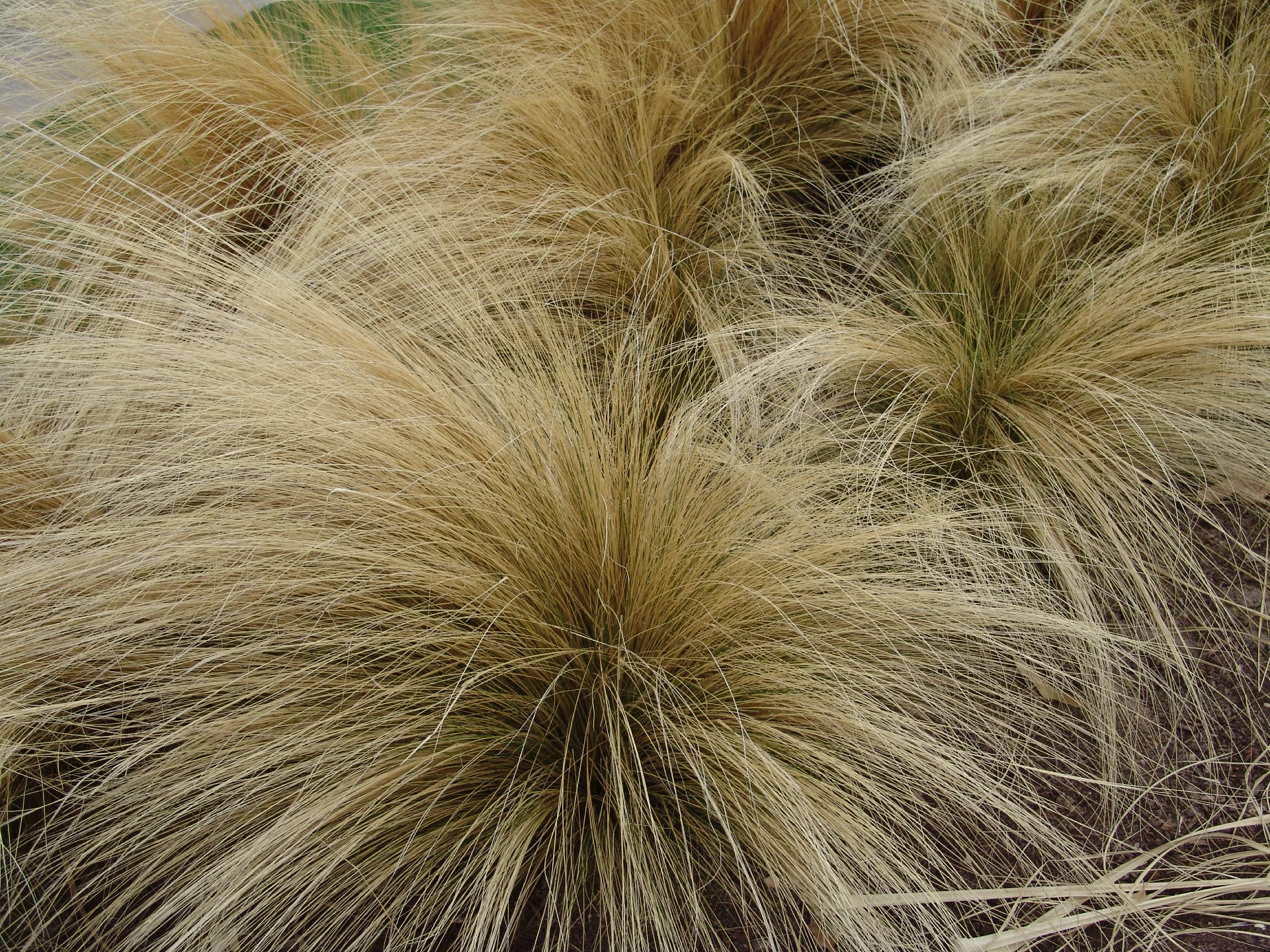
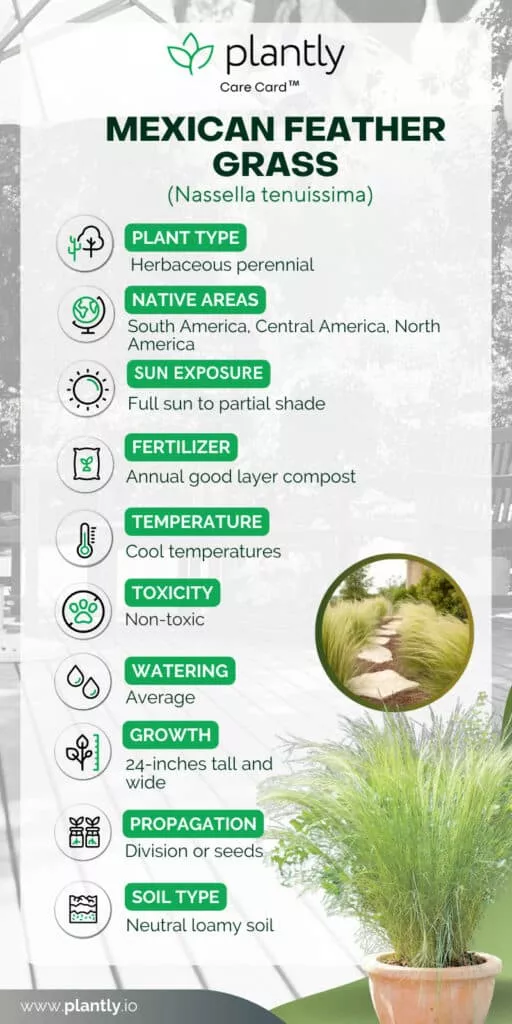
Mexican ornamental grasses is a fine textured grass and native plant to northern Mexico and some parts of North America. The grass native to Southern America can reach up to two feet tall and moves gracefully with the slightest breeze.
The best time for growing Mexican feather grass is in spring, and it is a perennial in the USDA zones 7 through 10 and self-seeds. As it self-seeds, it is the main negative and has become an invasive plant in California.
Where the ornamental grass has become invasive, you need to provide it with the best landscape maintenance and will need to remove seedlings where you do not want them to grow. The grass forms larger clumps, and the foliage has a soft texture.
As it has a fuzzy appearance, it looks fabulous grown in a line to form a border along a patio. The leaves are silvery green to lime and work well with darker plants. While the grass flowers it is mainly grown for the foliage.
The color of the grass also adds winter interest to the garden bed with its big brown tufts. When grown on slopes, it helps to control erosion.
Planting Mexican Feather Grass Care
When planting Mexican feather grass, while useful, it remains an invasive plant, so check with your local county extension first before planting Mexican feather grass.
Stipa Tenuissima Lighting Needs

Stipa tenuissima prefers growing in full sun but can also handle some shade.
Best Soil For Mexican Feathergrass

Whether grown in the landscape or containers, provide your Mexican feather grass Nassella with well-drained soil on the loamy side. Amend the soil using organic matter or sand if it is not loose enough.
Watering Ornamental Grasses

The ornamental grass has low watering needs; it can handle drought once the roots are established. It handles drought by going into dormancy. Interesting, do you not agree😃.
Pony Tail Temperature and Humidity

As important as good drainage, the ornamental grass prefers cool weather to heat. While it does not die out in late summer, it only loses color in warm and humid months. In winter temperatures, the grass can still survive. It can handle temperatures to 0°F but colder will kill it with time.
Fertilizing Pony Tails
Preferably avoid using a high nitrogen fertilizer and add some compost instead annually.
Pruning Pony Tails
You need not prune this ornamental grass, but you can trim the dead flowers or overgrown stems when the growing season ends in late summer.
Potting and Repotting Mexican Feather Grass
When planting the ponytails, they can be planted in pots with your other plants. Its height makes it look fabulous as a central plant in mixed plantings. You can surround them with other plants that thrive in direct sunlight.
But ensure good drainage and be extra careful not to overwater them.
Overwintering Mexican Feather Grass
When it comes to Mexican feather grass care, it can survive in the landscape in late winter freezing temperatures. When grown in containers, you can keep them in a frost-free area, in a cold frame, or on the ground.


Propagating Mexican Feather Grass
You can get new plants by dividing or sowing the seed from the Mexican feather grass. The best time to divide your plants is in spring before they send up new green shoots. You can easily break up the large clumps, and here is how you can do it.
Division Steps:
Lift out the plant with root ball and all using a sharp spade and divide it with the sharp edge of the shovel.
You can easily divide the clumps by laying them on its side and cutting them into halves or thirds.
Dig a hole twice the root ball’s size and line the hole’s bottom with compost.
Place the plant in the hole with the crown below the soil line and fill it with soil and water.
Growing From Seed
Start the seed indoors in early spring and use a layer of potting mix to cover the seed and keep them watered. Once the new plants are sturdy, you can transplant them outside.
Common Pests and Plant Diseases
The Mexican feathergrass is not bothered by pests much, but aphids enjoy the foliage. You can see leaf spots occasionally. It is also rabbit and deer-resistant. When planted and established, it is a low-maintenance plant.
Whether you want to buy, sell, or simply reach out to other plant enthusiasts, Plantly is the right place to be!