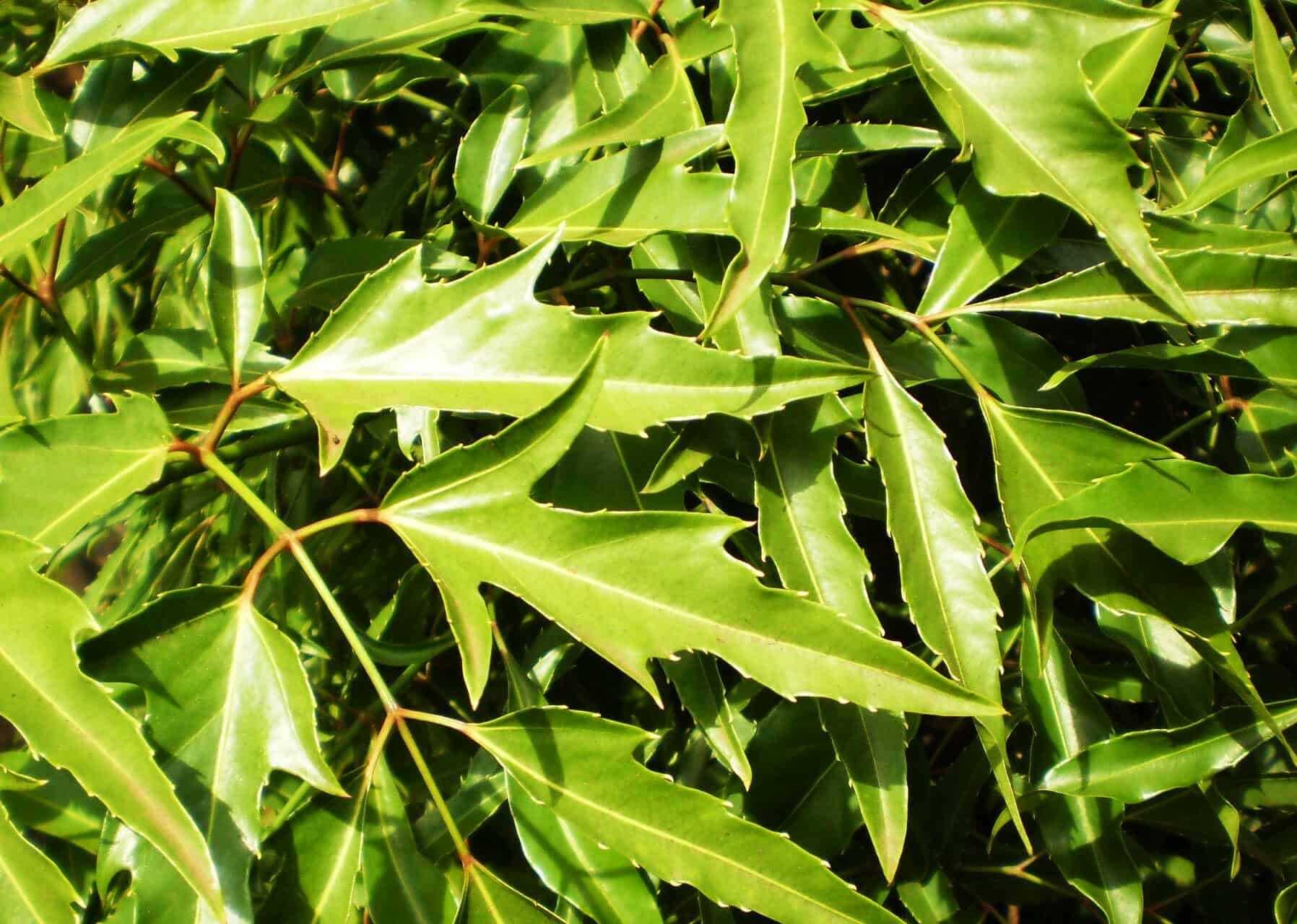
Ming Aralia is an evergreen shrub boasting fluffy, bright green foliage that adds texture to your garden or indoor oasis.
Ming aralia plant is believed to bring good luck and prosperity according to Feng Shui principles.
Their lush foliage and graceful appearance make them popular choices for homes and offices seeking to invite positive energy and harmony.
Key Takeaways:
Native to various regions, including India, the Pacific islands, and South Asian countries like China, the Ming aralia thrives in tropical climates.
Ideal for indoor and outdoor cultivation, the Ming aralia requires attention to humidity levels and temperature, especially in USDA hardiness zones 11 and 12.
Proper soil composition, featuring good drainage and slight acidity, is essential for healthy Ming aralia growth. Mixing coco coir, peat moss, perlite, and coarse sand is recommended.
Bright indirect light is optimal for promoting lush foliage, although the Ming aralia can tolerate varying light conditions.
Careful watering is crucial to prevent root rot; maintaining a consistently moist but not soggy soil is key
More About The Japanese Ming Aralia Tree
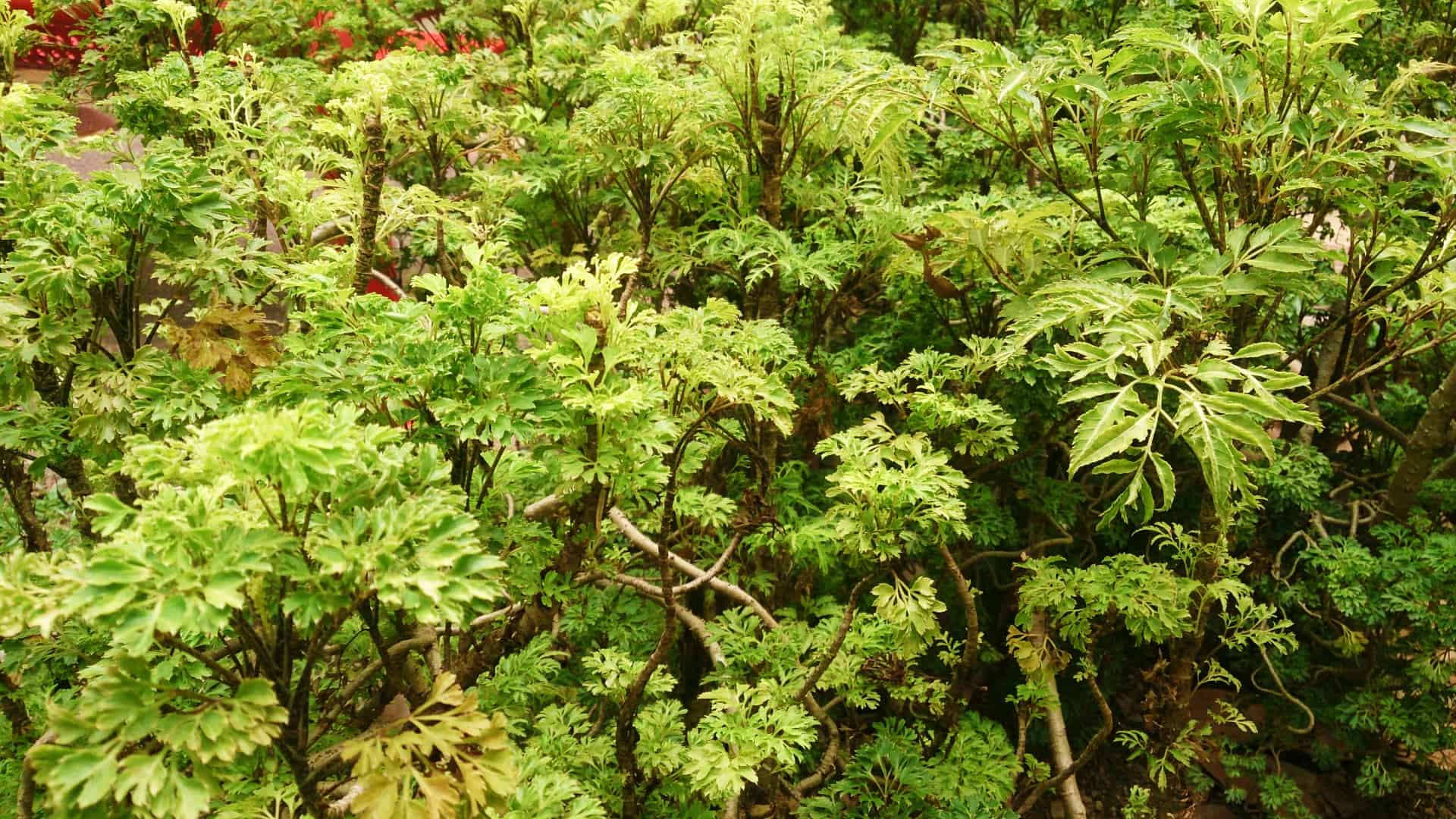
The evergreen shrub, part of the Araliaceae family, goes by the botanical name Polycsias fruticosa. With feather-like foliage on erect branches, it hails from India, the Pacific islands, Polynesia, and various South Asian countries.
This tropical plant boasts an upright, tree-like growth, with segmented, dark green foliage giving it an exotic appearance.
Ming aralia, also known as Chinese Aralia or Parsley, can reach heights of eight feet and be cultivated as a bonsai tree.

Ming Aralia Plant Care Guide
In the USDA hardiness zones 11 and 12, the best place to care for Ming aralia houseplants is indoors. You can grow your plant outdoors, depending on where you live.
Still, this shrub has a reputation for being picky compared to other greenery outdoor evergreen shrubs.
The Best Soil for Ming Aralia
Great, now that you are a Ming aralia plant parent, the first important thing is to provide your baby with suitable soil.
Furthermore, being grown in a shallow container makes for an excellent bonsai specimen shrub. Whether you grow it as a houseplant or as a Ming aralia bonsai, it needs well-draining soil.
Lastly, the Ming aralia prefers a slightly acidic potting soil filled with organic matter. For an ideal potting mix, we recommend equal parts of coco coir, peat moss, perlite, pumice, or coarse sand with your potting soil.

Hence, you get soil that retains moisture while providing good air circulation and allowing excess water to flow through the drainage holes.
Bright Indirect Light Best For Ming Aralia
As a houseplant, the Ming aralia adapts well to different light conditions. But if you want to promote more foliage with that gorgeous upright growth habit, it needs bright indirect light. As an outdoor plant, it helps to place your shrub in full sun during the morning with partial shade in the afternoon.
We do not recommend direct sunlight as it can scorch the leaves. While Ming aralia can tolerate low light, it grows slower with pale foliage. For indoor growing, it helps to place your plant at an east-facing window or a foot away from a west-facing window.
For south-facing windows, place your plant at least four feet away.
Watering to Prevent Root Rot
Your Ming aralia gets fussy as she needs proper watering to keep a constant moist potting mix but needs excellent drainage. We recommend checking the soil and water as needed every other day to keep the roots hydrated in the growing season.
You can avoid watering too much in the colder months, but always keep the soil damp. Do not overwater your plant or underwater it, as the Chinese aralia leaves will turn yellow with brown tips. With overwatering, the root system will end up rotting.
So, poke your finger into the soil to check the top two inches to see if it is dry between your waterings. Also, water near the plant base, preferably not the foliage, as it can get bacterial infections. We also recommend using only room-temperature water to prevent plant shock.
The Right Temperature and Humidity to Prevent Leaf Drop

As important as providing bright light with part shade and water, your plant needs an ideal humid air temperature. For the perfect indoor environment, temperature tries to keep it at a range between 65°F and 85°F with humidity above 70%.
Where possible, it helps keep your Ming aralia away from cold temperatures or dry air, as it will result in leaf drops leading to bare branches. In addition, it helps to use a water-filled pebble tray for correct humidity levels in winter.
Many people also say you can mist the leaves with distilled room-temperature water. Still, if you mist the foliage, we recommend leaving it to dry out well. Your plant will thrive in bright indirect light with warm temperatures as it is not a cold hardy species.
Fertilizing Tropical Plants

We recommend using an all-purpose liquid fertilizer at least once a month during the growing season, from spring to early summer. With a feed, it keeps your Ming aralia healthy with new growth. Stell, refrain from feeding in winter as your plant goes dormant.


Potting and Pruning
Regarding repotting your Ming aralia, we recommend investing in a terracotta or clay pot, which wicks the water away. You need not often repot as the plant has a delicate small root system. Hence, you can expect to do this every three years to provide fresh soil in spring or summer.
We recommend leaving your plant with wet soil for at least two to four days before transplanting. Now is also a great time to check the roots and remove any damaged or diseased ones.
Another integral part of maintaining your Ming aralia is to prune it to keep it at a desirable size and shape. It helps to remove the leggier branches or damaged leaves to encourage branching. Alternatively, you can trim it for bushier growth.
Propagating of Ming Aralia
Propagating your plant’s feathery foliage is quickly done through stem cuttings. The best time to do this is in late spring or at the beginning of summer.
Select a healthy stem from mature plants from the top to root into a new plant.
Remove the stem from the mother plant by cutting below a leaf node.
Remove the top and bottom leaves and let them be callous for 24 hours.
Dip the cut end into rooting hormone for about 20 minutes, then insert it into damp soil with the node. Water well and wrap with a plastic bag to help maintain the moisture.
Keep the soil moist and place your cutting in a warm spot with bright light until you see root growth. Once you notice new roots, it helps to remove the plastic bag and place it with your indoor plants in a bright, indirect light spot.
Types of Ming Aralia
Aralia ‘Balfour’
This particular cultivar showcases elongated leaves adorned with numerous leaflets. Its variegated foliage features striking white borders and a lush green middle, rendering it a visually appealing option for indoor cultivation.
‘Parsley’ Aralia
Originating from the Pacific Islands, this variant exhibits intricately curled leaves reminiscent of parsley. Like other aralias, it is primarily cultivated for its captivating foliage, with rare flowering indoors.
Ming Aralia Diseases and Pests
Pests
Ming Aralias can be susceptible to pests like spider mites, scale insects, and mealybugs. Regular inspection of leaves and stems is essential to detect any infestations early.
Troubleshooting
If leaves start to yellow or droop, it could indicate overwatering. Conversely, brown leaf tips may signal to underwater.
Adjusting watering practices and ensuring proper drainage can help remedy these issues.
Providing adequate humidity and avoiding drafty locations can promote plant health and minimize pest problems.
Whether you want to buy, sell, or reach out to other plant enthusiasts, Plantly is the right place to be!