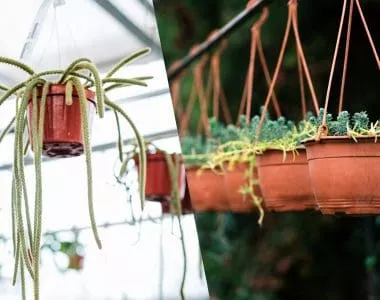
This is a question asked by many plant parents, “How do you treat stressed plants when receiving them via shipping?” You can do a few things when a plant arrives to help it recover from shipping stress, just like when you transplant a new plant at home.
We will look at some points that apply to various types of plants to help your plant look healthy again after shipping.
How to Help a Plant Recover From Shipping
Your plants arrived, or perhaps you had to transport your plant babies to a new home. You are excited about your new plants as a new plant parent. The problem is you can receive your plants as potted plants or most imported plants as bare roots as you notice the exposed roots.
If you are lucky, your plant can be in good condition while the leaves are sometimes dry or root rot. But what now? What do you do after receiving your plants?
You care for them to try and save them to survive. So, no more wondering, as we will not provide you with a miracle cure but will tell you what you should and should not do.
Depending on the variety you have received, there are many dos and don’ts when you first unbox your plants.

Plant Packaging
But before we help your plant recover, let’s first look at how most imported plants are shipped. If you have not received a potted plant but a bare-root one, it is typically packed in plastic bags with tissue paper and sphagnum moss.
It will also have paper covering the leaves. So, you need to open the roots from the media gently and will need to cut the plastic away while careful not to cut the roots.
Do’s and Dont’s When Receiving Plants by Mail

Now that you know how a plant arrives, we will look closer at how you can save your stressed baby.
Before we get to what you should not do, you can do some things when you receive your houseplants. It is a fact that online houseplant ordering is becoming the norm. So, for this reason, you find some cultivars are more sensitive than others.
But when you follow all my tips here, it can help your plants recover.
Unpack Plants Immediately
When ordering houseplants online, you must be careful in the cooler months. Take note of where the nursery is, and be very aware of the weather when shipping. Sometimes, ordering your plants in colder months is not a good idea.
Luckily, Plantly has many reputable nursery providers that will not ship out cold-sensitive plants during the cooler months, and they will even include heat packs if needed.
Here are some simple steps to follow:
Keep track of your package if you are not home for a while. Please do this, especially during very cold or hot times.
Whether you have your houseplant delivered at home or need to pick it up, ensure that someone can receive your package. Doing this will help prevent the shock or death of your plants.
Then, carefully unpack your plant and remove all the plastic, shredded paper, tape, and other materials.

For Bare Root Plants:
After removing all the packaging, you need to remove the sphagnum moss to get the roots exposed. If you are lucky, you will have healthy roots intact. Still, you may find some victim roots that need trimming.
But before trimming the rotten roots, clean your scissors with some rubbing alcohol. Cut it away if you notice brown to flat, mushy roots with a foul smell.
Next, as instructed, fill a kitchen sink with warm water and a plant growth stimulant, such as SUPERthrive. Place your plants in the sink to soak them for an hour to rehydrate them.
Alternatively, you can place them in a glass filled with water and the plant growth stimulant. You can leave your plant in it for a day to help freshen them up. Then you can prepare a recommended planting media in a pot to transplant them into their new home.
For Potted Plants:
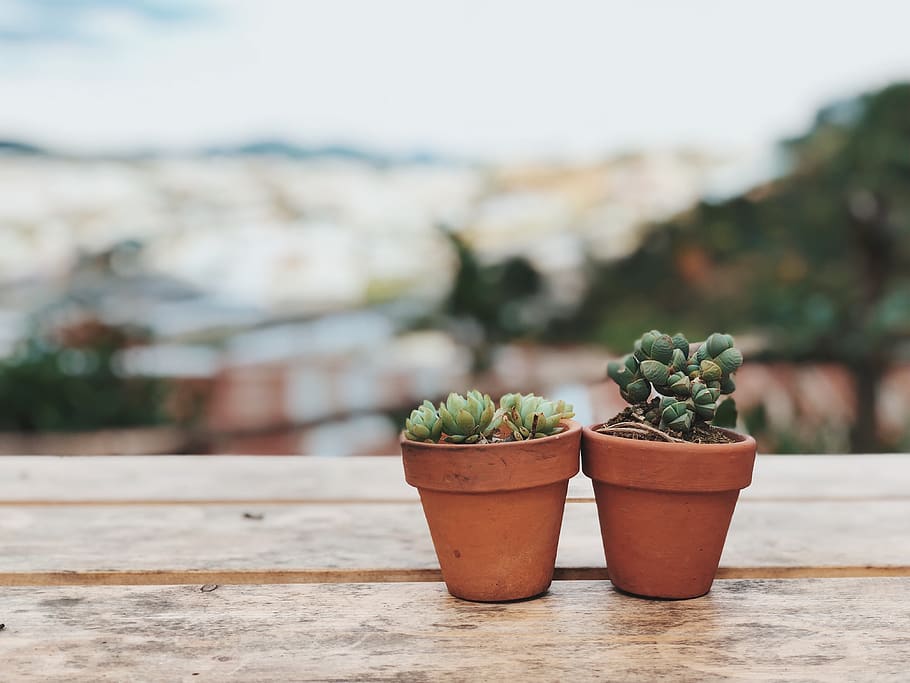
For a houseplant received in a container after removal, do the finger test to check the soil to see if it needs watering.
If the soil surface is dry, give it deep watering, allowing the excess water to drain and remove. If moist, then do not water.
Check for new growth on the plant and remove any dead or broken leaves. Also, remove the dry and dead leaves.
Next, you need to increase the humidity and always keep your plant in quarantine away from other houseplants to check for pests and diseases that might spread. Increasing humidity helps your new babies transition to their new environment more manageable. The step applies if your houseplant needs to thrive in high humidity.
Cover the container using it if you received a plastic tent or a humidity dome. Use some bamboo sticks in the pot to help support the bag when using a plastic one. Leave it covered for a week before removing it.
Also, keep your new houseplants out of full sun at this time to protect the foliage and help grow new growth. Check out our Best Temperature and Humidity For Indoor Plants article to increase the humidity. Preferably, gradually increase lighting, watering, and fertilizing needs.
Great, now that we have covered what you should do to make your new houseplant comfortable to grow new leaves and healthy roots from shipping. Let’s look at what you should not DO!
The Don’ts Receiving Shipping Plants
You should never do the following essential steps when receiving one plant or even more in the mail.
Never Repot Early

It is a huge mistake, and we see many people do this. Never rush to get your plants transplanted once you receive them. We recommend giving them a break and not being too active with them.
When shipping vegetation, it has been in a dark box for days, so tread lightly when you receive it.
We recommend waiting for about two weeks and do not jump ahead of this as you still need to keep them in quarantine to check for pests and diseases. When you transplant them, it adds more stress, worsening the situation.
Also, when the time comes to repot them, follow the correct repotting methods to help them recover faster. Still, if you received a bare-root plant, then by all means, pot them up. For a pot-bound plant, move a pot size up only one size.
Do Not Fertilize Now
Before fertilizing, as with transplanting, leave your plants to adjust to the environment first for two weeks. After two weeks, when repotting, you can add some organic fertilizer to the potting medium to give them a boost of new leaves to grow.
Avoid Direct Sunlight at First
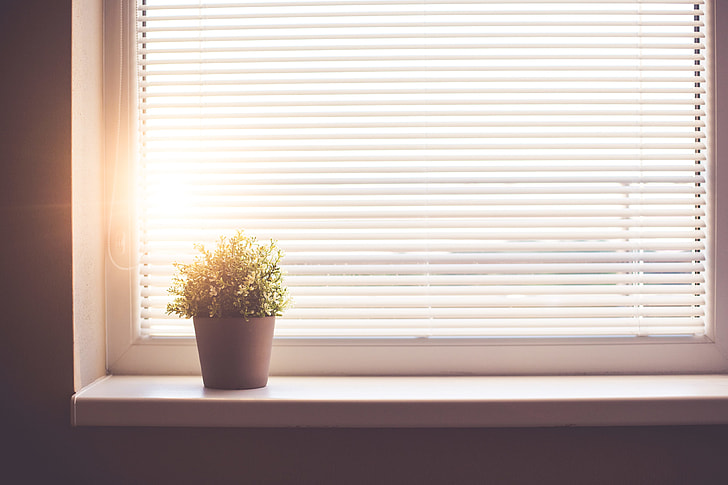
This is an essential tip: avoid direct sunlight whether you have a container or received a shipped bare root plant. Provide your new houseplants with bright indirect light in front of a window for at least two weeks.
It does not matter if they are sun-loving plants; they must still be hardened off. Allow them to gradually adjust to grow new leaves and get used to the bright light before placing them in full sun.
Remember that dark box you received them in; they need light gradually.
You do not want to expose those healthy, gorgeous green leaves to direct light that can burn them. Give your plants a base tan to get used to the sun.
Never Water Houseplants if the Soil is Moist
Do not water your plants if the soil’s surface is moist. Resist that temptation to water 💦. Instead, wait until you feel your plants are dry and allow excess water to drain from the pot.
Avoid Areas With a Draft or Too Much Heat
For a brand new plant, avoid placing them in an area with too much draft, like cooling vents or heating systems. Cultivars like Calathea or other species do not enjoy too much cold, while others cannot stand in too much heat.
Plant Quarintation
We cannot stipulate this one enough when receiving new plants in the home. Keep them away from your other plant babies for a while. A few weeks will do to monitor them for pests, as you do not want them spreading diseases or bugs to your other houseplants.
Keep your eye out for:
Aphids
Spider Mites
Mealybugs
Scale
Fungus Gnats
Thrips
If you find any of the above pests, treat them accordingly.
Things You Can Expect
You must be aware of two things when receiving plants in the mail.
Yellow Leaves
If you see yellow leaves, do not freak out, as you are not murdering your plant when you notice this in the beginning. As long as you follow the tips, you should be fine.
The reason for a leaf to turn yellow is that some plants shed a leaf or two while adjusting to a new environment.
No need to fret 😱 your plant will survive.
We have a few articles about the yellowing of leaves for you to check through.
Philodendron leaves turning yellow
Peace lily leaves turning yellow
At First, Expect Slow Growth
Some cultivars are finicky, while other plants are robust, but do not expect to see more leaves developing fast. You may find some plants develop faster than others.
The key is to provide them with a room with some high humidity out of drafts, remove dead or broken leaves to root rot, and leave them to rest out of the box to recover from their trauma.
Remember, the last thing you want is to stress out your plant more than you want. The critical thing to remember with imported plants or even transported ones is that there is always hope.
Whether you want to buy, sell, or simply reach out to other plant enthusiasts, Plantly is the right place to be!