If you’re a fan of Mexican cuisine, growing poblano peppers in your garden can be a great way to add a fresh, delicious, spicy kick to your favorite dishes.
Poblano peppers are mild chili peppers commonly used in Mexican cuisine and are known for their rich flavor and versatility in the kitchen. It goes well with tomatoes and potatoes but also has many health benefits.
Whether you’re a seasoned gardener or just starting, we will guide you with all the information you need to grow this edible garden plant at home successfully.
From planting to harvesting, we’ll cover everything you need to know to get started.
More About Poblano Peppers
Poblano peppers ( Capsicum annuum ) are a type of chili pepper that originated in the state of Puebla, Mexico. These herbaceous perennial are named after the city of Puebla and are one of the most popular peppers used in Mexican cuisine.
Poblano peppers are mild to medium in heat, with Scoville heat units of 1,000 to 2,000 units. They are dark green and have a wide, flat shape. When fully ripe, they turn a reddish-brown color.
The peppers grow on a bushy plant, reaching 3 feet tall. They are typically harvested when still green and have a firm texture.
In Mexican cuisine, poblano peppers are used in a variety of dishes, such as:
Chiles Rellenos (stuffed peppers)
Raja’s con crema (strips of roasted peppers with cream)
Mole poblano (a rich, spicy sauce made with chocolate and peppers)
They are also popular in Tex-Mex cuisine, often used in fajitas, tacos, and quesadillas.
Plant Name: Capsicum annuum
Other Name: Poblano Peppers and Ancho Chiles(when dried)
Plant Type: Annuals similar to bell peppers
Native Areas: Mexico, Central and North America
Light Requirement: Full Sun
Watering: Moderate
Fertilizer: Balanced Fertilizer
Toxicity: Toxic to animals
Temperature: 70°F and 85°F
Propagation: Poblano seeds
Growth: height of 2 to 3 feet
Soil Type: Loamy potting medium
USDA Hardiness Zones: Annuals in most zones and perennial in zone 9
Quick Guide to Growing Poblano Peppers
Poblano peppers are a flavorful addition to any garden, offering a mild heat perfect for various dishes. Here’s a brief guide to help you grow these delightful peppers at home to add to cream cheese or mole sauce:
Planting: Start seeds indoors 6-8 weeks before the last frost or purchase seedlings for transplanting.
Location: Choose a sunny spot with a well-draining potting mix, preferably with a pH of 6.0-7.0.
Watering: Water deeply once weekly, allowing it to dry slightly between waterings to prevent root rot.
Fertilization: Use a balanced fertilizer (10-10-10 NPK) monthly during the growing season.
Temperature: Ensure daytime temperatures are between 70°F and 85°F (21 °C and 29 °C) and protect from frost.
Harvesting: Poblano peppers are ready for harvest when they reach 4-6 inches long and turn dark green.
Pests and Diseases: Monitor for common insects like aphids and treat them promptly if detected. Watch for signs of fungal diseases and ensure good air circulation.

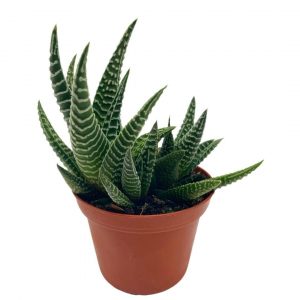

Bell Peppers Care Details
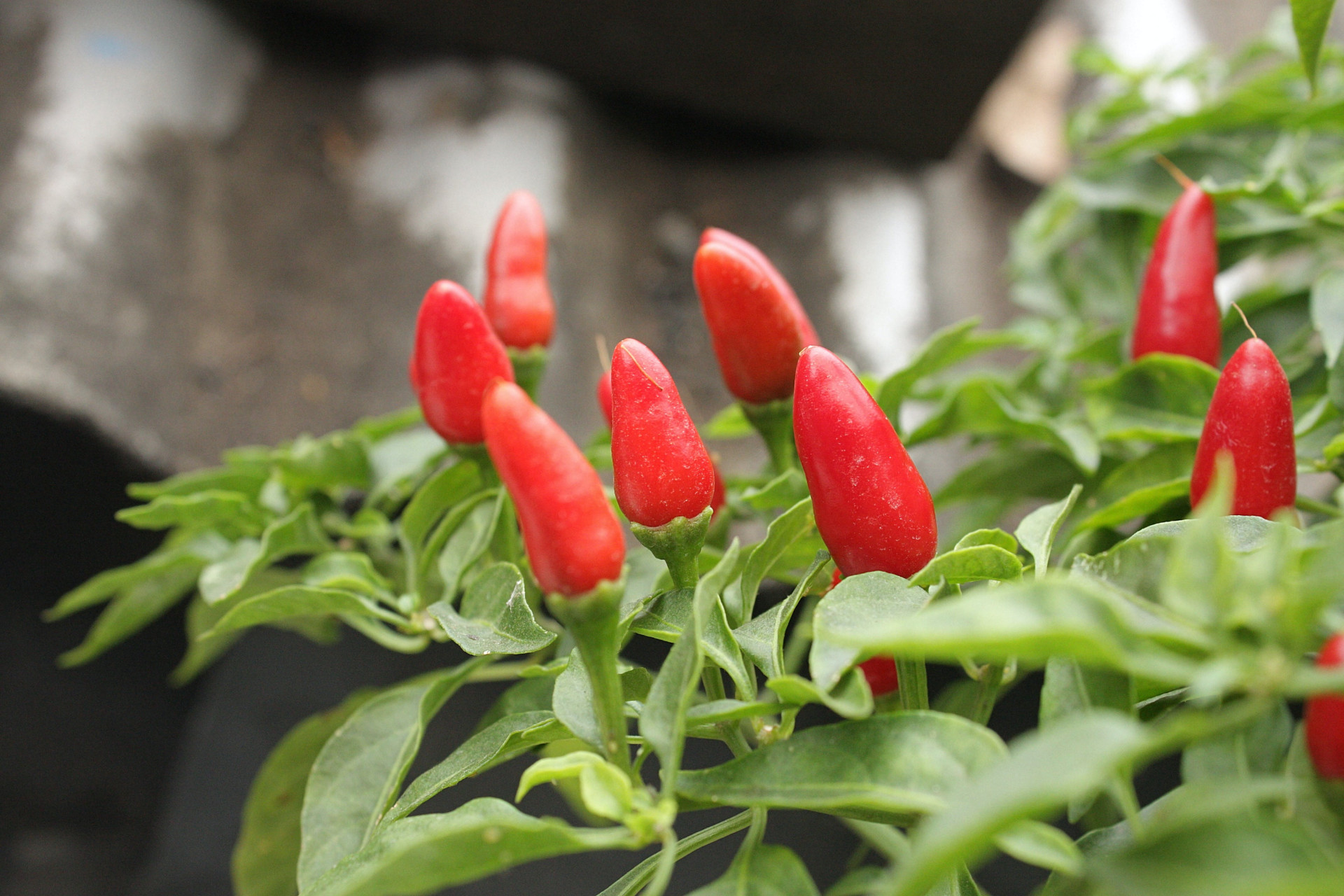
Poblano peppers, commonly called bell peppers, are prized for their mild heat compared to hot peppers, have a versatile flavor, and are a delightful addition to any garden. Proper care ensures a bountiful harvest and robust plants. Here’s a guide to help you care for poblano peppers with ease:
Soil and Water For Ancho Peppers
Proper soil and water management is crucial for the successful growth and abundant harvest of Poblano to jalapeño peppers.
Requirements for Poblano Pepper Plant:
Poblano peppers thrive in well-draining soil. A loamy texture, a balanced mix of sand, silt, and clay, is ideal.
Maintaining a pH level between 6.0 and 7.0 as acidity or alkalinity can affect plant nutrient availability.
Before planting, incorporating organic matter, such as compost or well-rotted manure, can improve soil structure, fertility, and water retention capacity. Aim to mix in a 2- to 3-inch layer of organic matter into the top 6-8 inches of soil.
Before planting pepper seeds, cultivate and loosen them and remove any weeds or debris. This prepares a favorable environment for the pepper plants to establish robust root systems.
Watering Practices For Ancho Peppers:
The Poblano pepper plant prefers consistent moisture but is susceptible to overwatering. Water deeply once a week, allowing the top inch to dry out between watering sessions.
Use a soaker hose or drip irrigation system to deliver water directly to the base of the plants.
Watering in the morning allows the plants to absorb moisture before the day’s heat, reducing water loss through evaporation and minimizing the risk of fungal diseases.
Applying a 2- to 3-inch layer of organic mulch, such as straw or wood chips, around the base of the plants can help conserve moisture, regulate soil temperature, and suppress weed growth.
Regularly monitor moisture levels by checking the soil’s feel. A finger test or using a moisture meter can help determine when it’s time to water. Adjust the watering frequency based on environmental conditions, such as temperature and rainfall.
Sunlight Needs for Growing Peppers

Like most pepper varieties, Poblano peppers thrive in optimal conditions, essential for their growth, flowering, and fruiting.
As with hot peppers, the Poblano requires a minimum of 6 to 8 hours of direct sunlight daily. Full sun exposure promotes robust growth and enhances fruit production.
Aim for moderate to high light intensity, typical of full-sun conditions. While they prefer bright light, some afternoon shade in sweltering climates can be beneficial to prevent sunscald.
Poblano peppers respond best to the full spectrum of natural sunlight, encompassing visible and ultraviolet (UV) light.
If growing poblano pepper seeds indoors, use full-spectrum LED grow lights 12 to 18 inches above the plants. Provide 14 to 16 hours of light daily to mimic natural daylight and promote healthy growth.
Temperature and Humidity
Bell pepper’s temperature and humidity are critical environmental factors that profoundly influence pepper plants’ growth, development, and overall health.
Temperature Requirements:
Daytime Temperature: Poblanos thrive in daytime temperatures ranging between 70°F and 85°F (21°C to 29°C). Providing consistent warmth supports vigorous growth and fruit set.
Nighttime Temperature: Maintain nighttime temperatures above 60°F (15°C) to prevent cold stress, which can hinder growth and reduce fruit production.
Temperature Fluctuations: While Poblanos prefers stable temperatures, moderate fluctuations between day and night are generally tolerated. Yet, avoid extreme temperature swings, as they can stress the plants and affect fruit quality.
Seasonal Considerations: Plant poblano seeds after the danger of frost has passed in the spring and ensure they receive adequate warmth throughout the growing season for optimal growth and fruiting.
Humidity Requirements:
Ideal Humidity Levels: Poblanos prefers moderate humidity between 40% and 60%. High humidity can increase the risk of fungal diseases, while low humidity can lead to excessive transpiration and stress.
Managing Humidity: Ensure good air circulation around the plants to reduce humidity levels and minimize the risk of fungal infections even when growing in containers. Plant them with adequate spacing for proper air movement and reduce humidity around the foliage.
Indoor Cultivation: Properly maintaining humidity levels can be more challenging than growing poblano peppers indoors. Using a humidifier or regularly misting the plants can help increase humidity while ensuring adequate ventilation, which is crucial to prevent excessive moisture buildup.
Fertilizer For The Poblano Pepper
Fertilizing is crucial to caring for poblano pepper plants, providing essential nutrients that support vigorous growth, flowering, and fruit production.
Choosing the Right Fertilizer:
Balanced Fertilizer: Opt for a balanced fertilizer with an N-P-K ratio of 10-10-10. This balanced formulation provides a comprehensive blend of nutrients that can meet the needs of poblano pepper throughout its growth stage.
Slow-Release Fertilizer: Consider using a slow-release fertilizer that gradually releases nutrients over time, providing a steady and consistent nutrient supply to the plants.
Organic Options: Organic fertilizers, such as compost, well-rotted manure, or fish emulsion, can also be beneficial. These organic amendments enrich, improve its structure, and provide a slow-release source of nutrients.

Application Guidelines:
Timing: Begin fertilizing your poblano pepper when actively growing, typically a few weeks after transplanting or once they have established a robust root system.
Frequency: Apply fertilizer once a month during the growing season. Avoid over-fertilization, as excessive nutrients can lead to imbalances, salt buildup, and potential plant damage.
Propagating Pepper Plants
Propagating poblano pepper, whether hot or sweet, allows you to expand your pepper garden without purchasing new plants from a local nursery.
Whether you’re interested in saving seeds or propagating through cuttings, understanding the methods and best practices for propagating and planting pepper in a pot is essential.
Planting Seeds:

Seed Selection: Harvest seeds from mature, ripe peppers. Choose healthy, disease-free peppers for optimal seed viability.
Seed Extraction: Slice open the ripe poblano pepper and remove the seeds. Rinse the seeds thoroughly under running water to remove any pulp or residue. Place the seeds on a paper towel and allow them to air dry completely.
Seed Starting: Start seeds indoors 6-8 weeks before the last frost date in your region to germinate. Use a seed-starting mix. Plant the seeds ¼ inch deep and keep the soil moist but not waterlogged.
Transplanting: Once the young plants have developed several sets of true leaves and the danger of frost has passed, transplant them into larger pots or directly into the garden in warm soil. Space the plants 18-24 inches apart for adequate growth and air circulation.

Grow Peppers From Cuttings:
Cutting Selection: Select a healthy, disease-free poblano pepper plant with vigorous growth. Take 4-6 inch cuttings from the tips of the branches and not the main stem, ensuring each cutting has at least two sets of leaves.
Preparing the Cuttings: Remove the lower set of leaves from each cutting. Dip the cut end in rooting hormone to promote root development (optional but recommended). Plant the cuttings in a well-draining rooting medium, such as perlite or vermiculite.
Rooting Process: Place the newly planted cuttings in a warm, humid environment with indirect sun or on a heat mat. Keep the soil moist but not waterlogged. Roots should start to develop within 2-3 weeks.
Transplanting: Once the cuttings have developed a healthy root system, transplant them into individual pots or directly into the garden.

Pruning Poblano Pepper Plants
Pruning is beneficial to help promote bushier growth and produce those hot peppers when growing Poblano peppers.
Focus on removing dead or diseased branches, as well as any suckers that emerge from the base of the plant.
Additionally, selectively prune to encourage a more open structure, allowing sunlight to reach more parts of the plant.
Maintaining a balanced and well-pruned poblano pepper plant can optimize its overall health and maximize the yield of flavorful peppers.
Potting Poblano in Container
Choose a pot at least 12-18 inches in diameter with drainage holes. Use a well-drained potting mix rich in organic matter. Plant the poblano pepper seedling at the same depth as the original one.
Select a sunny window, ensuring the poblano peppers receive 6-8 hours of sunlight daily. Provide adequate moisture by watering when the top inch feels dry, allowing excess water to drain freely.
Apply a balanced, slow-release fertilizer or liquid fertilizer diluted to half-strength once a month during the growing season.
Harvesting and Storing Poblano Peppers

Poblano pepper adds flavor to many dishes with the low Scoville scale. Hence, it helps to harvest your plants at the right time to enjoy fresh or dried peppers.
Harvesting Poblano Peppers:
Poblano peppers can be harvested at various stages of maturity, depending on your culinary preferences. Harvest when the peppers are green, typically around 3-5 inches long, for a mild flavor.
Allow the peppers to mature on the plant until they turn red or dark brown for a sweeter, richer flavor. Use sharp, clean garden shears or scissors to cut the peppers from the plant, leaving a short stem attached.
Alternatively, gently twist the peppers from the stem if they come off easily. Harvest poblano peppers regularly once they reach the desired size and color. This encourages continuous fruit production.
Storing Poblano Peppers:
Use freshly harvested peppers within a week for the best flavor and quality. You can store unwashed peppers in the refrigerator in a perforated plastic bag to maintain humidity and freshness.
Alternatively, you can freeze them by doing the following:
Wash, dry, and remove the seeds and membranes from the peppers.
Slice or dice the peppers as desired.
Spread the pepper pieces in a single layer on a baking sheet and freeze until firm.
Transfer the frozen peppers to airtight containers or freezer bags and store them in the freezer for up to 6 months.
Another great way to preserve your peppers is by drying them as follows:
Wash and dry the peppers thoroughly.
String the peppers together using a needle and thread, leaving space between each pepper.
Hang the pepper strings in a warm, well-ventilated area until the peppers are dehydrated and leathery.
Store dried peppers in an airtight container in a cool, dark place for long-term storage.
Lastly, pickle them in vinegar or brine solutions to last longer.
Poblano Common Pests, Diseases and Troubleshooting

Whether you have potted pepper plants or grown them in the ground, they can become bothered with pests and diseases.
Common Bugs:
Aphids: Small, sap-sucking insects found on the undersides of leaves.
Whiteflies: Tiny, moth-like insects that feed on the sap and excrete sticky honeydew.
Spider Mites: Minuscule bugs that cause stippling on leaves and webbing on plants.
Common Diseases:
Powdery Mildew: Fungal disease characterized by white, powdery growth on leaves.
Bacterial Leaf Spot: Causes dark, water-soaked lesions on leaves, often leading to leaf drop.
Fusarium Wilt: Soil-borne fungus causing wilting and yellowing of leaves.
Troubleshooting Tips:
Pest Control: Use insecticidal soap or neem oil for organic pest control.
Fungal Diseases: Improve air circulation and avoid overhead watering to reduce humidity.
Potting Medium Health: Ensure well-drained soil and avoid overwatering to prevent root rot and fungal issues.
Whether you want to buy, sell, or reach out to other plant enthusiasts, Plantly is the right place to be!