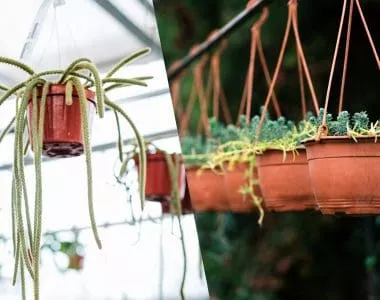
We all know what pain-in-the-butt houseplant pests are. While they seem to show up in winter, you find the majority of pest infestations taking place in summer 🤨.
But with some protection during the dormant months, you can prevent a pest infestation in the warmer months.
So, how do you prevent common houseplant pests? Well, you need to keep your houseplants healthy. Luckily we are here to help with controlling houseplant pests.
Here you will learn the importance of choosing healthy houseplants and how to keep your plant thriving to build a robust root system and foliage.
Not only will you learn how to care for your plants, but you will also learn to identify the most common houseplant pests and how to get rid of them.
Healthy Plants Have Fewer Pest Problems

When you prevent or try to minimize pest issues on indoor plants, it can help you manage houseplant pests. Thus choosing the right plant and providing good care can help. The important thing is to learn basic care and your new plants’ growing needs, as seen here.
As an Indoor Gardener, Grow Plants in The Best Possible Conditions
Here the best is to select plants with the exact growing needs that match your indoor environment from light and temperature to humidity.
When a plant grows in too little light, it struggles to fight off severe infestations.
At the same time, overly wet or dry soil or too hot or cold air temperatures are the same as too much water, causing the roots to rot and can invite gnats that turn into tiny flies, becoming a problem.
Water Houseplants Properly

It is essential to know how much water your plant roots need and always water at the base of the plant and not over the leaves.
Ensure that the excess water drains from the pot to avoid them standing in water, leading to root rot, and it will encourage fungus gnats to other houseplant bugs.
The Importance of Understanding a Plant’s Nutritional Needs
Always remove the dead foliage and flower buds around your plants, whether you have indoor or outdoor plants. When fertilizing young plants, apply the feed at half of that recommended strength. Always feed them when actively growing.
Sensitive plant roots are more prone to burn, inviting houseplant pests to move in.
Thoroughly Clean the Area of Plants

You should keep the surrounding area clean and the soil surface free from debris, stems, flowers, and dead leaves. Not doing this is a perfect breeding ground for certain pests to lay eggs and cause plant damage.
Wash plant leaves with a damp cloth to dust off the grime, which will help improve the plant’s health. We do not recommend using a leaf shine as it does more harm than good. Also, prune away dead stems and branches.
Freshen Up Garden Soil With a Sterile Potting Soil
Before potting indoor plants, ensure that you do not use dirty pots. We recommend you first clean them before use.
You may find that houseplant pests still have eggs that can breed in the container 😉. Do not use garden soil; use fresh soil from garden centers.
Also, avoid using soil from an open bag outside and save it for outdoor vegetation. Lastly, before planting your plants wash the soil off from the roots.
Detecting Common Houseplant Pests, Early Help Manage Pests

To keep common houseplant pests at bay, it helps to detect them before they do become a problem. You can do this by:
Examine all your plant’s foliage thoroughly and inspect the container before you bring them indoors for winter.
Sometimes you may need a magnifying 🔎 glass as some tiny bugs are challenging to see.
First, place your plant in quarantine away from other plants to ensure it is not an infested plant that can affect other houseplants.
Inspect the underside and top of leaves for a sticky substance that looks webbing or for tiny bugs to eggs and holes.
Check to see if the leaves look discolored or if you notice a sooty mold around the crown, as these all indicate pest infestations.
If you notice a sticky, shiny substance, it can be from mealy bugs, aphids, spider mites, or other scale insects. You do not want houseplant pests to invade your plant collection.
Always check container edges, rims, and the bottom to inside crevices for any pests to remove them.
When watering, fertilizing, or cleaning plants, check for pests like fungus gnats and springtails that will show up when watering. Blue or yellow sticky traps can detect whiteflies, winged aphids, thrips, and fungus gnats.
Controlling Houseplant Pests

The good news is that you can use non-chemical control for many pests when minor infestations are detected. If you scrape soft-scale insects from the stem, please do it carefully to avoid damaging the foliage.
Non-Chemical Methods
Here are some non-chemical control methods you can use, but they will not help for severely infested houseplants:
Washing Sensitive Plants
Use a damp paper towel to wipe the leaves and change the towel often to help prevent spreading.
You can place small plants in the sink to spray with water.
For large and sturdy plants, take them outside to spray with a garden hose or place them in the shower.

Remove Pests Physically on Infested Plants
Some larger plant insects you can remove by hand 🖐 like millipedes, slugs, and earwigs.
You can remove other bugs, like soft-scale adults, by scraping them off with your fingernail or a knife.
You can control mealybugs using tweezers or a cotton swab dipped in rubbing alcohol to remove them.
Others you can remove with a water spray, and for soil-borne pests like flying insects, you will need to repot your houseplants in fresh potting soil, for example, to control whiteflies.
Repot with new potting soil to eliminate soil-borne pests. Use clean pots and wash the dirt off the roots.
Prune Away Pest Foliage
Most houseplant pests will eat your plants clean as they suck plant sap out of the foliage. The same happens with the larvae.
The larvae feed on the roots and other parts of the plants. Thus, if houseplant bugs are isolated on only a few leaves, branches, or stems, you can prune them off.
For widespread infestations, you must prune away severely infested foliage to make managing pests on the rest of the plant easier.
If the infested plant is severely infected and depending on your plant, you can cut it back to eliminate the bugs and keep an eye on new growth for any signs of bugs.
Throw Away or Compost Plant
You can do this when houseplants are heavily infested or badly damaged. But avoid exposing your other plants to the same bug problem. Another great way to control aphids to other bugs like fruit flies is to bring in natural predators.
But this works best for outdoor plants.
Using Pesticides

You can use pesticides if you still have a problem.
Ensure It Contains The Following Active Ingredients
Pyrethrins, and you must spray it directly on insects to kill them. It will deal with scales, thrips, whiteflies, mealybugs, and thrips. You will also need to repeat applications.
Potassium fatty acids in insecticidal soap must not be mixed with homemade soap as they can burn plants. You must spray it directly on bugs and kill them by smothering insects. It deals with houseplant bugs like whiteflies, thrips, aphids, and spider mites with your indoor plants.
Plant oil extracts like sesame, canola, etc. only kill when it covers the insects. It kills thrips, whiteflies, spider mites, thrips, and scales.
Neem oil or other horticultural oil will disrupt insect growth and last for days when used on plants. Neem oil is practical to use on aphids, thrips, and whiteflies.
You apply Bacillus thuringiensis, subspecies israelensis, strain AM 65-52 to the soil surface, and attack fungus gnats larvae. But it is not effective against adult gnats.
The plant takes up Imidacloprid and can last for months but is toxic to bees.
Take Precautions Using Insecticidal Soap and Other Pesticides
Always ensure that the plant you treat is on the product label, and if it needs to be diluted with water, only mix what you will need for the day to use.
When using pesticides, enclose your plant using a plastic bag to seal it shut and cut a small hole in the side to insert the spray nozzle.
Using duct tape, you can move the nozzle around to spray your plant under the leaves and remove the spray nozzle to cover the hole fast.
Keep your plant in dappled light until dry. Before using pesticides, ensure you water your houseplants at least two days before the time.
The above are some ways to prevent pests on your houseplants and how to treat infestations.
But ensure to check out our article on Plant Pest And Pathogens: Causes And Treatments for more detailed information.
Whether you want to buy, sell, or simply reach out to other plant enthusiasts, Plantly is the right place to be!