For a low-branching flowering tree, the Royal Star Magnolia comes to mind. The plant is often grown as a rounded shrub. It is noteworthy for its compact size making for an excellent choice as a hedge or screen.
The star-shaped white flowers blooms in full sun ☀️in late winter to early spring. But how does one care for the Royal Star? Let’s find out!
Plant Name: Magnolia stellata Royal Star
Other Name: Royal Star Magnolias
Plant Type: Tree or shrub
Native Areas: Asia
Light Requirement: Full Sun
Watering: Average
Fertilizer: Organic Fertilizer
Toxicity: Non-toxic
Temperature: Moderate to Warm
Propagation: Stem cuttings or seeds
Growth: 10 feet tall and 12 feet wide
Soil Type: Acidic Soil
USDA Hardiness Zones: 4-8
More About Magnolia Stellata Royal Star
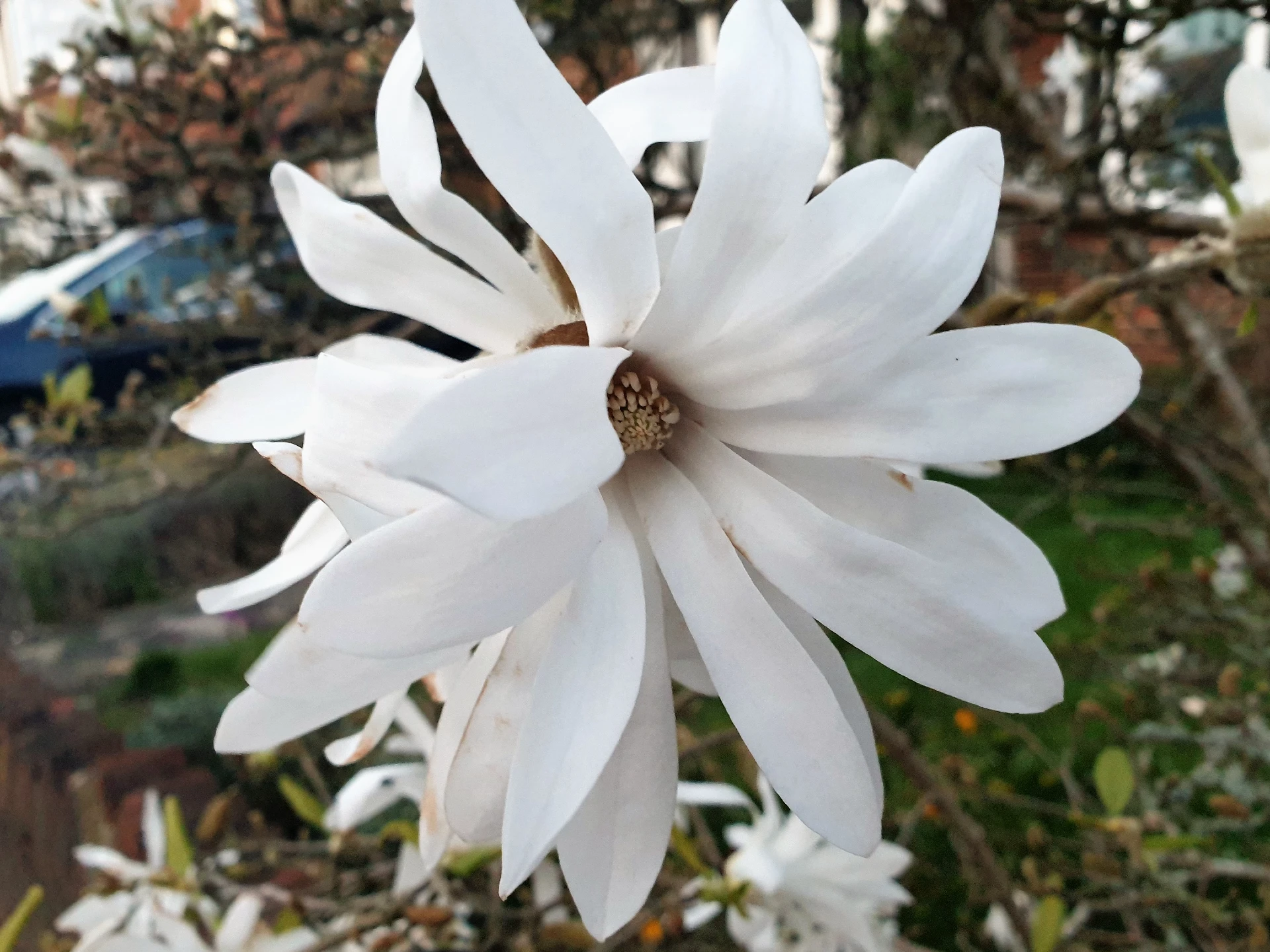
The Royal Star Magnolia tree belongs to the Magnolia stellata genus and is a cultivar of the familiar star magnolia found in the genus.
It is a deciduous tree that grows up to 10 feet tall and 12 feet wide with a spreading habit and rounded crown.
Many gardeners grow the Royal Star Magnolia tree as a rounded shrub with a compact size with white flowers in late winter and early spring. The blooms are narrow with strap-like tepals.
The Magnolia stellata is interchangeable with Magnolia kobus var. stellata and honors the French Botanist Pierre Magnol and is a popular cultivar with larger and showier flowers than most other species.
The Royal Star Magnolia shrub has fragrant white flowers attracting pollinators to the landscape. It also looks beautiful in a cottage garden and received merit from the Royal Horticultural Society.
You can also grow Magnolia Royal Star as a foundation planting, small tree, or large shrub, and it brightens up a spring garden early.
Star Magnolia Similar Varieties
When you invest in the star magnolia, you can find them in showy varieties with different colors to grow as specimen trees, multi-stemmed shrubs, or containers. Here are some popular varieties you can grow:
The Centennial features white flowers with a tinge of pink on the edges and can reach up to 25 feet tall.
Rosea has pink blooms fading to white as it matures but is not fragrant.
The Pink Stardust has fragrant blooms with a pyramid tree shape reaching 12 feet tall.
Jane blooms tulip-shaped flowers with pink petals while the edges to the inside are white.
Caring For Royal Star Magnolia Tree
The Magnolia stellata Royal Star can be planted in growing zones 4-8 but needs well-drained soil that is acidic and stands in full sun to partial shade. The Royal Star Magnolia blooms earlier than others depending on the climate and looks beautiful after a long hard winter.
So if you want an early spring garden, the Royal Star Magnolia will be an ideal addition to your landscape applications.
When to Plant Royal Star Magnolia Shrub
The best time for planting a young Star Magnolia Royal Star is in spring, and you must keep the soil moist. Also, add some organic matter or use a pre-mixed fertilizer to help your plants become established. Another essential thing is to provide your star magnolia with enough space to grow.
Lighting Needs For Magnolia Stellata Royal Star
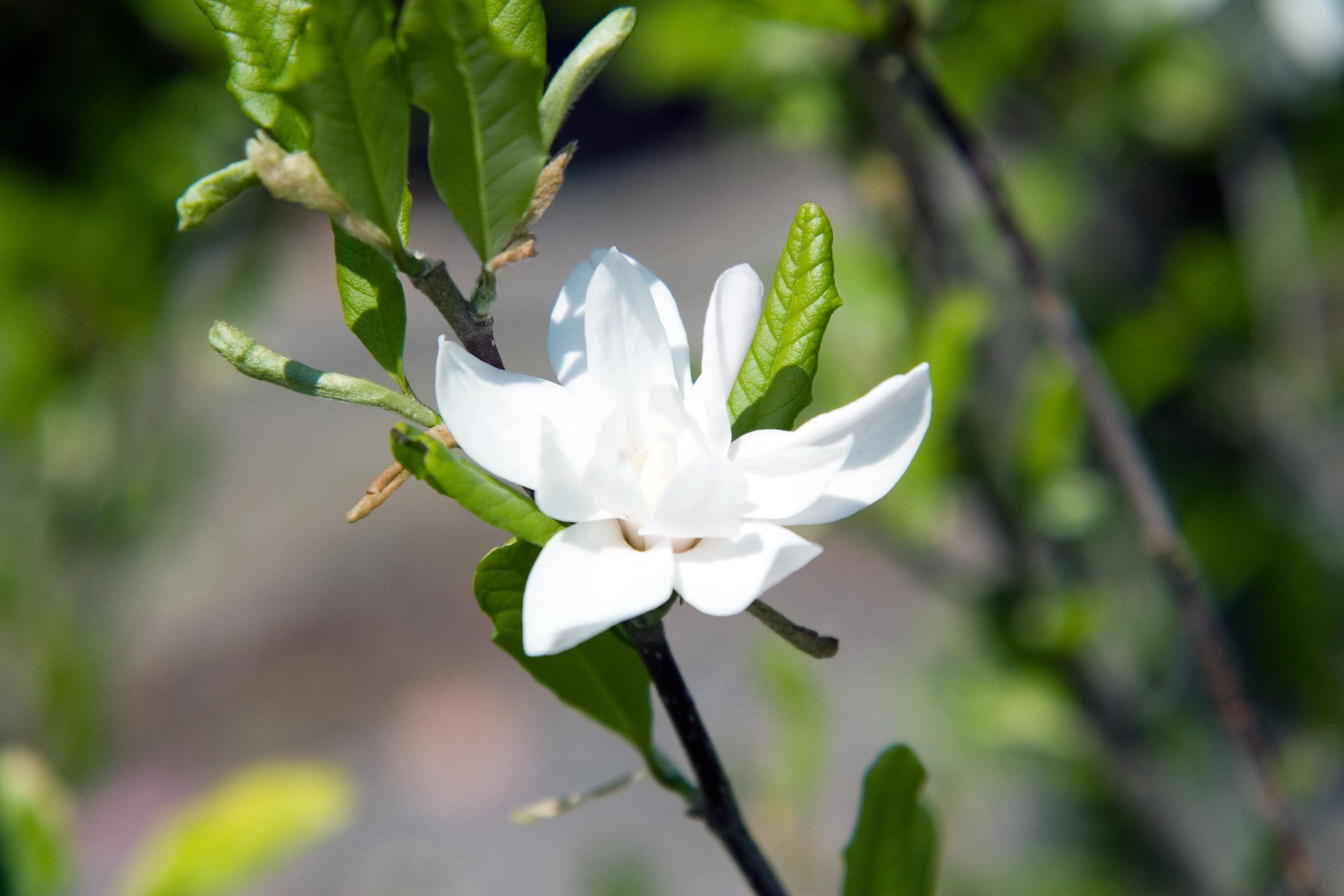
While the Royal Star Magnolia tree can cope in cooler climates, it still prefers a sunny spot in your garden. The same applies when grown in a container. In hot climates, shade your specimen tree in the afternoon. The more sun your plant receives, the better it will bloom. 💐
Recommended Soil For Royal Star Planted in the Ground or Containers

The shrub can grow in loamy, clay, or chalk soil. But it is an acidic-loving plant. Hence, you can add some peat to the soil to boost the acidity levels. If the area remains wet in winter, this plant can cope when it becomes compact.
Watering Royal Star Magnolia Trees
Once planted, it would be best to water deeply, allowing the water to seep in and help the roots establish.
For young shrubs during droughts, ensure to water them well. Once your Royal Star becomes established, you can water less.
You can water them in the morning and evening during warmer days.
Temperature and Humidity

The Royal Star Magnolia tree is hardy in the hardiness zones down to 4 or -30°F. Still, heavy snow can damage your plants; the same applies to ice ❄️. The cold can damage the blossom, and the humidity needs are between 30% to 50%. To protect the roots, you can add a layer of mulch to retain moisture and keep the root zone warm.
Fertilizing Star Magnolia Royal Star
In spring, you can apply an organic slow-release fertilizer around the base of the plant. In early spring, your plant starts to develop new foliage. Hence, the added nitrogen will help give your plant the boost it needs.
Then if you have had heavy rain during the growing season, you can apply a lighter feed to add nutrients to the ground. Use a feed with potassium, like potash, in early fall.
Pruning Royal Star Magnolia Trees
As with other Magnolias, your Magnolia stellata Royal Star blooms on the old wood from last year’s growth. Hence, you can do pruning after it blossoms to avoid losing any flowers. The Magnolia requires little pruning.
If you want to grow a tree and not a multi-stemmed shrub, you can remove the suckers to train your specimen tree to take on the form. You can prune away the lower growth once it emerges to let the crown become dense.
And if you notice strange lumps on the plant, it is the pods where the seeds are contained.
Propagating Magnolia Stellata Royal Star
The best way to propagate Magnolias is through stem cuttings taken in late spring or early winter. These will provide you with semi-hardwood cuttings. You can also grow them from seed.
Stem Cuttings
Prepare container sizes suitable for a few cuttings with drainage holes.
Add a perlite mix to a container and moisten them.
Cut up to 8 inches of an active growth branch, making a diagonal cut, then make a vertical slit at the cut end.
Dip the cut end into a rooting hormone optional.
Add some organic compost to plant the cut end 2 inches deep into your potting mix.
Place a clear plastic bag over the pot to form a dome to trap moisture inside.
Place the cutting in indirect light and moisten the topsoil while the roots form.
Once you notice new foliage, you can remove the bag and care for it until a year to plant in the landscape in spring.
Sowing Seeds
When you have Magnolia stellata Royal Star seeds, they must go through a stratification known as the cooling period. Place the seeds in a sealed container with damp sand and keep them in the refrigerator for three months.
Once you remove the seeds, it will trigger germination. Then plant them 1/4 inch deep in a container or the ground in spring. Add a layer of mulch over it to keep the plants moist in containers and place it in a warm spot.
For germinating the seed in pots, you can transplant the seedlings after they are a year old and place them into a planting hole three times the width of the root ball and the same depth as the container.
Keep the root ball level with the soil line when you place it in the hole. Backfill the hole and water deeply, allowing the root ball to absorb the moisture. Backfill with more soil as needed and water again.
End the planting with a layer of mulch to help keep the roots moist and dress it with compost in winter.
Magnolia Stellata Royal Star Common Pest and Diseases
The biggest concern with the Royal Star Magnolia tree is fungal infections like verticillium wilt, powdery mildew, botrytis, and leaf spot. So, it would be best to take extra care as the spores can spread between the infected plants.
To prevent fungal growth, provide your Royal Star Magnolia trees with enough air circulation and sunlight, and ensure the soil drains well. We recommend removing the infected leaves and thinning out the branches.
If the fungus persists, use a fungicide following the instruction label. Common pests are scale insects that suck out the sap from the foliage harming your tree. These bugs leave a residue resembling a black sooty mess on the leaves.
To treat your Royal Star Magnolia tree for scale insects, you must catch them early when they are crawling. You can use neem oil or an insecticidal soap applied in August.
If the previous methods are unsuccessful, you must use other chemical alternatives again two weeks later.
Whether you want to buy, sell, or simply reach out to other plant enthusiasts, Plantly is the right place to be!