Tomatoes are a staple in gardens worldwide, but the San Marzano variety stands out for its great flavor and versatility in culinary applications.
San Marzano sauce tomatoes have become the go-to choice
for sauces, pastes, and canning because of their elongated shape, meaty texture, and low seed count.
Here, we delve into the intricacies of growing and caring for this tomato plant, offering a guide for novice and experienced vegetable gardeners.
More About San Marzano Tomatoes
San Marzano is a prized variety renowned for its exceptional flavor and culinary versatility. Originating from the fertile volcanic soil of the Campania region in Italy it’s a family of plum tomatoes. These tomatoes have gained global recognition and are often considered the gold standard for sauces, pastes, and canning.
Tomatoes are typically cultivated as annual plants; however, in regions without frost, they exhibit perennial characteristics.
Origin and History
The story of San Marzano tomatoes traces back to the foothills of Mount Vesuvius in Southern Italy. The volcanic soil, combined with the Mediterranean climate of the Campania region, provides an ideal environment for growing these tomatoes.
Appearance and Characteristics
These tomato plants are distinctively cylindrical with pointed ends, often reaching 3 to 4 inches. Their skin is smooth, and the flesh is thick with a meaty texture, making them ideal for processing into sauces and pastes.
One of the hallmark features of the San Marzano tomato plants is its vibrant red color, which deepens as they ripen with thin skins.
Additionally, these tomatoes have fewer seeds than other varieties, enhancing their culinary appeal. It also has a unique taste compared to different hybrid varieties.
Growing Characteristics
Growing San Marzano tomatoes are indeterminate, meaning they continue to grow and produce fruit throughout the growing season until the first frost.
The plants are vigorous climbers in the ground, often reaching heights of 6 to 8 feet or more when provided with adequate support. The prolific vines produce clusters of tomatoes that mature sequentially, offering full-yield fruits an extended harvesting period.
You can also grow them in pots like other tomatoes to enjoy oblong-shaped fruit in a bright red color.
Plant Name: Solanum lycopersicum
Other Name: San Marzano Tomatoes and Plum Tomato
Plant Type: Indeterminate
Native Areas: Southern Italy
Light Requirement: Full sun (6-8 hours daily)
Watering: Regular, consistent watering; avoid waterlogged soil
Fertilizer: Balanced water-soluble fertilizer
Toxicity: Non-toxic
Temperature: Optimal range between 70°F and 85°F
Propagation: Seeds or seedlings
Growth: Vigorous, vine-like growth
Soil Type: Well-draining, fertile soil
USDA Hardiness Zones: Zone 3-9

Quick Guide to Growing San Marzano Tomatoes
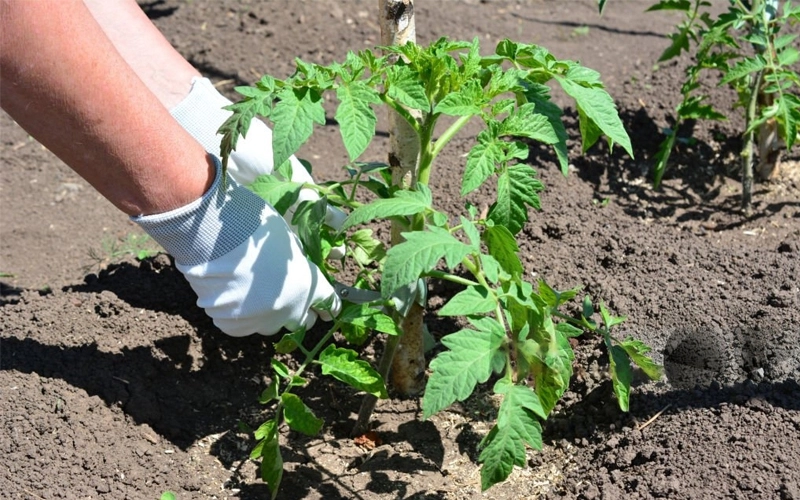
When you grow San Marzano tomatoes, it has specific growing needs as follows:
Plant in full sun: Ensure 6-8 hours of sunlight daily.
Well-draining soil: Opt for fertile, well-draining soil.
Consistent watering: Maintain soil moisture; avoid waterlogged conditions.
Support system: Use stakes or cages for support.
Regular fertilization: Apply balanced, organic fertilizer during the growing season.
San Marzano Tomato Care For Home Gardeners
Undertaking the journey to grow San Marzano ( Solanum lycopersicum ) promises a flavorful reward, as these tomatoes are renowned for their exceptional taste and culinary versatility. Yet, for many gardeners, achieving a bountiful harvest requires diligent care tailored to their needs.
Soil and Water Tomato Plants
For successful San Marzano plants, use well-draining, moist, fertile soil rich in organic matter and amend it with compost or aged manure before planting. Optimal growth requires a pH between 6.0 and 7.0.
Growing Tomatoes and Watering
Like other tomato varieties, proper watering is crucial for health and productivity. While these tomatoes require consistent moisture, avoiding waterlogged conditions, which can lead to root rot, is essential.
Water San Marzano tomatoes deeply once or twice a week, depending on weather conditions and soil moisture levels. Aim for approximately 1-1.5 inches of water per week, including rainfall.
Water in the early morning or late afternoon to minimize evaporation and ensure optimal plant absorption.
Direct the water at the base, avoiding overhead watering, which can increase the risk of fungal diseases.
How to Grow San Marzano Tomatoes and Light
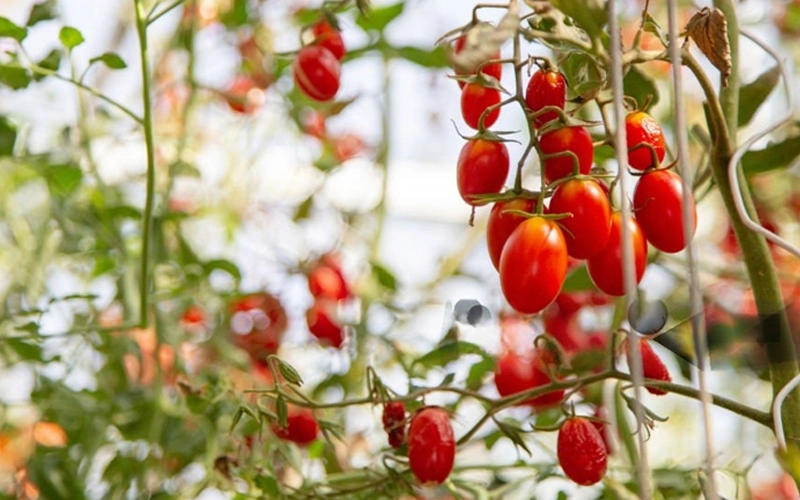
San Marzano tomatoes are sun-loving and thrive in full sunlight, requiring a minimum of 6-8 hours of direct sunlight daily for optimal growth and fruit production.
For healthy plants with robust photosynthesis, choose a planting location with ample sunlight throughout the day.
Additionally, monitor for any potential shading from nearby structures or vegetation as the growing season progresses, ensuring that San Marzano tomatoes continue to receive the light they need to flourish.
Temperature and Humidity
San Marzano tomatoes prefer temperatures between 70°F and 85°F. While they can tolerate slightly cooler or warmer conditions, extreme temperatures can adversely affect growth and fruit development. Maintain moderate humidity levels to prevent fungal diseases.
Fertilizer to Grow Tomatoes
Fertilizing tomato plants is crucial for healthy growth and maximizing fruit yield. It provides essential nutrients for sustained growth, robust foliage, and bountiful harvests.
Types of Fertilizers:
Opt for a balanced, organic fertilizer specifically formulated for tomatoes, with a moderate N-P-K ratio of 5-10-5 or 8-8-8. These ratios ensure a steady supply of nitrogen (N) for leafy growth, phosphorus (P) for root development and fruit production, and potassium (K) for overall plant health and disease resistance.
Application Timing:
Incorporate a slow-release fertilizer into the soil to provide a foundational nutrient base.
Once the plants are established and begin to develop fruit, apply a balanced liquid fertilizer every 3-4 weeks to support ongoing growth and development.
As the plants enter the peak fruiting stage, consider transitioning to a fertilizer with a higher phosphorus content to promote fruit set and enhance flavor.
Application Method:
Apply fertilizer evenly around the base of the San Marzano plants, ensuring it is well-distributed within the root zone. Avoid direct contact with the plant stems to prevent potential burning or damage.
Monitoring and Adjustments:
Regularly monitor the plants for signs of nutrient deficiencies, such as yellowing leaves or stunted growth.
Adjust your fertilization regimen based on plant health, growth stage, and soil test results to maintain optimal nutrient balance and support the thriving growth of San Marzano.
You can also use a tomato cage or trellis to keep the vines off the ground.
Potting and Growing Tips for San Marzano Tomato Plants

Container gardening is ideal for growing tomatoes in limited spaces. Proper potting is essential for nutrient, water, and space management to help produce flavorful fruits.
Selecting the Right Container:
Use a deep and wide container with drainage holes for San Marzano plants to prevent root rot.
Soil Preparation:
Use a high-quality potting mix for vegetables or tomatoes. Add gravel or small stones at the bottom for better drainage.
Process Planting Tomatoes:
When transplanting plum tomato seedlings into pots, handle them carefully to avoid damaging the delicate roots. Plant them at the same depth as in their original containers, ensuring the soil level aligns with the top of the root ball.
If planting multiple tomato plants in a single container, maintain a spacing of at least 18-24 inches between each plant to allow sufficient room for growth and airflow.
Propagating San Marzano Tomato
By propagating your San Marzano tomatoes, you can multiply them using seed sowing and cuttings with organic gardening.
Seed Propagation:
Choose premium tomato seeds from a trusted source or collect them from ripe, healthy fruits. Ensure the seeds are undamaged and free of defects to maximize successful germination.
Use a sterile, well-draining seed starting mix to create a conducive environment for germination. Fill seed trays or small containers with the mix, ensuring adequate depth for root development.
Sow the seeds approximately ¼ to ½ inch deep in the prepared containers. Lightly water the soil to ensure moisture penetration without causing waterlogging.
Place the seed trays or containers in a warm, well-lit location, maintaining consistent moisture levels. Seeds germinate within 7-14 days, depending on environmental conditions and seed quality.
Once the seedlings have developed their first set of true leaves, transplant them into individual or larger containers filled with nutrient-rich potting mix, ensuring proper spacing and support.
Cuttings Propagation:
Choose a healthy, mature plant with strong stems and vibrant foliage for taking cuttings. Use sharp shears or scissors to make a clean cut, selecting a stem segment approximately 4-6 inches long.
Remove the lower leaves from the stem, leaving only a few leaves at the top. Dip the cut end in a rooting hormone powder to encourage root development.
Insert the prepared cuttings into a pot filled with a mix of perlite, peat moss, or a similar rooting medium. Water the cuttings lightly and place them in a warm, humid environment with indirect light.
Monitor the cuttings regularly and maintain consistent moisture levels in the rooting medium. The root should develop within 2-4 weeks, signaling successful propagation.
Once the cuttings have established a robust root system, transplant them into individual pots or outdoor garden beds, providing appropriate care to support their continued growth and development.
Harvesting and Storing San Marzano Tomatoes

Harvesting the San Marzano tomato at the peak of ripeness ensures optimal taste, texture, and nutrient content.
Determining Ripeness:
San Marzano tomatoes should exhibit a deep red hue when fully ripe, with minimal green or yellow undertones. The skin should appear glossy and slightly soft to the touch.
Gently squeeze the tomato; it should yield slightly under pressure, indicating a ripe, juicy interior. Avoid overly firm tomatoes, as they may require additional time to mature fully.
Ripe San Marzano tomatoes emit a rich, sweet aroma, indicative of their taste. Trust your senses; if it smells ripe and looks vibrant, it’s likely ready for harvest.
Harvesting Techniques:
Carefully twist or snip the ripe tomatoes from the vine using clean, sharp pruners or scissors. Ensure that a small portion of the stem remains attached to the fruit, as this can prolong shelf life and prevent moisture loss.
Harvest San Marzano individually as they reach optimal ripeness rather than waiting for an entire cluster to mature. This allows you to enjoy a continuous harvest throughout the season.
Place the harvested tomatoes in a shallow container or basket, avoiding overcrowding to prevent bruising or damage to the fruits.
Storing San Marzano Tomatoes:
Store ripe tomatoes at room temperature, away from direct sunlight, to allow them to continue ripening and develop optimal taste. Use within 3-5 days for the best taste and texture.
If you need to prolong storage, place ripe tomatoes in the refrigerator, preferably in the crisper drawer, to maintain freshness for up to 1-2 weeks. Nonetheless, refrigeration can affect the texture and taste, so it’s best to use refrigerated tomatoes in cooked dishes rather than fresh applications.
For long-term storage, consider freezing tomatoes. Wash and dry the tomatoes, then core and remove the seeds. Chop or puree the tomatoes as desired, and store them in airtight containers or freezer bags, removing as much air as possible before sealing.
Frozen San Marzano can be used in sauces, soups, and stews, preserving their rich flavor for several months.
Utilizing Harvested Tomatoes:
Enjoy ripe San Marzano fresh in salads, sandwiches, or as a flavorful topping for bruschetta.
Utilize harvested tomatoes in myriad culinary creations, including sauces, salsas, soups, and pasta dishes, to elevate the taste and add a touch of culinary excellence to your meals.
Common Pests & Plant Diseases and Troubleshooting
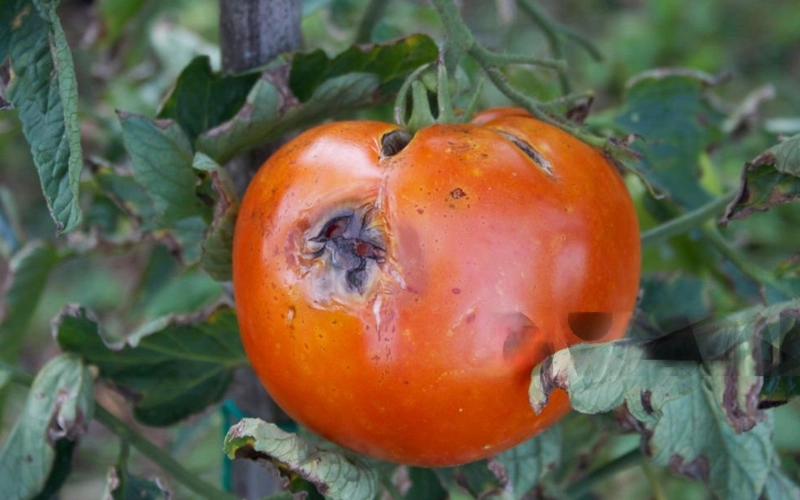
Growing San Marzano tomatoes in your vegetable garden is a rewarding experience due to their exceptional flavor and culinary adaptability. Yet, like other plants, San Marzano can be susceptible to various pests and diseases, potentially impacting their growth and overall yield.
Common Pests:
Aphids: These small, pear-shaped insects cluster on the undersides of leaves and suck sap, causing leaf yellowing and curling.
Whiteflies: Tiny, moth-like insects that feed on plant juices, leading to leaf wilting and yellowing.
Tomato Hornworms: Large, green caterpillars that devour foliage and can defoliate plants if not controlled.
Fruitworms: These pests tunnel into developing fruits, causing surface damage and making fruits susceptible to rot.
Spider Mites: Minuscule pests that thrive in hot, dry conditions and cause leaf stippling and webbing.
Common Diseases:
Early Blight: Fungal disease characterized by dark, concentric rings on lower leaves, leading to leaf yellowing and defoliation.
Septoria Leaf Spot: Fungal infection causing small, dark spots with a lighter center on leaves, eventually leading to leaf drop.
Blossom End Rot: A physiological disorder resulting in dark, sunken lesions on the bottom of fruits due to calcium deficiency or uneven moisture levels.
Root Knot Nematodes: Microscopic roundworms that infect roots, causing swelling and galling, leading to stunted growth and reduced yields.
Verticillium Wilt: It is a fungal disease that affects plants by invading their vascular system, causing wilting and decline.
Troubleshooting Strategies:
Regular Monitoring: Conduct frequent inspections of your San Marzano to detect early signs of pest activity or disease onset.
Cultural Practices: Implement good cultural practices, such as crop rotation, proper spacing, and adequate ventilation, to create a less hospitable environment for pests and diseases.
Natural Predators: Encourage beneficial insects like ladybugs and parasitic wasps by minimizing pesticide use and planting diverse insectary plants to attract natural predators.
Biological Controls: Utilize biological controls like Bacillus thuringiensis (Bt) for caterpillar control or beneficial nematodes for managing root-knot nematodes, following product recommendations for optimal results.
Sanitation: Remove and dispose of infected plant debris, prune affected foliage, and sanitize tools regularly to prevent the spread of diseases.
Organic Sprays: Apply organic fungicides or insecticidal soaps as a targeted intervention for persistent pest or disease issues, ensuring thorough coverage and adherence to recommended application intervals.
Soil Management: Maintain optimal soil moisture and nutrient levels, particularly calcium, through regular watering and appropriate fertilization to mitigate physiological disorders like blossom end rot.
Whether you want to buy, sell, or reach out to other plant enthusiasts, Plantly is the right place to be!