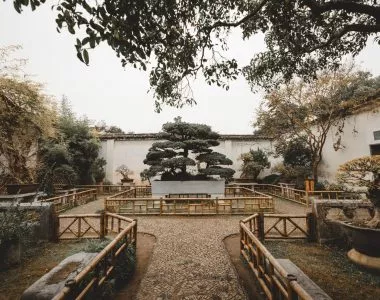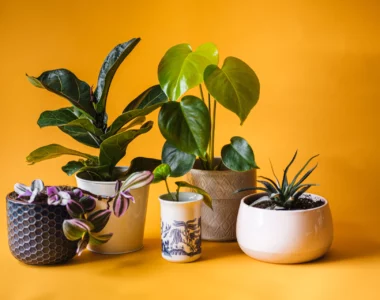
Plant thyme along a short garden wall, the edge of a walk, in containers, or your herb garden. One thing is sure: when you grow thyme, you have one versatile plant that adds color and flavor to the garden and food.
The herb adds a delicious 😋 taste to flavor butter and meat stews and fish dishes, is used in essential oils, and makes for excellent companion planting. Furthermore, the herb attracts beneficial insects to pollinators.
You get a fabulous aroma when grown as ground cover, and you walk over it. The woody stems stand out with purple flowers in spring and summer, making them attractive.
Plant Name: Thymus vulgaris
Other Name: Thyme, Common Thyme, Garden Thyme, English Thyme
Plant Type: Herbaceous perennial
Native Areas: Mediterranean
Light Requirement: Full sun
Watering: Moderate
Fertilizer: All-purpose balanced fertilizer
Toxicity: Non-toxic
Temperature: Warm
Propagation:
Growth: 6-12 inches tall and wide
Soil Type: Well-drained soil
USDA Hardiness Zones: 5-8
More About Thyme Plants

The slow-growing thyme performs well in dry, sunny locations. It is a beloved plant that holds its taste in blends and cooking with other flavors like olive oil, tomatoes, and garlic.
In spring and summer, depending on the thyme you grow in your herb garden, it can display pink, lavender, or white tubular flowers that attract beneficial insects like bees.
It has tiny gray-green leaves that will remain evergreen, and the majority of thyme varieties you can harvest in winter in the planting locations where it grows as a perennial.
You can plant thyme at any time as it will mature enough within a few months to harvest and return yearly in the USDA zones 5 to 8. In colder regions, you can add a layer of mulch during winter to protect the plants.
Thyme Varieties
If you want something different to grow in your herb garden than common thyme, we have a few varieties that might interest you.
Lemon Flavoured Varieties

Golden lemon thyme has a true lemon scent instead of a minty aroma. The lemon thyme has variegated leaves in gold.
Woolly Thyme

The soft thyme variety forms a flat spreading carpet cascading over rock gardens. It has no scent, so it is not used for culinary purposes but for ornamental landscape display.
Caraway Thyme

It is slow-growing and displays tiny pink blooms with a scent. Still, it does look like pale pink flowers.
Creeping Thyme
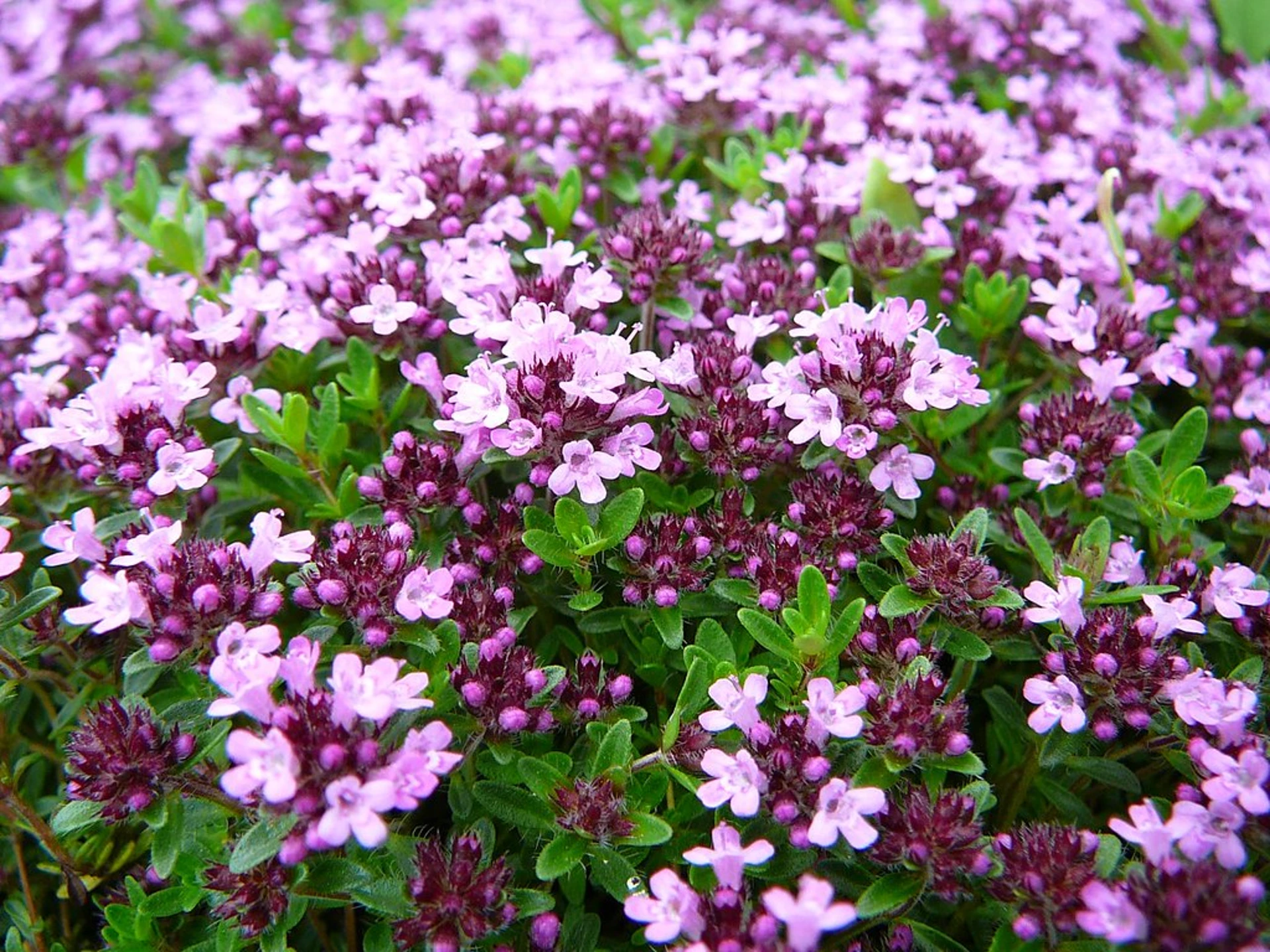
The plant is true to the name as the creeping thyme forms a two to three-inch tall low mat. The thyme can display magenta, lavender, white, or pink flowers.
Care For Thyme
Thyme thrives in different conditions and is an ideal herb for beginner gardeners. One of the main requirements is to provide them with full sun daily. Next, maintain a soil that is not overly rich or moist and water occasionally while feeding your plants in spring.
Light Requirements When You Plant Thyme

Thyme thrives best in full sun, receiving between six to eight hours of light daily. Young thyme plants can be exposed to the sun in the garden or a planter you can move around during the day. For growing thyme indoors, please keep it on a sunny windowsill or a room where it can bathe up all the rays during the day.
Recommended Soil

Thyme Thymus vulgaris thrives in the worst soil you can find. It is an easy-going herb that can grow in sandy to loamy soil to rocky gravel when growing thyme. When growing thyme in containers, we recommend a clay pot to wick away moisture, but no matter where you grow it, ensure it has soil that drains well.
It cannot tolerate wet feet.
Watering Thyme Flowers
Water plants occasionally, when established, depending on the outdoor climate. Thyme thrives in moist soil, but it helps to wait until the soil is arid before watering again. Thyme plants thrive in drought for a few days to some extent.
However, young plants will need more pampering and frequent watering as they are not drought-resistant.
Temperature and Humidity
Thyme does not have special requirements for humidity and temperature. It can thrive until the last spring frost and will then go dormant. Still, it flourishes during the growing season of spring to summer. In summer, you will notice the thyme flowers attracting insects. But it does need good air circulation to avoid fungal diseases.
Fertilizing English Thyme Plant
You can feed your thyme plant in spring using an all-purpose fertilizer you dilute to half-strength. Doing this helps prevent your plant from producing too much foliage.
Potting and Repotting Thyme
As with many culinary herbs, you can grow thyme in containers as it is modest in size. But we recommend opting for a larger pot as it has a sturdy, sprawling root system. Choose a pot made of clay or terracotta to wick away the excess water from the soil naturally. Also, ensure it has enough drainage holes and fill it with a quality potting mix amended with perlite or sand.
Ensure the root balls are placed at the soil line and water after planting and when the soil dries out.
How to Harvest Thyme
You can harvest established thyme plants at any time. The herb 🌿 retains its flavor even after it flowers. But the taste is much stronger before it blooms, and it will be the best time for cutting. You only snip off a few stems when you need the herb to make food.
But do not harvest thyme more than one-third of the plant at a time. You can quickly get two to three crops from one plant per season. You can store your fresh thyme in the refrigerator for up to two weeks, but remove the woody stem first.
Or you can dry the thyme by hanging it upside down in a warm place or oven to dehydrate slowly. You can use the crushed herb, which can last up to a year in proper storage.



How to Propagate Thyme
Growing thyme seeds is not easy and is commonly used; stem cuttings are preferred. You can take stem cuttings in late spring from the parent plant.
With pruning shears, clip a three-inch stem from not-too-woody sections. Ensure that it has a lot of new growth with the lower part of the stem more mature.
Leave up to three sets of leaves at the top and remove the rest.
Dip the cut end into a rooting hormone and plant thyme cutting into a container filled with potting soil mixed with perlite or sand.
Ensure the soil is moist but not soaked, and set the pot in bright indirect light while keeping it moist until new growth begins.
A root system should develop in about six weeks, and you can transplant the seedlings into a larger pot or garden.
Common Problems With Thyme
Thyme Thymus vulgaris is a durable herb, and you do not get many issues growing thyme, but you can face some problems, as with any plant.
Leaves Turning Brown
If you notice the leaves browning and becoming wilted while dropping, it can be from root rot. Thyme is very sensitive to too much moisture; overwatering can cause this. The best is to leave your plant to dry out a bit before watering them again. But if all else fails, you can replace plants with cuttings you propagate.
Leaves Turning Yellow
Yellowing leaves on a thyme plant can indicate root rot but can also be from too much nitrogen. Furthermore, your plant will look leggy and have a mild flavor. Hence, the soil can be too fertile, and it is best to test it or replant it into new soil.
Leaves That Are Drying Out
A thyme plant lives up to six years, and a big sign that your plant is reaching its age is dried and crispy foliage. Now will be the best time to take new cuttings to propagate and expand your herb collection again.
Whether you want to buy, sell, or simply reach out to other plant enthusiasts, Plantly is the right place to be!