The Better Boy tomato is a popular indeterminate tomato variety. It is also a hybrid tomato that grows in most areas of the country. It is crisp and juicy, exploding with a delicious raw classic tomato flavor. It is perfect to use in any recipe that calls for tomatoes.
With Better Boy tomato plants, you can get large fruit yields about 75 days after planting in the midseason. Another benefit of these tomatoes is their resistance to fusarium wilt, verticillium wilt, and other diseases.
You can grow tomatoes like the Better Boy in garden beds as they grow too large for containers. You may also need to provide them with staking or caging to help keep them upright.
Plant Name: Solanum lycopersicum Better Boy
Other Name: Better Boy tomato plants
Plant Type: Annual vegetable
Native Areas: North America
Light Requirement: Full; 6 to 8 or more hours per day
Watering: Moderate
Fertilizer: Water-soluble tomato fertilizer
Toxicity: Toxic to pets
Temperature: Warm climates
Propagation: Stem cuttings and seeds
Growth: 5-8 feet tall and 2-3 feet wide
Soil Type: Slightly acidic soil
USDA Hardiness Zones: 3-11
Better Boy Tomato Characteristics
Certainly! Better Boy tomatoes are famous among gardeners known for their excellent characteristics. These tomatoes typically grow to a medium to large size, making them suitable for slicing and use in sandwiches, salads, and other dishes.
Better Boy tomatoes are prized for their rich, sweet, and slightly tangy flavor. They are delicious when eaten fresh and work well in various culinary applications. But it still has that classic tomato taste. These tomatoes typically grow to a medium to large size.
They produce fruits that are round and smooth, with a classic tomato shape. They have a consistent appearance, making them visually appealing. The green tomatoes turn vibrant red to enjoy the ripe fruit. The skin is smooth and glossy.
These tomatoes resist common soil-borne diseases, including Verticillium wilt and Fusarium wilt. Better Boy tomatoes typically mature around 70-75 days after transplanting, but this may vary depending on local growing conditions.
Better Boy Tomato Care

The hybrid is easy to care for, and when you grow tomatoes like the Better Boy, it helps to space the tomato plants 36 inches apart. Provide each plant with enough room to prevent overcrowding, as it helps avoid soil-borne diseases from the lack of airflow.
Trick the bottom two sets of leaves when planting Better Boy tomato plants and dig your planting hole. Then, bury your plant in the ground to the first set of leaves. These tomato plants produce long roots, and planting them deeply will help the root system develop.
To help retain moisture in the soil, it helps to mulch around the plant using organic matter. The Better Boy plant rarely suffers from your tomato-related disease, but you still need to keep an eye on the common garden pest.
Another important thing is to rotate crops each year to reduce soil-borne pests and diseases, and it helps to increase the soil health to balance out the nutrients. Lastly, plant your Better Boy when the soil temperatures warm up after the last frost date.
Soil

To cultivate healthy Better Boy tomato plants, providing them with the right soil conditions is crucial. Better Boy tomatoes thrive in well-drained soil that prevents water from pooling around the roots. Sandy loam or loamy soil types are generally suitable.
Proper drainage helps prevent root rot and other moisture-related issues.
Aim for a slightly acidic to neutral soil pH level from 6.0 to 7.0. Depending on your soil’s natural pH, you can adjust the pH level with lime to raise it or sulfur to lower it. Incorporating organic matter into the ground, such as compost or well-rotted manure, improves soil structure, fertility, and moisture retention.
Mix in a generous amount of organic matter before planting. Blossom end rot is a common issue with tomatoes, including Better Boy. To prevent this, ensure your potting soil has sufficient calcium. You can use crushed eggshells or calcium-containing supplements.


Light
Like most tomato varieties, Better Boy tomatoes have specific light requirements to thrive and produce a bountiful crop.
Better Boy tomato plants require abundant sunlight to grow and produce fruit successfully. Aim to provide them at least 6 to 8 hours of full sun daily. If possible, more sunlight is even better. Place your tomato plants where they can receive the maximum sunlight throughout the day.
If you’re growing a Better Boy tomato plant in your American garden, consider placing it in a south-facing or west-facing spot. These directions typically receive the most sunlight in most regions, especially during the peak of the growing season.
Tomatoes are sensitive to shade and will not thrive if they are in the shadow of tall trees, buildings, or other structures for a significant part of the day. Ensure no obstructions block the direct sun from reaching your tomato plants.
While tomatoes love sunlight, they can suffer during heatwaves with too much sun exposure. In hot climates, providing some afternoon shade or using shade cloth during intense heat can protect the plants from excessive stress and sunburn.
Watering

Proper watering is crucial for the health and productivity of Better Boy tomato plants. Tomatoes prefer consistently moist soil. Irregular watering can lead to problems like blossom end rot and cracking. Aim to keep the soil consistently moist but not soggy.
When you water, do so deeply. Water should penetrate the soil to reach the root zone, typically 6-8 inches deep for mature tomato plants. Shallow watering encourages shallow root growth and can make the plants more susceptible to drought.
Water the soil around the base of the tomato plants rather than watering the foliage. Wet leaves can increase the risk of fungal diseases. A soaker hose or drip irrigation system delivers water directly to the root zone.
Watering in the morning is generally best. It allows the leaves to dry before evening, reducing the risk of fungal issues. Avoid watering late afternoon or evening when the foliage will remain wet overnight. If you must use overhead watering, use it sparingly and try to water early in the day to allow the foliage to dry. Overhead watering can increase the risk of diseases like blight.
Use your finger to check the soil moisture level. If the top inch of soil feels dry, it’s time to water. Nonetheless, avoid letting the soil dry out completely between watering. Be mindful of the weather conditions. During hot and dry spells, you may need to water more frequently. Conversely, reduce watering during periods of heavy rainfall.
If you’re growing Better Boy tomatoes in containers, they may require more frequent watering than those planted in the ground. Container soil tends to dry out faster, so check the soil moisture regularly.
Temperature

For the healthiest plants, your Better Boy tomato plants have specific temperature and humidity preferences for optimal growth and fruit production. Better Boy is a sturdy plant that thrives in temperatures between 70°F to 85°F (21°C to 29°C) during the day.
They can tolerate slightly cooler temperatures, as low as 50°F (10°C) at night, but growth may slow in cooler conditions. Tomato plants, including Better Boy, are sensitive to frost. It’s crucial to wait until the danger of frost has passed before planting them outdoors in the spring.
Consider using row covers or cloches to protect young plants in colder climates if late spring frosts are a concern. While Better Boy plants prefer moderate temperatures, they can handle some heat. Yet, when temperatures consistently exceed 90°F (32°C) during the day, tomato fruit may stop setting, and the plant may suffer heat stress.
Providing shade during extreme heat or using heat-tolerant tomato varieties can help.
Humidity
Better Boy tomatoes generally do well in areas with moderate humidity levels. They can tolerate humidity, but excessive moisture can increase the risk of fungal diseases like blight. Good air circulation and proper spacing can help reduce humidity-related issues.
Fertilizing Tomato Plants

Growing tomatoes providing the proper nutrients will enhance harvesting ripe Better Boy tomatoes. Before planting your seedling plants, you can amend the soil with some compost or dead plant material. Select a balanced, slow-release granular fertilizer with equal or near-equal amounts of nitrogen (N), phosphorus (P), and potassium (K).
A general-purpose fertilizer with an N-P-K ratio of 10-10-10 or 14-14-14 is suitable. Tomatoes are heavy feeders and benefit from regular feeding. Apply additional fertilizer when the first fruit clusters appear and then continue every 4-6 weeks during the growing season.
Sprinkle the granular fertilizer evenly over the soil surface around the base of the tomato plants. Be cautious not to let it directly contact the plant stems to prevent burning. After applying fertilizer, water the tomato plants well.
This helps dissolve and distribute the nutrients into the soil where the roots can absorb them. You can also use a liquid tomato fertilizer if preferred. In addition to the N-P-K nutrients, tomatoes benefit from micronutrients like calcium and magnesium.
You can use products like Epsom salt (magnesium sulfate) and crushed eggshells (for calcium) to supplement these nutrients if needed. d for robust growth and a productive harvest.
Pruning Better Boy Tomato Plants
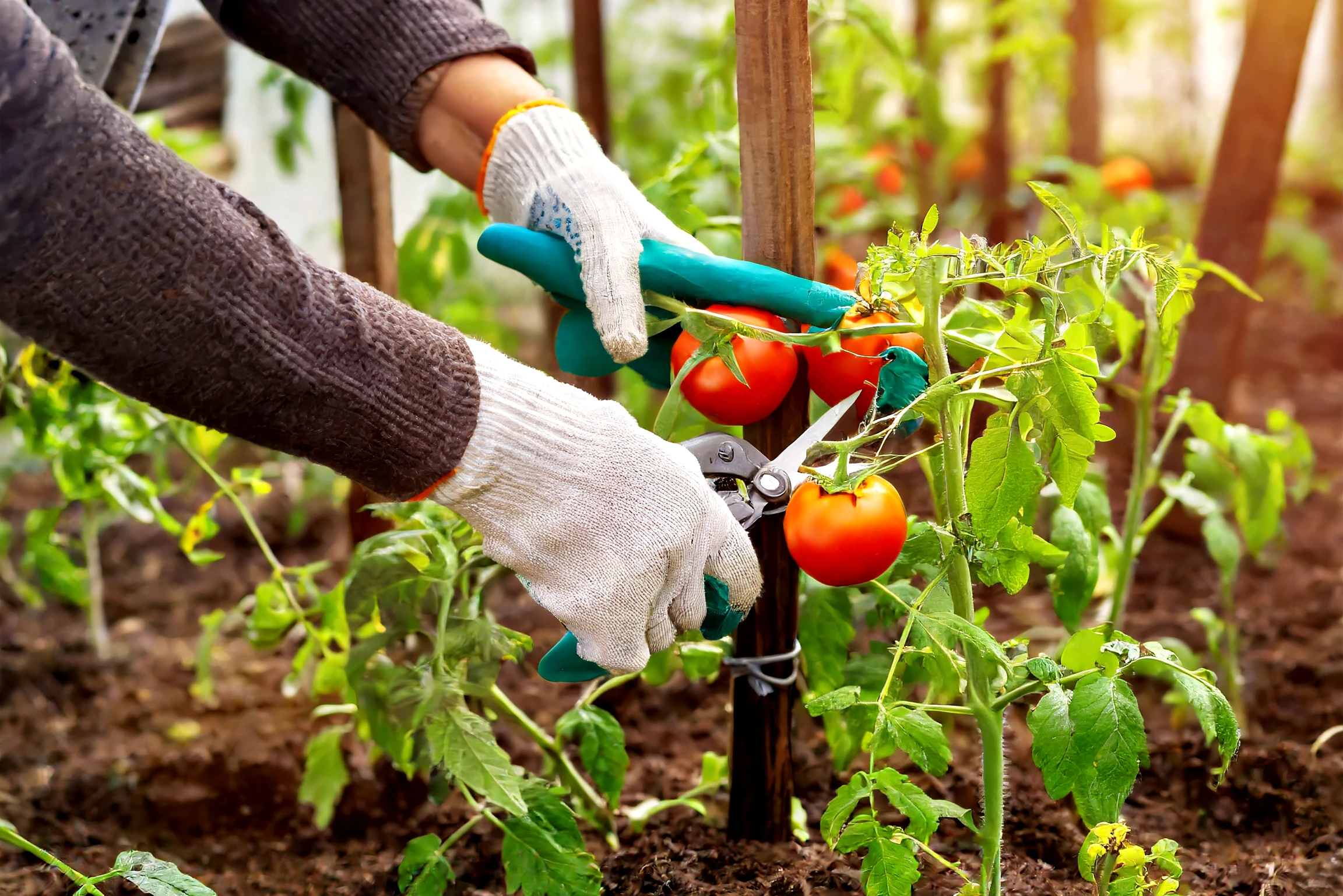
Pruning your Better Boy tomato plant helps improve air circulation, reduce disease risk, and encourage larger, healthier fruit growth.
Steps for pruning a tomato plant:
Pinch-off Suckers: Suckers are small shoots that develop in the crotches between the main stem and branches of the tomato plant. They can eventually grow into new branches if left unchecked. To prune, pinch off the suckers when they are small and tender, usually about 2-4 inches long. Use your fingers or clean pruning shears to do this.
Focus on removing the lower suckers and those growing close to the main stem. This helps improve air circulation and directs the plant’s energy toward fruit production rather than excessive foliage.
Regularly inspect your Better Boy tomato plants for diseased or yellowing leaves. These leaves can be a source of infection for the rest of the plant.
As your tomato plant grows, it may develop dense foliage that can limit air circulation and sunlight penetration. If branches are too crowded, thin them out by selectively removing some leaves or branches.
Tomato plants can become heavy with fruit, so providing support is essential. Provide tomato cages or stake the plants early in the season to keep them upright and prevent branches from touching the ground. You can start doing this with your tomato seedlings.
As the plant grows, gently tie branches to the stakes or cage with soft ties or twine to prevent them from bending or breaking under the weight of the fruit.
Propagating
Propagation from stem cuttings can be trickier than starting from seeds, but it allows you to clone a plant with desirable traits.
Propagating from Stem Cuttings:
Choose a mature, healthy tomato plant with strong stems and no signs of disease.
Using clean, sharp pruning shears, take cuttings from the plant. Each cutting should be about 4-6 inches long and include a few sets of leaves. Cut just below a leaf node (where a leaf joins the stem).
Remove the leaves from the lower part of each cutting, leaving a few leaves at the top.
Dip the cut end of each cutting in rooting hormone (optional but can promote rooting) and then plant it in a container filled with potting soil and perlite or vermiculite to improve drainage.
Place the container with the cuttings in a warm, humid environment. You can cover them with a plastic bag or use a propagation dome to maintain high humidity.
Place the cuttings in a location with bright, indirect light. Direct sunlight can be too intense for young cuttings.
Check for root development after a few weeks. Gently tug on the cuttings to see if they resist being pulled out, which indicates root growth.
Once the cuttings have developed a good root system, you can transplant them into individual pots or garden beds.
How to Grow Better Boy Tomatoes from Seed
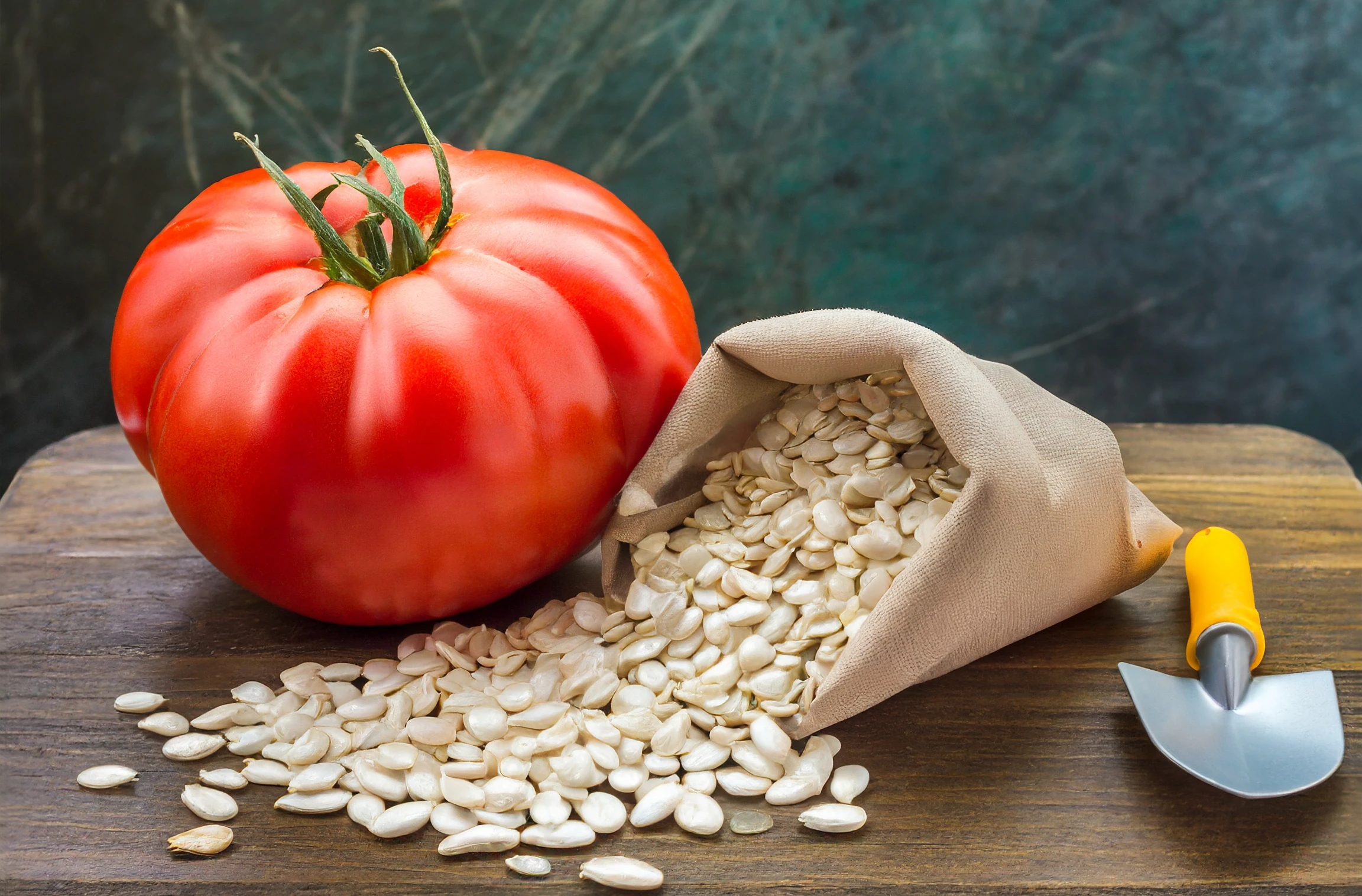
Growing Better Boy tomatoes from seeds can be a rewarding experience, allowing you to choose your favorite variety and watch them develop from tiny seeds into healthy plants. Here’s a step-by-step guide on how to grow Better Boy tomatoes from seed:
Materials Needed:
Better Boy tomato seeds
Seed starting trays or pots
Seed starting mix
Grow lights or a sunny windowsill
Heat mat (optional)
Plastic domes or plastic wrap (optional)
Watering can or spray bottle
Fertilizer (diluted for seedlings)
Transplant pots or containers (for later stages)
Step 1: Seed Selection:
Purchase high-quality Better Boy tomato seeds from a reputable source or save them from mature, healthy tomatoes if you have them.
Step 2: Seed Starting Soil Mix:
Fill seed-starting trays or pots with a seed-starting mix. This mix provides good drainage and aeration for young seedlings.
Step 3: Planting Seeds:
Follow the instructions on the seed packet for the appropriate planting depth. Generally, the seeds should be planted about 1/4 inch deep in the soil.
Step 4: Watering:
Water the soil gently but thoroughly after planting the seeds. Ensure the soil is consistently moist but not soggy.
Step 5: Warmth and Light:
Tomatoes require warmth to germinate. You can use a heat mat under the trays to maintain a temperature of around 75°F (24°C). Place the trays in a location with plenty of indirect sunlight or under grow lights for about 14-16 hours a day. Or place them on a seedling heating mat.
Step 6: Germination:
The seeds typically germinate in 5-10 days. Once they sprout, remove the plastic domes or wrap them if you use them.
Step 7: Thin Seedlings:
If multiple seedlings emerge in each cell or pot, thin them out to leave the healthiest-looking seedling in each container. This ensures that each plant has enough space to grow.
Step 8: Fertilize:
After the seedlings have developed their first set of true leaves (the leaves that look like tomato leaves), start feeding them with a diluted, balanced liquid fertilizer according to the package instructions. This provides the necessary nutrients for healthy growth.
Step 9: Transplanting:
When your tomato plant has grown to about 6-8 inches tall and has at least two sets of true leaves, they are ready for transplanting. Gently remove them from the seed trays, being careful not to damage the roots, and transplant them into larger pots or directly into your garden if the outdoor conditions suit.
Step 10: Harden Off:
Before transplanting seedlings into the garden, gradually acclimate them to outdoor conditions by placing them outside for a few hours each day. This process is called “hardening off” and helps the plants adjust to the new environment.
Step 11: Time of planting:
When the weather is consistently warm, and there is no risk of frost, plant your Better Boy tomato seedlings in well-prepared garden soil. Space them according to the recommended spacing for tomato plants, typically 18-24 inches apart.
Overwintering Better Boy Tomato Plants

Overwintering tomato plants can be challenging because tomatoes are typically grown annually in most regions due to their sensitivity to cold temperatures. Nonetheless, if you live in a climate with warm weather or want to experiment with overwintering, you can follow these steps:
Select a location where your tomato plants can be protected from frost and extreme cold temperatures. The area should receive as much sunlight as possible during the winter months.
Before bringing the plants indoors, prune them back to about 12-18 inches in height. Remove any dead or diseased leaves and branches. This will help the plants focus their energy on survival rather than growth.
Carefully dig up your tomato plants, keeping as much of the root system intact as possible. If they are in containers, you can move the containers indoors.
Examine the plants closely for any signs of pests or disease. Treat any issues before bringing the plants indoors to prevent infestations in your indoor space.
Before placing your tomato plants in their winter location, gradually acclimate them to lower light levels and indoor conditions. Start by placing them in a partially shaded area indoors for a few days, then move them to their final location.
Since indoor light is generally less intense than sunlight, you may need to supplement with grow lights to ensure your plants receive adequate light. Position the lights to provide at least 12-16 hours each day.
Try to maintain a consistent temperature in the range of 60°F to 70°F (15°C to 21°C) for your plants.
Keep the soil moist but not waterlogged. Indoor air can be dry, so consider using a humidity tray or a humidifier to maintain proper humidity levels.
Indoors, you may need to hand-pollinate your tomato plants since natural pollinators may not exist. Gently shake the plants or use a small brush to transfer pollen between flowers.
Better Boy Tomatoes – Common Pests and Diseases
The Better Boy tomato can be susceptible to pests and diseases like most other tomato varieties. Here are some common garden pests and diseases that you should watch out for when growing them:
Some pests that can bother early buds on your plant are aphids, whiteflies, tomato hornworms, cutworms, and spider mites. You can also find slugs and snails enjoying the leaves.
Common diseases are early blight, late blight, septoria leaf spot, blossom end rot, tomato mosaic virus, Fusarium, and Verticillium to powdery mildew.
Whether you want to buy, sell, or simply reach out to other plant enthusiasts, Plantly is the right place to be!
More in this group: Best Tomato Companion Plants