Welcome to the world of home gardening with corn! Growing corn in your garden can be a rewarding and satisfying experience. Not only does it provide you with fresh and delicious corn to enjoy, but it also allows you to connect with nature and witness the miracle of growth right in your backyard.
Introduction to Home Gardening with Corn

The number of varieties of corn that exist today has reached tens of millions, but many were destroyed through monocultures and industrial agriculture.
Several varieties can be found widely in the market and adaptability, but other types adapt well to specific growing conditions in the valley or region.
Its unique culinary applications provide unique tastes and colors. More than 28,000 unique varieties of maize are preserved in Mexico City, a center of corn diversity.
Thousands of additional special collections are available in small national seedbanks. Growing your food at home is fulfilling and a great way to ensure access to fresh and organic produce.
Why not grow corn if you want to elevate your home gardening game?
Corn is a versatile crop that can thrive in home gardens, providing delicious ears of corn for your summer barbecues or simply for enjoying a healthy snack.
Why Grow Corn in Your Home Garden?
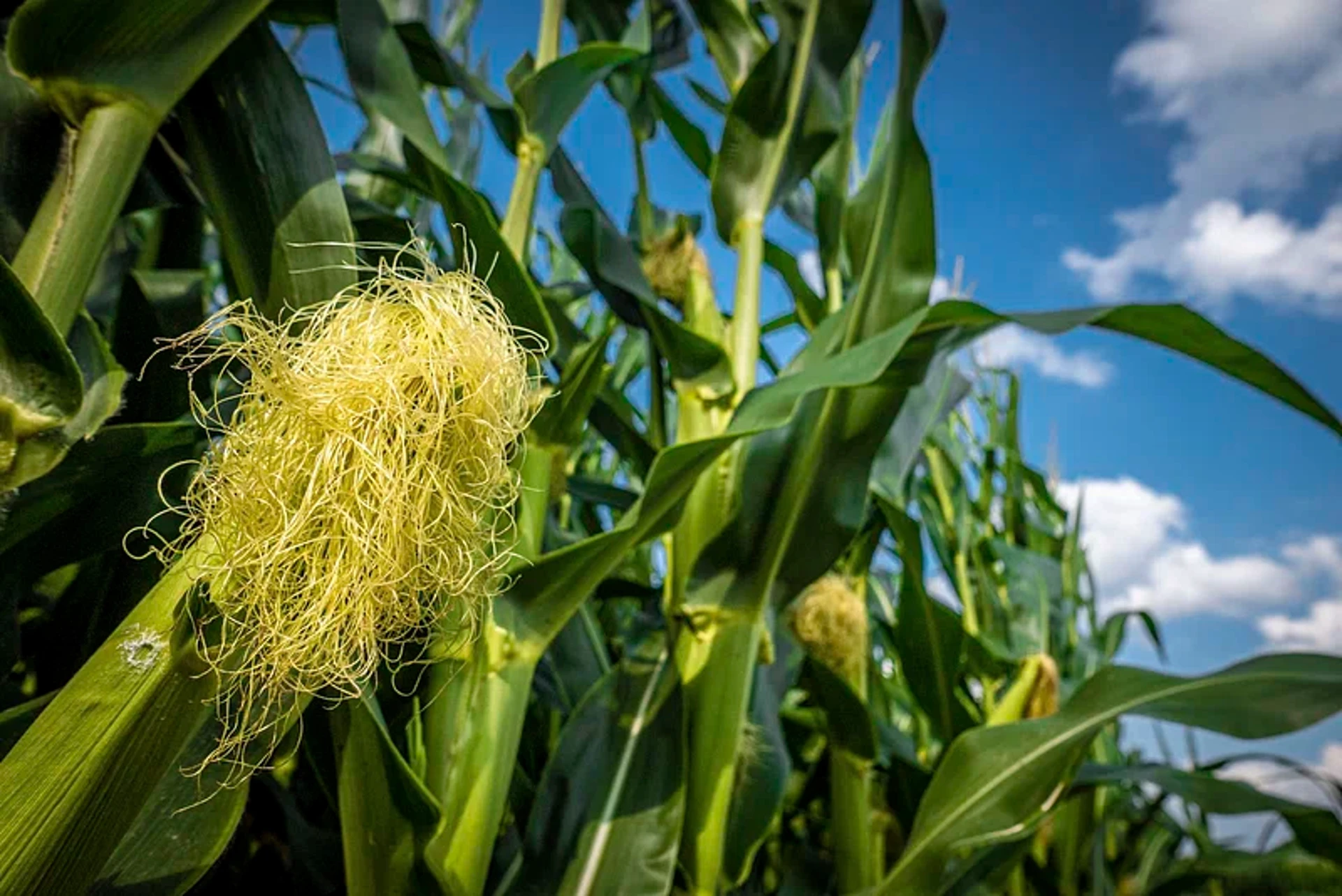
So, why should you make space for corn in your home garden? Besides the satisfaction of harvesting your corn, growing this crop offers many benefits. For starters, corn is incredibly versatile in the kitchen. You can boil, grill, or roast it to create mouthwatering dishes.
Plus, the sweet taste of freshly picked corn is hard to beat when eaten fresh. On the other hand, you can find corn sold in shops as corn flakes, corn chips, corn flour, livestock feed, popcorn kernels, tortilla chips, and so on.
Understanding the Basics of Corn Planting
Before you get started, it’s essential to familiarize yourself with the basics of corn planting. Corn is a warm-season crop, so waiting until the soil has warmed up is crucial before planting your pod corn or sweet corn seeds.
Corn plants also require ample space, as they need to be properly pollinated, so ensure enough room between each plant. By understanding these fundamentals, you’ll be well on your way to successfully growing corn in your home garden.
Factors to Consider when Growing Corn at Home

While corn is a relatively easy crop to grow, there are a few factors you need to consider to maximize your success. These include climate and growing conditions, soil preparation and fertilization, and sunlight and watering requirements.
Climate and Growing Conditions

Corn thrives in warm climates with temperatures ranging between 60-90°F (15-35°C). It requires a growing season of at least 60-100 days, so make sure your climate allows for a sufficient growing period. Additionally, corn prefers well-draining soil that is rich in organic matter.
Soil Preparation and Fertilization

Proper soil preparation is essential for healthy corn growth. Before planting, loosen the soil and remove any weeds or debris. Adding compost or well-rotted manure will enrich the soil with essential nutrients. Additionally, be sure to provide nitrogen-rich fertilizers during the early stages of growth, as corn is a heavy feeder.
Sunlight and Watering Requirements

Corn plants require full sun exposure to thrive. Make sure to choose a location in your garden that receives at least 6-8 hours of direct sunlight daily. As for watering, corn plants prefer consistent moisture throughout the growing season.
Aim to provide about 1 inch (2.5 cm) of water per week through rainfall or irrigation.
Planting and Spacing Guidelines
Corn plants are heavy feeders and need ample space to grow. Plant them in blocks rather than single rows to improve pollination. Please provide them with rich, well-drained soil and full sun. Follow the recommended spacing guidelines for your corn variety to ensure healthy growth.
Pest and Disease Management
Corn can be susceptible to pests such as corn earworms, aphids, and spider mites. Implement organic pest control methods like handpicking or insecticidal soaps to keep these critters at bay. Additionally, be aware of common corn diseases such as rust and smut, and take preventive measures by providing proper air circulation and avoiding overhead watering.
The Benefits of Growing Different Types of Corn

When it comes to growing corn in your home garden, you have a variety of types to choose from. Each type offers unique benefits, from diverse flavors and culinary uses to aesthetic appeal and nutritional value.
Diverse Flavors and Culinary Uses
You can explore a world of flavors by growing different types of corn, from standard sweet corn with its sweet flavor. Then you have unique varieties like flint corn, flour corn, SU corn, popcorn, or colorful ornamental corn. You can experiment with diverse taste sensations and incorporate them into various dishes, snacks, or even homemade tortillas.
Aesthetic Appeal and Ornamental Value
Not all corn is meant to be eaten! Some varieties, like ornamental corn, are grown for their beautiful and vibrant kernels. These varieties can add a pop of color to your garden, making them a great choice for landscape design or fall decorations.
Nutritional Value and Health Benefits

Corn is not only delicious but also packed with nutritional value. It is a good source of carbohydrates, fiber, and essential vitamins and minerals. Growing your corn ensures you’re consuming a fresh and nutritious crop, free from chemicals and pesticides.
Top Varieties of Sweet Corn for Home Gardens
Usually, corn is eaten as a fresh summer treat. The seeds will be harvested at the green or milk stage, in which a new kernel is juicy and sweet and is in the ripe age.
By pressing your fingers into the corn kernel, you will know that sweetcorn is ready. The juice is very apparent, but the flavor is not very juicy.
You may have an area between 6 feet for growing sweet summer treats! Keep plants planted in 10-12 rows of corn together. Here are some varieties of sweet corn kernels you can choose.
Early Maturing Varieties

If you’re eager to enjoy your homegrown corn as soon as possible, consider planting early maturing varieties such as ‘Golden Bantam’ or ‘Peaches and Cream.’ These varieties typically take around 65-75 days to develop, allowing you to savor their delicious flavor earlier in the season.
For example, the Peaches and Cream corn is a delicious variety of sweet corn. This corn variety typically has kernels that combine yellow and white, hence the name “peaches and cream” appearance. It’s great for grilling, boiling, or enjoying fresh off the cob.
If you love corn, you’re in the right place to savor this tasty treat! 🌽😋 Or you can opt for a supersweet variety like ‘Mirai’ or ‘Ambrosia,’ which are excellent choices. These varieties have an exceptionally high sugar content, ensuring that every bite is bursting with sweetness.
These corns have an interior soft starch also harvested at the milk stage. You can enjoy them as whole kernels and found in other corn products.
Different Types of Corn: Popcorn Kernel
Popcorn lovers, rejoice! Growing your popcorn in your home garden is fun and rewarding. Here are some of the best types of popcorn varieties that you can grow right in your backyard.
Classic Yellow Popcorn

Growing classic yellow popcorn is necessary if you’re a classic movie theater popcorn fan. These varieties produce large, fluffy kernels bursting with that buttery flavor we all know and love. Add your favorite seasonings, like chile powder or salt, and you’re ready for a movie night at home!
Specialty and Colored Popcorn

For those looking to add a little pizzazz to their popcorn, specialty, and colored popcorn varieties are the way to go. From the vibrant hues of red and blue to the unique flavors like caramel and cinnamon, these varieties will make snacking an adventure. Plus, they’ll add a pop of color to your garden!
Exploring Ornamental Corn Varieties for Aesthetic Appeal
Corn isn’t just for eating; it can also be a stunning addition to your garden’s visual appeal. Check out these ornamental corn varieties that will take your garden to the next level.
Indian Corn Varieties

The corn is a sight to behold with its beautiful multicolored kernels; many refer to it as flint corn. Native American tribes have traditionally used these varieties for decoration and ceremonial purposes. Planting these varieties will add an aesthetic touch to your garden and honor this crop’s cultural significance.
The flint corn has a thick outer shell of hard but not soft starch; hence, it is not a tender kernel. These days, dried kernels are used for decorating Christmas trees. Most of these are grown to enhance the decorative appearance and can be popped.
Some of these corns are used as animal feed as they have hard outer shells and are ground into corn flour.
Glass Gem Corn

Prepare to be mesmerized by the enchanting beauty of glass gem corn. This variety features translucent, jewel-like kernels that shimmer in a rainbow of colors. Whether you use it in floral arrangements or enjoy its stunning appearance in your garden, glass gem corn will surely be a conversation starter.
You do not find this corn in food products like corn flour as it does not have tender kernels.
Broom Corn Varieties
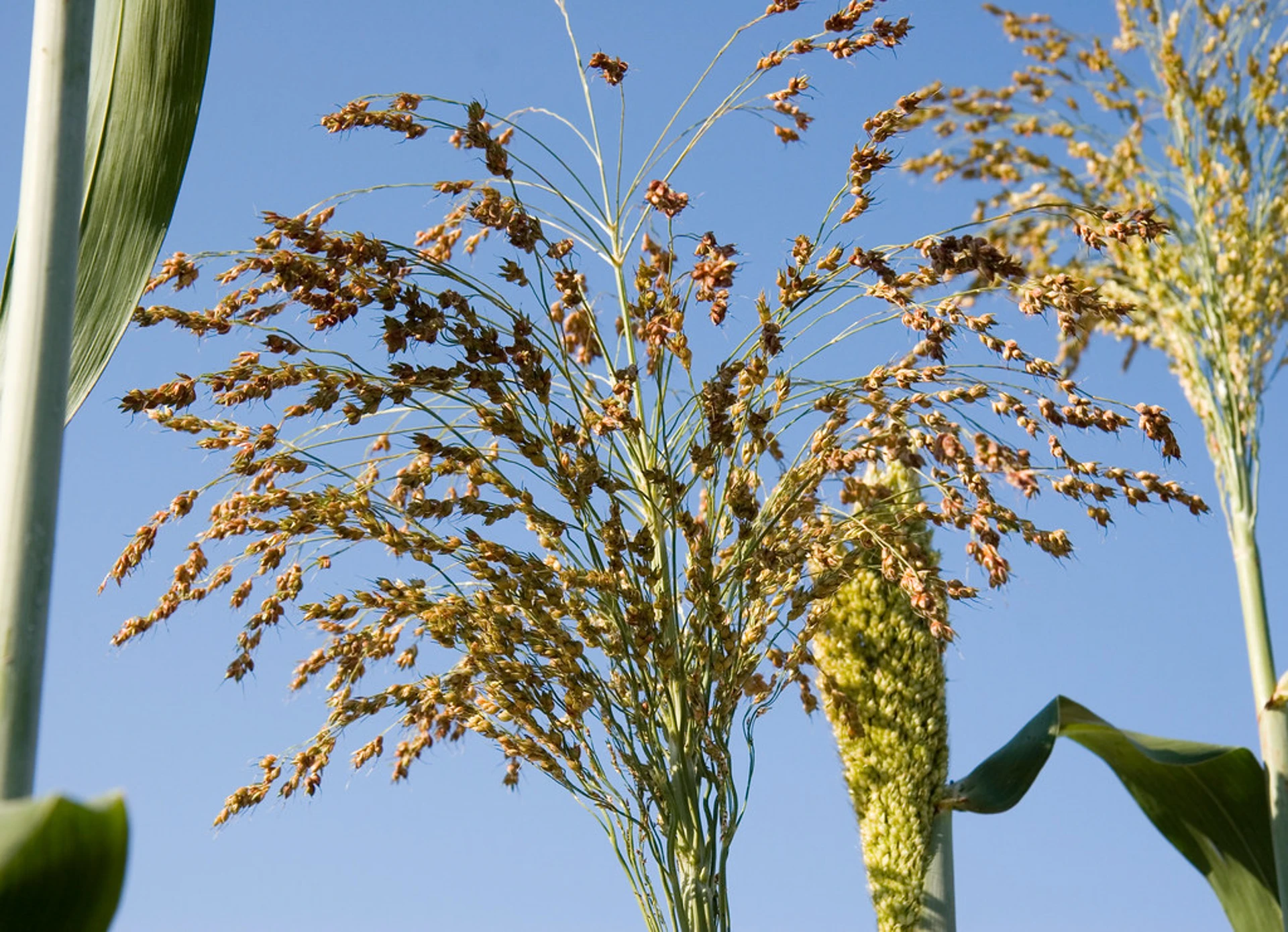
Consider growing broom corn if you’re looking for an ornamental corn with a touch of whimsy. As the name suggests, the long stalks of this corn variety have been historically used to make brooms. Not only will you have a unique addition to your garden, but you’ll also have the perfect material for crafting your own brooms.
Nutritious and Unique Corn Varieties for Culinary Delights
When it comes to cooking, not all corn is created equal. Discover these nutritious and unique corn varieties that will elevate your culinary creations.
Sweet Corn Varieties
If you prefer your corn on the sweeter side, look no further than sweet corn with soft starches and white to yellow kernels.
These varieties boast tender, juicy kernels and are packed with natural sweetness. Whether you’re grilling, boiling, or sautéing, sweet corn will add a delightful, deliciously sweet flavor to your dishes.
The standard sweet corn grown in the garden offers you loads of potential for fresh eating or grinding dried sweet corn to make corn flour.
Flour Corn

Flour corn is perfect for those who love experimenting in the kitchen. These flour corn varieties have a high starch content at the milk stage, making fine cornmeal or flour. Use these versatile flour corn to make everything from tortillas and bread to pancakes and muffins.
The possibilities are endless! Most ground cornmeal is found in varieties like dent corn, flint corn, and more.
Dent Corn

Dent corn makes for great animal feed and industrial purposes. Yet, that doesn’t mean it can’t find its way into your kitchen. With its distinctive dented kernels, dent corn can be ground into cornmeal, used as a thickening agent in soups and stews, or even utilized for homemade corn syrup. The center starches tend to be harder.
The popular food produced by field corn is:
Field corn cornmeal
Field corn tortillas
Grits
Animal feed
As a non-food produce, it is used as ethanol, cornstarch, and other industrial to commercial products.
Heirloom Varieties
Consider planting heirloom corn to add nostalgic charm to your garden. ‘Country Gentleman’ or ‘Bloody Butcher’ are popular choices known for their unique flavors and historical significance. Growing heirloom varieties allows you to enjoy their distinct taste and helps preserve agricultural heritage.
Harvesting and Storing Corn Types
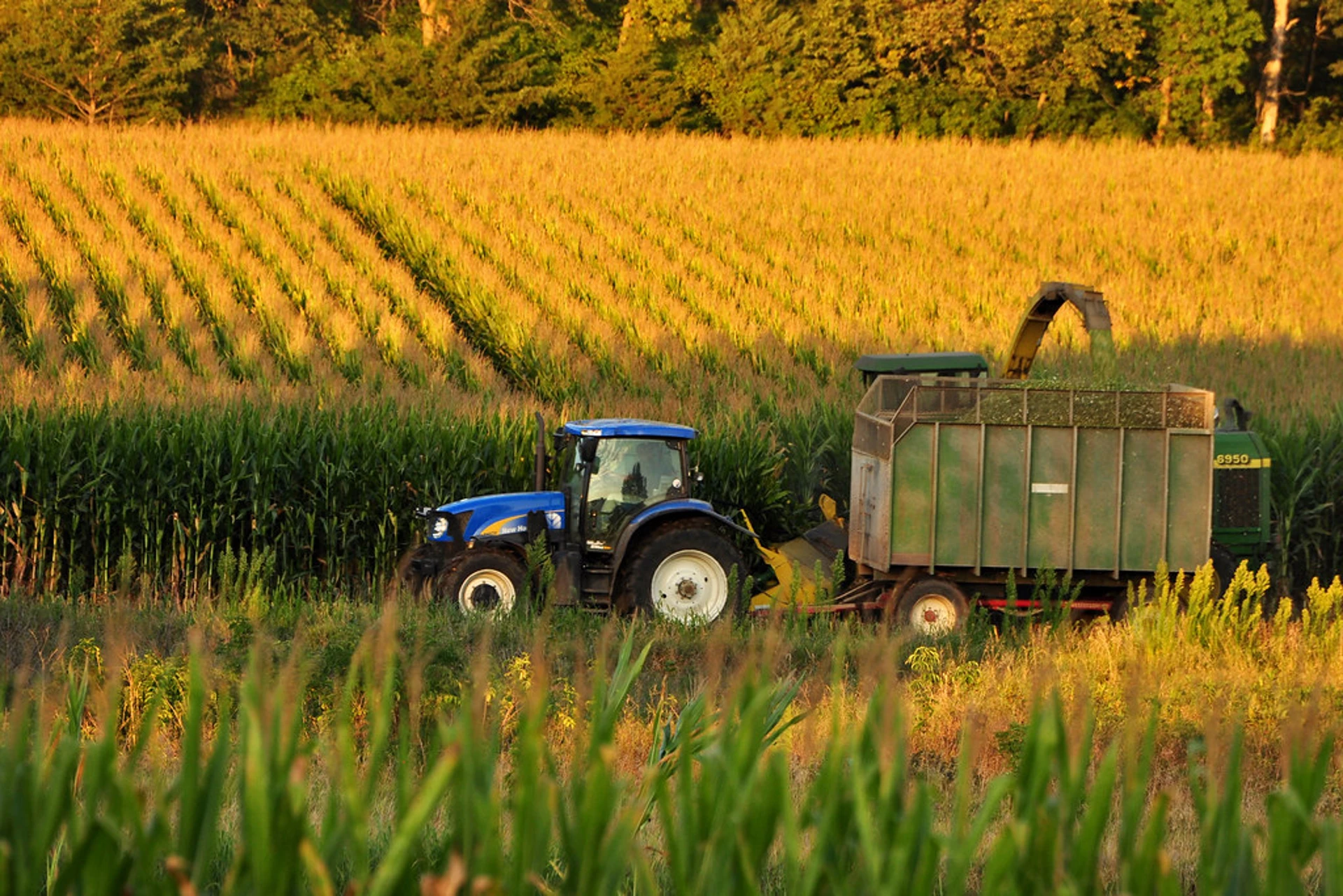
Knowing when to harvest corn is crucial for optimal flavor and texture. The best indicator is to check the kernels by piercing them with your fingernail. A milky substance squirts out at the milk stage, and it is time to harvest. Once harvested, enjoy your corn as soon as possible for the best taste.
If you have more corn than you can consume, blanch the ears and freeze them to enjoy that fresh taste all year round.
Whether you want to buy, sell, or simply reach out to other plant enthusiasts, Plantly is the right place to be!