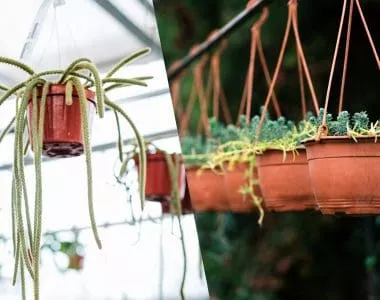
Do you love trailing succulents? Then you will find taking care of the ruby necklace a breeze. The string of rubies is a must-have for hanging baskets or rock gardens. Some gardeners refer to the Othonna capensis plants with another common name, the string of pickles.
Today we look at how you can care for this trailing succulent.
More About Ruby Necklace Plants
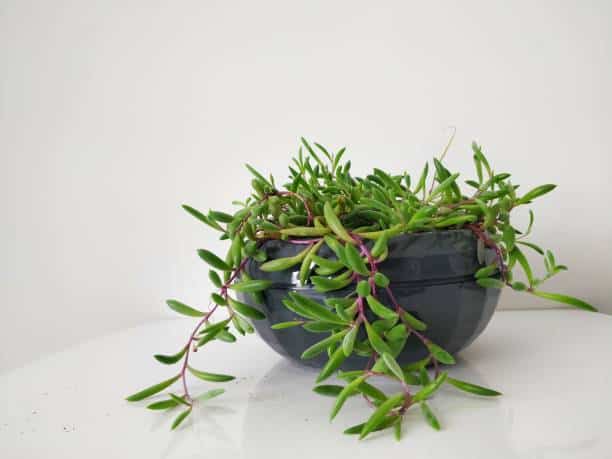
The ruby necklace is one of our preferred succulents you can use for trailing or spilling. The string of rubies grows fast and displays a vibrant reddish-purple stem in full sun.
The plant has bright yellow daisy-like flowers you see all year long when in bloom with bean-shaped foliage. Growing in lower light keeps the green leaves with purplish hues along the stem.
But when in bright light, it turns to a bright ruby red. The ruby necklace plants belong to the Othonna genus from South Africa and are a close relative of Senecio rowleyanus (the string of pearls).
Another common name is little pickles, which reach two inches tall when mature. Another interesting fact about the leaves is that they trail on the ground and form a dense mat like a ground cover when rooting and touching the ground.
The leaves adapt to arid conditions and store water when the air is dry and is a hardy plant that can go without water for a while. Hence, if you want a drought-tolerant plant, the string of rubies makes for an ideal houseplant or outdoor plant.
How To Take Care of Ruby Necklace Succulent?

When it comes to Othonna capensis care, it is an easy-growing plant with delicate blooms. In addition, it is a sun-loving plant that is drought tolerant as the leaves hold water for a few days. Hence, it helps to place your succulents in a bright spot indoors, and watering you only need to do is when the soils dry.
Lighting
How to care for ruby necklace plants indoors and outdoors is very similar. The ruby necklace loves full sun to partial shade. So, indoors it can thrive in bright direct sun to low indirect light. Still, the more sun your ruby necklace plants receive, the more vibrant the color.
When placed in low light, it is greener with purple highlights. Another tip is to give your plant more shade and less watering as it goes into dormancy in the summer months. Hence, place your plant in front of a window or use a grow light for indoor growing.
It turns red when in direct sun and is stressed with drought or even cooler temperatures.
Ideal Potting Mix
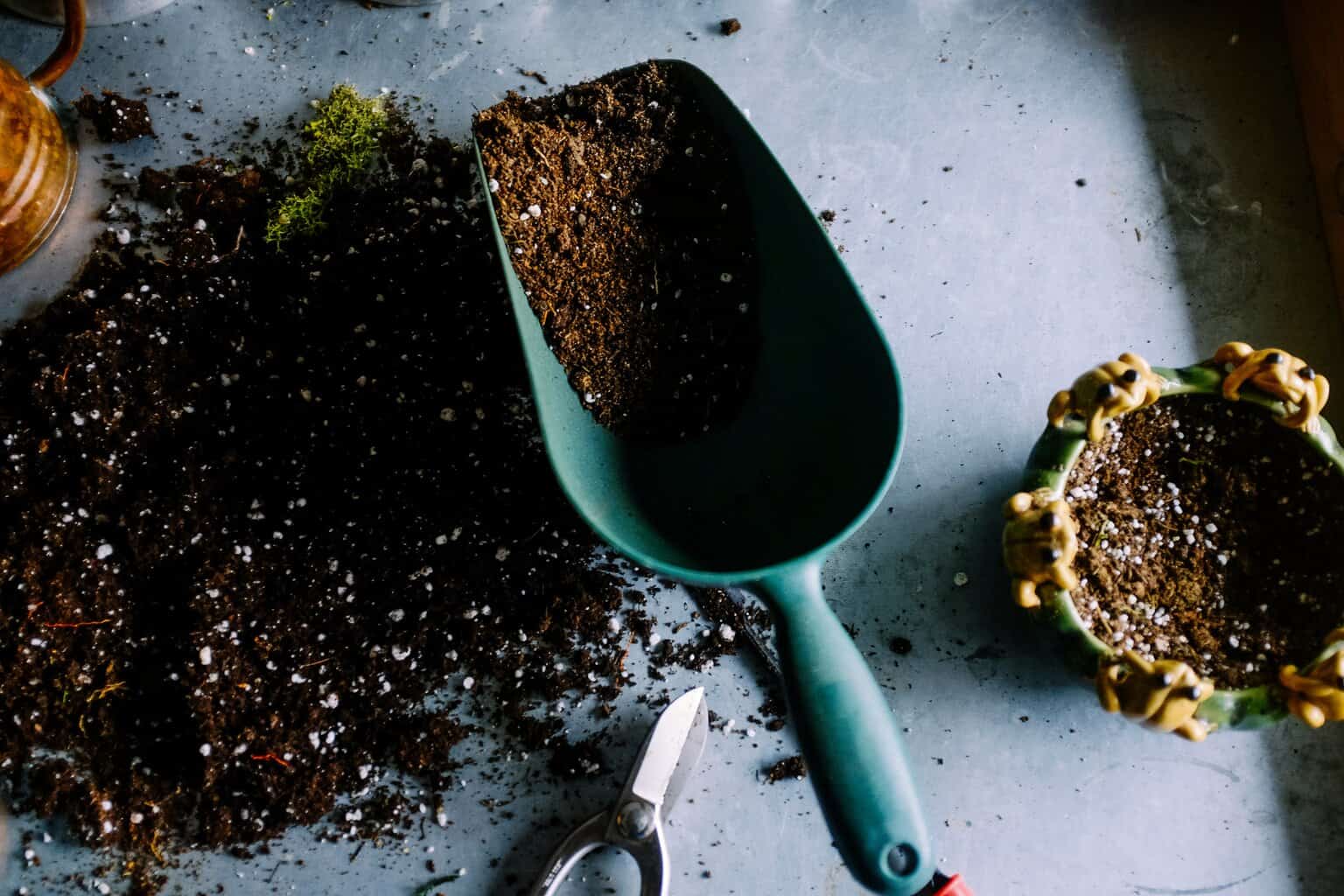
We recommend standard soil for your succulents in a container. It must be well-draining soil to retain moisture while still allowing excess water to drain through the drainage hole.
One of the common problems when water accumulates in the catch saucer it can lead to root rot, and the same happens when the soil remains soggy. Hence, a cactus or succulent soil mix works well.
You can also mix in the pots two parts succulent soil with one part pumice as it drains well. Or you can use potting soil as above, replacing the pumice with perlite. For houseplant care, this is an ideal soil for succulents.
Watering
As with most succulents, plant care, and watering, do not overwater your plant. Too much water can lead to basal stem rot disease and the death of your succulent. Those bean-shaped leaves also retain moisture and need to be kept in mind.
You may find it in the growing season during spring and fall; you will water more frequently than in the winter. When you feel moist soil withhold the water and leave the soil dry between your watering schedule.
A sign that your ruby necklace has gone through overwatering is when the soil is soggy, and with underwatering, the leaves turn yellow. If you live in an area with very high humidity or a lot of rain, you need to reduce watering for your healthy plants.
So, the rule is to give your string of rubies a good soaking and allow the water to drain from the shallow pot. If your plant receives enough water, the leaves look plump and have a ruby color.
Fertilizing
You will be glad to know it is not a heavy feeder when it comes to feeding your houseplants like the little pickles. The Othonna plants are fast growers and do not need regular fertilizers.
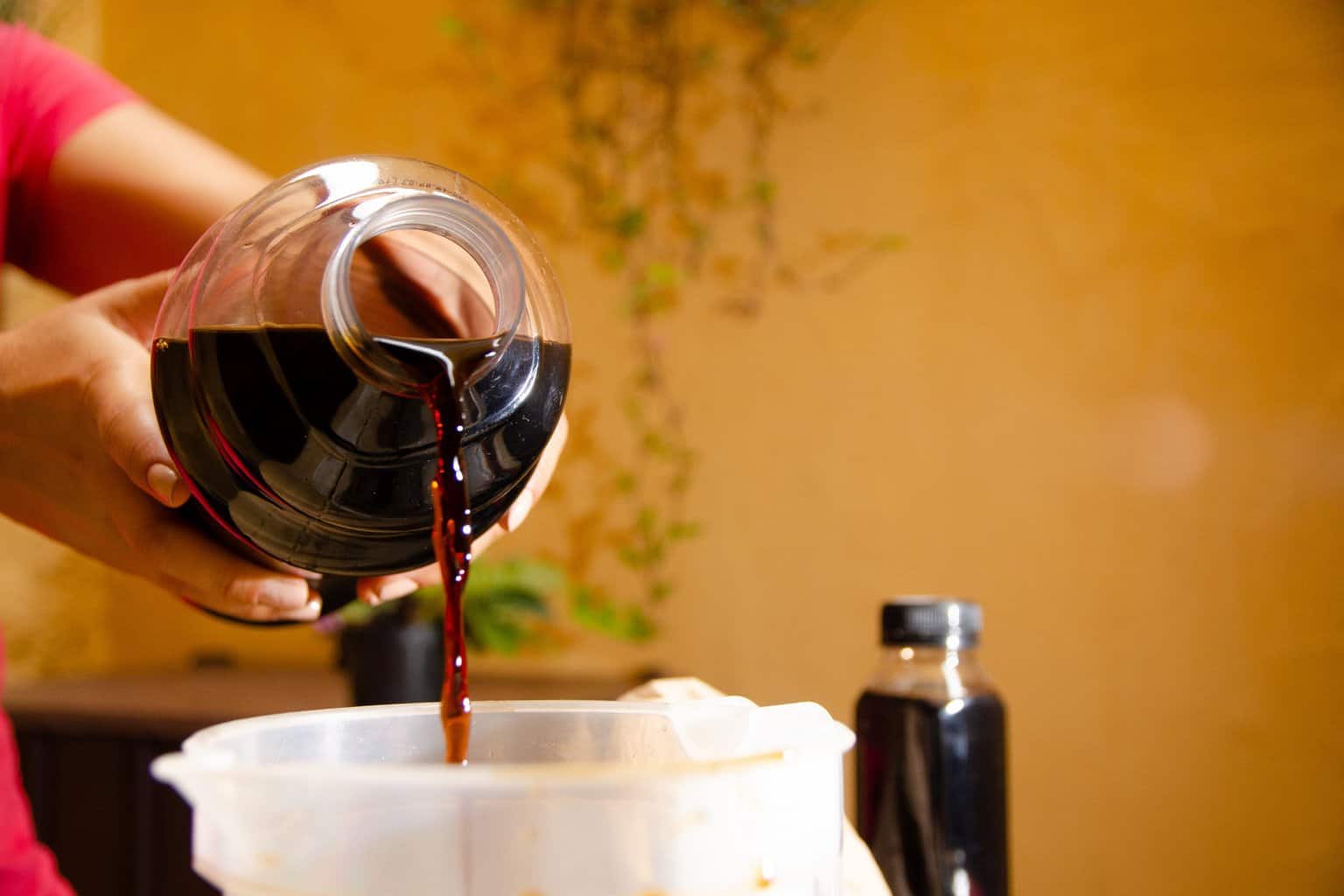
But if you want new plants to grow, you can give them some fertilizer a few times in the spring and summer months. But we recommend using a low-nitrogen fertilizer. Hence, choose a balanced fertilizer like fish emulsion rich in nutrients.
Or you can use compost that has nitrogen, potassium, and phosphorus.
Temperature and Humidity
As with most succulents growing indoors or in a rock garden, they thrive in warmer temperatures. But your little pickles are not a winter-hardy plant and cannot tolerate frost. You can provide your plant with more direct sunlight than too little sunlight.
Neither should the room be too hot or drafty as it does not enjoy too much heat or cold. You may find during winter; you will need to provide your plants regularly with some warmth. The same applies to humidity levels as the Othonna capensis is very sensitive to low moisture.
Hence, it helps to place your houseplants together to provide extra moisture or invest in a humidifier. Furthermore, good air circulation will also help to prevent fungal diseases.
Potting, Repotting, and Pruning
The good news is that the string of rubies doesn’t need frequent repotting and is quite happy to be a bit root bound. Hence, you can expect to repot every three years. When you choose a new container, ensure that it has enough drainage holes when you repot.
Also, choose the right potting mix that is porous for your succulent. The string of rubies can grow well in most pots, but clay and terracotta remain our top choice. Then provide as much light and keep the soil moist.
As your string of rubies is a vining plant, it will need regular pruning to train the stems to climb a fence or trellis.
But when placed in hanging baskets, those gorgeous stems will hang over the sides. The best time to trim your plant is in the cooler months when dormant, as it will prevent you from losing those daily-like flowers.
It helps to cut away damaged or diseased stems and remove the Othonna capensis spent yellow flowers.
Propagation
You can easily propagate a string of rubies with stem cuttings. You can then root the stem cutting of the Othonna capensis in a pot with fresh soil compared to water. We recommend using a shallow pot to lay the stem on top of the soil.
But before you lay the cutting on the soil, leave it to air dry for a day or two. Keep the soil barely moist and keep your plant in at least six hours of bright indirect light. When the roots become established with new growth, you can move your plants into enough sunlight but not full sun until they are bigger.
Othonna Common Varieties
If you prefer another type of Othonna plant, you can look at some of the other favorites in this species. All of them make excellent houseplants and landscaping plants.
Othonna auriculifolia Licht. ex Less.
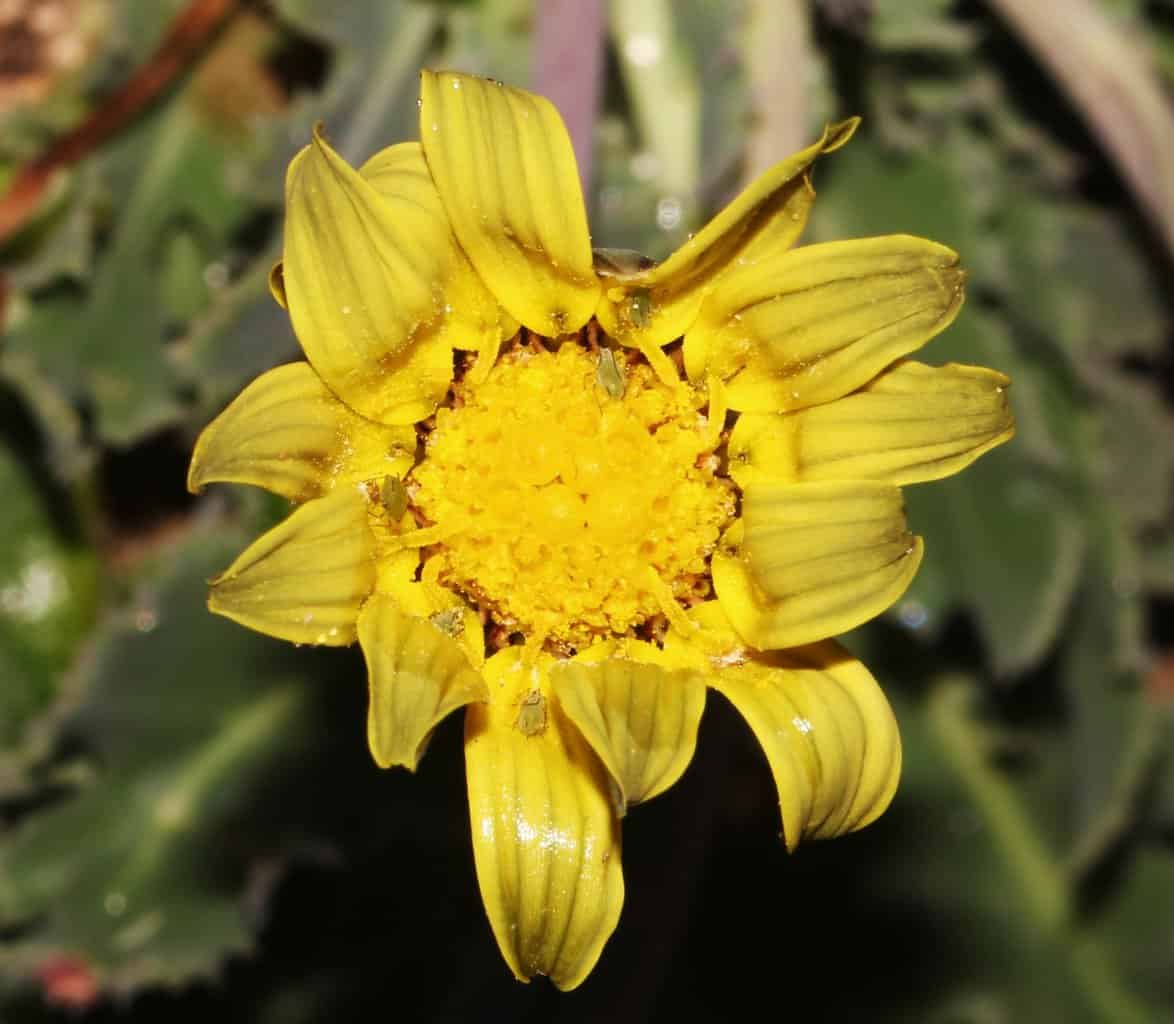
The species have a slender main root that grows thick and blooms a flower head in cold months. You will see bright yellow flowers displayed.
Othonna cakilifolia DC.

The other common name for this plant is the baboon cabbage with slender stems and lilac to purple daisy-like flowers.
Othonna perfoilata (L.f.) Jacq.
The plant grows stem-clasping leaves, and the young to adult plants’ foliage differs. The young plants have slender petioles, while the adult leaves can turn purple.
Common Pests and Diseases
The string of rubies can get plant diseases to pests as most houseplants do. Some plant pests are fungus gnats, spider mites, mealybugs, and scale. The best way to treat your plant is to use an insecticidal soap or neem oil.
Othonna capensis common plant disease is basal stem rot resulting from too much water to prevent rotting; it helps to water only when the soil is dry. Some notable signs that there is something wrong with your string of rubies are as follows:
Yellow or red leaves can happen when new shoots appear to replace old leaves.
If your string of rubies foliage is brown, it can be from over-fertilizing or overwatering.
Mealybugs or other insects cause red spots on your ruby necklace.
Whether you want to buy, sell or simply reach out to other plant enthusiasts, Plantly is the right place to be!