Are you eyeing another unique tropical houseplant? Well, Alocasia Zebrina can be your next best friend! Not only that its leaves look large and lovely, but the zebra-like stem can surely be eye-catching.
Native to the Philippines and most parts of Southeast Asia, Alocasia zebrina prefers warm temperatures as a tropical plant outdoors and inside. Still, it also grows well indoors and belongs to the Alocasia genus.
The plant grows three feet tall, three inches wide, and blooming flowers in the wild or bigger areas. It rarely grows flowers as a houseplant but can put out leaves every two weeks when you take care of it well.
Alocasia zebrina is also known as the zebra plant due to the zebra-striped stems. Ready for another unique plant? Keep scrolling to find out about the tiger plant, another interesting name.
Alocasia Zebrina Plant Care Basic

We won’t lie. Alocasia zebrina is a finicky little plant. But we do have some main requirements stipulated here:
Provide bright indirect light.
Keep soil evenly moist but not soggy soil. Ensure the container has enough drainage holes.
Provide your Zebrina Alocasia with warm temperatures in a humid environment.
Add compost or fertilizer when needed.
Another helpful tip is to wipe down the Alocasia zebrina leaves every two weeks to remove dust accumulation with a damp cloth. Doing this helps encourage photosynthesis for healthy leaves and growth.
Then follow the basic care tips below, and you are all set. Have fun reading!

Best Potting Mix
When it comes to nurturing your zebra plant, the soil you use is crucial. You must consider each plant’s individual requirements. An Alocasia zebrina thrives on rich, well-draining soil that retains moisture.
At high elevations, its natural habitat comes in the form of humus-rich soil laid atop a rocky substrate. In a medium that absorbs too much water, the plant struggles. Alocasias eat a variety of foods, from light to heavy.
A foundation of rich, well-draining soil is essential for supplying appropriate nutrition. This outdoor plant thrives in a natural mix that includes a lot of organic material.
The only drawback to using organic material is that it degrades over time, causing soil compaction. Because a compact substrate restricts oxygen and increases root rot, adding perlite, pumice, or coarse sand is an excellent option.
Remember that inorganic amendments are long-lasting and keep the soil open but don’t provide nutritional value. Also, check out the care for another exotic plant, the Alocasia Yucatan Princess.
Watering Needs
Although this zebra plant prefers a humid atmosphere, it does not require a lot of watering. It is preferable to slightly submerge this plant. Its thick stems hold a lot of water, so it won’t need to be watered as frequently as you may think.
The best watering is to submerge the plant in water and ensure the excess water drains from the container’s drainage holes. It has thick stems holding water, so you need not water often. Because the long stems hold a lot of moisture, it’s easy to tell when your plant is dried.
When the stems droop slightly, the plant is dehydrated and must be watered. Do not water your plant if only one stem begins to droop. Your plant may attempt to replace a drooping branch with a new leaf. When watering this plant, a simple method is to water it until water begins to flow out of the drainage hole.
The topsoil has consumed all the moisture it can when the water flows out of the drainage hole. To avoid root rot, it’s critical to drain the remaining water. Wet soil is not good for the Alocasia Zebrina, as it will quickly produce root rot.
So the rule is to wait for the soil moisture to dry before watering.
Ideal Lighting

When it comes to Alocasia plants, care light might be challenging. They prefer indirect sunlight, but it must be bright enough.
These plants reach out to a light source if not provided and become leggy. They also tend to slant towards the sun, so it’s a good idea to rotate it a quarter turn every time you water to avoid this.
Long periods of direct sunshine can scorch the leaves. So, provide your Alocasia zebrina with bright indirect light at an east or west-facing window.
If the Alocasia plant is near a south-facing window, use a sheer curtain to shield it from direct sunlight. This plant can survive at lower light levels but struggle in dim lighting.
If you want more of the elephant ear leaves and eye—catching stems, you need brighter lighting!
Temperature & Humidity
Warm temperatures are ideal for Alocasia zebrina plants. Tiger Alocasia thrives in temperatures ranging from 64 °F to 82 °F (18 °C to 28 °C). This tropical plant is very vulnerable to cold chills. A leaf drop will likely occur if the plant grows below 60 °F (15 °C).
The usual room temperature is ideal for Alocasia zebrina. If you wish to cultivate this plant as a houseplant, avoid rapid changes in room temperature to guarantee good growth. Alocasia pots should not be placed in a cold draft or air-conditioning airflow. Finally, keep these plants away from a hot radiator.
In the summer, you can place a potted zebrina plant on your balcony, patio, or deck. Place the pot in a bright spot where it receives bright indirect light. The Alocasia plant must be protected from the harsh afternoon sun.
Bring the plant indoors when the temperature drops below 64 °F (18 °C).
Furthermore, abrupt temperature changes can have severe effects on your plant. Because it is native to rainforests, there’s no doubt that this plant prefers high humidity. Their optimal humidity level is 60% or more.
Therefore, they thrive in a greenhouse or a room with a humidifier or regular misting for extended periods.

However, as long as they are adequately watered and given adequate light, they can typically get by with less. Browning leaves are a symptom that the plant is suffering from a lack of moisture in the environment.
To increase humidity in your indoor jungle, arrange plants together, but don’t overcrowd them.
They still require air circulation and a certain amount of space to keep pests at bay. Filling a dish or saucer with water and allowing it to evaporate will boost local humidity. To keep the soil protected and dry, set the trays near the plant, add pebbles to the water, and set the pot on top.
Fertilizer
The Alocasia zebrina grows extremely fast during its growing season, from spring to early autumn. Fertilize the plant every two weeks during this time to give it the energy it needs to keep increasing. Every two weeks, a ½-dilution of a balanced formula should be fed to the plant.
Adding liquid fertilizer to their water is a simple solution. You may also apply a slow-release fertilizer every month to six weeks. Ensure that the leftover fertilizer is flushed out every few months. This can be accomplished by thoroughly watering the plant and allowing the water to flow through the bottom of the pot.
This will keep your plant in a livable environment in well-draining soil. It’s important to remember that over-fertilization can harm Alocasia zebrina houseplants. As a result, you could use a natural, organic houseplant fertilizer.
Plants get the nutrients they need from marine kelp, plant extracts, and tea compost. Yet, because there are no chemicals, there is little chance of over-fertilizing the delicate roots that can burn easily.
Propagation
To propagate Alocasia zebrina, you can do this through division, growing the corms, underground root, or harvesting the seed.
Still, you need a healthy, mature plant to divide and grow the corms into underground rhizomes. You can do this with your regular repotting of the Alocasia zebrina.
Propagating Mother Plant Using Division
Remove your plant from the pot and remove excess soil from the roots.
You will notice that each plant grows from an individual bulb, and you can separate them.
Take the newly separated plants and place them into pots with well-draining soil.
Water well, allowing excess moisture to drain.
Keep soil moist and place the pots where it does not receive direct light from the sun but is dappled.
Growing Corms
Remove your plant from the container and brush off the soil.
Then dig in the ground to find small corms attached to the root system.
Carefully remove the corms, and they should be firm and round.
Remove the outer husk to expose a light green center and place it in a container with moist sphagnum moss.
Ensure the corm faces up with a pointy tip and the rough side faces down.
Place a small clear plastic bag over the pot and keep it in strong indirect light.
Once a week, open the bag for 15 minutes for fresh air and check the soil to see if it needs moistening.
In a few weeks, you will notice new growth from the corms.
Once the roots reach two inches long, transplant them into a well-draining potting mix.
Return the container to bright indirect sunlight.
Growing Zebrina Alocasia From Seed
You can collect seeds from the seed pods in summer.
Take the seed pods to remove the seeds.
Scatter the seeds on the moistened peat-based potting mix.
Throw a thin layer of the potting mix on top.
Then cover the container with a plastic bag and place it in indirect light.
Mist the soil occasionally and keep them covered until the seedling comes out.
Then uncover them for 15 minutes daily for fresh air.
It can take up to three weeks or three months.
When your seedlings develop a strong root system with a new leaf, you can transplant them into individual containers.
Overwintering
You need to bring your Alocasia zebrina indoors in the winter months and only take it outside in summer. The environment needs to be similar to a conservatory and avoid placing your plant near cold drafts as it will lead to plant death.
Growth Zone
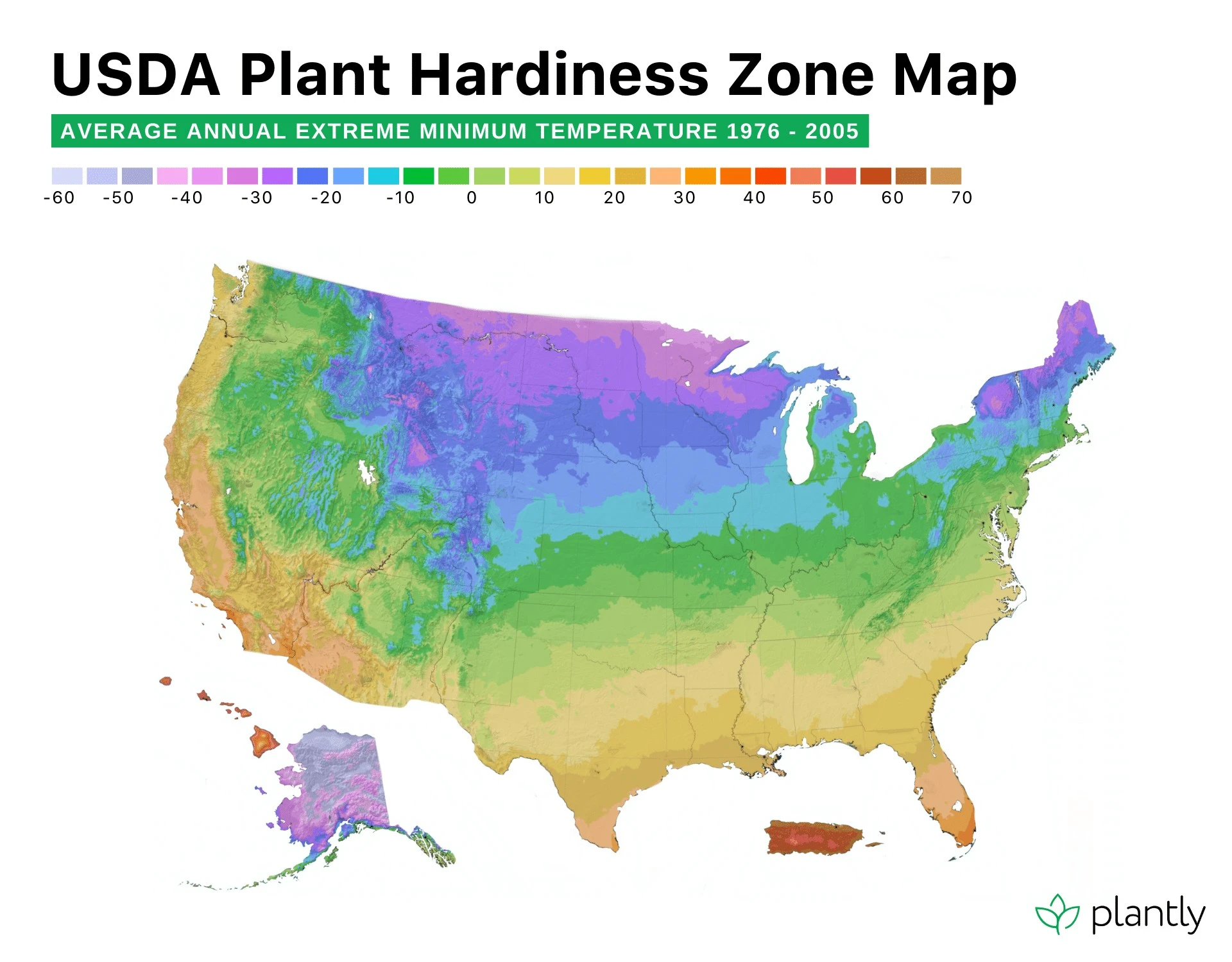
The tropical houseplant can be grown outside in warm conditions. Their USDA growth zone is 10 or 11, according to the USDA. They can also produce many offshoots from the root systems in the same pot because they are an invasive species in their natural habitat.
In some regions, they will completely dominate the jungle floor.
Potting
The Alocasia Zebrina likes to be in a pot big enough for its roots. Use a plastic or ceramic pot with enough drainage holes at the bottom to care for your Alocasia Zebrina. As the extra water drains away, this prevents overwatering.
Do not place this plant in a larger pot than the root system; only choose one inch or two larger than the root ball. This will lead to excess soil when a potting mix takes longer to dry, and excess water will take longer to drain.
It’s important to avoid repotting this plant because its sensitive roots are easily damaged. Repot only if the plant is root-bound; do not place it into a larger pot size than the previous one.
Pruning
Grooming the leaves regularly on the Alocasia zebrina keeps your plant looking tidy. Damaged or yellow leaves must be removed, but pruning will not make the Zebrina Alocasia grow bushier.
Trim the leaves to a point near the main stalk, but not flush with it. To avoid infection, use a sterilized cutting blade. The blades can be sterilized by dipping them in normal isopropyl (rubbing) alcohol.
Because Alocasia zebrinas are poisonous as it has calcium oxalate crystals that cause skin irritation, it helps to wear garden gloves working with your plant.
The best time to trim your Zebrina is during the growing season in spring, as you will have a dormant plant in winter.
Alocasia Zebrina Plant Varieties and Similar Plants
Alocasia zebrina has some varieties you will love and partner with your Elephant Ear Plant. One of which is the Alocasia amazonica or the Polly. Here are some fantastic types you may love to add up or partner with your Zebrina:
Alocasia Micholitzania or Frydek

Alocasia Reginula or Black Velvet

Alocasia Dragon Scale

Alocasia Stingray

Alocasia Baginda or the Silver Dragon

Alocasia Zebrina Plant Diseases & Pests
Normal houseplant insects can be a minor problem, given the fact that your little one grows a large leaf. Mealybugs, spider mites, aphids, and scale could pay your Alocasia Zebrina a visit. Either wipe them with a cotton ball soaked in alcohol, spray mild insecticidal soap with water, or with Neem oil.
Yellowing of leaves can be a major effect when you overwater your Alocasia Zebrina. Make sure the topsoil is dry before watering it again, especially in its dormant season or winter.
Browning of leaves on the edges may mean your plant is either underwatered or receiving too much sunlight. Make sure to check your watering schedule, and check its place whether it is in direct sunlight or having too much light. Transfer your plant to a much more comfortable place, not very low light, but not really direct.
Your Zebrina can be prone to root rot if you overwater it. Remember that the secret to a healthy zebrina is good light and a good watering schedule.
Whether you want to buy, sell or simply reach out to other plant enthusiasts, Plantly is the right place to be!