In South Dakota, in the Black Hills, you find a white spruce native to the region known as the Black Hills spruce.
While the cultivar is not often found in the nursery trade and is sold as a Christmas tree, it remains a favorite to use in the landscape.
The slow-growing spruce tree, with blue-green needles becoming bird nesting sites, looks fabulous in a landscape design. Today we will help you care for your white spruce, so read on.
Plant Name: Picea glauca ‘densata’
Common Name: Black Hills Spruce Trees
Plant Type: Coniferous Evergreen
Native Areas: South Dakota
Light Requirement: Full Sun
Watering: Average
Fertilizer: Organic Compost
Toxicity: Non-toxic status but still toxic to pets
Temperature: Cool summers
Propagation: Seed and cuttings
Growth: 25 feet tall and 15 feet wide4
Soil Type: Moist acidic, well-drained soil
USDA Hardiness Zones: 3-6
More About Black Hills Spruce
By now, you know the Black Hills spruce tree comes from South Dakota but has adapted well in other parts of the country. It is a large evergreen with a central trunk growing dense with lateral branches from the ground up forming a pyramidal shape to a conical crown.
Compared to the typical white spruce tree, the Black Hills is dense with a compact habit and slow growth. The trees have a shallow root ball that spreads wide and far. The bark is thin in a brownish-gray color and fissured, while the inner bark is thin and scaly.
The needles attach individually, and the color varies from deep green to blue-green. The cones are cylindrical in brown, and you see them appearing in late July, persisting into January.
Another huge benefit of the Black Hills spruce is that it easily adapts to a garden compared to other white spruce trees. Another benefit is the Black Hills spruce is flood tolerant but sensitive to soil compaction.
Black Hills Spruce Care Guide

The Picea glauca var densata is a fabulous ornamental cultivar related to white spruce. It is almost a carefree species. The care is minimal once established and mature.
So, if you prefer beauty with minimal upkeep, a planted Black Hills spruce is just what you need.
Still, when planted as a sapling, you must do some tasks in the first growing years to nurture and guide it until it can survive. While pests can become an issue, you will surely sit back to watch it grow into a lovely shade tree filled with beauty.
The Best Soil For Your White Spruce Tree

The Black Hills spruce adapts well to different soil conditions. The tree does well in loam, slightly alkaline, sand, and fine clay soils. The critical thing similar to other spruces is that it needs well-drained soils in residential landscapes.
Still, it does prefer a slightly acidic to alkaline soil. So, get a simple pH test kit and amend the soil as needed.
Suitable Lighting For Black Hills Spruce Tree
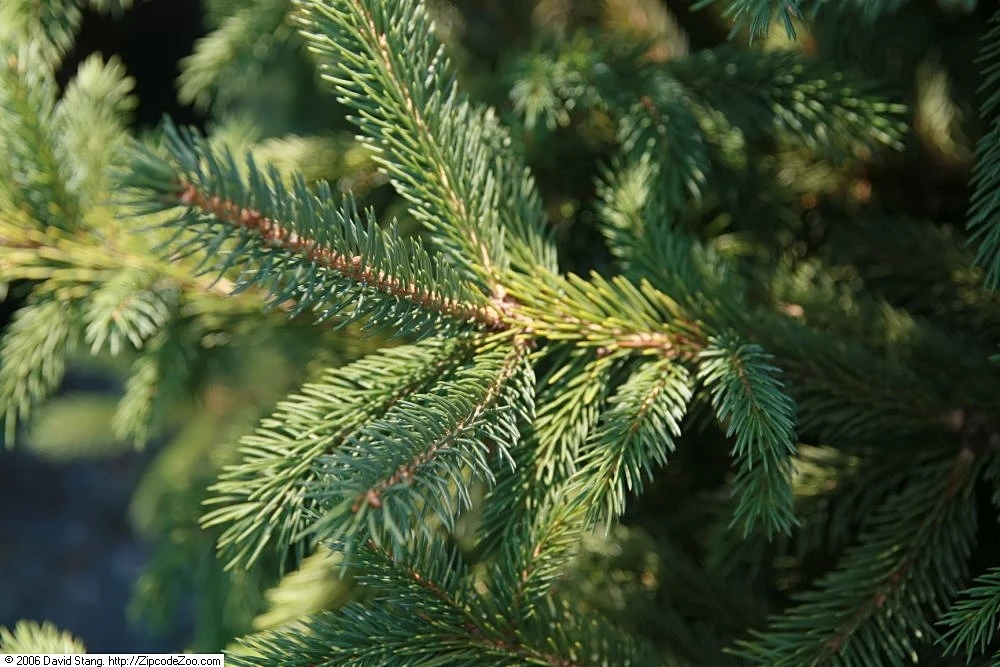
For the best performance, your Picea glauca prefers growing in full sun but can tolerate partial shade. When planting in a spot with more shade, it will grow slowly. We recommend a spot where your tree can receive at least eight hours of morning sun.
Watering Black Hills Spruce
Once your tree’s root system establishes, it will not need a lot of supplemental watering. Saplings need weekly watering if heavy rain is not present. You will need to do this for the first two years. When established and mature, the Black Hills spruce is somewhat drought-tolerant.
Temperature and Humidity

The biggest concern is when you plant your Black Hills in a spot with too much warmth or humidity. The critical thing to remember is that this tree lives high up in the mountains. Hence, it adapts well to cold winters, dry conditions, and cool summers.
So, planting in lower elevations gives the foliage enough room to breathe. Hence, the wind should be able to move through the vegetation to dry the leaves from moisture. The tree grows its best in the hardiness zones 3 to 6.
Furthermore, the Black Hills spruce tree makes for an exceptional winter cover. The seeds provide food for birds and small mammals. In contrast, the scaly bark provides food for porcupines and deer.
Fertilizing Black Hills Spruce

You need not provide your Black Hills spruce with added feed. You can add organic compost to the planting hole when you plant your spruce. If you notice signs of stressed trees, we recommend testing the soil to see if deficiencies are present and add nutrients as needed.
Pruning Your Black Hills Spruce Tree
The only pruning you need to do is to remove dead or broken branches. Alternatively, it would be best to create a path under the lower branches that start drooping to leave a passageway by removing the whole branch from the trunk.
Winter Care for Black Hills Spruce Tree
One thing you will love about this evergreen tree is that it needs minimal winter care. The foliage remains evergreen from spring to winter. You can provide a layer of mulch for your plants to keep the soil moist and protect the new roots from developing.
In addition, you can provide winter cover for young trees to prevent winter injury in the first two years.

How Do You Propagate a Black Hills Spruce Tree?
There are two methods to propagate a Black Hills spruce tree. First, you can use seed or cutting techniques. Still, the seed method can take a bit longer.
Seed Propagation
The first thing to do is buy some seeds or harvest them. Then, you can collect the seeds in mid-fall from the cones.
We recommend picking them when they are young before they ripen. You do this by extracting the seeds from the cones.
Leave the cones to dry, and once they open, the seed spills out.
A great way to help the seeds to germinate is through stratification.
Once the seed germinates, you can plant them outdoors in late fall or early spring.
Propagation Using Cuttings
Take some cuttings in late summer or early fall, choosing healthy shoots to clip as long as your palm.
Then recut the base at an angle and remove the needles on the lower part.
Plant the cutting into some sandy loam soil, and dip the cut end in a rooting hormone optional before planting.
Keep checking the soil moisture and watch for new root development. Care for the cutting until it reaches a size where you can transplant it into the garden. It typically grows at a slow rate.
Black Hills Spruce Varieties
Compared to typical white spruce, only one Black Hills cultivar is sold. But you can also benefit from growing other spruce trees in the landscape. A great option is the Blue Spruce seeds you can buy at an affordable price from us.
It is a colorful blue-green tree and is a unique specimen that needs no stratification when buying seeds. All you need to do is soak the seeds for 24 hours in a cup of water. The best part is that the tree is pet-friendly and needs full sun and partial shade to thrive.
Black Hills Spruce Common Problems
The Black Hills has few problems except when placed in an environment unsuitable for it to grow. For example, the tree does not enjoy growing in a marine or urban setting. Further, you may find an occasional deer enjoying the foliage of the Picea glauca Densata.
You may find aphids, bagworms, and mites, the common pests, but does not do much damage. You can remove the bagworms that are within reach by hand or use Bacillus thuringiensis. In rare circumstances, you can find different rusts on the tree.
A common sign the disease is present is when the foliage starts to turn yellow, and it drops the infected needles.
Whether you want to buy, sell, or simply reach out to other plant enthusiasts, Plantly is the right place to be!