The Black Knight Butterfly bush is a must-have to attract butterflies and hummingbirds to the garden.
The shrub is an excellent addition, and the butterflies 🦋 and birds will enjoy the sweet nectar from the flower clusters.
The butterfly bushes you can grow as a single shrub or use them in a mass planting. The deciduous shrub also received an Award of Garden Merit from the Royal Horticultural Society.
But how do you care for this great shrub to ensure it keeps thriving in cottage gardens to enjoy the gorgeous scented blooms, nearly black flowers, and fall flower color?
Please keep reading to find out, and read our care guide on the Dwarf Butterfly Bush.
Plant Name: Buddleia davidii ‘Black Knight’
Other Name: Summer Lilac’ Black Knight’ or Black Knight Butterfly Bushes
Plant Type: Shrub
Native Areas: China
Light Requirement: Full sun to partial shade
Watering: Average
Fertilizer: Rose fertilizer
Toxicity: Non-toxic
Temperature: Tolerates climates down to -20°F
Propagation: Seeds or cuttings
Growth: 6-8 feet tall and 6-8 feet wide
Soil Type: Light, chalky, sandy soils, tolerates dry soil
USDA Hardiness Zones: 5-9
More About Buddleja Davidii Black Knight

Buddleja davidii is called the butterfly bush, and the Black Knight is a cultivar with nearly black flowers. The parent plant is a deciduous shrub native to China growing on stream banks.
It can reach up to eight feet tall and wide when not killed by cold winter temperatures. It grows with a bushy habit with arching stems and showy, fragrant flower clusters and can grow vigorously.
It is classified as a noxious weed in Hawaii, Oregon, Washington, and California. The Black Knight Butterfly bush forms cone-shaped panicles looking like lilacs in purple with orange-yellow throats.
The sweet nectar attracts butterflies and hummingbirds to the garden. When the blooms are left alone, it develops a two-valved seed capsule that splits open when ripe and is self-seeding. The foliage is a sage green above with white tomentose color beneath.
Another common name for the Black Knight Butterfly Bush is the Summer Lilac Black Knight, with another genus listed as Buddleia.
Butterfly Bush Varieties
As with the Black Knight Butterfly Bush, you can find many other dwarf varieties to grow, as seen here:
Buddleia Buzz

The Buzz series is a favorite in northern gardens, attracting butterflies and hummingbirds. You find them in shades from ivory and hot raspberry to a deep purple midnight color.
Buddleia X Weyeriana’ Bicolor’
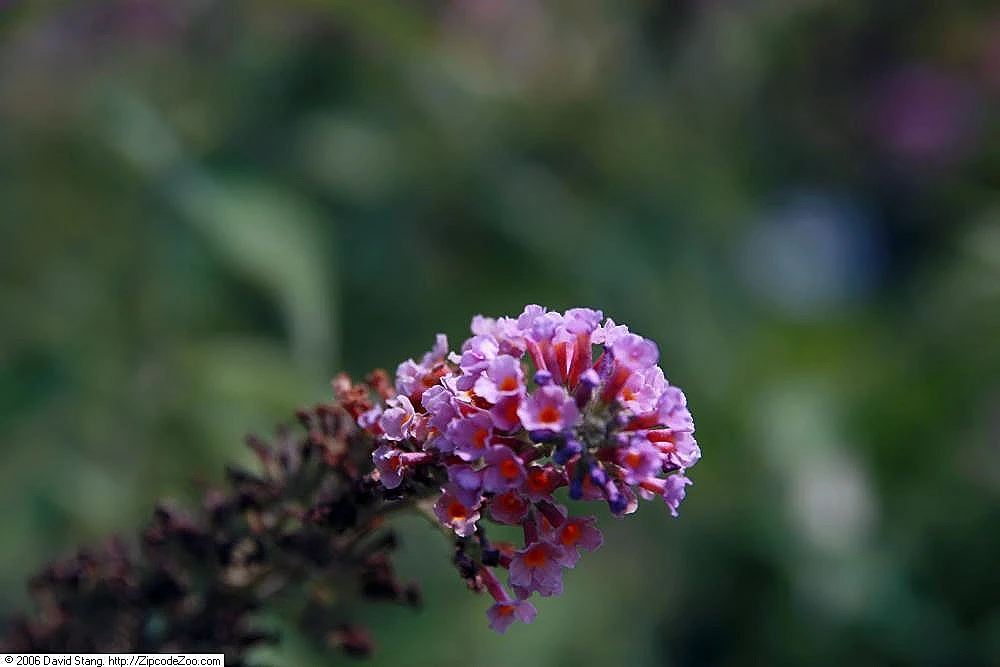
This variety features multiple colors in one flower growing up to eight feet when mature. You see a display of butterscotch yellow to even a radian red raspberry color.
Buddleia X Weyeriana ‘Sungold’

As the mane implies, this shrub has a stunning, fragrant gold flower, making for a beautiful cut flower arrangement.
Proper Planting Time For Black Knight Butterfly Bush
The best time to plant the butterfly bush is when the soil surface warms up after the last frost. Hence, late spring or early summer is the best time for planting. The recommended planting instructions are as follows:
Dig a hole three times wider than the root ball and a little deeper if you use additions like fertilizer, limestone chippings, or compost.
If your soil type is too acidic, the limestone chippings can help amend it and provide good drainage for clay soil.
If you fertilize when planting, you need not feed your butterfly bush for the first two years.
You can apply the feed around the root zone.
Plant your butterfly bush at the same level as in the container you received your plant.
If you need to move your plant, the best time is in late autumn or early winter.
Black Knight Butterfly Bush Care
Now that we have covered the planting instructions, let’s look 👀 at the individual needs of this early spring bloomer. One thing is for sure an avid gardener will find this plant easy to care for.
Sunlight Requirements For The Dark Purple Flowers

Choose a spot in the garden where your Black Knight Butterfly bush can receive eight hours of full sun in the morning. In warm climates with extreme heat, provide your plant with bright sunlight in the morning with afternoon shade.
The Best Soil For Black Knight Butterfly Bushes

As you know, most plants prefer growing in well-drained instead of firm soil. The same applies to the Black Knight, whether grown as potted perennials or in the landscape.
The shrub prefers a neutral to alkaline soil rich in nutrients. It can tolerate alkaline soil pH levels of up to 8.5, but a range between 5.5 to 7.0 is ideal.
It can cope with most types of soil, even chalk, and grows well in coastal areas as it is tolerant to salt. But it does not do well in clay soil.
Watering Buddleja Davidii Black Knight
The Buddleja davidii Black Knight is drought tolerant for short periods. Still, during the first year, it will need more watering.
Container plants need frequent watering as the pots dry out faster. Once established, you will notice your water your plants less depending on the rain ☔ and if grown as potted plants.
Preferably avoid waterlogging as it can result in root rot. Another crucial thing is to water at the plant’s base instead of over those gorgeous dark green leaves to prevent pests and diseases.
Temperature and Humidity For Black Knight Butterfly Bush

As a hybrid, the Black Knight Butterfly bush tolerates cold temperatures and can survive winter.
It may act as a herbaceous perennial in some USDA hardiness zones and die back to the ground in winter.
But with the spreading habit and rapid growth, it is not a problem and still provides fall flowers before winter arrives. These blooms make for exceptional cut flowers 💐.
Fertilizing Buddleja Davidii Black Knight
When planting your Buddleja davidii Black Knight, adding some fertilizer to the soil helps.
We recommend a rose feed as it is high in potassium to encourage new growth and blooms for your flowering plants.
Alternatively, you can use fish, bone, or blood meal with homemade wood ash to provide new growth for your plants. It also helps to produce many blooms on the plant from spring to fall.


Pruning Black Knight Butterfly Bush
The best time to prune your butterfly bush is early spring, as it allows your flowering plant to recover from the first frost and develop more growth and blooms. You can remove the previous year’s flowering stems close to one or two buds on older branches.
Also, remove dead and weak growth. You can also cut your plant smaller in late fall for winter care, as it will regrow in spring. For added winter care, you can mulch around the shrub, as it will keep the roots protected
Also, do deadheading regularly of the spent flower spikes.
Propagating Black Knight Butterfly Bushes
The Black Knight Butterfly Bush is self-seeding; it has become invasive in some regions. But you can find some cultivars bred to be sterile. You can sow the seeds indoors in early spring to plant in late spring or early summer after the first frost passes.
Or you can grow them from cuttings.
Black Knight Butterfly Bush Common Pests and Diseases
Like most plants, the Black Knight Butterfly bush can be bothered by aphids, spider mites, and scale insects. You can use insecticidal soap or neem oil to resolve these issues. Another problem is flower clusters withering.
Aging Butterfly Bushes
The butterfly bush flowers can dry out due to sudden environmental changes as your plant has completed its natural flowering period. If your plant is aging, you can do nothing about it to slow the process down, and best to harvest the seeds or take a cutting.
Brown Spots and Underwatering
Another problem is brown spots appearing as new growth appears, and it does not need any treatment. If the problems become severe, they can be treated by applying organic fungicides. You can dissolve 1/2 a tsp. of baking soda in a teaspoon of liquid soap in a gallon of water in a spray bottle.
Spray the solution on the foliage to coat the top and bottom of the lance-shaped pointed leaves. Lastly, leaves can wilt for different reasons, and the first place to start is to check if you underwatered your plant.
So water your plant slowly if dry allowing the water to seep into the soil to reach the roots gradually.
Whether you want to buy, sell, or simply reach out to other plant enthusiasts, Plantly is the right place to be!