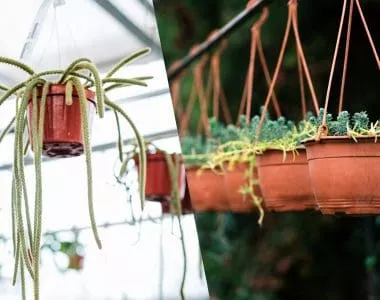
The bay laurel tree is an excellent option for something yummy 😋 to add some spice to your food.
You can grow bay laurel in the garden as potted plants, an evergreen shrub, or an ornamental tree.
Container-grown plants allow you to harvest bay laurel leaves to use in your food, and in the garden, it is an aromatic evergreen tree livening up the landscape with its gorgeous smell.
But is taking care of the bay laurel that easy? Let’s find out!
Plant Name: Laurus nobilis
Other Name: Bay laurel, laurel, laurel tree, bay tree, bay leaf, sweet bay
Plant Type: Shrub or tree
Native Areas: Mediterranean region
Light Requirement: Full sun to partial shade
Watering: Average
Fertilizer: Organic fertilizer
Toxicity: Toxic to pets
Temperature: Warm temperatures
Propagation: Cuttings or seeds
Growth: 10-60 feet tall and 5-20 feet wide
Soil Type: Acidic, neutral, alkaline soil
USDA Hardiness Zones: 8-10
More About The Bay Tree
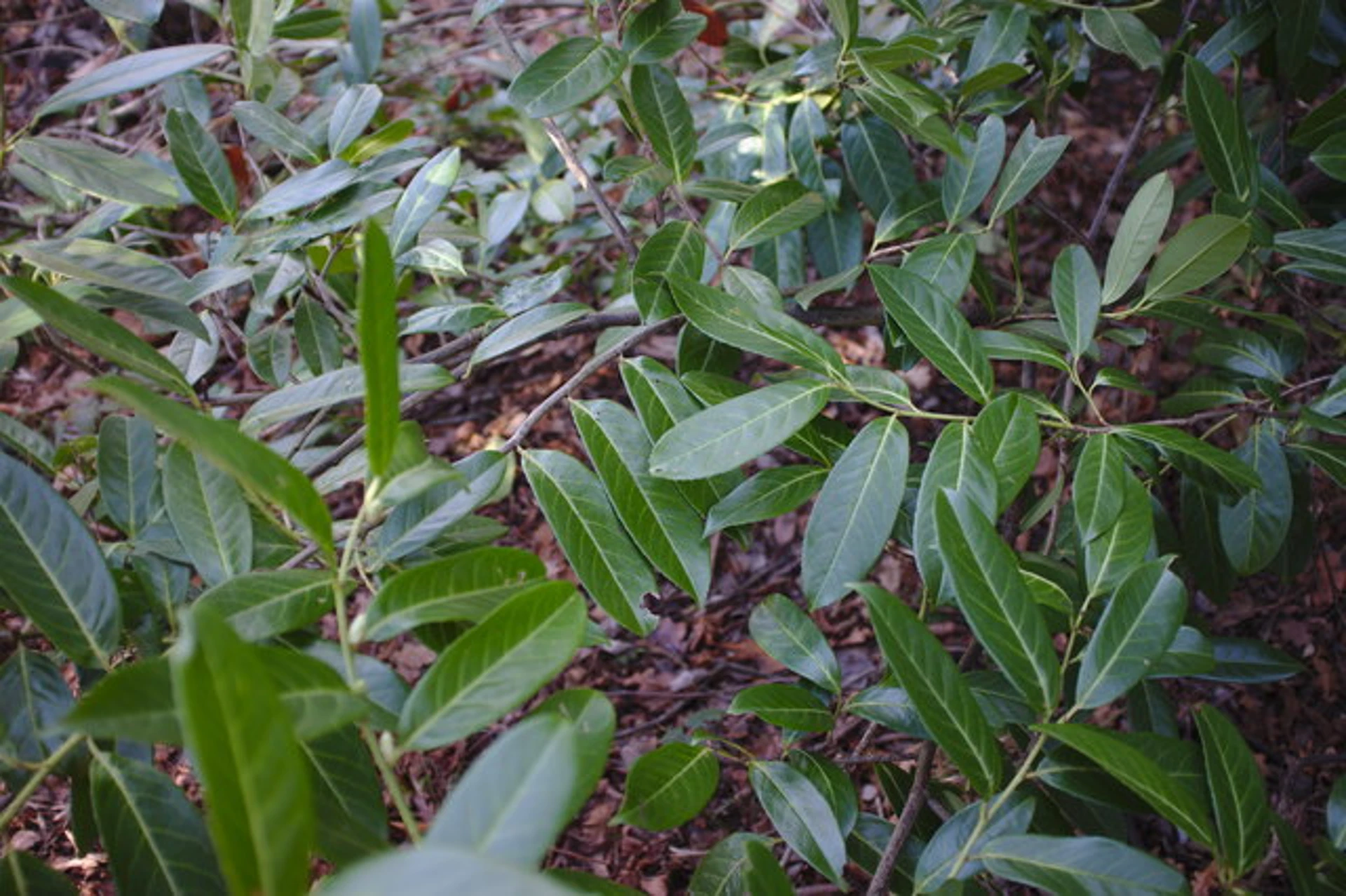
The aromatic bay laurel tree can grow as a shrub and features dark green leaves that are oval-shaped with a leathery texture. It is used in the kitchen as a herb 🌿 for seasoning food.
The Laurus nobilis is native to the Mediterranean and is considered one of the oldest cultivated trees. Some other common names are Grecian laurel, true laurel, and sweet bay laurel.
While these trees can grow to 55 feet in height, they are mostly kept at eight feet tall with trimming. In spring, the bay trees form small yellow flowers followed by purple drupes containing a single seed.
Many gardeners also trim the bay laurel tree into a topiary or train the trunks to grow into spirals or braids. The bay laurel plants also do well as container plants.
The leaves are used to add to a bouquet with cut flowers or used as seasonal laurel wreaths.
✏️ Another helpful tip regarding the bay laurel tree is that the bay leaf bush is the same. But you can find another aromatic plant called the California Bay laurel that falls under the Umbellularia genus, which can be misleading when sold in stores. The reason is that the leaves and taste are the same.
Bay Laurel Plant Care
While bay laurel is not registered as an invasive species, some types have an aggressive root system. You can grow your bay laurel in a shrub form or as a single or multi-stemmed tree. It helps grow bay laurel as a container plant for colder regions.
Thus you can move your bay laurel plant outdoors and indoors as needed.
Best Soil For Laurus Nobilis

You can grow your bay leaves in average garden soil from sandy, clay, and loamy. The important thing is to provide both outdoor and your potted bay tree with well-draining soil. The young to mature bay laurel does well in acidic and alkaline soils.
In contrast, potted plants grow well in commercial potting soil with good drainage.
Lighting Needs For Enjoying Fresh Bay Leaves

Keeping your plant in winter near a sunny window is best for your bay laurel tree growing indoors. We recommend avoiding exposure to heat or drafts in the home.
Growing bay leaf 🍂 outdoors, it prefers growing in part shade but can tolerate full sun in cooler climates.
Some afternoon shade is best in warmer regions with dry and hot air. The bay laurel is a slow-growing tree, and when grown for culinary use, it provides the best flavors in direct sunlight.
Watering Laurus Nobilis
Young plants grow, and develop roots that grow shallow and will need regular watering during dry spells. The Laurus nobilis prefers keeping the roots moist and ensuring the soil drains well. Overly wet soil will lead to root rot, and best to allow the soil to dry between watering.
But never allow the soil to dry out completely as this plant is not drought tolerant.
Temperature and Humidity

Laurus nobilis thrive in the USDA zones 8 to 10. When grown in cooler regions, it is best to bring bay laurels indoors.
The main concern is keeping your bay laurel plant in a damp spot to prevent drying out. If you see leaves dropping, it is best to invest in a humidifier.
Fertilizing Bay Tree

As the Laurus nobilis is a slow-growing plant, it does not need much food grown outside. But for indoor plants, it helps to give supplemental feed. Potted plants give them a balanced organic fertilizer like fish emulsion and kelp in spring.
Also, freshen up the top soil each spring and avoid damaging the roots.
Pruning Bay Laurel Trees
Bay laurels grown in partial shade can reach tremendous heights if not pruned. So, if you want to keep your bay laurels portable, keep them trimmed in a manageable size. Pruning 👨🌾✂️🌳 is best done when your bay laurels are dormant in late winter or early spring.
There is no specific technique to prune your plant as it develops new dense growth.
Propagating Laurus Nobilis
The Laurus nobilis is easy to propagate through softwood cuttings or seeds, but it is a slow process. Here are the steps for both methods.
Stem Cuttings
Take your sterile pruners in early summer and cut six inches off the pliable green branches.
Fill a small pot with some moist, coarse sand and dip the cut end into a rooting hormone.
Plant in the container and cover it with a plastic bag securing it with rubber bands.
Place your container plant in a warm spot to receive bright indirect light or on a heating mat.
New roots will develop in a month or two when tugging lightly on the stem.
Remove the bag and grow your bay laurel until it is large enough to place in a permanent pot or a spot in the garden.


Growing Seeds
Growing young trees from the bay laurel seed is possible but not easy. Therefore, you will need patience as there might also be failures.
The bay laurel is a dioecious plant; only female plants develop flowers to bloom into purple fruits with seeds. Therefore, you will also need to nurse the seed for up to six months before they germinate.
Hence, you will need male and female plants for the seed to develop.
First, soak the seed in water overnight before sowing.
Fill a seed tray with a soilless seed-starter potting soil and spread the seed over the mix about two inches apart. Then press each seed lightly into the mixture.
Place the tray where it can receive at least eight hours of sunlight.
With a water mister, keep the soil moist, and it can take daily tending of up to six months until they germinate and sprout.
After the seeds sprout, you must wait for the first true leaves to develop.
Then transplant them into larger pots when they reach a suitable size for the garden.
Can You Use the Leaves and Flowers
For a traditional bouquet garni, the bay leaf is an essential herb. In addition, you can use dried, frozen, or fresh leaves to season meat, fish, grains, sauces, soups, and roast vegetables.
Dried bay leaf works well in slow-cooked dishes; while fresh and frozen, you can add subtle flavors to fish, pates, croutons, risottos, poaching liquids, and sausages.
You can harvest bay leaf anytime, but the flavor is best mid-summer. The mature leaf has more fragrance and flavor than the new growth.
You can keep the leaves in an air-tight container; the flowers are usually used as a perfume in essential oils.
Bay Laurel Pests and Diseases
The bay laurel is mostly pest-free; the leaves are used to deter pests and are grown as companion plants with other plants in the garden. A problem is the scale as they lay their eggs between the leaves.
If you notice leaves stuck, pull them apart to remove the eggs/larva. Other pests you may find are:
Spider Mites
Mealybugs
You can use a horticultural oil like neem oil or insecticidal soap for both pests. Other concerns are diseases like anthracnose that turn the leaves black or brown. Your plant can also get powdery mildew or Phytophthora root rot.
Other common problem is winter dieback that shows up in spring, and you can prune the stems down, allowing for new growth to develop. Leaf drops can also happen when brought indoors, and cracked or peeling bark can result from rapid changes in moisture levels.
Yellow leaves indicate too much moisture and brown leaves are not enough water.
Whether you want to buy, sell, or simply reach out to other plant enthusiasts, Plantly is the right place to be!