Lettuce is a nutritious and delicious leafy vegetable that is easy to grow and care for. Whether you’re a seasoned gardener or a beginner, growing lettuce can be a rewarding experience in a vegetable garden.
This guide will explain how to grow and care for edible plants, from selecting the suitable variety to harvesting your homegrown lettuce.
With some basic knowledge and effort, you can enjoy fresh, healthy lettuce all season. So let’s get started!
Lettuce Plant Care Guide Table
Scientific Name: Lactuca sativa
Other Name: Salad greens, leaf salad greens, lettuce
Plant Type: Annual vegetable
Native Areas: Asia, the Mediterranean region
Light Requirement: Full sun to partial shade
Watering: Consistent moisture, about 1-2 inches per week
Fertilizer: Water-soluble plant food
Toxicity: Non-toxic
Temperature: 65-75°F/18-24°C
Propagation: Seeds
Soil Type: Well-drained, cool soil rich in organic matter
USDA Hardiness Zones: All zones
Quick Guide to Growing Lettuce
Direct sow in prepared garden beds or containers in well-drained soil
Grows well in full sun to light afternoon shade
Rich soil with pH 6.0-6.8
Keep soil moist, not soaked
Fertilize every 2-3 weeks with balanced fertilizer
Harvest outer leaves as needed or the entire head
Avoid hot temperatures over 80°F
Grow different types for spring, summer, and fall harvest
Lettuce Plant Care
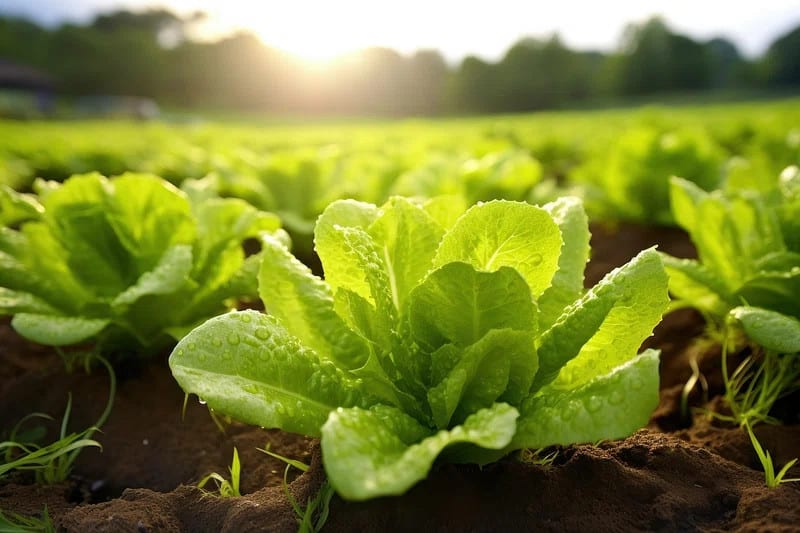
Whether it is crisphead lettuce, romaine lettuce, or any other type, it adds texture and fresh flavor to salads and sandwiches. This fast-growing leafy green comes in wide varieties – head lettuce forms tight heads, while leaf lettuce is a loose-leaf type. Here’s a detailed growing guide:
Soil and Water
To grow healthy lettuce plants, you must choose a site that gets 6-8 hours of full sun and has soil that is well-drained, moist, and rich in organic matter.
Before planting lettuce seeds or seedlings, it’s best to amend the garden beds with aged compost or rotted manure to provide the plant with the necessary nutrients. The ideal pH for the soil is around 6.5, and it’s essential to maintain consistent soil moisture as lettuce has a shallow root system.
Water the lettuce plants whenever the top inch of soil becomes dry, but avoid wetting the foliage to prevent diseases. Drip irrigation is an excellent way to water lettuce, especially in hot weather. Lettuce is a cool-season vegetable that can be planted in early spring or fall, depending on the soil temperature and the spring and fall frost dates.
It’s best to thin seedlings to six to eight inches apart to allow room for the plants to grow. Mulching with wood chips or straw can help suppress weeds and keep the soil cool, especially in warm weather. In colder climates, row covers or cloths can protect the lettuce from freezing temperatures.
Light
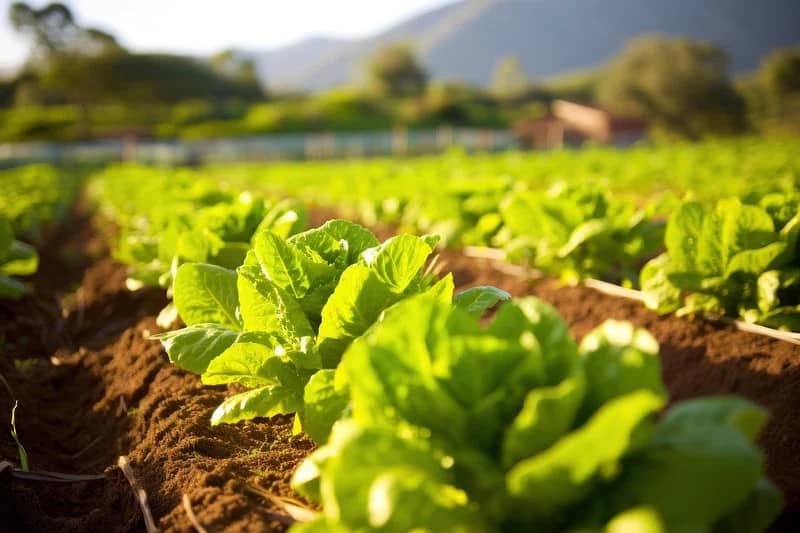
Lettuce grows best in full sun to partial shade.
It’s important to remember that the amount of sun it requires depends on your climate. Direct sun is suitable in milder climates, but if summers get very hot, it’s best to provide afternoon shade.
When temperatures exceed 80°F, shelter your lettuce seedlings and young plants. Later in the season, taller plants can provide light shade and prevent bitterness in maturing lettuce. If you live in an area where sunlight is intense, you can grow lettuce under cloches or shade cloth.
Remember that most varieties need around 6 hours of sun for best growth.
Temperature and Humidity
If you’re planning to grow lettuce, it’s important to remember that the ideal temperature range for its growth is between 60-70°F during the day and no higher than 75°F.
Higher temperatures, especially those above 80°F, can cause bitterness, suppressed head formation, and bolting. On the other hand, cooler nights below 60°F are suitable for lettuce growth. Growing lettuce may require careful timing, shade, and heat-tolerant varieties if you live in a warmer area.

Additionally, it’s best to maintain humidity levels between 40-60%. Following these guidelines ensures lettuce plants thrive and produce healthy, tasty leaves.
Fertilizer
To nourish your lettuce and promote healthy growth, it’s essential to use a balanced, water-soluble fertilizer every 2-3 weeks. Nitrogen is vital for lettuce, so ensure your fertilizer contains this nutrient.
If using a chemical fertilizer, dilute it to half strength before applying to avoid burning the tender foliage. Alternatively, consider using organic options like compost tea, fish emulsion, or worm castings. These options are effective and won’t damage your lettuce.
Nonetheless, be careful not to overfertilize, as this can lead to excess foliage growth at the expense of head formation.
Propagation

To start growing lettuce, it is recommended to sow the seeds directly in the garden beds or start seeds indoors in containers. The pots should be at least 6-8 inches wide to provide enough space for the lettuce seed to grow.
It’s best to sow the seeds 1/4 inch deep in loose soil, ideally 2-3 weeks before planting dates from your zone’s last expected frost date. Hence, it helps to wait till soil temperatures warm up. For a continuous harvest of fresh leaves, making small sowings every two weeks until late spring is recommended.
This ensures a steady supply of fresh lettuce throughout the season. If you’re looking for a quicker harvest, you can grow lettuce as microgreens or baby greens, which can be harvested in as little as 20 days from seeding.
This is an excellent option if you’re short on space or looking for a quick harvest. Whether growing lettuce in the garden or a container, it’s essential to provide loose soil and enough space for the plants to thrive.
Following these steps, you can plant seeds and ensure a successful and abundant crop of fresh lettuce.
Pruning Leaf Type Lettuce
Pruning lettuce is a simple yet effective technique to ensure optimal growth and a continuous harvest of fresh, flavorful leaves. Understanding how to prune your lettuce plants is essential for maintaining overall plant health and maximizing yield. Here’s a step-by-step guide incorporating relevant keywords:
Regularly prune your plants to encourage the development of new, tender leaves. This practice helps maintain the plant’s vitality and prolongs the growing season.
Focus on harvesting the outer leaves first, allowing the inner leaves to grow. Use clean tools to snip the leaves at the base above the soil line.
By selectively pruning outer leaves, you stimulate the plant to redirect energy into producing more foliage. This results in a continuous supply of fresh, succulent leaves for your salads.
Pruning also plays a role in ensuring adequate airflow within the plant. This helps prevent moisture buildup, reducing the risk of diseases that thrive in damp conditions.
For varieties that tend to grow taller, consider pruning the taller plants to maintain a uniform height. This promotes an organized and aesthetically pleasing garden bed.
Begin pruning when the lettuce leaves have reached a size suitable for consumption. Early pruning ensures that the plant dedicates energy to continual leaf production.
Always disinfect garden tools when pruning lettuce to prevent the spread of diseases. This practice is particularly crucial when dealing with potential lettuce pests.
Consider using mulch around lettuce plants in warm climates to maintain soil moisture—additionally, schedule pruning during the day’s more excellent parts to minimize plant stress.
How to Harvest and Store Lettuce

Lettuce is a popular leafy green vegetable that can be harvested differently, depending on the variety and intended use.
You can pick lower mature leaves individually to encourage continuous growth, leaving the younger leaves intact. Cutting the entire head above the weakest leaves for crisper varieties is best. If you prefer baby lettuce, clip the seedlings 1-2 inches above the soil.
Alternatively, you can pull up the entire plant, roots included. To ensure the best flavor and texture, it’s recommended to harvest lettuce in the morning, after the dew has dried but before temperatures rise.
A clean, sharp knife should be used to cut the leaves or heads, and it’s best to do so before the plant flowers and sends up a tall seed stalk, as this can affect the taste and texture of the leaves. Warm weather can accelerate the bolting process, so cold-tolerant varieties are an excellent choice to prolong the harvest.
After harvesting, it’s essential to store the lettuce properly to maintain its freshness. Freshly cut lettuce should be immersed in cold water and stored in the refrigerator for 5-7 days. Freezing lettuce is not recommended, as it can cause the leaves to become wilted and soggy.
How to Grow Lettuce from Seeds
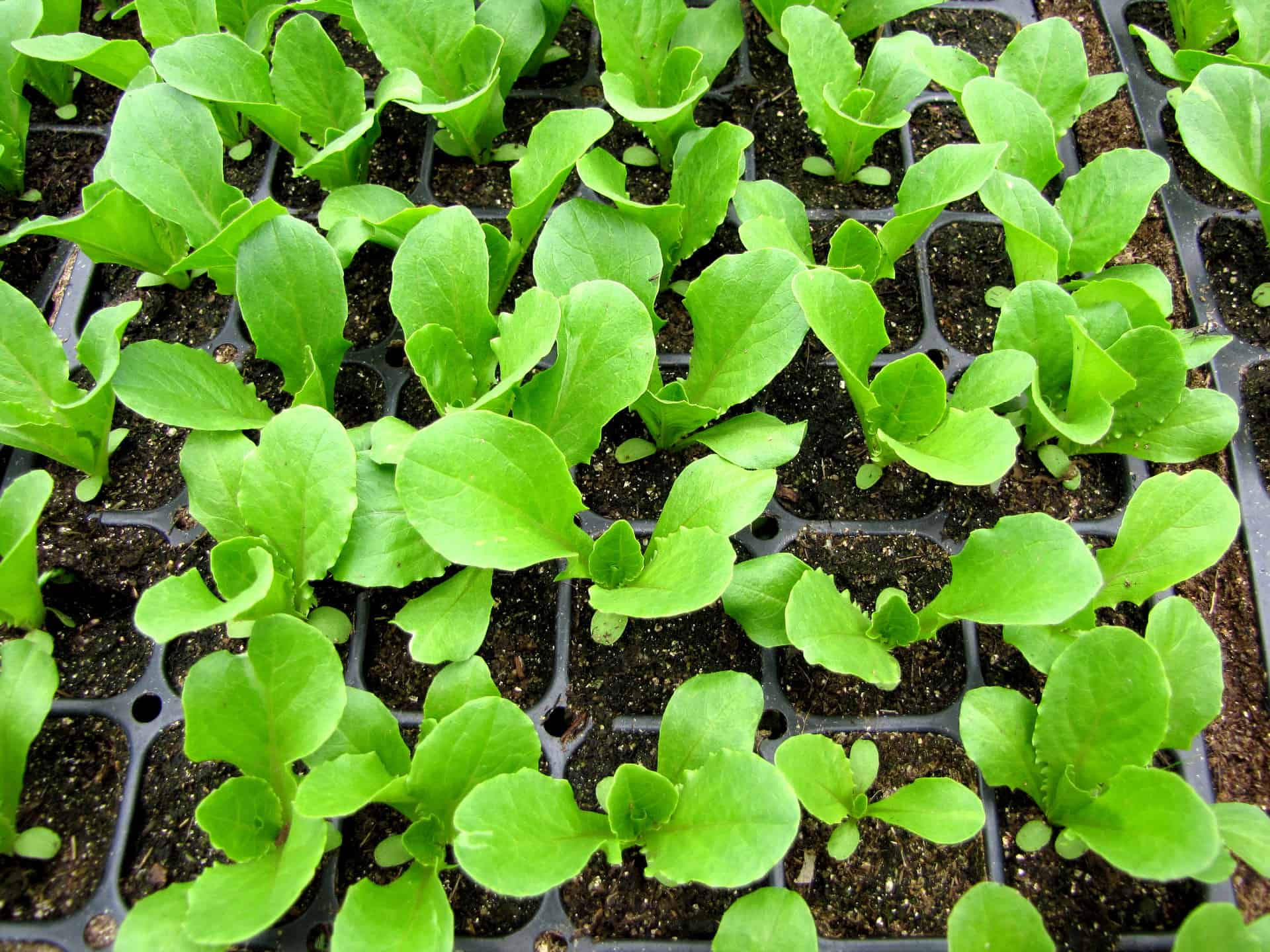
Lettuce can be grown from seeds very quickly:
Start seeds six weeks before your region’s last spring frost date
Sow seeds 1⁄4 inch deep spaced 12 inches apart in rows or wide containers
Seeds germinate optimally around 70°F in 7-10 days
Water soil regularly to keep it moist, not soaked
Thin seedlings 10-12 inches apart
Transplant outdoors after hardening off
Grow different varieties for spring, summer, and fall harvest
Protect young plants with cloches until established
Time plantings in summer for harvesting lettuce in fall
Lettuce Plant Pests and Troubleshooting
Lettuce is prone to pest and disease problems like mammal and insect damage, fungal wilts, and bacterial rot. To prevent issues, use row covers or netting to protect plants from rabbits/deer, apply organic pesticides for insect prevention, and improve soil drainage and air circulation to avoid fungal and bacterial diseases.
Common insects below are also associated with growing lettuce.
Slugs and snails – Remove these manually or use iron phosphate baits
Aphids – Knock off with strong blasts of water or use insecticidal soapPowdery mildew – Provide good air circulation and avoid wetting foliage
Bolting – Remove and discard bolted plants. Time plantings correctly.
Bitterness – Harvest in the coolest part of the morning before warm weather sets in
Other issues:
Poor germination – Old seeds, incorrect soil temperature
Slow growth – Insufficient light, extreme weather, overcrowding Wilting – Under or overwatering, drought, diseases, nutrient deficiency
Rotting plants – Poor drainage, fungi and bacteria, overwatering Holes in leaves – Caterpillars and leaf-eating insects
Whether you want to buy, sell, or reach out to other plant enthusiasts, Plantly is the right place to be!