Have you ever heard of olla irrigation? Not, then you will find the article interesting as all plant roots need water to thrive. One thing is for sure it will keep your thirsty garden watered.
Great, now that you’re curious, what is an olla as it sounds all Mexican, or is it Spanish. Stay a while and Plantly will help you find out about ollas.
What is an Olla?
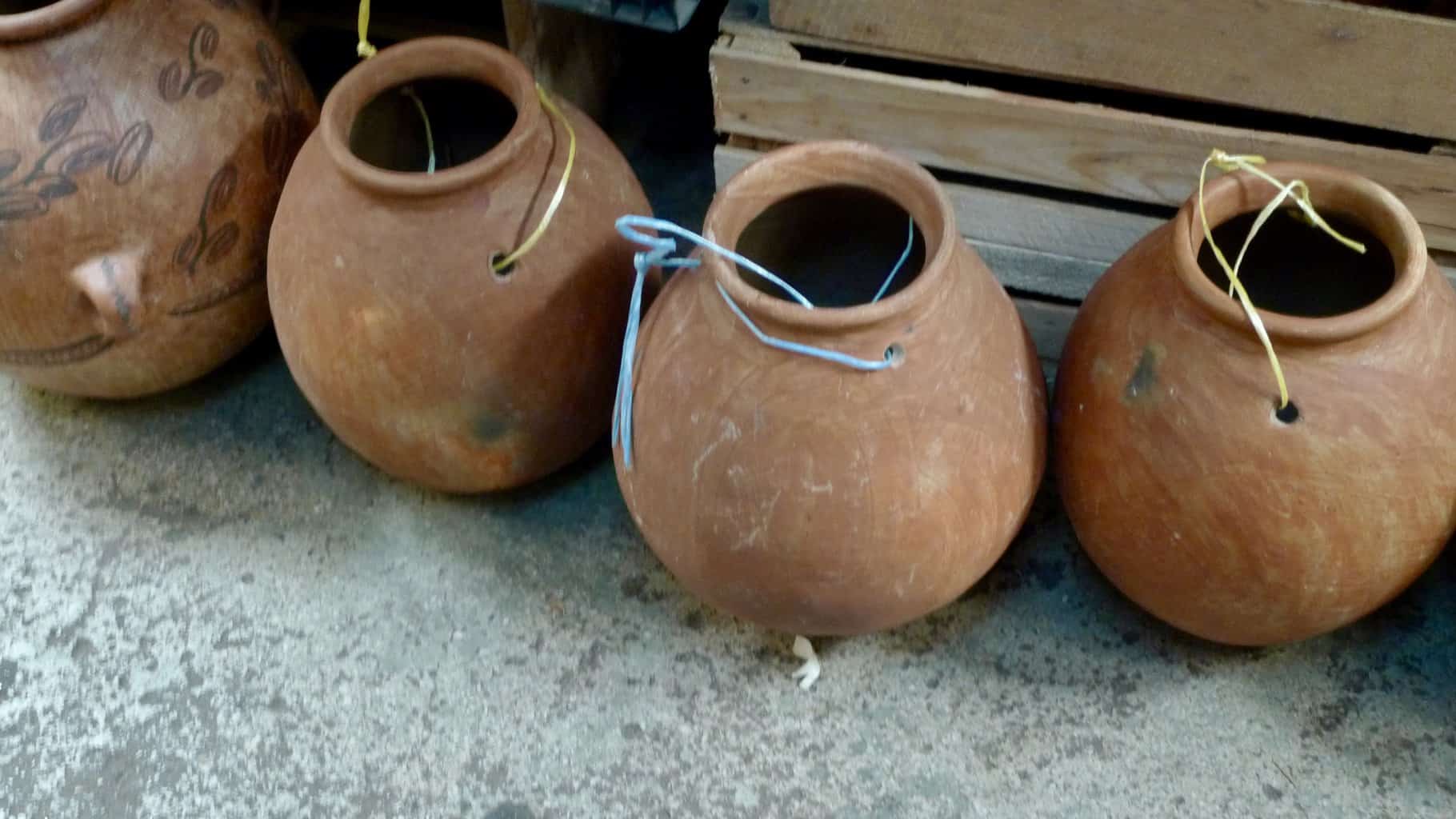
An olla is a clay pot that is unglazed and used in Latin American cooking. Yet, not all these earthenware urns were used in cooking but became popular in the garden for water usage. The irrigation method started in American Southwest and was used by Hispanics and Native Americans.
Olla irrigation is a conservation irrigation system that can save water between 60 to 70% more than regular watering.
As technology progressed in irrigation systems, the olla fell out of fashion. And as things go where today, everything old becomes new again. The fantastic thing is that olla clay pot irrigation is making its way back into the garden.
Why it all comes down to how the clay ceramic vessels work.
How Does The Clay Pot Irrigation Work

Olla is an ancient technique using low-fired clay vessels as an irrigation system for your crops. Another fascinating thing is that olla is enunciated oh-yahs. The clay pots can save water, energy, and time.
Many olla users say using the unglazed clay pots in their veg gardens helps produce lush plants with a higher yield. The reason is that plants watered in this manner do not experience stress cycles due to the water and live/produce longer.

The technique is also inexpensive to help boost your garden output and minimize overwatering, loss of water, and runoff. So, how is your garden watered using this ancient technique?
You bury the clay pot in the ground with the opening visible above the soil.
Then the ollas are filled with water.
As the vessel has a clay structure, it has a porous nature and provides efficient irrigation as the moisture dissipates through the walls into the soil.
Hence, with the tiny pores in the clay, the water will not freely flow out of the vessel. Instead, it creates a suction force through soil moisture tension and the plants’ roots.
It works well in arid regions, as when the soil is dry, the water releases from the inside faster when the roots pull it out.
The same happens with rainfall; the water remains in the olla until the soil dries.
As you can see, it prevents excessive water evaporation and water runoff simultaneously. Furthermore, as the surrounding soil dries, it is better to promote deep watering with dense root growth.
Using an olla in vegetable gardens produces lush tomato plants and plant seedlings. Then, when the growing season ends, you can dig up your dripping springs ollas to see how extremely water-efficient they are.
You will find a dense mat of root formed around it. The best part is as the garden soil remains dry, it also prevents weeds from growing.
What Crops Can Benefit From Dripping Springs Ollas

Using olla watering with plants that have fibrous root systems is best. It works well with melons, tomato plants, watermelons, squash, and chiles. You can also use this relatively inexpensive watering method with shallow root systems.
So, you can use it with your herbs and lettuce. Still, keeping the olla shape in mind would be best as you can find different types available. A large olla will have a round shape with a thinner neck allowing the water to seep below the roots, and surface watering will be needed until your plants establish.

When it comes to grains or legumes, it is not an efficient method as you cannot expense water on a large scale. Or you can use ollas with a drip irrigation system taped to it can help. You can also use it with perennial, outdoor plants like vines, bushes, or trees.
But the woody roots might crack the clay pot, and you may need to fill the jar frequently if it breaks.
Benefits of Using Olla Irrigation Techniques
The olla self-watering pots are great to have as it provides your garden with loads of benefits.
First, it provides water-efficient irrigation that is simple to use.
Olla watering works well for smaller and container gardens as it filters out water to three plants depending on the pot size.
Using it is easy peasy as you leave the top open and refill as needed. Or you can invest in olla with a terracotta lid to prevent mosquito breeding.
Furthermore, the water seeps through to the root system and keeps the surface dry, preventing weeds.
It also helps reduce the amount of water uptake as it only releases the water as needed.
Lastly, it is a great way to water your outdoor or indoor plants on vacation.
Types of Ollas
The fantastic thing is you can buy the olla terracotta pot or make your own olla irrigation system.
Hand Built Clay Pot

All you need is an unglazed terracotta plant pot that is big with plastic plant pot sauces to use as a lid. Then it would be best if you had a cork or mounting putty to close the drainage hole. A terracotta pot works well as it has porous walls.
The best is to choose one that can hold a quart of water.
Or choose one according to your garden size. Next, take a cork or the mounting putty and fill the drainage holes to prevent the water from running out. Now all you do is bury the pot in the soil about 12-inches from where you want to grow your plants.
The neck needs to be above the surface to fill with water, then place the lid on.
Olla Ball Drip Irrigation System
Another option if you have the money is to invest in the olla ball drip irrigation system. You receive a six-pack of olla balls with some tubing attached. It works similar to using the terra cotta pots buried under the soil.
You hook it up to a water line, and gravity feeds water as the plant’s roots need it.
Olla Bottles

These ollas are efficient as they only have a cylinder shape with glazed tops. The glazing at the top prevents evaporation and chipping. It also works well in large containers or sunken in a raised bed.
DIY Soda Bottle Irrigation System

The do-it-yourself plastic bottle irrigator is simple to make. You will need a plastic bottle to make small holes using an ice pick or nail. A two-litre soda bottle works best. Punch small holes about 15 all over the bottom half and bottom of the bottle.
Then place the bottle in an old sock or nylon stocking to prevent roots and soil from blocking the holes. Next, plant it in the container or the garden with the neck and lid above the soil. Now, water the soil around the plant and fill the bottle with water using a funnel.
So you can use the cap to regulate the flow of water. The tighter the cap, the slower the water seeps out of the holes. To increase the water flow, unscrew the lid a bit.



Summary of Ollas
Using ollas is a great way to ensure efficient nutrients and water seeps through the plant roots. The best part is that the soil surface remains dry and keeps your plants watered. These clay pot irrigation techniques work well in raised beds to even planters.
It will prevent excessive water evaporation and promote deep watering, leaving you with more lush plants. Furthermore, it also keeps away unwanted insect populations like mosquitoes and other pests.
Whether you want to buy, sell or simply reach out to other plant enthusiasts, Plantly is the right place to be!