One of the fastest ways to attract hummingbirds to your garden is by planting the hummingbird vine.
Still, it can be confusing as there are two types of hummingbird vines, the Cypress vine and Trumpet creeper, both attracting hummingbirds.
Confusing, right, but no worries, we will discuss the trumpet vine care here today and show you the difference between the two.😄
Plant Name: Campsis radicans
Other Name: Trumpet Creeper or trumpet vine
Plant Type: Woody perennial vine
Native Areas: North America
Light Requirement: Full sun to partial shade
Watering: Average
Fertilizer: No added nutrients are needed
Toxicity: Mildly toxic to humans and pets when ingested
Temperature: Warm and humid regions
Propagation: Not recommended
Growth: 25-40 feet long and 5-10 feet wide
Soil Type: Mildly acidic to alkaline soil
USDA Hardiness Zones: 4-9
What is Hummingbird Vine?
The hummingbird vine refers to two types of flowering vines. First, you have the Campsis radicans, the trumpet vine native to North America. Then you have the Ipomoea quamoclit, the cypress vine native to South America.
The trumpet vine has other names like cow itch vine, trumpet creeper, and foxglove vine. In contrast, the cypress vine is called the cardinal vine and star glory. Both flowering vines bloom from early spring to the fall.
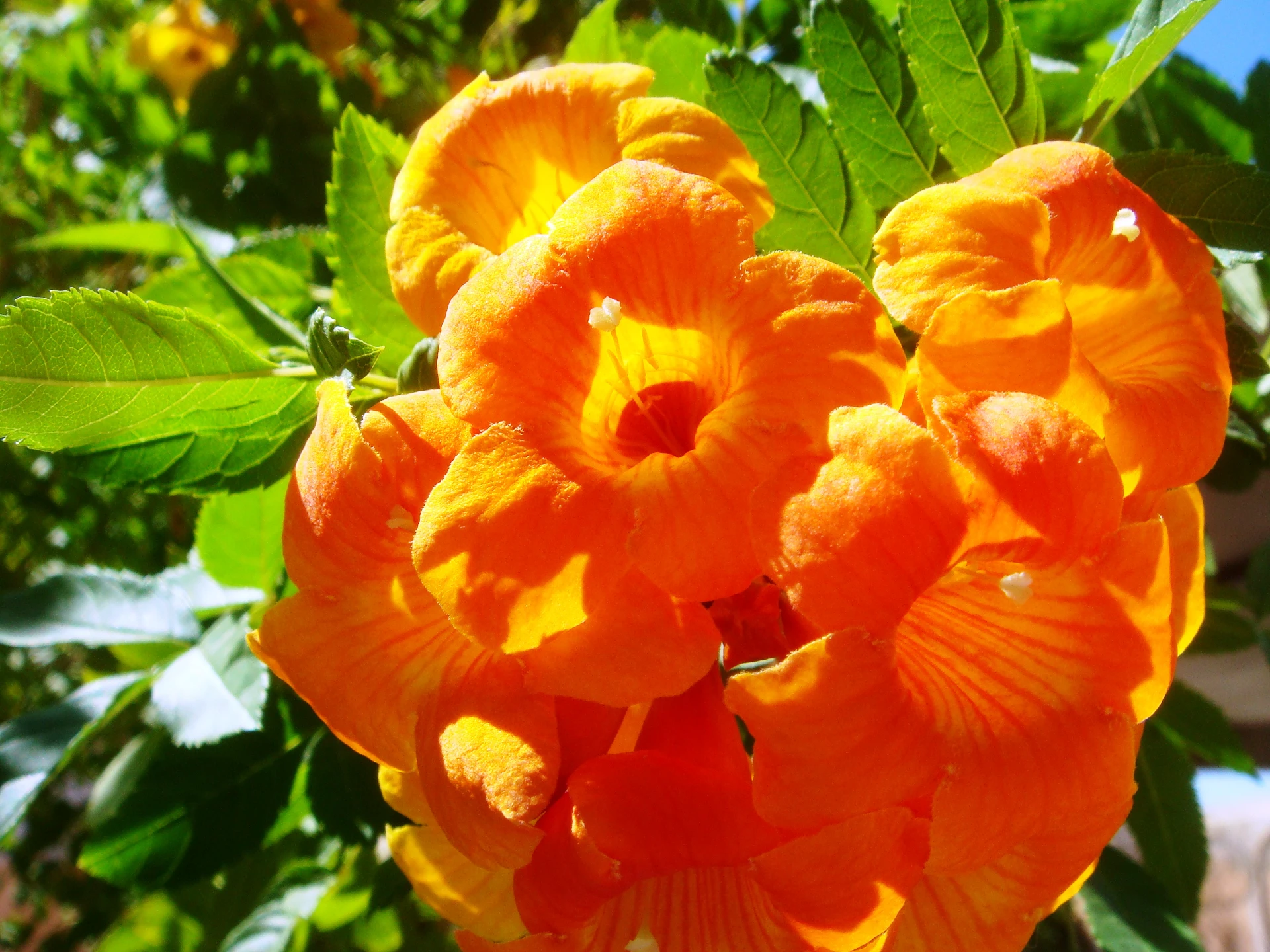
They produce tubular flowers growing between one and three inches in length. The flowering red, yellow, and orange vines attract hummingbirds with long beaks to draw out the nectar.
These vines grow fast but can become invasive as a mature vine reaches 40 feet long. When grown as a ground cover, it can reach ten feet long. Another important thing is that foliage can cause skin irritation when touched.
Where to Plant Trumpet Creeper
The hummingbird vine twines as a climbing vine and needs a support structure. Hence, you can use a trellis or arbor or allow it to grow along a pergola. Also, allow 36 to 60 inches of spacing when planted with other plants.
The hummingbird vine grows best in the USDA hardiness zones 4 to 10.
Hummingbird Vine Care

One thing you will love ❤️ when you grow trumpet vine is the minimal care it needs. Yes, it is a vigorous plant. These invasive species climb with aerial rootlets hence the name clinging vines.
The woody stem can get large and crush a structure, while the underground runners can spring up around the parent plant to choke other plants.
But when you follow these tips, you can control them.
The Best Soil and Water for the Cow Itch Vine
Trumpet vines thrive on neglect and live in poor soils but flourish in organic soil. Planting hummingbird vines in nutrient-rich soil will put out a lot of new growth instead of focusing on beautiful flowers.
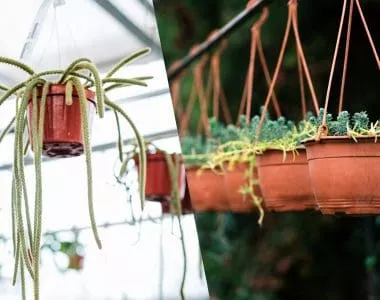
Some people also grow hummingbird vines in containers placed in hanging baskets to control the growth of this aggressive grower. Hence, they can still enjoy the summer-long flowers. Nonetheless, providing your creeping vines with well-drained soil is important.
Lighting Needs For Trumpet Vine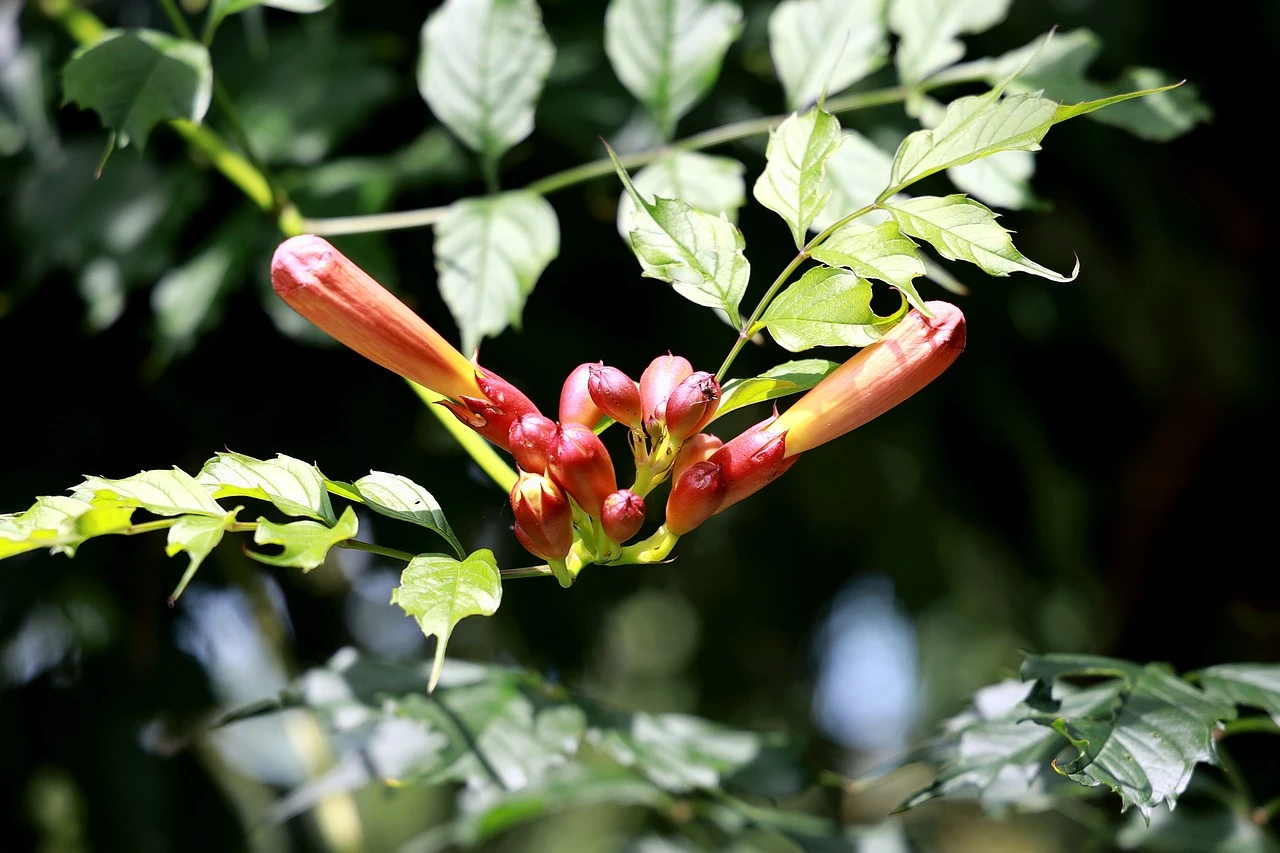
Trumpet vines bloom when they receive enough light and grow best in full sun. It helps the foliage display the green color with abundant flowers. While your plant can grow in partial shade, direct sunlight is best.
Watering Hummingbird Vine
The trumpet vine thrives with a typical rainfall 🌧️ and once mature, it is drought tolerant to some extent. Still, if you notice your hummingbird vine starting to wilt, it is a sign that it needs watering.
Temperature and Humidity
The vine thrives in warm, humid climates in the southeastern United States. Here the plant has rapid growth and is not easily controlled. But you can control the growth in the eastern United States more easily.
Fertilizing Hummingbird Vines
When you think of this climbing plant, the hummingbird called trumpet creeper is similar to the poison ivy. For this reason, it does not need fertilizing as it can grow fast and wild.
Pruning and Potting Trumpet Creeper
A regularly pruned hummingbird vine helps control the growth during the growing season. You can prune in early spring, cutting it down to ground level, leaving a few of the trumpet-shaped flower buds.
Remove the dead leaves to branches regularly to maintain the plant’s health. After the bloom cycle completes, you will see seed pods forming. These seed pods look similar to the Hyacinth bean filled with many seeds.
In early fall, regular pruning and removing of the pods helps prevent self-seeding. Another excellent option to still enjoy the orange flowers is to plant your climber in a container. Choose a container of at least 20 gallons and place it near a trellis or other structure.
When growing outdoors, as with many vines, the potted one also needs regular watering and pruning.
Propagating Hummingbird Vine
While not recommended to do as it is an invasive species, the easiest way to propagate is to cut the suckering runners and replant them.
Hummingbird Vine Similar Plants
The trumpet vine is not the only species luring hummingbirds to the garden. Here are some other species that these birds love.
Cypress Vines
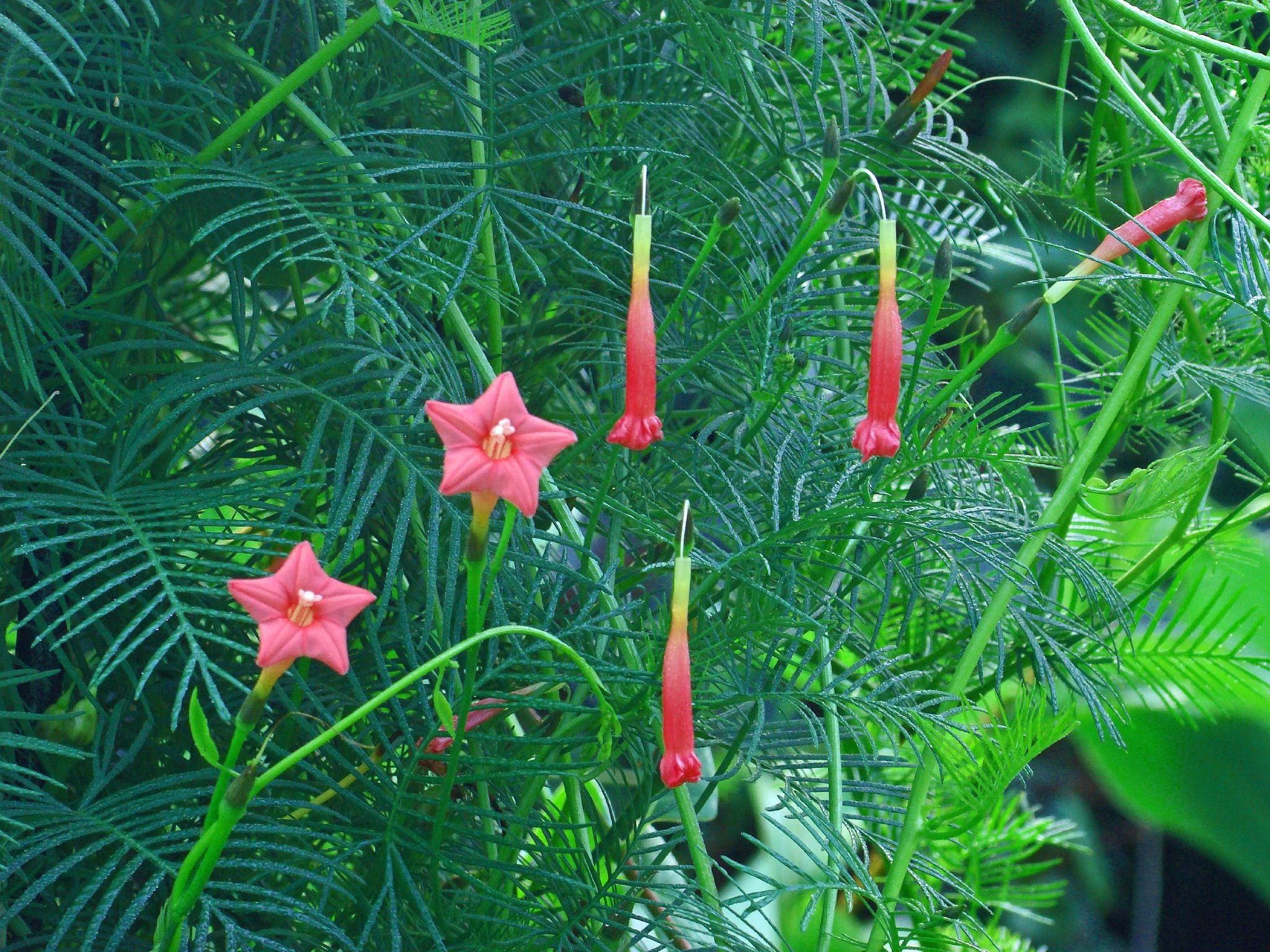
The 🌿 vining species is a great alternative to grow. It is a tropical plant that can grow annually in early spring or summer. Still, you will need to replant them every year using seeds.
Morning Glories

Morning Glories also has trumpet-shaped flowers in pink, white, or blue.
Vinca

The vining cultivar is perennials and is ground-hugging vines with flowers that attract birds. You will find them dying back in winter to regrow in spring.
Hummingbird Vine Common Diseases and Pests
You will not find many pests giving problems with hummingbird vines. Neither will you have a lot of fungus problems. The biggest concern is that it spreads fast, becomes invasive, and is highly flammable.
Whether you want to buy, sell, or simply reach out to other plant enthusiasts, Plantly is the right place to be!