When you think of Pinky Winky, what comes to mind? Well, the Teletubbies and not a plant.
But today, we introduce you to a remarkable flowering shrub, the Pinky Winky hydrangea. And, of course, you can guess where the person who bred this cultivar got his inspiration from 😂.
Today we look closer at the Pinky Winky hydrangeas and how to care for them.
Plant Name: Hydrangea paniculata
Other Name: Pinky Winky Hydrangea
Plant Type: Flowering Shrub
Native Areas: Cultivar from Belgium
Light Requirement: Full sun to partial shade
Watering: Moderate
Fertilizer: Slow-release fertilizer
Toxicity: Toxic to humans and pets
Temperature: Extremely cold-hardy
Propagation: Cuttings
Growth: 4 to 5 feet tall and wide
Soil Type: Not affected by soil pH levels
USDA Hardiness Zones: 3-8
What is a Pinky Winky Hydrangea?
The Pinky Winky hydrangea is a panicle hydrangea, as each branching stem has several flower buds forming. The Pinky Winky flowers are cone-shaped and have a hardy hydrangea that can survive harsh climates.
The Pinky Winky flowers can reach 16 inches in length, and as the name Pinky implies, the blooms are pink, but you can find them with white flowers 💐 as well. Another exciting thing about this panicle hydrangea is that the flowers change throughout the season.
Hence, you get the most beautiful colors against the lime-green foliage. The Pinky Winky hydrangea tree blooms can start white in early spring to turn pink in summer. Sometimes you find them changing to a two-toned flower with white-pink flowers.
The blooms sometimes change to a deep red color at the end of the blooming season. The hydrangea trees can reach up to 10 feet tall but average around 6 feet. Still, it needs a lot of space around it to get the full size.
Hence, you can grow them as a hedge in your garden. When fall arrives, you get dried flowers to leave on the shrub or in dry flower decoration. And as you guessed, the breeder Johan Van Huylenbroeck named it after one of the Teletubbies, Pinky Winky.
Pinky Winky Hydrangea Care
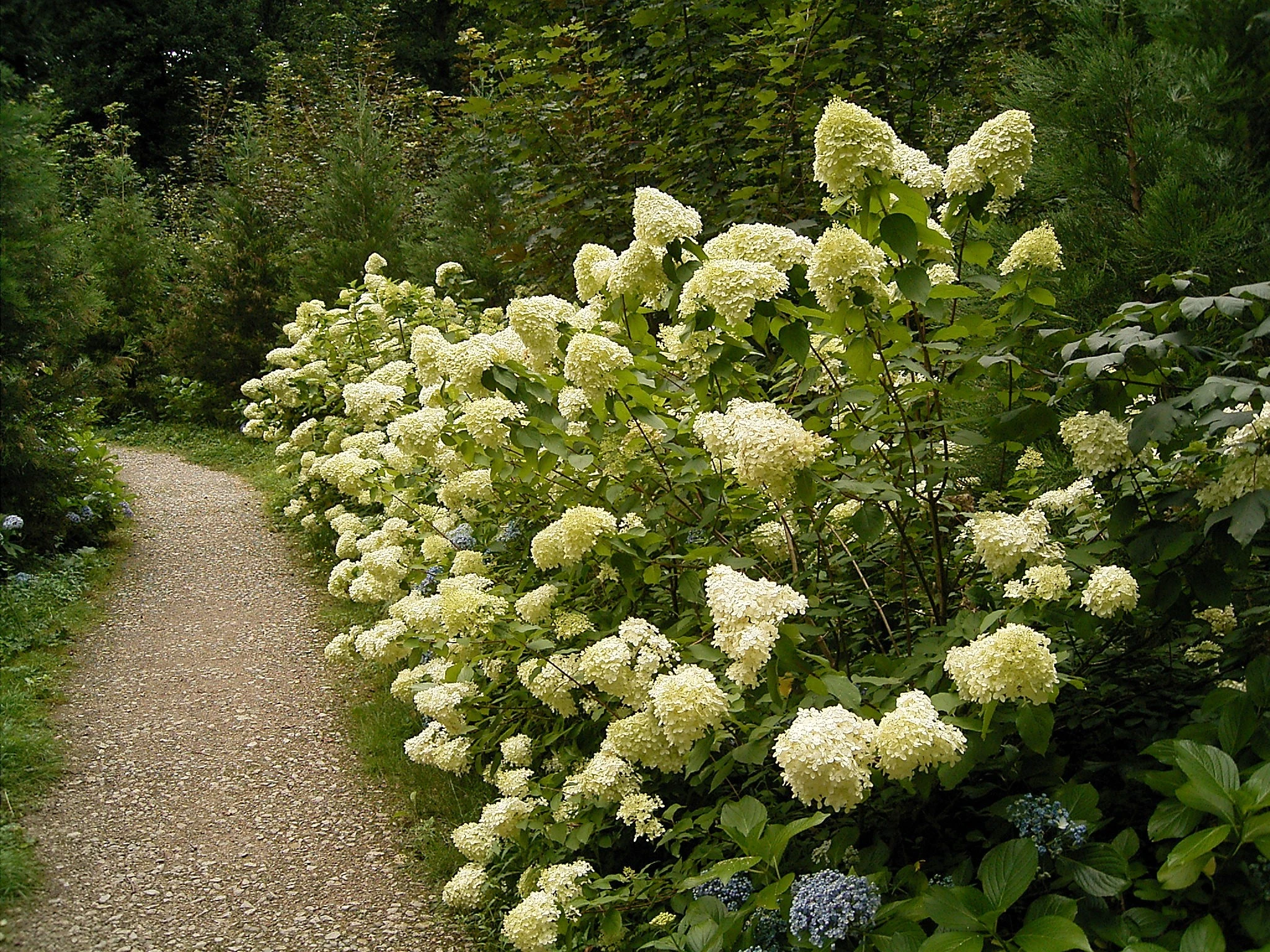
When planting Pinky Winky hydrangeas, please place them in the landscape for all to enjoy. You can grow the Pinky Winky. It can be displayed as an ornamental tree, accent plant, or even displayed in a container in a small space.
Planting Pinky Winky Hydrangea
A fantastic thing is the Pinky Winky survives in different environments. 😊 Still, it will need regular watering for the first year after planting. Yet, once established, Pinky Winky hydrangeas are drought tolerant.
When you plant hydrangeas, provide a Pinky Winky hydrangea spacing of eight feet apart and for growing them as a hedge six feet apart. Also, do not plant hydrangeas too deep in the soil, and dig a hole at the same level as you find the root ball in the current pot.
The best time to plant Pinky Winky hydrangeas is in spring or fall. For spring planting, please do it after the frost, and for fall planting, do it early enough to allow the roost to establish before winter arrives.
Best Soil For Hydrangeas
The Pinky Winky shrub is not affected by the soil pH levels as other hydrangeas. So, it does not matter what the pH level is. Therefore, you need not test the soil to determine the flower head colors outcome.
Luckily, the soil can be alkaline or acidic as the Pinky Winky plant blooms in white to pink or dark red. The important thing ✅ is to provide your Pinky Winky hydrangea with well-drained soil.
Lighting Needs For Hydrangea Paniculata Pinky Winky

The Pinky Winky shrub is flexible regarding sunlight but happy in full sun to partial shade. When growing your Pinky Winky shrubs in hot climates, it is best to provide shade in the afternoon to keep the blooms and dark green foliage looking great.
Watering Hydrangea
In the first growing season, we recommend watering your Hydrangea paniculata often to ensure the soil remains moist. Once your plants are established, you can water less if rain is present. You may find in warmer regions; you will need to water more. The important thing is to provide your plants with well-drained soil.
Temperature and Humidity

It would be best to offer overwintering care as necessary as providing your hydrangea tree with partial sun. When the blooms with their spicy scent die back from the main flower stem, you need to deadhead them.
Doing this encourages more energy on the root system to prepare it for winter dormancy. Then, the foliage will fall off, and you can clean it up to throw it away or place it in your compost heat. We recommend you much the root zone to protect them from the cold.
Concerning humidity, it helps to prune them to provide enough air circulation to move through and will also help with flower production.
Fertilizer for Pinky Winky Hydrangea

The best fertilizer for your Pinky Winky showy florets is a slow-release one that is acidic and alkaline to release the nutrients with time. Also, do not give your hydrangea tree too much nitrogen, and best avoided in late winter as it will encourage new growth.
Pruning Hydrangea Pinky Winky
Pinky Winky hydrangeas you can grow as a shrub or a tree. While these plants do not need pruning, you can trim them to keep them looking tidy. The best time for pruning Pinky Winky hydrangeas is in early spring.
The reason is that these hydrangeas bloom on new wood, and you can remove the brown twigs when they reach too high. For pruning your Pinky Winky, the steps are simple:
First, remove any dead stems, dying or damaged branches.
Then find the edge of the branch at the tip of the flowers.
Then follow the branch down to see where the first buds form.
Now cut above those buds using your pruners.
Propagating Pinky Winky Hydrangea Tree
The best way to propagate your Pinky Winky hydrangea tree is through softwood cuttings done as follows:
Sanitize your pruners with rubbing alcohol to prevent fungal diseases on your new plant.
Cut two inches below a leaf node on a healthy branch on a mature hydrangea tree in early spring. There should be no hydrangea blooms present. Also, avoid older wood; the cuttings should be about eight inches long.
Remove the bottom leaves and leave the top leaves in place.
Next, dip the cut end into a rooting hormone, which is optional.
Prepare a pot with a seed starting potting mix and moisten well. Then plant the cutting and wet it again.
Place a clear plastic bag over the cutting and place it in bright indirect light over the container but keep it out of direct sunlight.
Monitor the soil and moisten it when it dries, and once you see new growth, remove the plastic bag. Keep caring for your plant until it grows bigger to transplant into the garden.
Hydrangea Varieties
There are several hydrangea species you can find to grow with gorgeous blooms. Some flowers look like vanilla strawberries 🍓 with bright green leaves. Then you have others with creamy white flower heads. Here are some popular hydrangeas to grow:
Big Leaf Hydrangea

These hydrangea varieties can grow up to ten feet tall with pink, blue, and white flowers. Sometimes you find them growing with pink and white blooms on one shrub.
Smooth Hydrangea

These varieties reach five feet tall and have mostly white blooms.
Oakleaf Hydrangea

The oakleaf can reach eight feet tall and also displays white blooms.
Pinky Winky Hydrangea Common Diseases and Pests
Pinky Winky hydrangea can become bothered by pests. Some common bugs you can find on your Pinky Winky are as follow:
Aphids
Spider Mites
Slugs
Japanese Beetles
With the right tools on hand, using soapy water on the leaves and stems can help. Or you can use an organic insecticide or horticulture oil like neem oil spray. Pinky Winky hydrangea can also get sick 🤢 with diseases:
Bud Blight
Leaf Spot
Bacterial Wilt
Most diseases result from overwatering, little ventilation, or too much shade. It helps to decrease the watering and increase air circulation around the plant. Or you can use an organic fungicide to treat affected areas.
Whether you want to buy, sell, or simply reach out to other plant enthusiasts, Plantly is the right place to be!