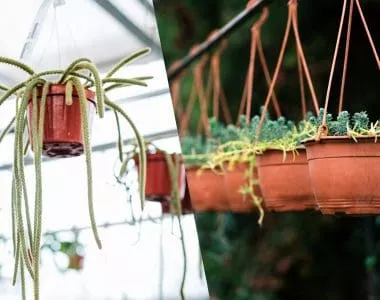

Draping like nature’s delicate lace, Irish moss plants have an enchanting knack for infusing a whisper of sophistication into your outdoor haven. These unassuming green gems possess a remarkable versatility that can transform any ordinary landscape into an ethereal masterpiece.
Embarking on a journey to cultivate Irish moss is like discovering the secret to fulfilling a myriad of garden dreams. And fear not, for the art of nurturing these resilient beauties is as uncomplicated as it is rewarding.
As we dive into the enchanting realm of Irish moss, you’ll unearth how this humble plant weaves its emerald magic, casting a final stroke of elegance upon every corner of your garden and beyond.
So, dear green-thumbed wanderer, keep your curiosity alight as we unveil the enchanting care and cultivation secrets of Irish moss, a verdant treasure destined to grace your garden’s story.
Irish Moss Overview
PLANT NAME: Sagina subulata
Other Name: Irish moss plant; heath pearlwort
Plant Type: Herbaceous, perennial
Native Areas: Western and Central Europe
Light Requirement: Full sun, partial shade
Watering: Twice a week
Fertilizer: Slow-release fertilizer; 5-5-5
Toxicity: No known level of toxicity
Temperature: 30 °F to 80 °F.
Propagation: Seed or division
Growth: 1-2 in. tall, 9-12 in. wide
Soil Type: Rich and fertile
USDA Hardiness Zones: USDA Growth Zone 4-8
How to Grow Irish Moss From Seed
In early spring, the best approach for sowing Irish moss involves starting indoors to safeguard against bird interference. Begin by using seed flats, and gently pressing the seeds into the soil without covering them.
Keep the soil consistently moist and maintain a temperature range of 55-60°F.
Once the seedlings have developed, gradually harden them off and transplant them outdoors after the last spring frost. Once established, Irish moss tends to self-seed naturally, and if desired, you can propagate it using the same method as needed for expanding your garden coverage.
Ensure proper lighting and watering throughout the growing season.
Irish Moss Care

Imagine Irish moss as your garden’s elegant carpet, lending a touch of English garden allure. It’s the ideal solution when you crave lush, carpet-like coverage, whether it’s gracing a rock garden or transforming a tricky-to-grow grassless lawn.
But, like a finicky houseplant, it has its preferences. Irish moss shies away from deep shade and soggy conditions, preferring a sunny or partially shady spot without the scorching sun. However, in its favored habitat, it thrives, painting your garden with vibrant, velvety hues.
When you’re ready to bring this enchanting ground cover into your world, think spring—just after your local frost date. In roughly two to three weeks, those tiny seeds will burst to life, forming a lush, colorful tapestry for your outdoor space.
Soil Requirements

Irish moss, the soil enthusiast, truly savors the good stuff – rich and fertile soil is its gourmet choice. However, it’s a plant that can roll with the punches, happily adapting from loamy, chalky, and even sandy soil– as long as they’re nutrient-packed.
If you find yourself in the realm of scorching hot summers or less-than-fertile soil, fret not. Just toss in some organic matter as a life preserver for your mossy friend.
But beware of the soggy feet! Irish moss isn’t the aquaphile of the plant world, so make sure to pick a plot that’s not prone to waterlogging, or to put it simply, avoid excessive water. After all, nobody wants their moss to turn into a swamp creature!
Watering Needs
With water, balance is of great priority. Too much or too little, and you might end up with unsightly brown patches marring your mossy masterpiece.
Picture this: your moss wants its soil to feel like a cozy, damp blanket— evenly moist but not waterlogged. To achieve this, equip yourself with a gentle soaker hose set to a soothing rainfall mode.
Here’s the catch: Irish moss doesn’t sport a drought-tolerant cape, so you’ll need to play the consistent caregiver, giving it a good drink every few days, especially when the sun cranks up the heat. Hence, be mindful of insufficient or excessive water, to avoid the occurrence of root rot.
Your moss will thank you with its vibrant, evergreen beauty!
Ideal Lighting

Imagine Irish moss as your garden’s sunbather, craving the spotlight but also enjoying a bit of shade. For the ultimate showstopper, place it in full sun or gentle partial shade.
Now, if you reside in a scorching-hot zone, here’s a clever trick: Find a spot where your moss can enjoy a bit of afternoon shade – think of it as a siesta for your green friend. However, be cautious not to overindulge in shade, for too much of it can turn your moss into a lanky, less charming version of itself, losing that tight, compact allure and leaving you with less-than-ideal mounds.
Balance, as always, is the key to a happy mossy life!
Fertilizer Need

Each spring, treat your Irish moss to a slow-release fertilizer to maintain its dapper 1 to 2-inch stature. Go for a well-rounded 5-5-5 NPK fertilizer, or consider a slightly less nitrogen-packed option.
Now, here’s the Moss Wisdom: Too much nitrogen, courtesy of over-fertilization, can turn your moss into a rebellious artist, crafting an irregular growth pattern that’s more rollercoaster than a manicured masterpiece.
So, go easy on the nitrogen, and let your moss stay low and compact for that charming garden aesthetic!
Temperature and Humidity

Irish moss is a resilient buddy, thriving comfortably in USDA Zones 4 to 8. However, it might throw a mossy tantrum if placed in scorching, parched summer locales. Ideally, you can grow your Irish moss outdoors with temperatures ranging from 30 °F to 80 °F.
So, if you reside in a Zone beyond its cozy range and crave a taste of Irish moss magic, consider a clever container move. This way, you can whisk it to the shade whenever the moss needs a break from the sun’s fiery embrace.
Potting and Repotting Irish Moss
While Irish moss is commonly known as a ground-hugger, it’s got a flair for container life too. To showcase its natural charm, opt for a wide, shallow pot.
Fill this vessel with potting mix, and maintain a moist environment for your mossy mate. Here’s a nifty tip: Choose a terracotta or clay pot. These moisture-whisperers whisk away excess water, preventing soggy moss mishaps.
If you opted to grow your Irish moss as a ground cover, you don’t have to worry as they can tolerate light foot traffic.
Pro tip: Every three years or when your moss outgrows its cozy home, it’s time to plan a mossy move!
Pruning your Sagina subulata
Pruning Irish moss is a simple process to maintain its lush appearance and prevent it from getting too dense, especially if you’re aiming for that fine-textured carpet.
Do this in early spring or late winter before it begins to grow actively. Use sharp scissors or shears to trim the top layer, removing any dead or damaged parts, and lightly shear the entire surface for a neat look. If your moss is overcrowded, thin it out gently.
Water after pruning to aid recovery. Regular maintenance will keep your Irish moss healthy and vibrant, making it a charming ground cover.
Propagating Irish Moss
Looking for ways of growing Irish moss so it can continuously prosper within your garden? To propagate Irish moss, divide it in early spring for optimal growth. The division also helps revitalize and thin out moss patches that may have turned brown or struggled.
Begin by using a shovel to lift the entire clump, then carefully separate it into smaller sections, making sure each section retains its roots. Replant these sections at the same depth in a new location, trim any excess growth, thoroughly water them, and maintain consistent soil moisture until new growth emerges.




Growth Zone
Irish moss likes the climate in regions falling within USDA Hardiness Zones 4 to 8. This means it can endure a range of climates and temperature extremes found in these zones.
Overwintering
To overwinter iris moss (Selaginella kraussiana), ensure it thrives by maintaining a consistently cool but frost-free environment, ideally with temperatures between 50°F to 70°F (10°C to 21°C). If you’re growing it outdoors and frost is a concern, consider bringing it indoors in a pot or terrarium before the cold weather sets in.
Irish moss grows well with regular watering with evenly moist soil and sufficient light. With proper care, iris moss can thrive throughout the winter and continue to add its unique charm to your garden or indoor space.
Iris Moss Common Pests
Common pests that can affect iris moss include aphids, mealybugs, and spider mites, which can feed on its green foliage. To prevent and manage these pests, regularly inspect your plants for any signs of infestation, such as discolored or distorted foliage.
Slugs may also find your Irish moss appealing. To treat this issue, you can look into an organic slug bait, which can be applied annually to eradicate your pest issue. You can also use insecticidal soap or neem oil spray as a more targeted treatment, but be sure to follow the product’s instructions carefully.
Maintaining proper humidity levels and avoiding excess moisture surrounding the plants can also help deter pests. It is also imperative to keep your Irish moss disease-free by using sterile gardening equipment.
Whether you want to buy, sell, or simply reach out to other plant enthusiasts, Plantly is the right place to be!