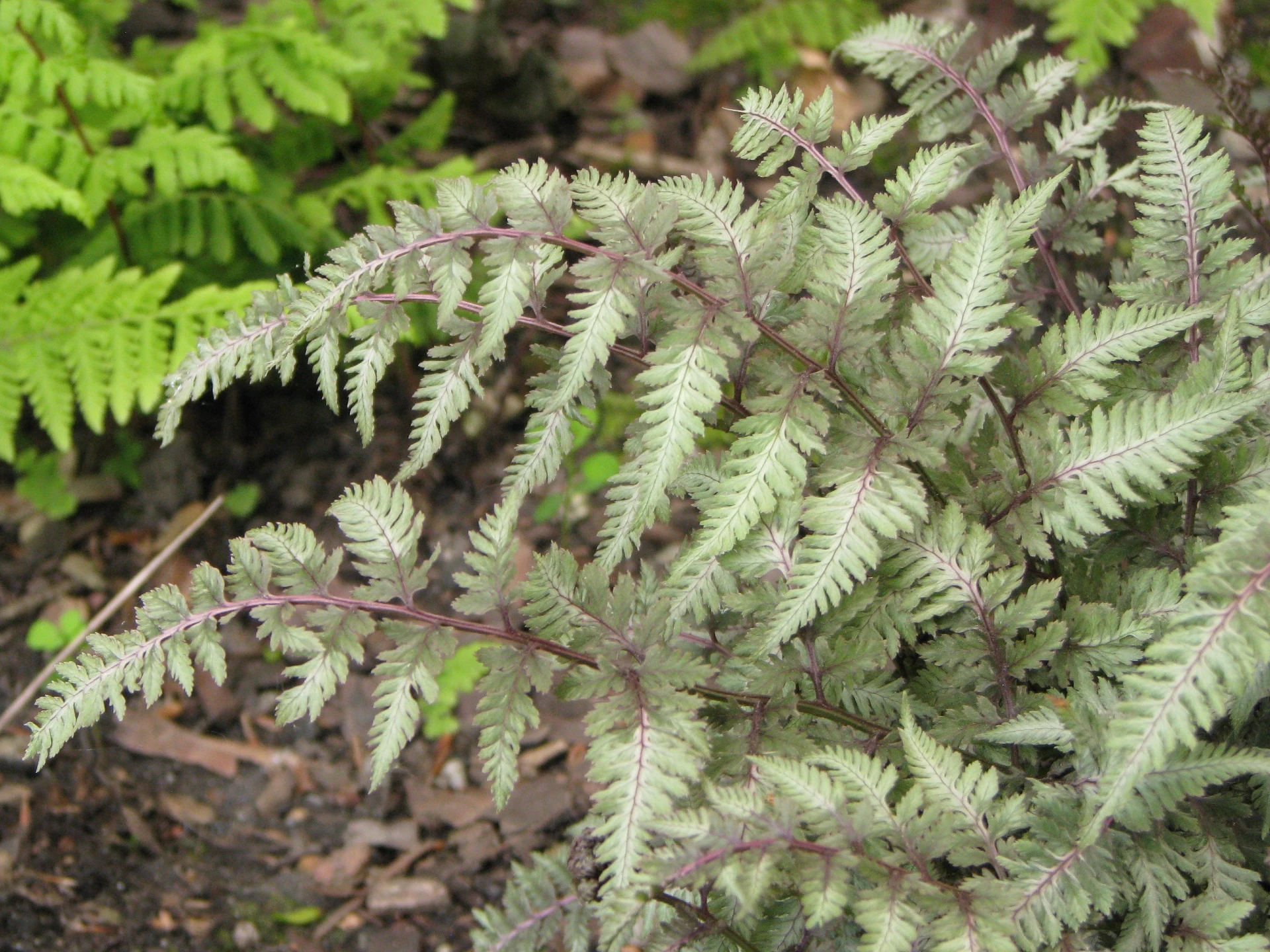
A popular fern 🌿 and distinctive one known for being on the temperamental side is the Japanese-painted fern. Still, it is an unusual fern, and you find them in different cultivars, each with a unique beauty.
The variety has won many awards, including the Award Garden Merit and Perennial of the Year. The Japanese Painted ferns belong in a shade garden to woodland gardens with their deep burgundy stems and thrive with other shade-loving plants.
It makes for a perfect garden accent, with the silvery fronds looking fabulous in the landscape. But why am I saying it has a temperamental habit? Some growers report that the fern has no reliable color or growth, while others reported great success growing Japanese Painted ferns. 😁
So, today Plantly will help you with the Japanese Painted fern care to ensure you are doing everything right to keep your perennial plant alive.

More About Athyrium Niponicum

Japanese Painted ferns are deciduous and will die in late fall to return in spring. The plant forms a small clump and has a low-hanging form with spread-out fronds lying horizontally instead of erect, as with other plants.
For gardeners looking for low-maintenance plants, the Japanese Painted fern does have rhizomes spreading through the soil but does it at a slow-growing pace. Thus you give your garden a woodland twist by growing the fern as a hedge, as it is manageable.
The Painted Lady Fern reaches up to two feet tall and wide, making it ideal for the landscape to control or grow in containers. When planting your ferns, consider the hardiness zones, as these perennials survive outdoors in zones 5-8.
Types of Japanese Painted Ferns
You can find different Japanese Painted ferns to grow in your garden. Here are some of our favorites, but before you check them out, check out this fern assortment in our shop!
As the name states, ” Wildwood Twist “ grows with a twisted appearance with silvery-gray foliage.
Burgundy Lace has deep burgundy stems repeated on the fronds making it an ideal painted fern for growing in pots.
Pictum has red to silver colors in the fronds and thrives in indirect dappled light.
Japanese Painted Fern Care
Japanese Painted ferns, according to many gardeners, are easy to grow. When you plant Japanese Painted ferns, they thrive in different soil conditions in deep to partial shade. Still, it would be best if you protected the delicate fronds from the hot afternoon sun to prevent them from burning.
Also, before planting them amend the soil for them to thrive. Then care for them with the following tips to enjoy the burgundy lace foliage that changes color to silvery fronds. One thing is for sure those shredded leaves will become a highlight in your garden or the patio growing in a container.
Japanese Painted Ferns Lighting Needs
Plant Japanese Painted fern in a spot where it can receive some morning sun but be protected from too much sun in the afternoon.
These plants can stand in shady areas in a shade garden. You can even place a pot with your plant in a shady corner on the patio. If you live in hot climates, provide your Japanese Painted fern with partial to full shade.
Still, keep checking that your Japanese Painted ferns do not develop stunted growth from not receiving enough sun.
Recommended Soil When Growing Japanese Painted Ferns

An important requirement is well-drained soil for your Japanese Painted ferns. If your plant does not have good drainage, it will become the home of fungal diseases leading to root rot. Another thing with these ferns is that they prefer slightly acidic soil.
Watering Japanese Painted Ferns

Japanese Painted ferns live in evenly moist soil conditions but not soggy soil. When you notice browning on the fronds, it happens from heat. So, the best is to do a finger 👇 test to see if you feel dry soil before watering. But remember to provide them with evenly moist, well-draining soil.
Painted Lady Fern Temperature and Humidity
Your fern grows its best in moderate temperatures between 55°F to 80°F. It also prefers a moderate humidity level of 40% to 60%.
Fertilizing Japanese Painted Fern

If you work in organic matter into the soil, you need not feed your Japanese Painted fern. You can feed them manure tea, but additional fertilizer is not needed. If you decide to use a commercial one, we recommend using a slow-release feed.
Pruning Japanese Painted Fern Plants
You need not prune your ferns, but you can trim the diseases or dead fronds during the growing season in spring to summer.
Overwintering Japanese Painted Fern Plants
Your ferns are deciduous and will die back during winter dormancy and normal. The fern will grow back in early spring with its beautiful color.


Propagating Japanese Painted Fern
The best way to propagate Japanese Painted fern plants is through division instead of seed.
Start by isolating a distinct clump from the drift of spreading clusters to replant.
If you cannot separate them easily, look at a larger specimen to lift out.
Untangle the rhizomes, divide them into four sections, and ensure enough roots are attached to the fronds.
Please replant them immediately and water them well by keeping them consistently moist for a few weeks to become established. Ensure that you replant them in partial shade.
Common Pests and Plant Diseases
Luckily 🍀 the fern is not bothered by many pests, but deer and rabbits enjoy nibbling on them. Other pests are slugs and snails that enjoy the fronds.
You can remove them with your hands and treat the fronds with neem oil. The other concern is the rotting of the root ball from standing in too much water.
One common problem is when you grow your Japanese Painted fern plants in part shade, they can lose their color when summer arrives.
Thus the silver hue turns green or can brown up and die over time. You can remove dead or diseased fronds at any time.
Removing the damaged front allows for new fronds to grow and take their place.
Whether you want to buy, sell, or simply reach out to other plant enthusiasts, Plantly is the right place to be!