The macho fern plant can easily be grown outdoors and inside the home. So, if you are a beginner plant parent, starting with your macho fern indoors is a great option. These tropical plants will brighten up a living area with some color. 😊
Plant Name: Nephrolepis biserrata
Other Name: Macho Fern and broad sword fern
Plant Type: Perennial
Native Areas: North America
Light Requirement: Partial shade
Watering: Average
Fertilizer: Balanced all-purpose fertilizer
Toxicity: Non-toxic to humans and pets
Temperature: Warm, humid conditions
Propagation: Division
Growth: 3 to 4 feet tall and 6 feet wide
Soil Type: Slightly acidic soil
USDA Hardiness Zones: 10-11
More About Macho Ferns

For a good reason, the macho fern with the fancy botanical name Nephrolepis biserrata is sometimes called the giant sword fern. They are non-flowering tropical plants with stems and roots and have complex leaves.
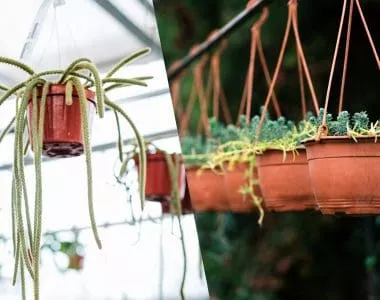
The fronds can reach up to four feet long and are native to Florida, growing well as a plant indoors and outside. The fern looks fabulous growing in hanging baskets, adding a splash of green to the home or garden.
If you want to spice your indoor fern collection aside from the basic, you can add the macho fern to your indoor jungle collection as it is also safe around pets.
Similar Varieties of Macho Ferns
The Nephrolepis biserrata is not the only fern growing well in indoor spaces or the landscape. Here are two other favorites you can grow.
Boston Fern

The fern is also known as the sword fern and is a popular houseplant. The plant does not need much sunlight and can thrive outdoors in humid climates. The fronds are sword-shaped and blue-green with small leaflets that grow erect and arch when it becomes longer.
The fern is best planted outside in the fall.
Kimberley Queen Fern
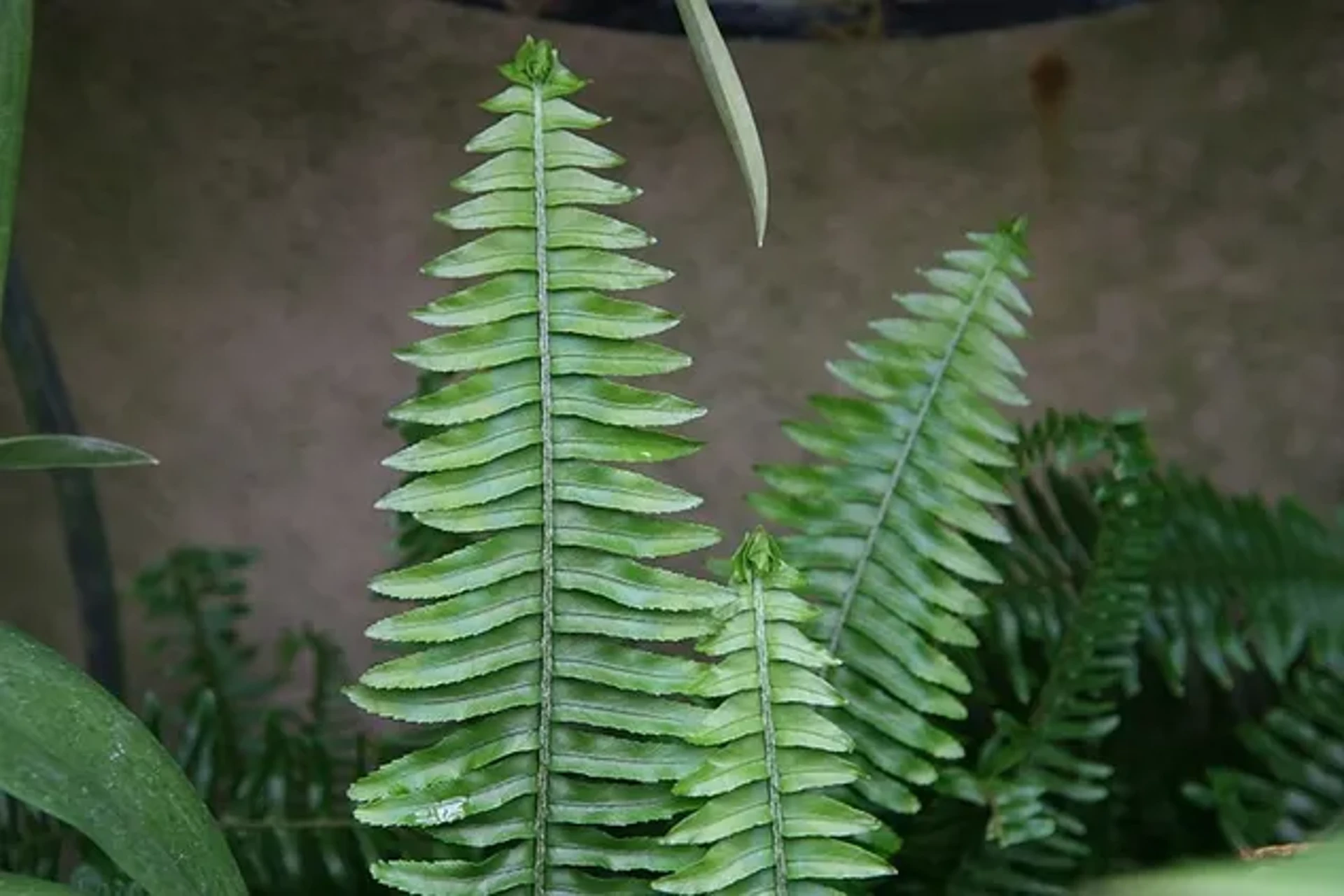
The Kimberley Queen is a lush evergreen with graceful arching sword-like fronds. It has an upright growth that can become bushy. You can grow the queen successfully outside in warm regions or containers.
Plant your fern at the start of the growing season.
Taking Care of Macho Ferns
When it comes to macho fern care, its needs are different from other ferns. These plants thrive in a shady, warm spot and need consistent moisture. But it is a low-fuss plant, and maintaining them is not too difficult.
⚠️A note of warning is that the macho fern species are protected in Florida, and you are not allowed to harvest them in the wild. Hence, it is essential to buy them from reputable dealers.
Macho Fern Light Requirements
The macho fern does its best in a spot with morning sunlight and afternoon shade. As long as the macho fern receives six hours of direct sunlight in the morning, it is happy. But prevent the warm afternoon sunlight as it can cause leaf tip burn.
Provide your plants with bright indirect light for indoor growth for healthy foliage.
Soil and Macho Fern Care

The macho fern thrives in loamy to sandy soil, but providing them with well-draining soil is essential. The ground must have good water retention as it is not drought tolerant.
Soil drainage is crucial to prevent overwatering, leading to root rot. You can add some highly organic soil with organic matter present.
It also prefers soil mulches on the slightly acidic side with a pH between 6.0 to 6.5.)
Watering and Growing Macho Fern
As important as the soil is rich in organic matter, the plant’s roots need consistent moisture. When you grow macho ferns, you must not leave them thirsty for a long time. It thrives best when the soil is moist and water when the top potting mix is dry.
Also, do not water 💦 but only keep the soil moist.
Humidity and Temperature Macho Ferns

Nephrolepis biserrata prefers warm climates but can tolerate low temperatures. The ideal growing condition and macho fern temperature tolerance is 50-80°F (10-26°C).
Macho fern flourishes in the USDA zones 10-11. In other parts of the country, your macho ferns should be overwintered indoors as they cannot tolerate frost.
Macho ferns grow in high humidity to grow lush and develop healthy foliage. Provide a humid environment not higher than 70%. The home has moderate moisture for your plant to grow.
If you find your home does not have enough moisture, you can invest in a pebble tray filled with water to place underneath your plant.
Outdoors you can add a layer of the soil with mulch to help retain moisture at the root ball.
Fertilizing Macho Ferns

When you care for macho ferns, it helps to give them an all-purpose formula feed once in a while to allow the foliage to grow vibrant. Also, water your plant before fertilizing to prevent root burn. If you add organic compost to the soil, you need not fertilize your plant.
Repotting and Pruning Macho Fern Plant
The macho fern needs a large container to grow, and you will need to transplant the repotted clumps into separate pots every two years. To help control the growth, you can prune to improve the plant’s health.
We recommend you remove dead fronds or damaged ones to boost new growth. You can prune the tropical plant from the edges at the leaf tips to give it a round shape. Alternatively, you can remove crisscrossing stems to make them look tidy.
Also, note that the macho fern does have delicate fronds and needs handling with care.
Macho Fern Winter Care
For macho fern care in winter outside the growing zones 10 to 11, you must bring them indoors. Then provide your plant with a perfect spot in bright indirect light.
How to Propagate Macho Fern
You can grow new plants using division with the main plant. The macho fern forms new root clumps you can separate from the root ball.
The fern does not produce seeds. When you notice the macho fern grows new stems and the pots getting smaller, you can remove it from the container to divide the roots.
You can then plant the root clumps in a potting mix with coco peat and keep them in a warm spot out of direct sunlight. You can cover the pots with a clear plastic bag to prevent them from drying out.


Mocho Fern Common Pest and Diseases
When you grow your fern outside, it is more likely to become susceptible to pests and diseases. But you can watch for aphids, mealy bugs, scale, and fern mites. Other bugs are nematodes that are underground pests damaging the roots.
Another concern is leaf tip burn as it dries from excessive sunlight, low humidity, or underwatering.
Whether you want to buy, sell, or simply reach out to other plant enthusiasts, Plantly is the right place to be!