The common prickly ash is a rare find in the garden. If you have one growing in the landscape, count yourself lucky 🍀. Prickly ash forms thickets; you can grow it as a small tree or a large shrub.
The stems and twigs are covered with prickles making them challenging to use in the garden. But there is more to this plant than the eye sees. Today we will show you these shrubs’ hidden secrets and how to care for them.
Plant Name: Zanthoxylum americanum
Other Name: Common Pricklyash, Northern Prickly Ash, Prickly Ash, Toothache Tree
Plant Type: Dioecious Tree or shrub
Native Areas: Canada and North America
Light Requirement: Full sun to part shade
Watering: Average
Fertilizer: Slow-release fertilizer
Toxicity: Non-toxic
Temperature: Cool weather plants
Propagation: Seeds, root cuttings, and the suckers
Growth: 15-20 feet tall
Soil Type: Sand, clay, neutral, alkaline soil
USDA Hardiness Zones: 3-7
More About Zanthoxylum Americanum
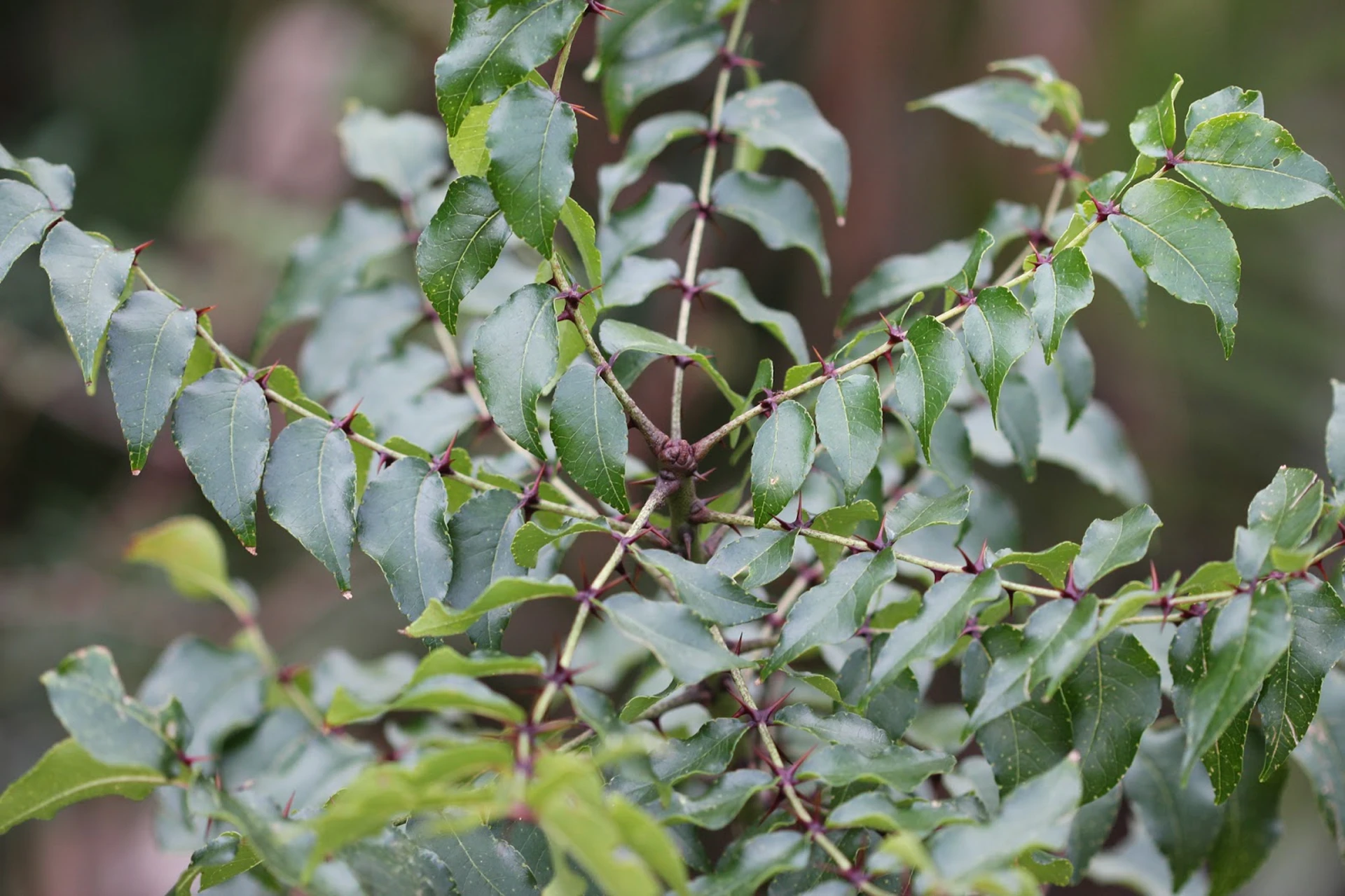
The Zanthoxylum americanum is known as the prickly ash, northern prickly ash, common prickly ash, or the toothache trees. The plant’s leaves resemble ash but do not belong to the olive family.
Instead, it belongs to the citrus family. But the strange thing is it also belongs to the Rue family. The trees can reach up to 20 feet tall with a spread of 15 feet. You find the prickly ash growing on rocky slopes to other drier sites.
The prickly ash’s native range is Eastern North America, but you can also find them growing in other parts of the country. These trees are tolerant to temperatures -40°F in the USDA hardiness zones 3 to 7.
It is a thicket-forming shrub with dense thickets above the middle. It sends up shoots from the underground that creeps along the stems. The colony forming a small tree has alternating leaves that look feathery.
It also has an aromatic leaf stalk covered with rounded teeth, and the leaves on the upper surface appear dark green and dotted with glands. The bark is gray to brown and smooth but more grooved as it matures.
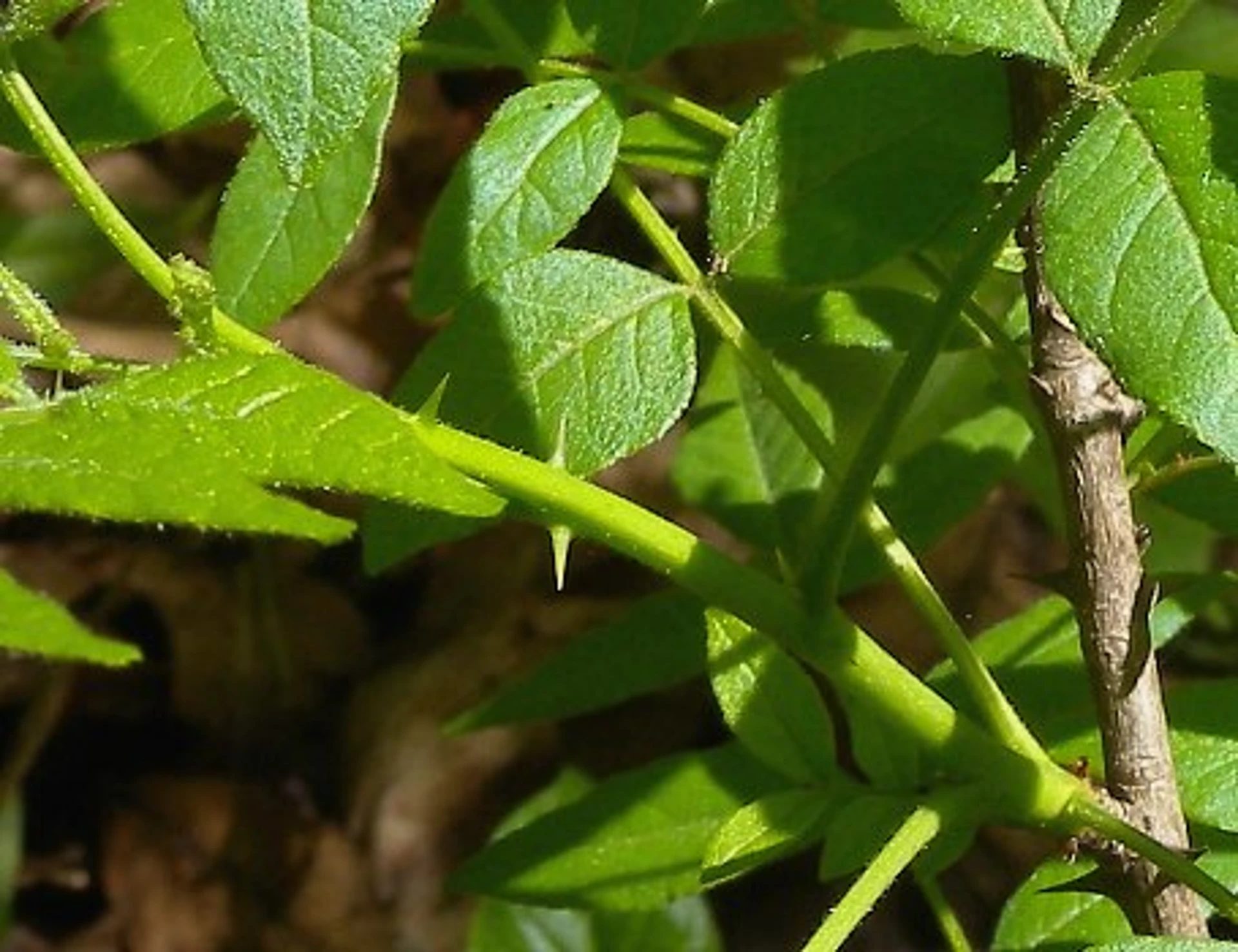
Furthermore, it is also covered with prickles, while the wood is soft and light brown. The twigs are smooth and dark brown to gray, with pairs of prickles at each node. Before the leaves form, you see yellowish-green flowers.
The colony forming small tree is dioecious with male and female flowers found on separate plants. After the tree produces flowers, you see dense clusters of green to reddish-brown berries.
These fruits are aromatic, with a fleshy surface—the berries you find filled with a shiny black seed. The fruit forms on only female trees. Hence, you need two plants with either female or male flowers to get the fruit.
For centuries the prickly ash has gained the name toothache tree as it has medicinal purposes to help relieve toothache pain. The Native Americans chewed the fruits or bark to help ease the pain because of its numbing effect.
While the prickly ash leaves, they used for coughs, fever, and cleaning external wounds. It also attracts birds, and the giant swallowtail butterfly uses it for protection and food. When you break the twigs, it has a lemony scent.
Similar Ash Tree Species
There are a few species that share the same features as the Northern prickly ash as follows:
The actual ash tree looks similar, but the leaves do not have prickles
Then you have the black locust, where the young shoots of the tree have spines with pinnately compound leaves but have up to 19 leaflets with a rounded form.
The honey locust has the same habitat as the prickly ash and is well-armed with longer spines that are often branched, and the leaves are small and compound.
Caring For Northern Prickly Ash
The prickly ash is a tree that grows in different conditions from wet sites like stream banks with occasional flooding. It can also tolerate occasional drought and is seen in open woods to shady areas. In the garden and flowering, you will see butterflies around, and the fruits attract birds.
Where to Plant Zanthoxylum Americanum
While the common prickly ash trees are not made for indoor or ornamental use, they are ideal for growing as a hedge or screening. These shrubs are ideal for serving as a food plant for animals attracting pollinators like butterflies and bees to the garden.
Light and Temperature Needs For Common Prickly Ash
To thrive, the prickly ash needs at least six hours of full sun daily. Still, it also requires some partial shade in the afternoon on sweltering days to prevent damage to the foliage.
When the northern prickly ash does not get sunlight, it becomes lanky, and the foliage becomes sparse. The beautiful dark green leaves will become pale and yellow.
The temperature range must be between 65-75°F(18-25°C) to produce flowers. The trees prefer cooler temperatures as too high heat can restrict growth.
Recommended Soil Prickly Ash

The important thing is to provide your trees with moist, well-drained soils. So you can grow them in clay, neutral, or sand, which is dry soil but needs good drainage.
Watering Zanthoxylum Americanum

For excellent root development, water your plant at the base and avoid overhead watering of the leaves. As it prefers moist, well-drained soils, it helps if you water deeply and allow excess water to drain. Then wait until the soil is dry before watering again. You may find you need to water more on sunny days.
Fertilizing Zanthoxylum Americanum

The best feed for a northern prickly ash shrub is a slow-release fertilizer like a granular one. We recommend watering your shrub before applying the feed. Alternatively, you can use a liquid feed.
Give your shrub a first application during late winter or early spring. Doing this helps the prickly ash to develop young shoots and remains healthy. Then give your shrubs another feed in early fall if you live in a warm region.
Pruning Prickly Ash
You can occasionally prune your trees for a more pleasing and maintained appearance. You can remove the dead leaves to branches and twigs. Remove the crooked or slanted branches by cutting them back to a point where it is healthy. Hence, removing the thick and older branches first is best, cutting them to one-third.
Propagating
The best technique to propagate your prickly ash is through root cuttings or suckers. But you can grow them from the seed collected from the capsules you leave to dry. The capsules open up to release the seed when drying out. You will need to stratify the seed to germinate, then sow them in the fall or place it in the fridge to plant in spring.



Common Pest and Diseases
One of the biggest concerns with prickly ash is longhorn beetles that are active throughout the year. You find the adult beetles more active in summer and fall. The larvae feed on the wood as well as the adults. In contrast, disease concerns are ash rust, verticillium wilt, and anthracnose.
Whether you want to buy, sell, or simply reach out to other plant enthusiasts, Plantly is the right place to be!