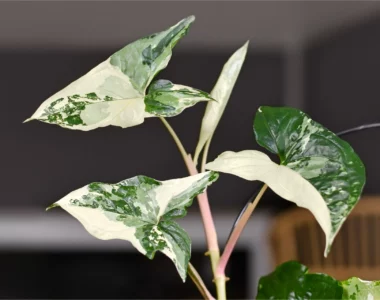
We all know how stunning the Philodendron genus is. But there is one rare plant in the collection; if you can get your hands on one, it makes for a fabulous eye treat. But, of course, we are talking about the Philodendron Gabby that makes for a stunning houseplant.
The Gabby Philodendron is a tropical plant you must have with its cream and white foliage with green leaves found in between. This unpredictable plant changes patterns to hues making it an exceptional masterpiece.
So, add the tropical plant to your home collection and get the best care tips from us here.
Plant Name: Philodendron hederaceum Gabby
Other Name: Gabby Philodendron, Philodendron Gabby, Gabriella Plants
Plant Type: Tropical Climbing Plant
Native Areas: Cultivar
Light Requirement: Bright Indirect Light
Watering: Water when the top inch of soil dry
Fertilizer: Slow Release
Toxicity: Toxic to Pets and Humans
Temperature: 55°F-90°F
Propagation: Stem Cuttings
Growth: 4-6 inches tall
Soil Type: Orchid Bark, Peat Moss Pole, or Cactus Mix
USDA Hardiness Zones: 11-12
More About Gabby Philodendron
Philodendron hederaceum Gabby goes by many names known as the Gabby Philodendron, Philodendron Gabby, Gabby Port, and Gabriella plant. The tropical species have rare variegated leaf patterns, and each one differs from another. Some of her foliage does not even have a variegation.
Philodendron Gabby grows with a contrast of cream, white, and green colors. The hybrid plant comes from the Philodendron Brasil, which resulted from a faulty chromosome replication of the mother plant.
Still, the tropical plant differs from the parent plant as it has many features. For example, you can grow Gabby in a controlled environment making it suitable as an indoor plant. Or you can grow Gabby as an ornamental plant in humid climates.
Yet, do not get confused with the Philodendron Cream Splash, and the parent plant Philodendron Brasil is a heart-leaf Philodendron. Philodendron Gabby is a perfect variegated plant that can climb discovered by a family-owned nursery, Gabriella Plants, in Florida.
Yet, it remains part of the Philodendron genus belonging to the Araceae family, native to South America. The herbaceous vine is a wow factor in any home, from the roots and stems to the leaves. Compared to the
Gabby also has more cream than green in the leaves with a rounder heart shape. Hence, it is a plant collector’s dream as it climbs relatively fast along a sphagnum moss pole. The only other concern is the toxicity of Philodendron Gabby present.
The entire plant contains calcium oxalate, which causes reactions in humans and pets when eaten.
Philodendron Gabby Care Guide
Regarding caring, the Philodendron Gabby is a no-fuss plant and easy to maintain. She makes for an excellent indoor plant standing in bright indirect sunlight. The care routine is not complicated; you will enjoy caring for this beautiful exotic plant.
The best part is Gabby is a plant collector’s dream.
The Best Soil For Philodendron Gabby

Philodendron Gabby prefers well-draining soil enriched with organic components. Furthermore, Gabby prefers aerated soil, and we recommend using a soil mix with orchid bark, coconut coir, or peat moss with perlite.
These ingredients will help with soil moisture, good drainage, and nutrition. Another concern is the pH level, which will be present when investing in a commercial potting mix. Hence, it needs to have a neutral, acidic pH level.
Philodendron Gabby Light

The best place for your Gabby Philodendron is near an east or west-facing window. Here it can receive bright indirect light but not receive excessive light exposure. We recommend placing Gabby about six feet away from a window.
Direct sunlight will scorch those beautiful leaves ruining variegated plants. Neither should you place your Gabby Philodendron in low light, as it can lead to leggy stems as your plant starts to reach out to the light.
Watering Philodendron Gabby to Prevent Root Rot
Compared to other plants, Philodendron Gabby can tolerate some dry soil but not completely bone dry.
We recommend allowing the water to dry out 40% in between watering. Also, do not water when the soil is moist. Here the old-fashioned method of sticking the thumb in the soil helps. You can water your plant if the soil’s top two inches are dry.
You may find that Gabby needs more water during the growing season, and the watering will decrease in winter. Another helpful tip is to use filtered or rainwater for your plant.
Temperature and Humidity
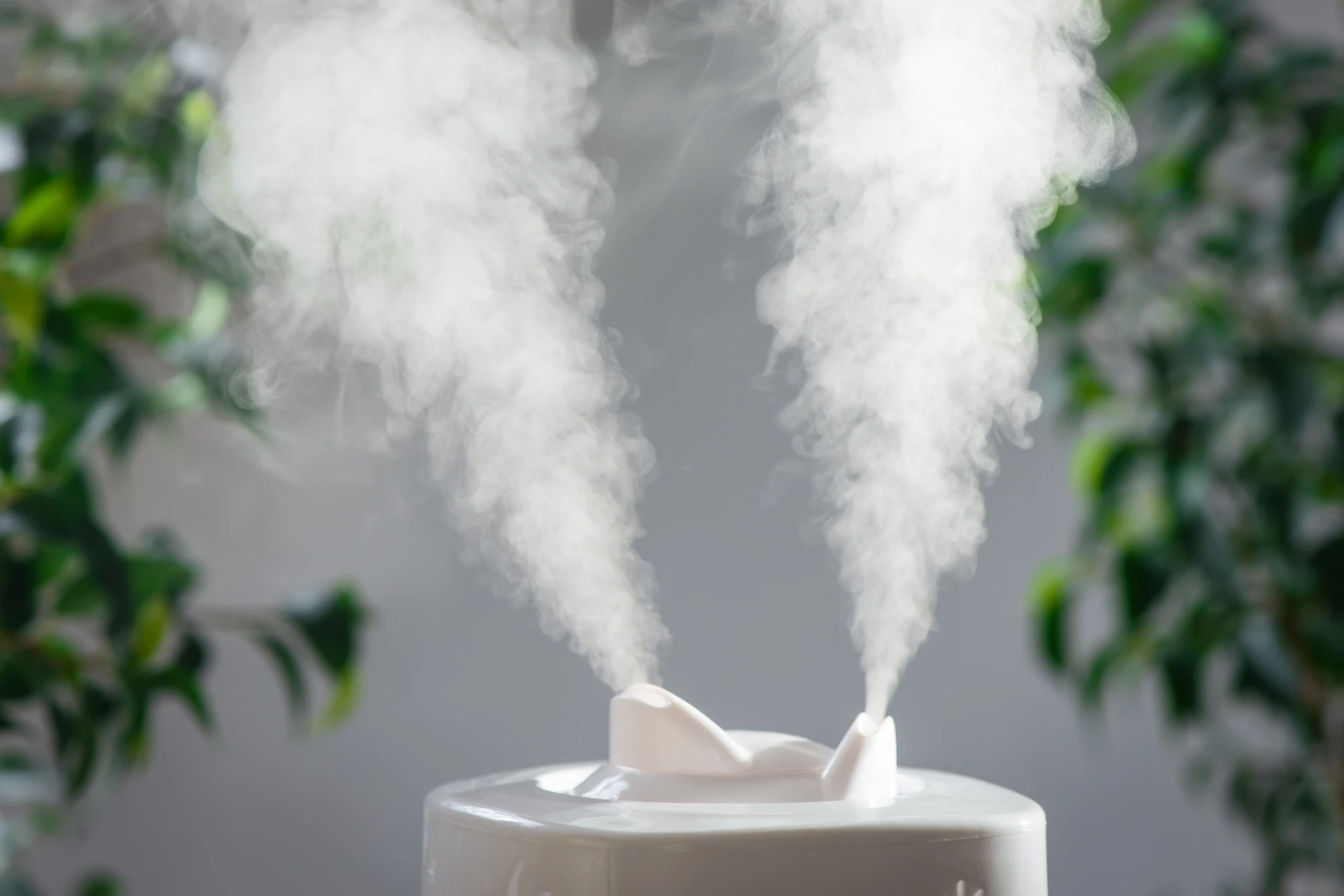
Gabby loves humidity and warm temperatures between 70°F to 80°F. Another essential thing to keep your plant healthy is to avoid cold drafts and heat from heaters. Sudden temperature changes will result in the foliage drying out or killing your plant when too cold.
Concerning humidity, it helps to provide your Gabby Philodendron with 50% to 60% of moisture. In addition, it helps to invest in a humidifier to keep the proper humidity surrounding your plant.
Alternatively, you can use a pebble tray with water underneath your plant without the roots touching the water.
Fertilizing Gabby Philodendron

Gabby is a beautiful outdoor plant that thrives in indirect sunlight and can tolerate slightly dry soil. Nonetheless, as important as these Philodendron Gabby care tips are, she also needs feeding. Therefore, the best is to use a slow-release fertilizer.
We recommend using one that releases over six months to supply your plant with steady food and growth throughout the growing season. Alternatively, you can provide Gabby with three equally spaced feeds from spring to summer.
When watering your plant, the best liquid fertilizer is diluted with water. Other alternatives are fish emulsion, manure, compost, or worm castings.
Pruning Gabby Philodendron
Even when pruned, your Gabby remains bushy and needs less maintenance as the old leaves drop naturally. Hence, you can leave the pruning for your plant to trail or prune it to form a small shrub. For pruning, we recommend removing the leggy stems close to the nodes.
You can remove the old and damaged foliage as well.
Potting Philodendron Gabby
Gabby is a rare, slow-growing plant that does not mind being root bound. Hence, you can expect to re-pot your tropical plants once in two years. You can then provide Gabby with fresh soil amended with peat moss, perlite, potting mix, and orchard bark.
Propagating Philodendron Gabby With Stem Cuttings
Philodendron Gabby, you can propagate using different methods on this trailing plant.
STEM CUTTINGS
A few days before you propagate Philodendron, Gabby gives her some water. Then take stems with some leaves attached, which need to be on the woody side, then the aerial roots with new growth. Then cut the stem cutting vertically or horizontally between the two nodes.
Then cut below a node to leave some stem. Next, remove the bottom leaves and leave them aside to callous over for 24 hours.
USING POTTING MIX
For growing cuttings in potting mix, it can take longer to root:
Take the cut end and apply some rooting hormone to it.
Fill a container with a homemade or organic mix, but ensure it has ample drainage holes. Water the soil well and place the cutting in the pot in the middle.
Fill up with the soil and cover the container with a clear plastic bag to retain moisture.
Poke in some holes for aeration as well.
Place the container in a warm spot in indirect sunlight. You will see new root growth within about two weeks.
Once the roots are two inches long, they grow further with regular care.
HYDROPONICS
Prepare a glass or jar with water to propagate the stem cutting.
We recommend using distilled water.
Then insert the cut end into the water and leave it in enough light but not direct sunlight.
It helps to change the water every four to seven days. You will notice new root development in two weeks, and once the roots reach an inch long, you can place them in a potting medium.
Philodendron Gabby Similar Plants
Do you love the Gabby Philodendron? Then we have some other plants that are similar to try:
Philodendron Cream Splash
The Philodendron Cream Splash is similar to Gabby, but the only difference is that the cream splash has cream and light green to even dark green leaves.
Philodendron Pastazanum

The plant has terrific vein patterns with a deep fissure that is the focal point as it extends over the entire leaf.
Philodendron Mayoi

It is an accent plant you can place in different settings and is ideal for beginners.
Philodendron Mamei

It makes for a beautiful potted plant, and you will appreciate the beauty of this plant for a long time.
Philodendron Gabby Common Diseases and Pests
Gabby Philodendron gets affected by problems like most plants, from pests to diseases.
Diseases
The Gabby plant can become infected with fungal infections, root rot, and rust spots. If the roots become severely affected, resulting from overwatering, and are not saved, you must throw your plant away.
But in mild cases, you can trim away the decayed roots and provide your plant with fresh soil. You can use a fungicide to remove rot conditions and rust fungus for other concerns. The best is not to overwater and wait until the soil is dry.
Also, do not water the leaves with overhead watering as it can lead to diseases.
Pests
Some common pests on the Philodendron Gabby are aphids, spider mites, scale, mealybugs, and thrips. An insecticidal soap to wash plants is a great way to control infestations. You can spray water with the hose or apply a horticultural oil like neem oil on the stem and leaves for small pests.
Other Problems Browning or Crispy Leaves
When you notice brown or crispy leaves, it can result from sunburn or underwatering your plant. While yellowing leaves result from low moisture or arid conditions as there is a lack of humidity. Yellow leaves are also a sign of underwatering.
When there is a loss of variegation, it can be from a poor propagation method or poor growing conditions to low light. A sign curled up or drooping leaves can result from temperature drops or low humidity.
Whether you want to buy, sell, or simply reach out to other plant enthusiasts, Plantly is the right place to be!